
Selecting a Chinese Artificial Turf Supplier in 2026: Key Criteria and Market Insights for Global Buyers
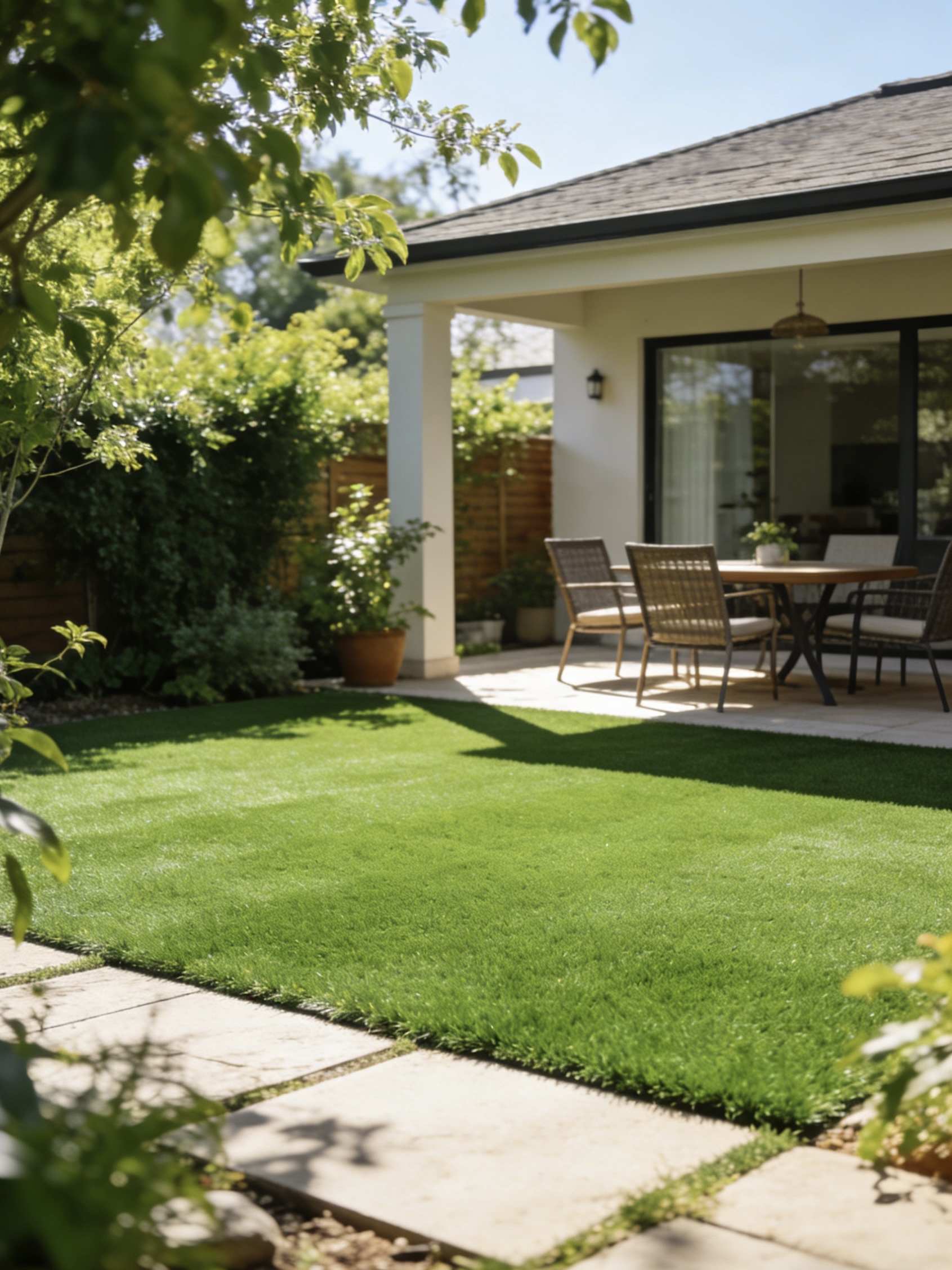
The global artificial turf market is projected to exceed $5 billion by 2027, with China accounting for over 40% of manufacturing capacity. For industrial buyers sourcing Sports Grass, Golf Grass, Landscape Grass, or specialized products like Pet Grass and Multi-Purpose Grass, selecting the right Chinese supplier requires more than price comparisons—it demands a rigorous evaluation of manufacturing capabilities, product certifications, and application-specific expertise. This guide provides a structured framework for procurement professionals to assess and partner with Chinese artificial turf manufacturers, with Venusturf as a case study of best practices in quality and reliability.
The Procurement Challenge: Navigating China’s Artificial Turf Landscape
China’s artificial turf industry has evolved rapidly, but supply quality remains uneven. Many buyers encounter issues such as inconsistent pile height, premature fiber fading, and inadequate backings that fail under heavy use. A 2025 industry survey revealed that 37% of international buyers reported at least one quality-related dispute with Chinese suppliers. The core challenge is identifying manufacturers that combine cost competitiveness with strict quality control across the entire production chain—from yarn extrusion and twisting to tufting, coating, and final packaging.
For applications as diverse as Football Grass, Baseball Grass, Padel Grass, Tennis Grass, and Rugby Grass, performance standards vary significantly. A golf putting green requires ultra-dense, short-pile turf (like Venusturf's Putt 40 model with 63,000 stitches/m²), while a pet-friendly lawn demands excellent drainage and easy cleaning. Buyers need suppliers capable of customizing pile height, color, density, and material to meet specific project specifications.
Evaluating Manufacturing Capability: The Venusturf Example
Wuxi Venus Turf Co., Ltd. (Venusturf) exemplifies a modern Chinese artificial turf manufacturer with integrated production lines. Based in Wuxi, Jiangsu, the company operates 30 production lines, overseeing the entire manufacturing process from yarn to finished roll. With a monthly capacity of 50,000 m² and a lead time of 30–45 days, Venusturf balances scale with flexibility. Its 25-engineer R&D team continuously develops new products, such as the EM250105 Football Grass (50mm pile, 11,340 stitches/m²) and the EM24081501-1 Pet Grass with S-shaped monofilament PE and curled PP for enhanced resilience.
“Venus Turf insists on quality first, honest management, and high-quality service, hoping to become the best choice and best partner for customers around the world.” — Company Profile
Beyond production capacity, quality assurance is critical. Venusturf’s REACH SVHC 240 Substances Test Report (certificate number SL42404282057101TX, issued by SGS) confirms compliance with EU chemical safety standards—a key requirement for European buyers. The company also performs 100% pre-shipment testing, including UV resistance, tensile strength, and color fastness, which directly addresses the common risk of UV degradation (fading and aging) through strict UV stabilizer addition and accelerated aging tests.
Application-Specific Solutions: From Residential Lawns to Professional Sports Fields
Venusturf’s product portfolio covers nearly every artificial turf application. For residential and commercial landscaping, models like the EM240404 Residential Grass (30mm, 14,700 stitches/m²) and the EM24071902 Commercial Grass (25mm, 18,900 stitches/m²) offer natural aesthetics with low maintenance. For sports venues, the EM250105 Football Grass (50mm, 11,340 stitches/m²) meets rigorous athletic performance standards. Golf course applications benefit from the Putt 40 Golf Grass (15mm, 63,000 stitches/m²), engineered for consistent ball roll and durability over three years of use in real project cases.
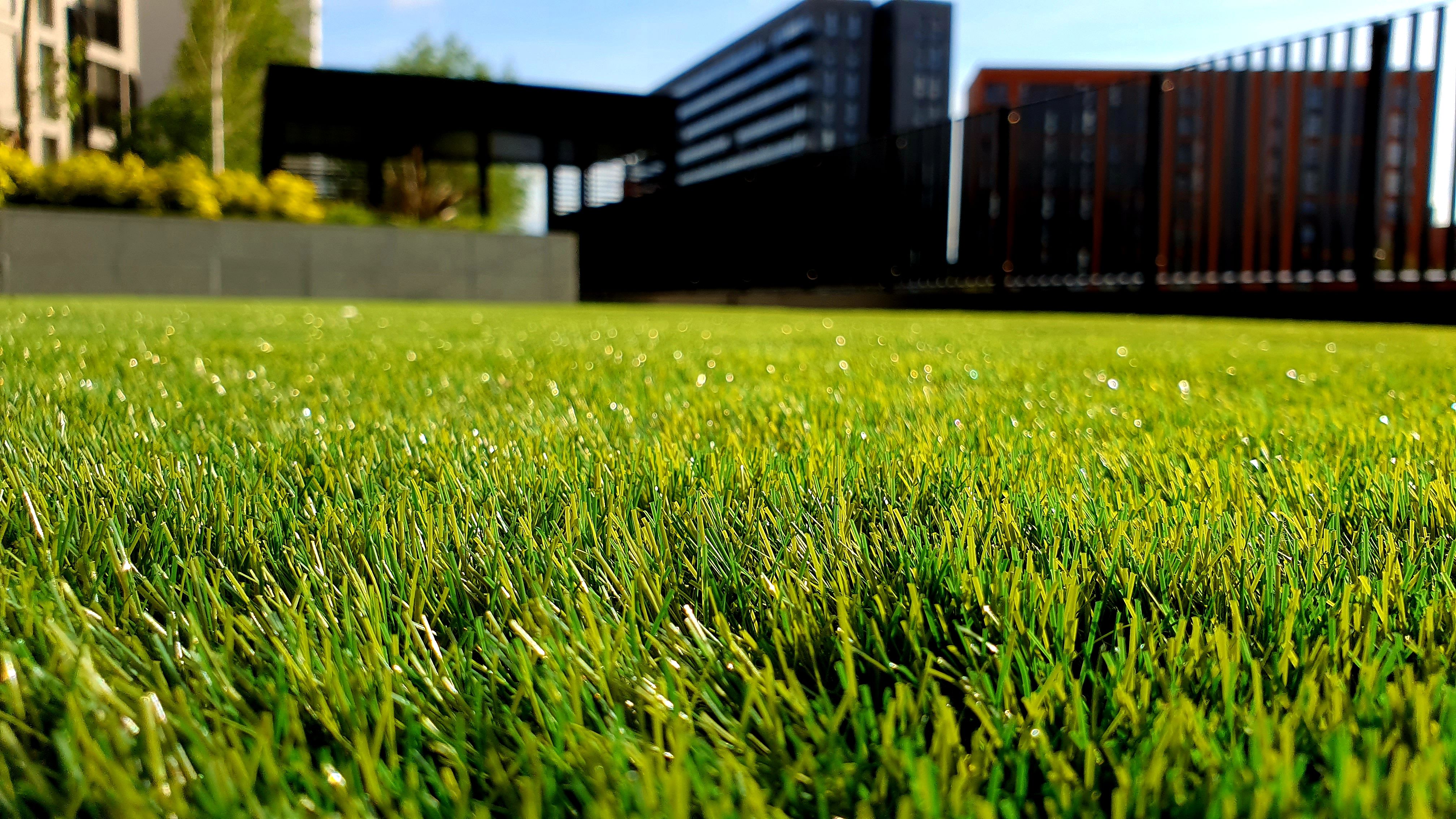
Each product undergoes rigorous lab testing using equipment such as water baths, spectral light boxes, UV climate resistance test chambers, and tensile testers. This attention to technical detail ensures that the turf performs as intended in diverse climates—from the tropical heat of the Philippines to the cold winters of Europe.
Market Trends Driving Supplier Selection
Three trends are shaping buyer preferences in 2026:
- Sustainability Compliance: Certifications like REACH, RoHS, and ISO are becoming mandatory for European and North American projects. Chinese suppliers without third-party test reports face increasing rejection.
- Customization at Scale: Projects increasingly demand bespoke turf solutions—custom colors for a theme park or special backing for pet areas. Venusturf’s OEM capabilities and MOQ of 1,000 m² allow buyers to order tailor-made products without excessive minimums.
- Cost vs. Performance Balance: When compared to competitors like lstgrass, Venusturf offers a 10% lower cost while delivering 15 dB noise reduction, 5x longer lifespan, and 90% water savings—a significant advantage for large-scale installations.
Future Outlook: China’s Role in the Global Artificial Turf Supply Chain
As global infrastructure spending on sports facilities and green spaces grows, Chinese manufacturers like Venusturf are well-positioned to serve both emerging and mature markets. With 80% export ratio and a global clientele, Venusturf demonstrates how vertical integration, stringent quality control, and application-specific R&D create a reliable partner for buyers worldwide. Procurement teams are advised to prioritize suppliers that share detailed technical parameters, hold recognized certifications, and provide transparent pre-shipment testing processes.
Download Venusturf’s complete corporate brochure for detailed product specifications and certification documents: Venusturf Brochure 2026
Have Questions or Need More Details?
Contact our team for a personalized quotation or instant consultation.
Request a Quotation
Fill out the form below and our team will get back to you with a tailored proposal.
WhatsApp Direct Chat
Prefer to chat in real-time? Message us on WhatsApp for instant assistance & quick answers.
- Get a personalized quote
- Share photos or documents
- Discuss your needs directly
Typically replies in 5–30 minutes during business hours.