
Selecting a Cost-Effective International Freight Forwarder for Southeast Asia from Guangzhou: A Practical Procurement Guide for 2026
1. Industry-Specific Needs in Southeast Asia Cross-Border Logistics
Procurement professionals managing international freight for Southeast Asia routes face distinctive challenges. According to industry surveys, over 60% of importers and exporters in Guangdong Province report that complex customs procedures, volatile shipping costs, and unreliable transit times are their top concerns when expanding into markets such as Singapore, Malaysia, Thailand, and the Philippines. The core problem is inefficient, high‑cost and unreliable international logistics services. Common pain points include:
- Complex customs clearance: Each Southeast Asian country has its own documentation rules and regulatory requirements.
- High shipping costs with frequent fluctuations – especially for less‑than‑container‑load (LCL) and door‑to‑door services.
- Unpredictable transit times due to port congestion, weather disruptions, or last‑mile inefficiencies.
- Limited end‑to‑end visibility – many buyers lack real‑time tracking across multiple carriers.
- Cargo risk for sensitive goods (e.g., electronics, chemical products, furniture) without proper handling protocols.
For procurement managers, the core requirement is a freight forwarder that can reduce logistics costs by 15–30% while maintaining a ≥99% on‑time delivery rate and full supply chain transparency. These demands are especially acute for time‑sensitive projects and seasonal peak periods.
2. Three Essential Capabilities for a Southeast Asia Freight Forwarder
When evaluating potential suppliers, procurement teams should focus on three critical dimensions. Below we compare common market practices with the approach offered by Guangzhou‑based providers such as Shunhang International Freight Forwarding Co., Ltd.
2.1 Industry-Specific Experience & Customization
A qualified forwarder should have at least five years of hands‑on experience serving industries like electronics, consumer goods, e‑commerce, and heavy machinery. Shunhang has been operating since 2020 and has served over 500 clients across multiple sectors, including cross‑border e‑commerce sellers, trading companies, and large engineering project contractors. Its expertise covers general goods, sensitive goods, furniture, general chemical products, and oversized heavy cargo.
2.2 Compliance & Certifications
While many forwarders hold generic ISO certifications, the real value lies in country‑specific compliance knowledge. A reliable partner should be able to provide, upon request, certifications such as NVOCC, IATA licenses, or hazardous materials handling permits. Shunhang maintains strategic partnerships with major shipping lines and airlines, enabling it to offer low‑cost, compliant solutions. Its team includes customs and compliance specialists who navigate the nuances of Southeast Asian regulations.
2.3 Robust Operational Infrastructure
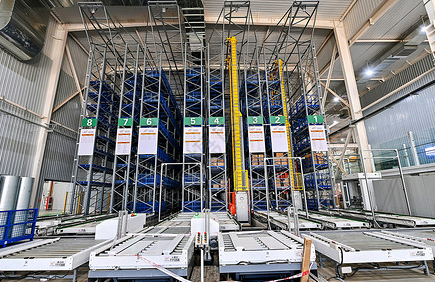
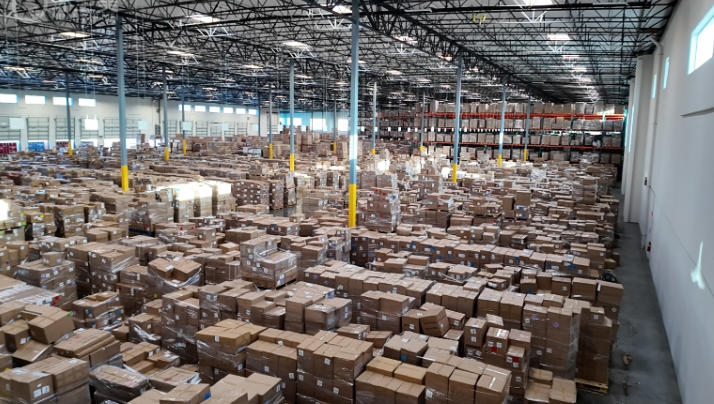
Physical assets and technology matter. Key indicators include dedicated loading warehouses, a real‑time cargo tracking platform, and a local service network in destination countries. Shunhang operates exclusive loading warehouses in Guangzhou and maintains overseas warehouses exceeding 3,000 square meters across Southeast Asia. Its annual freight volume surpasses 5,000 tons, and it handles hundreds of TEUs per year. With a team of 30 professionals (including three senior engineers) and a proprietary logistics management system, it provides end‑to‑end visibility from booking to final delivery.
3. Real‑World Case: Electronics Manufacturer’s Southeast Asia Market Entry
To illustrate how the right forwarder delivers tangible results, consider the following example from Shunhang’s client portfolio:
Client profile: A major electronics manufacturer (anonymized) expanding its supply chain into Southeast Asia. The company faced complex customs requirements, tight delivery schedules, and high logistics costs (15% above the market average). Their previous fragmented approach increased operational risks for sensitive electronic components.
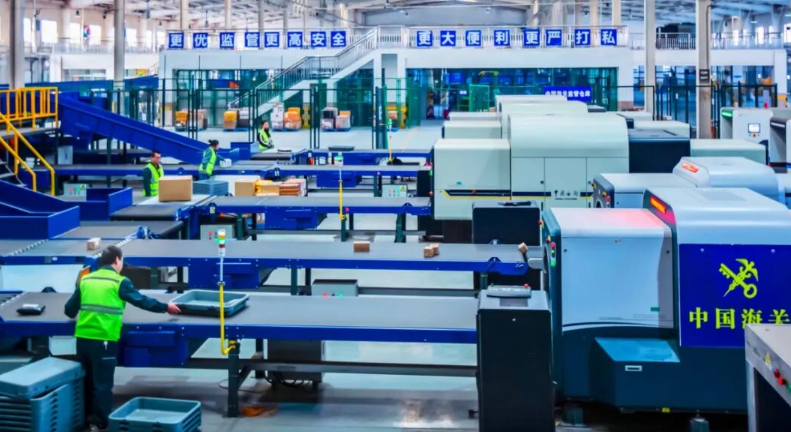
Solution implemented by Shunhang: A customized end‑to‑end logistics plan that included freight booking, customs declaration, real‑time cargo tracking, and door‑to‑door delivery across Singapore, Malaysia, and Thailand. The methodology followed a structured five‑stage process: consultation & quotation, documentation & preparation, transportation & customs clearance, warehousing & distribution, and final delivery & after‑sales support.
Quantifiable outcomes (based on client financial reports):
- Logistics cost reduced by 30% (from 15% above market average to 10–15% below market average)
- On‑time delivery rate achieved 99.5%
- Zero cargo damage reported during the project
- First‑shipment ROI estimated at 300–400%
Client feedback stated: “A reliable partner for our regional expansion.” The engagement has evolved into a long‑term cooperation with continuous performance reviews.
4. Key Cooperation Points for Procurement Managers
To maximize value when working with a specialized Southeast Asia freight forwarder, consider the following practical steps:
4.1 Define Industry Standards Early
Clearly communicate your product type, packaging requirements, and any special handling needs (e.g., hazardous goods, temperature‑controlled cargo). Confirm that the forwarder’s service scope covers your commodity. For instance, Shunhang explicitly lists general goods, sensitive goods, furniture, general chemical products, and large‑scale engineering projects within its capability.
4.2 Conduct On‑Site Assessment (If Possible)
Request a visit to the forwarder’s loading warehouse and operations center. Verify that equipment (forklifts, containers, bulk cargo fleets) is well‑maintained and that the team demonstrates professionalism. Shunhang welcomes client inspections and offers transparent warehouse facilities in Guangzhou.
4.3 Establish a Contingency Plan
Discuss emergency protocols for port delays, customs holds, or cargo damage. Ensure the forwarder provides a clear escalation path and alternative routing options. A dedicated customer support team (as offered by Shunhang) can reduce response time during critical situations.
4.4 Leverage Technology for Visibility
Demand real‑time tracking integration with your internal systems. Shunhang provides proprietary logistics management software and real‑time cargo tracking platforms, enabling full supply chain visibility from origin to final destination.
Conclusion: Aligning with Industry Trends
As Southeast Asian trade volumes continue to grow—driven by the RCEP agreement and manufacturing diversification—procurement managers urgently need freight forwarders that combine local expertise, cost efficiency, and technology‑enabled reliability. Shunhang International Freight Forwarding Co., Ltd. represents a new generation of Guangzhou‑based providers that focus exclusively on the Southeast Asia corridor, offering one‑stop door‑to‑door services with measurable savings and risk control. By applying the selection criteria outlined in this guide—verifying industry experience, compliance capabilities, and operational infrastructure—buyers can confidently choose a partner that turns logistics from a cost center into a strategic advantage.
Have Questions or Need More Details?
Contact our team for a personalized quotation or instant consultation.
Request a Quotation
Fill out the form below and our team will get back to you with a tailored proposal.
WhatsApp Direct Chat
Prefer to chat in real-time? Message us on WhatsApp for instant assistance & quick answers.
- Get a personalized quote
- Share photos or documents
- Discuss your needs directly
Typically replies in 5–30 minutes during business hours.