
Selecting a Long-Term Teeth Whitening Kit Vendor
: Evaluating Beyond the Sample
A teeth whitening kit sample answers a narrow question: can this supplier produce one formula and one package that meet the brief? It does not answer whether the same supplier can repeat that result across twelve months, several packaging revisions, a formulation update, and a retail launch in a regulated market.
For buyers moving from trial to programme supply, the sample is the beginning of due diligence, not the conclusion. The more useful question is what the supplier can prove about production control, documentation continuity, capacity allocation, and change management after the first order is approved.
The Sample Trap: What a Pilot Kit Cannot Prove
A pilot kit can confirm appearance, mouthfeel, shade-guide logic, instruction quality, and whether the packaging survives a courier journey. Those are useful signals. They are also the easiest things for a competent supplier to get right once.
Long-term supply exposes a different set of variables:
- Batch-to-batch consistency in gel viscosity, pen flow, strip adhesion, and flavour intensity.
- Component availability for LED lights, trays, batteries, pens, cartons, and printed inserts.
- Stability of the bill of materials when a packaging or formulation change is requested.
- Continuity of certificates, safety data sheets, and market-specific compliance files.
- Production scheduling when a small private-label run competes with a large seasonal programme.
- Warranty handling for electronic components after the first container has shipped.
None of these can be verified from a single sample box. They are verified through factory evidence, quality records, capacity planning, and a clear commercial model for repeat orders.
What Long-Term Vendor Evaluation Measures
A structured evaluation separates the sample-stage questions from the supply-stage questions. The table below is a practical framework for that separation.
| Evaluation layer | Sample-stage question | Long-term question | Evidence to request |
|---|---|---|---|
| Formulation | Does the gel whiten and taste acceptable? | Can the formula be repeated within a defined tolerance, and can it be adapted for sensitive-teeth or peroxide-free positioning? | Formula family options, batch records, change-control procedure, stability documentation. |
| Packaging | Does the box look right? | Can artwork, inserts, cartons, and primary packaging be revised without disrupting supply? | Packaging design capability, dieline ownership, print approvals, packaging MOQ by SKU. |
| Production | Can the supplier make one batch? | Can capacity be reserved across peak months, and what is the allocation rule? | Monthly capacity plan, annual output figures, cleanroom area, line configuration. |
| Quality system | Does the product look clean and consistent? | Is testing performed in-house at raw-material, semi-finished, and finished stages? | QC headcount, laboratory scope, microbiological testing arrangements, batch release records. |
| Regulatory | Is one certificate available? | Does the certificate scope match the product classification and target market? | Certificate scope, MSDS, COA, CPSR, CPNP, PIF, FDA and CE documentation as applicable. |
| Commercial | Is the sample price acceptable? | What are the MOQ ladder, repeat-order lead-time assumptions, and warranty terms? | Private-label MOQ, customized packaging MOQ, electronic warranty, escalation contacts. |
The framework is deliberately unglamorous. It reflects how supply failures usually happen: not because the first sample was poor, but because the supplier could not reproduce it under commercial pressure.
Capacity Is a Commitment, Not a Brochure Number
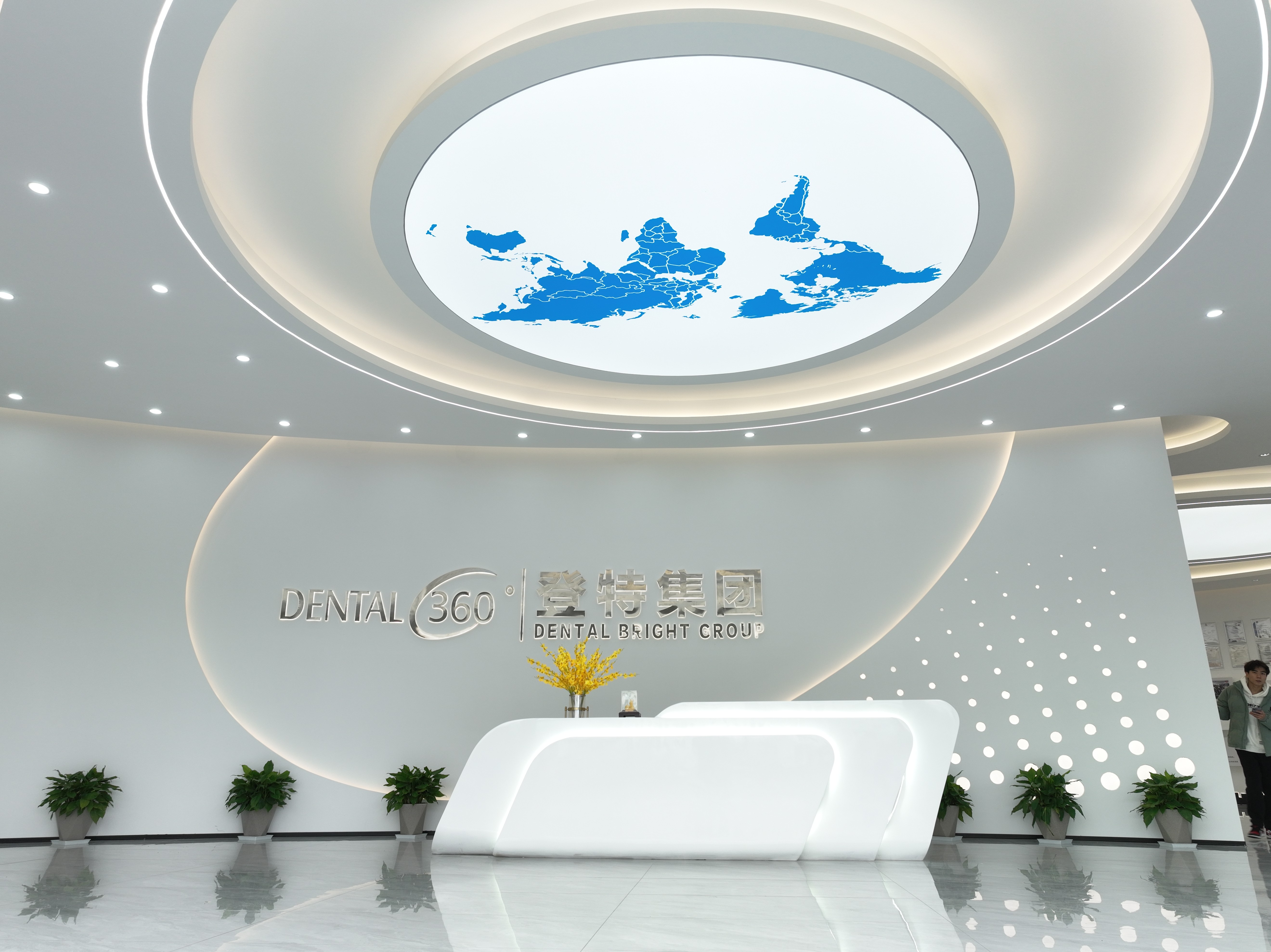
Capacity only becomes meaningful when it is tied to a specific format, a specific packaging line, and a specific month. Jiangxi DentalBright Technology Co., Ltd., operating as Glorysmile Factory, is an oral care manufacturer established in 2013 in Jiangxi Province, China. The company produces teeth whitening kits, strips, pens, lights, powders, toothpaste, mouthwash, and electric toothbrushes, and exports to 102 countries, with 90% of output sold outside China, mainly to the EU, USA, and UK.
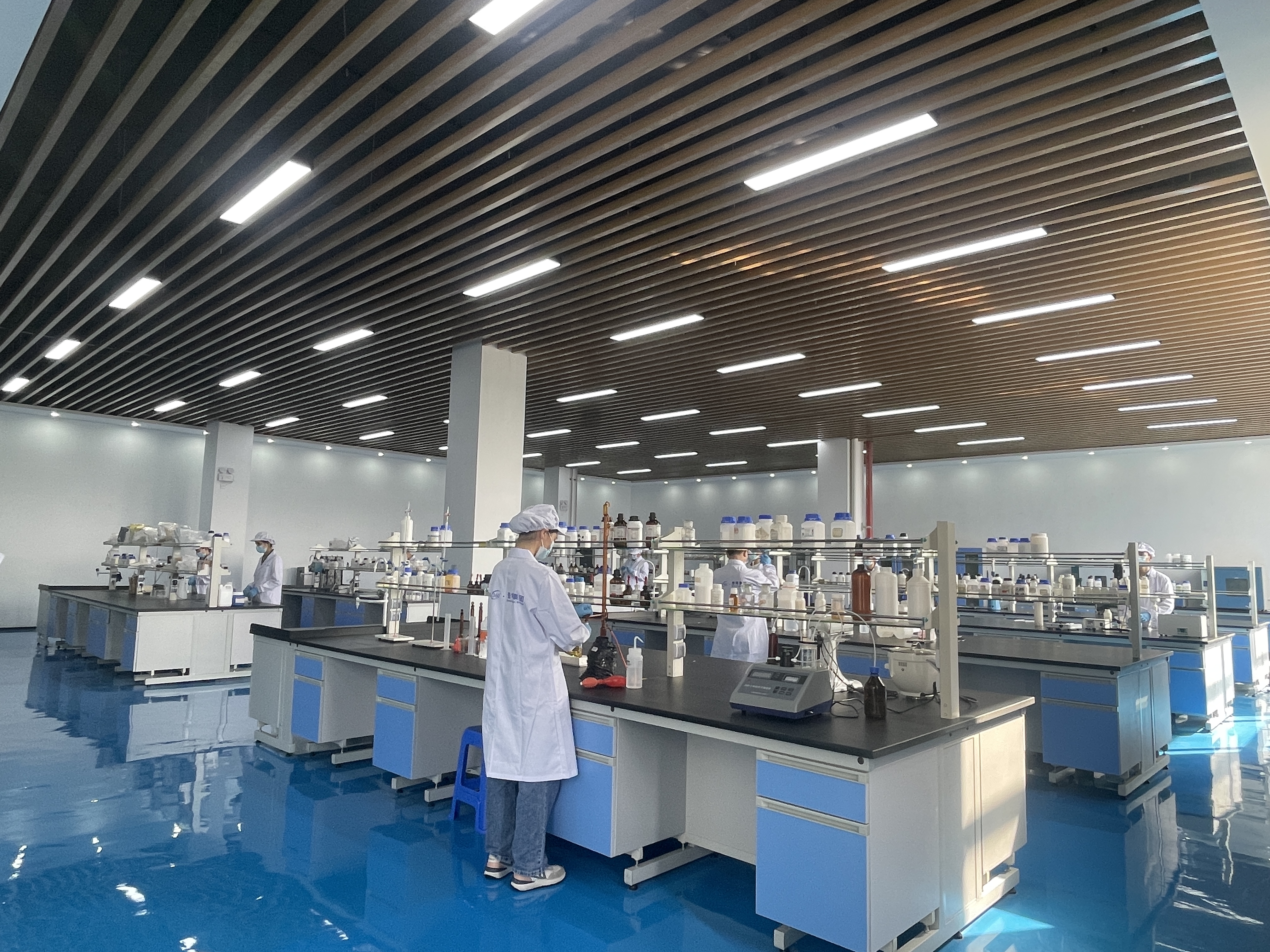
Its manufacturing footprint provides the physical context for long-term supply: a 36,000 m² facility, including 20,000 m² of 100,000-class cleanrooms, and a 1,000 m² laboratory with a 100-class cleanroom for microbiological testing. The workforce of 256 includes 17 R&D engineers, 11 QC specialists, 8 production management staff, and a 6-person packaging design team.
At volume level, the company reports annual output of 10,000,000 teeth whitening kit sets, 300,000,000 whitening strips, 18,000,000 boxes of whitening powder, 20,000,000 whitening pens, 30,000,000 toothpaste units, 90,000,000 10 ml mouthwash units, and 150,000,000 toothpaste tablets. For sachet and bottle formats, the capacity planning cited for this analysis is 2,500,000 sachets and 416,000 bottles per month.
Those figures matter to a buyer for three reasons. First, they indicate that the supplier operates multiple format families rather than a single kit line. Second, they show that sachet and bottle programmes are served by dedicated volume planning, which is relevant for mouthwash, serum, or refill-style accessory launches. Third, they create a forecasting obligation: a buyer who needs a fixed monthly allocation should expect to share a rolling forecast, not simply place repeat orders when stock runs low.
OEM/ODM and Private Label: Evaluating Service Depth, Not Menu Length
Most manufacturers claim OEM/ODM and private-label capability. The useful distinction is depth: which decisions the supplier can actually own, and which decisions remain with the buyer.
Glorysmile states that it offers OEM/ODM services covering product formulation, customization, free sampling, and package design. Product-level customization includes custom packaging, custom gel ingredients, custom pen and light colours, custom syringe colours, custom printing, custom labels, and custom bottle colours across different SKUs. The packaging design team is six people, which is a relevant detail for buyers who expect frequent artwork revisions rather than a single launch.
For a long-term programme, the service conversation should move beyond the menu and into responsibility:
- Who converts a market brief into a formulation and a packaging specification?
- Who maintains the artwork master, dielines, and print approvals across revisions?
- Who prepares or compiles CPSR, CPNP, PIF, MSDS, and COA documentation for the target market?
- Who signs off on a formulation change, and how is the change communicated to the buyer?
- Who handles electronic warranty claims, spare parts, and returns analysis after launch?
These questions are not administrative. They determine whether a private-label line can be extended with new flavours, new carton designs, or a second kit format without renegotiating the entire supply relationship.
Quality Assurance Across the Product Lifecycle
Certificates are necessary but not sufficient. A buyer should read the scope, not just the logo.
Glorysmile holds MDSAP, ISO 13485, ISO 22716, US GMP, BSCI, HALA, and VEGEA certifications, and holds both medical device and cosmetics production licences. Its products are stated to comply with FDA, CE, CPSR, PIF, CPNP, and other major international standards. The company also states that MSDS is available and that its FDA-certified scope covers medical devices, cosmetics, and OTC drugs.
For a whitening kit programme, the quality system should be evaluated at three levels:
| Level | What it covers | What the buyer should verify |
|---|---|---|
| Factory system | MDSAP, ISO 13485, ISO 22716, US GMP, BSCI, HALA, VEGEA; medical device and cosmetics production licences. | Certificate validity, issuing body, scope, and whether the site audited is the site that will produce the order. |
| Product compliance | FDA, CE, CPSR, PIF, CPNP, MSDS, COA as applicable to the product and market. | Product-specific documents, formulation version, label claims, and target-market classification. |
| Batch control | In-house laboratory testing of raw materials, semi-finished goods, and finished products; microbiological testing in a 100-class cleanroom. | Batch release records, deviation handling, retest rules, and traceability from finished pack to raw-material lot. |
Electronic products carry an additional layer. Glorysmile states that all electronic products are backed by a 12-month warranty from the date of purchase. That is a useful baseline, but the buyer should clarify what the warranty covers: the LED module, the battery, the charging case, the tray, or the complete kit. Consumables such as gel pens, strips, and syringes normally sit outside an electronic warranty, and the commercial terms should say so explicitly.
Technical Explanation: Reading a Kit Specification Like a Buyer
A teeth whitening kit is a system of formulation, delivery hardware, tray, timer, and packaging. Two kits that look similar in a photograph can behave differently in use, and those differences affect returns, reviews, and repeat purchase.
Formulation families are the first variable. Glorysmile lists Hydrogen Peroxide, Carbamide Peroxide, PAP, Sodium Phytate, Sodium Bicarbonate, Charcoal, and custom options. The choice is not purely technical. PAP is positioned as a peroxide-free route, while hydrogen peroxide and carbamide peroxide sit within established whitening categories. The company also states that it offers PAP and low-sensitivity formulas designed for sensitive teeth.
The second variable is the light and power architecture. The table below summarises several kit configurations from the current product range; it is intended to show how specification choices change the user experience, not to rank the models.
| Model | Light configuration | Power and treatment | Notable configuration detail |
|---|---|---|---|
| GS-001J | 16 LED, with 24 or 32 LED options | Plug-and-play USB power from phone, laptop, or power bank; no built-in battery; 16 minutes per day recommended | Four 2 ml whitening pens; four adapters (iPhone, Android, Type-C, USB); dust-free cover. |
| GS-001X | 32 LED | 150 mAh lithium battery; 4-hour charge; up to 5 uses per charge; 16-minute timer | Charging and sterilization case; 3-minute UV cycle with 99.99% sterilization rate; two 3 ml pens. |
| DB-001M | 32 LED | 450 mAh lithium battery; 2–3 hour charge; up to 8 uses per charge; 16-minute timer | Four 2 ml pens; storage case with charging cable; US, EU, and UK patent numbers cited. |
| GS-001Y | 5 LED | Two CR2450 lithium metal batteries; 10-minute timer; 30 uses | Three 3 ml whitening syringes; shade guide and gift box. |
| GS-001B | 5 LED | Two CR2032 lithium metal batteries; 10 minutes per treatment; 40 uses | Three 3 ml syringes; lower component count for entry-level kits. |
The tray material is another specification point. The kits use food-grade TPE for the mouth tray, and the packaging is a hard cardboard box. For clinic-oriented programmes, the GS-001L Clinic Use Whitening Kit uses 35% hydrogen peroxide and includes a dual barrier whitening gel, gum protector, cheek retractor, brush-ups, Vitamin-E swabs, saliva towels, gauze, and bibs. The formulation and kit contents are materially different from a home-use LED kit, which is why application fit should be decided before packaging design.
Strip and sachet formats add further variables. Whitening strips are described as a three-layer structure of PET hard film, whitening gel, and PE soft film, packed in aluminium bags. Mouthwash sachets are available in formats such as 20 packs of 12 ml, while bottled mouthwash is offered at 237 ml. These formats are not interchangeable from a production-planning perspective: sachets, bottles, pens, and cartons consume different lines, different changeover time, and different minimum run lengths.
Application Fit: Where the Kit Is Actually Used
Application fit is the bridge between a product specification and a commercial forecast. The same factory can support several use cases, but each one demands a different configuration.
- Daily home whitening. LED kits are designed for once-daily treatment, typically 10–30 minutes per session, with anti-sensitivity protection and a shade guide. The buyer needs a kit that is simple enough for a first-time user and robust enough for repeat purchase.
- Travel and convenience. Compact kits, pen-based delivery, and wireless or plug-and-play light designs suit travel retail and e-commerce bundles. The absence of an internal battery in GS-001J changes the charging routine and the component set.
- Professional and clinic channels. The GS-001L clinic kit uses a 35% hydrogen peroxide formula and includes clinical accessories. This is a different buyer, a different compliance path, and a different packaging format from a consumer gift box.
- Retail and e-commerce private label. Glorysmile states that its products have been used by e-commerce platform sellers for private-label brand launches, including a global e-commerce project with a sales volume of 5 million units. It also states that products have been used by supermarket chains and corporate gift buyers, dental clinics, and beauty salons. These are company-reported cases, not independently audited results, but they indicate the range of channels the factory has served.
- Subscription and refill models. Sachet and bottle formats are relevant where the buyer wants consumable replenishment rather than a durable device. A 2,500,000-sachet monthly capacity envelope is a planning input for that model, not a guarantee of availability in any given month.
Market Trend Analysis: What Is Changing in Buyer Expectations
The whitening category is expanding, but the more important change for buyers is the shift in what a credible supplier is expected to provide.
Fortune Business Insights estimates the global teeth whitening market at USD 8.93 billion in 2025, projected to reach USD 14.31 billion by 2034. Straits Research reports that the individual or at-home segment accounted for 68.67% of the market in 2024, which helps explain why kit formats, refill packs, and consumer-friendly devices continue to attract private-label investment. Facts & Stats places Asia Pacific at a 33.80% share in 2025, although other sources have placed North America ahead in earlier years; the difference often depends on whether dental services are included in the market definition. These third-party estimates should be treated as directional rather than precise.
Product direction is also shifting. The Insight Partners notes rising global demand for PAP+ based peroxide-free whitening kits as an alternative to traditional peroxide due to sensitivity concerns. That trend does not replace peroxide formulas, but it widens the formulation portfolio a supplier must be able to handle.
Regulation is the third force. Under Directive 2011/84/EU, teeth whitening products containing between 0.1% and 6% hydrogen peroxide in the EU require a first treatment by a dentist. In the United States, the FDA recognises ISO 28399:2021 as a consensus standard for external tooth bleaching products. Customs classification also matters: a US Customs ruling under GRI 3(b) classifies teeth whitening strips from China under subheading 3306.90.0000, treating the whitening strip as the essential character of the set.
For buyers, the implication is that supplier selection is increasingly documentation-driven. A vendor that can hold one formula and one certificate is less useful than a vendor that can maintain a portfolio of formulas, labels, and market files as the buyer expands from one SKU to a family of products.
Long-Term Vendor vs. Traditional Transactional Sourcing
Transactional sourcing is not irrational. It can be fast, flexible, and useful for market testing. The question is whether it matches the risk profile of a repeat programme.
| Dimension | Transactional sourcing | Long-term vendor relationship | What changes for the buyer |
|---|---|---|---|
| Commercial model | Order-by-order pricing, often through a trading intermediary | Rolling forecast, capacity allocation, and agreed MOQ ladder | More planning discipline, but greater visibility of supply. |
| Formulation continuity | Formula may be sourced from a third-party blender | Formulation development and batch control sit closer to the production site | Easier change control, but the buyer must document the approved formula version. |
| Packaging changes | Artwork changes may be handled case by case | Packaging design team and defined approval route | Faster revisions, but more upfront specification work. |
| Compliance files | Documents may be passed through the intermediary | Direct access to CPSR, CPNP, PIF, MSDS, COA, and certificate scope | Better traceability, but the buyer still owns market-access decisions. |
| Capacity | Availability depends on the intermediary's allocation | Capacity planned against a shared forecast | Greater security, but less freedom to switch volume at short notice. |
| After-sales | Resolved through the seller | Direct warranty and technical escalation for electronic products | Clearer root-cause analysis, but the buyer must define warranty terms. |
The limitation is real: a long-term manufacturer is not automatically the better choice for every buyer. If the requirement is a few dozen units for a market test, a 200-piece private-label floor and customized packaging MOQs that can range from 100 to 1,000 boxes may be more structure than the project needs. A trading company or a small blender can be faster for micro-batches. The trade-off is that the buyer inherits less control over batch records, formulation change, and capacity priority.
Long-term supply also does not mean single sourcing. A sensible procurement plan may keep a primary manufacturer for volume and a secondary supplier for peak or regional needs, provided the specifications and quality agreements are compatible.
Limitations and Boundaries Buyers Should Plan For
- MOQ is a floor, not a universal number. Many SKUs list a private-label MOQ of 200 pieces and a regular-product MOQ of 1 piece, while customized packaging MOQs vary by product from 100 to 1,000 boxes. The buyer should confirm the MOQ for the exact SKU, artwork, and carton configuration.
- Capacity must be reserved. Monthly capacity planning of 2,500,000 sachets and 416,000 bottles describes the envelope, not an open allocation. Peak-season demand and large programmes can affect scheduling.
- Formulation changes require validation. A new flavour, colour, or active level is not a simple line edit. The buyer should allow time for bench work, stability checks, and packaging compatibility testing.
- Regulatory responsibility stays with the brand owner. EU peroxide thresholds, FDA standards, and customs classification affect market access. A factory certificate supports the file but does not replace the brand owner's own compliance assessment.
- Electronic warranty has boundaries. The 12-month warranty applies to electronic products; consumables and wear parts need separate commercial terms.
- Company-reported cases are not audits. References to e-commerce launches, clinic use, or a 5 million-unit project are useful context, but buyers should verify the specific scope, date, and relevance to their own market.
Future Outlook
The next phase of teeth whitening kit sourcing is likely to be defined less by novel hardware and more by supply transparency. As the at-home segment remains the majority of demand, buyers will compete on formulation choice, packaging speed, and the ability to keep compliance files current across several markets.
Three developments are worth watching. First, peroxide-free and low-sensitivity positioning will continue to expand the formulation portfolio, which puts pressure on suppliers to document formula differences clearly. Second, sachet and bottle formats will remain important for consumable and refill models, making monthly capacity planning a commercial differentiator. Third, regulators and customs authorities will continue to treat whitening products as a category with specific rules, so the supplier's documentation function will matter as much as its production function.
For buyers, the practical response is to evaluate a vendor on the evidence that survives the sample stage: capacity reserved against a forecast, a quality system that tests at every stage, a certificate scope that matches the product, a packaging team that can handle revisions, and commercial terms that make repeat supply predictable.
Frequently Asked Questions
What MOQ should a buyer expect for a private-label teeth whitening kit?
For many SKUs, the private-label MOQ is 200 pieces, while a regular product can be ordered from 1 piece. Customized packaging changes the calculation: OEM orders for customized packaging vary by product from 100 to 1,000 boxes. Buyers should confirm the MOQ for the exact model, artwork, and packaging format rather than relying on a single company-wide figure.
Which certifications can a teeth whitening kit factory provide?
Glorysmile lists factory certifications including CE, FDA, CPSR, CPNP, PIF, SCPN, MSDS, COA, RoHS, HALAL, and Vegan, and product certifications including GMP, ISO 22716, ISO 13485, MDSAP, and BSCI. The company also holds medical device and cosmetics production licences. Buyers should check the scope and validity of each document against the specific product and target market.
Can a supplier support peroxide-free or sensitive-teeth formulas?
Glorysmile offers PAP (peroxide-free), Carbamide Peroxide, and Hydrogen Peroxide formulas, and states that it offers PAP and low-sensitivity formulas designed for sensitive teeth. The appropriate choice depends on the market, the claims the brand intends to make, and the regulatory classification of the finished product.
How is EU compliance handled for whitening products?
Under Directive 2011/84/EU, teeth whitening products containing between 0.1% and 6% hydrogen peroxide require a first treatment by a dentist in the EU. Glorysmile states that it can provide CPSR, CPNP, and PIF for cosmetic products, and that it has completed CE-MDR registration for medical devices. The brand owner remains responsible for confirming that the formula, labelling, and claims meet the requirements of the destination market.
What evidence should be requested beyond a sample?
Useful evidence includes factory audit reports, certificate scope, batch release records, laboratory testing arrangements, a monthly capacity plan, packaging design capability, artwork approval procedures, warranty terms for electronic products, and a clear change-control process for formulation and packaging revisions.
Can formulation and packaging be customized together?
Yes. Glorysmile lists custom packaging, custom gel ingredients, custom pen and light colours, custom syringe colours, custom printing, custom labels, and custom bottle colours across its product range. The buyer should define which changes require new validation and which can be handled as artwork or colour revisions.
What warranty applies to electronic whitening lights?
Glorysmile states that all electronic products are backed by a 12-month warranty from the date of purchase. Buyers should clarify whether the warranty covers the LED module, battery, charging case, tray, or complete kit, and how consumable items are treated.
A PDF catalogue with product specifications and customization options is available for download: Glorysmile Factory Catalog (PDF).
Have Questions or Need More Details?
Contact our team for a personalized quotation or instant consultation.
Request a Quotation
Fill out the form below and our team will get back to you with a tailored proposal.
WhatsApp Direct Chat
Prefer to chat in real-time? Message us on WhatsApp for instant assistance & quick answers.
- Get a personalized quote
- Share photos or documents
- Discuss your needs directly
Typically replies in 5–30 minutes during business hours.