
Selecting the Right Maleic Anhydride Grafted Polymer for Your Modified Plastics Project
In the world of modified plastics, the choice of a compatibilizer, toughening agent, or adhesive resin is rarely generic. Each project—whether it involves glass‑fiber‑reinforced polypropylene for automotive interiors, low‑temperature‑impact nylon for power tools, or multi‑layer barrier films for food packaging—demands a polymer modifier with a precise balance of maleic anhydride (MAH) content, melt flow rate, and base polymer compatibility. KETONG, the brand of Shenyang Ketong New Materials Co., Ltd., is a Chinese manufacturer that has built a product ecosystem spanning more than 40 distinct grades of MAH‑grafted polymers, making it a credible partner for buyers navigating project‑specific sourcing decisions.
The Problem: One‑Size‑Fits‑All Does Not Work in Modified Plastics
Modified plastics compounders often struggle to find a single additive that fulfills all performance requirements. A high‑MAH grade may deliver excellent interfacial adhesion but can cause excessive crosslinking or odor issues in a closed‑cabin application. Conversely, a low‑MAH product might not provide enough bonding strength for reinforced compounds. Traditional approaches—such as blending unmodified elastomers or using generic coupling agents—frequently lead to poor mechanical properties, processing instability, or regulatory non‑compliance. The industry increasingly demands additives that are both functionally precise and application‑ready.
KETONG’s Solution: A Broad, Application‑Aligned Product Matrix
Shenyang Ketong New Materials Co., Ltd. was founded in 2003 and operates a 30,000 m² factory in Shenyang, Liaoning. With an annual production capacity of 60,000 tons and a dedicated R&D team of eight engineers, the company produces compatibilizers, toughening agents, and adhesive resins under the KETONG brand. These products are primarily based on maleic anhydride grafted onto polypropylene (PP‑g‑MAH), polyethylene (PE‑g‑MAH), ABS (ABS‑g‑MAH), polyolefin elastomers (POE‑g‑MAH, EPDM‑g‑MAH), and other backbones. The portfolio covers low‑odor variants, high‑MAH content grades (>0.8%), and specialty series for polyesters, POM, PC, PPO, EVA, and biodegradable compounds.
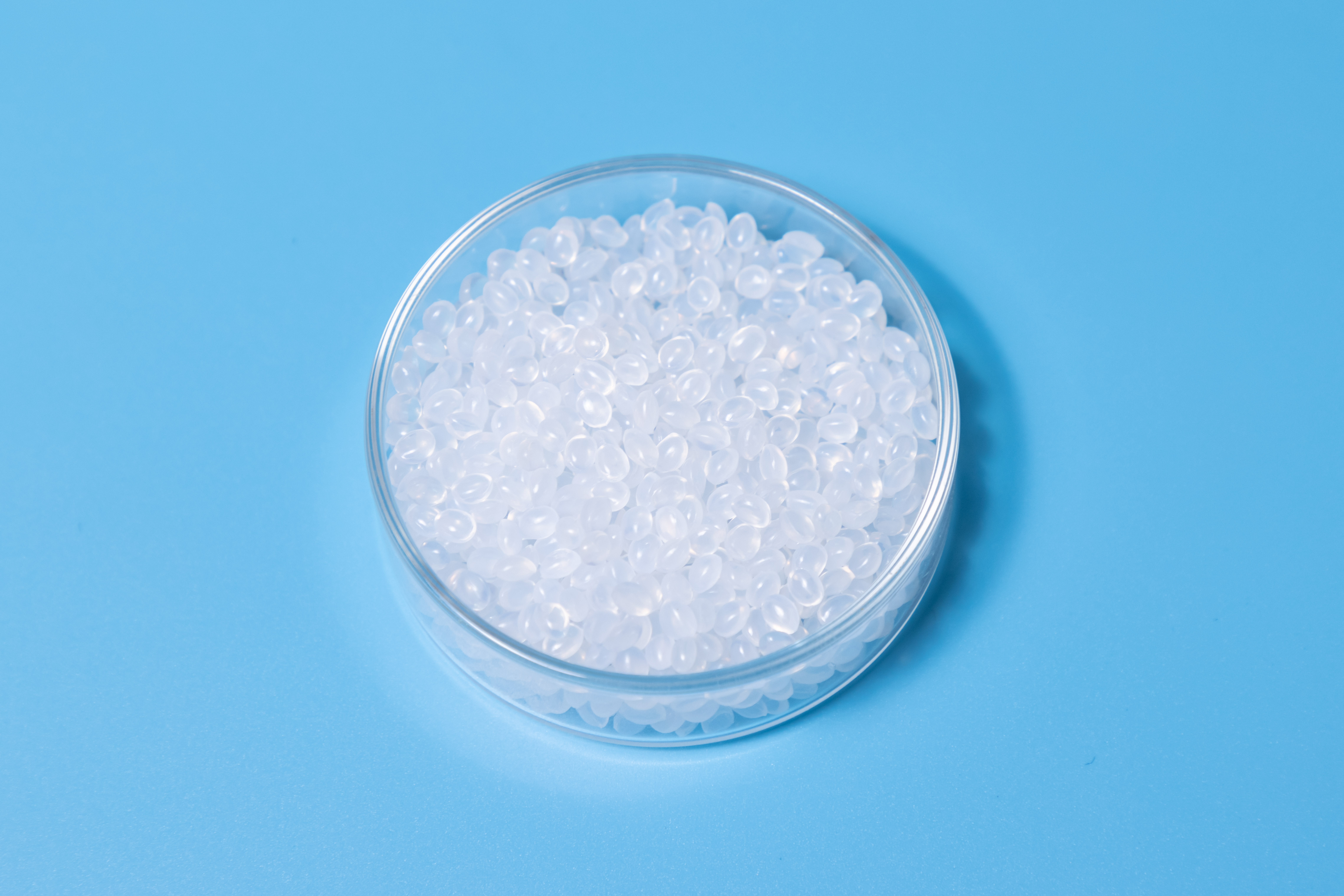
Figure 1: KETONG’s polyester series toughener KT‑3502 (GMA Low, MFR 2.5‑3.5) is one of many grades designed for specific modification needs.
Technical Framework: How MAH Grafting Enables Project‑Specific Performance
Maleic anhydride grafting introduces polar functional groups onto non‑polar polymer backbones. When blended with engineering plastics such as nylon, PET, or EVOH, the MAH groups react with amine or hydroxyl end‑groups, forming covalent bonds that dramatically improve interfacial adhesion, impact strength, and thermal stability. Key parameters that define a project‑suitable grade include:
- MAH content: Low (<0.4%), medium (0.4–0.8%), high (>0.8%), or extra‑high (≥4.0%). Higher MAH increases reactivity but may lower melt stability.
- Melt flow rate (MFR): Ranges from <0.2 g/10 min (high molecular weight, good toughness) to >100 g/10 min (high flow for injection molding).
- Base polymer type: PP‑g‑MAH for polyolefin alloying; POE‑g‑MAH for nylon toughening; ABS‑g‑MAH for PC/ABS blends; PE‑g‑MAH for adhesive tie layers; EVA‑g‑MAH for flexible film compatibilization.
KETONG offers distinct model series—such as the KT‑1 family for PP compatibilization, the KT‑915 series for nylon toughening, and the KT‑NJP/Low‑Odor LEP grades for low‑VOC applications—each with documented parameters to facilitate accurate material selection.
Application Scenarios: From Laboratory to Production Line
KETONG’s products are specifically engineered for the modified plastics sector, functioning as additives for modified plastics. The company has supplied customers in countries including Australia, Canada, Switzerland, China, and others across Asia, Europe, and the Americas. Documented use cases include:
- Glass‑fiber‑reinforced PP: A modified polymer material manufacturer used KT‑1 (PP‑g‑MAH, MAH medium, MFR 90‑120) at a dosage of 3–5% for 20 tons of GF‑PP. The result was “remarkably enhanced impact resistance” with “greatly improved compatibility between materials.” The same project also validated KT‑1D and KT‑1H for higher‑MAH requirements.
- Low‑odor automotive interiors: Another client applied LEP‑1B (low‑odor PP‑g‑MAH, MAH high, MFR ≥80) for mineral‑filled polypropylene. The outcome: “low VOC emission and enhanced aging resistance,” meeting stringent interior air quality standards.
- Low‑temperature nylon toughening: A 20‑ton project used KT‑916K (MAH‑g‑elastomer, MAH high, MFR 9.0‑13.0 at 235°C/5kg) in reinforced nylon compounds. The product achieved “stable & reliable performance, low‑temperature resistant down to −50°C” and “significantly improved toughening effect.”
- Multi‑layer barrier films: For a food packaging adhesive layer, KT‑NJP2201 (PE‑g‑MAH, MAH low, MFR 1.0‑3.0) was applied in 21 tons. The result: “excellent adhesion to EVOH and PA, less gel spots and good transparency,” meeting barrier and food safety requirements.
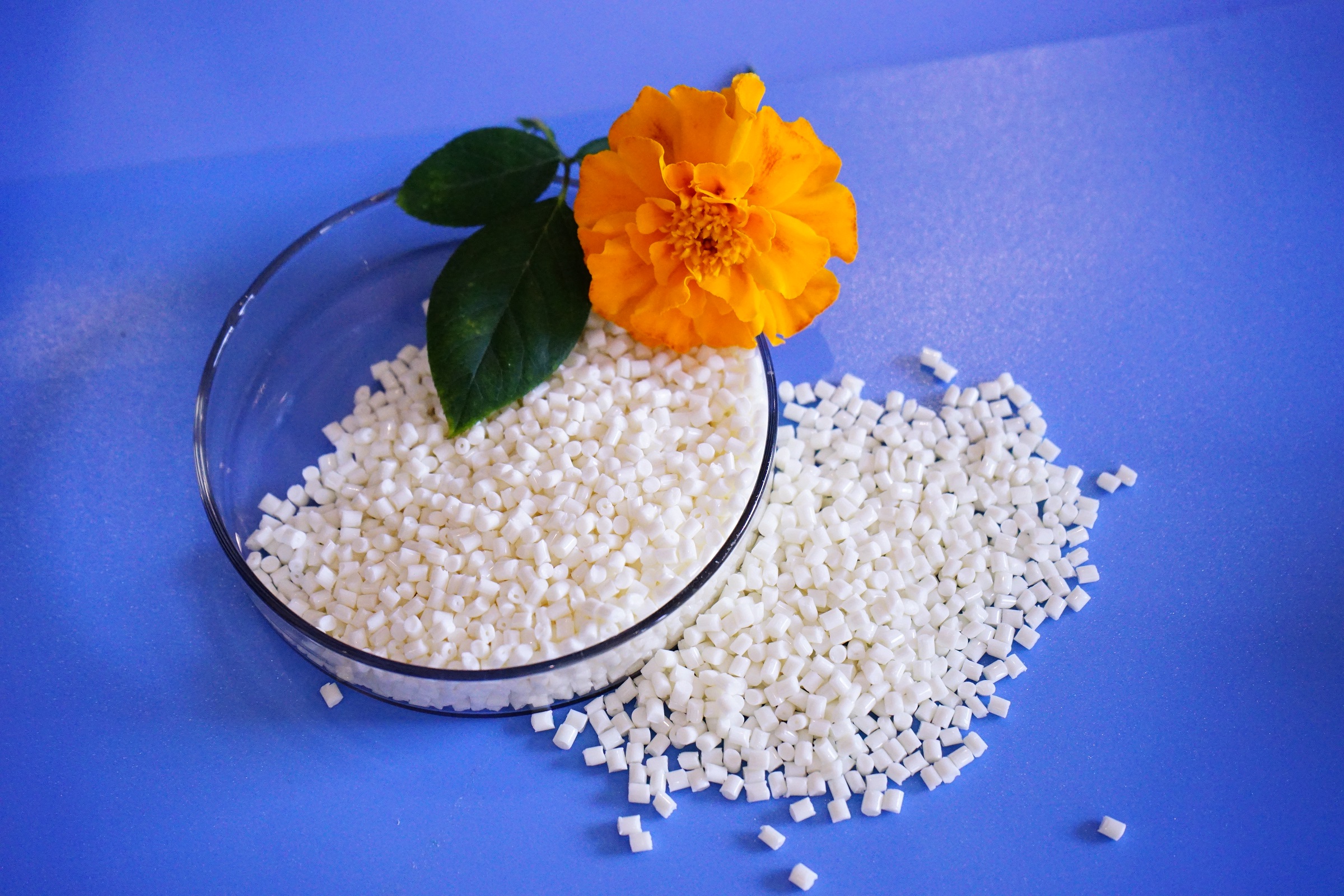
Figure 2: KT‑2M is a multi‑component copolymer compatibilizer designed to improve the compatibility of ABS and other polymers in advanced engineering blends.
Market Trend Analysis
Several macro trends are driving the adoption of project‑specific MAH‑grafted polymers. The automotive industry’s push toward weight reduction and electric vehicles (EVs) increases demand for high‑performance reinforced polypropylene and nylon compounds. Simultaneously, stricter global regulations on volatile organic compounds (VOCs) are pushing compounders to source low‑odor compatibilizers such as KETONG’s LEP series. In packaging, the shift to flexible, recyclable mono‑material structures requires adhesive resins that can bond dissimilar layers (e.g., PE/EVOH) while maintaining processability. KETONG’s product range directly addresses these needs by offering tailored MAH content, base polymer, and flow characteristics.
Comparison with Traditional Solutions
| Parameter | Traditional (Unmodified Elastomer/Coupling Agent) | KETONG MAH‑Grafted Polymer |
|---|---|---|
| Interfacial bonding | Physical entanglement only | Covalent reaction with polar polymers |
| Impact strength improvement | Moderate | Large (up to 10‑fold in nylons) |
| VOC/odor control | Often poor | Low‑odor grades available (LEP series) |
| Processing compatibility | Broad but unpredictable | Parameter‑defined for specific equipment |
| Cost per kg (indicative) | Lower | Higher, but reduces total formulation cost |
| Limitation | – | Requires precise compounding conditions; improper MAH level can cause crosslinking or phase separation |
While traditional solutions may offer a lower upfront material cost, they often fail to meet mechanical or regulatory targets without additional processing aids. KETONG’s additives, though requiring careful grade selection, can reduce overall system cost by eliminating secondary additives and improving first‑pass yield. One honest limitation is that the MAH‑grafted product’s performance is sensitive to moisture and processing temperature; the company recommends a shelf life of one year (unopened) and usage within three months after opening to avoid contamination.
Future Outlook
KETONG is well‑positioned to scale with the growing global demand for specialized polymer modifiers. The completion of its second factory in 2023, with a planned 10 production lines and 60,000‑ton annual capacity, provides the volume stability required for large‑contract supply. Continuous investment in R&D—evidenced by dozens of national patents and the ability to offer OEM, ODM, and customized formulations—suggests that the company will further expand into high‑growth niches such as biodegradable compatibilizers and ultra‑low‑odor grades for healthcare and food‑contact applications.
Frequently Asked Questions (FAQ)
- What countries are KETONG’s modified plastics additives typically applied in?
The products are typically applied in a wide range of countries including Australia, Canada, Switzerland, China, and many others across Asia, Europe, and the Americas. - For which industrial sector are KETONG’s MAH‑grafted polymers designed?
They are suitable for applications in the modified plastics sector. - What is the primary function of KETONG’s compatibilizers and toughening agents in plastic compounds?
They function as additives for modified plastics, improving compatibility, impact resistance, and adhesion. - Does KETONG offer low‑odor grades for automotive interior applications?
Yes. The LEP‑1B and LEP‑1K (low‑odor PP‑g‑MAH) grades have been used in mineral‑filled polypropylene projects, achieving low VOC emission and enhanced aging resistance. - What is the recommended storage condition for KETONG products?
Shelf life is one year when unopened with intact packaging; three months after opening, provided no contamination or moisture absorption occurs.
For a complete overview of KETONG’s product specifications, technical parameters, and company profile, download the corporate brochure:
KETONG Corporate Brochure (PDF)Have Questions or Need More Details?
Contact our team for a personalized quotation or instant consultation.
Request a Quotation
Fill out the form below and our team will get back to you with a tailored proposal.
WhatsApp Direct Chat
Prefer to chat in real-time? Message us on WhatsApp for instant assistance & quick answers.
- Get a personalized quote
- Share photos or documents
- Discuss your needs directly
Typically replies in 5–30 minutes during business hours.