
Selecting the Right Powder Coating for Construction Projects: A Technical Guide
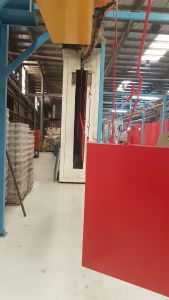
Architectural and decorative applications represent a major end-use segment for powder coatings, driven by demand for UV-resistant facades and window systems (Mordor Intelligence). Choosing the wrong coating for a specific building component can lead to premature failure, increased maintenance, and warranty claims. This article provides a technical framework for matching powder coating material to project requirements.
Problem / Opportunity
Conventional liquid paints used in construction emit volatile organic compounds (VOCs) and often require multiple coats. Powder coatings offer a solvent-free alternative with higher abrasion resistance and better edge coverage. However, their performance depends on careful selection of resin chemistry, gloss level, and curing parameters. Misalignment between coating type and working environment remains a common procurement pitfall.
Brand Solution
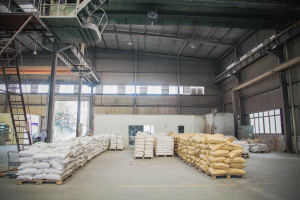
Hsinda (Chengdu Hsinda Polymer Materials Co., Ltd) is a manufacturer of thermoset powder coatings established in 2015, with an annual output of 5,000 tons and 8 advanced production lines. The company operates a factory in Chengdu, China, covering 10,000 m². Hsinda’s product portfolio ranges from Epoxy Powder Coating (pure epoxy, indoor, anti-corrosion) to Polyester Powder Coating, Epoxy Polyester Hybrid Powder Coating, Metallic Powder Coating, and specialty finishes such as Wrinkle, Hammer Tone, and Sandy Powder Coating.
The company offers both OEM and ODM services. OEM covers carton box, sample card, and logo customization with a minimum order quantity of 6 tons. ODM allows customers to specify color (RAL or Pantone), gloss (high-gloss >80%, semi-gloss 40–79%, matte 5–39%), texture (smooth, sandblasted, wrinkled, hammered, metallic, etc.), and special performance (weather resistance, corrosion resistance, antibacterial, anti-fingerprint) with a lower MOQ of 300 kg and typical lead time of 15–20 days.
Technical Explanation
All Hsinda polyester-based powder coatings share a core parameter set: particle size 32–42 μm, specific gravity 1.2–1.7 g/cm³, coverage 8–10 m²/kg at 30–90 μm film thickness, and curing at 180–200 °C for 10–15 min. Mechanical properties include impact resistance ≥50 kg/cm (ISO 6272-1:2017), bending ≤2 mm (ISO 1519:2002), and adhesion Grade 0 (ISO 2409:2020). For outdoor applications, the coatings achieve light retention >50 % after 500 hours of QUV exposure (ISO 11341:2004) and salt spray resistance ≥500 hours (ISO 7253:1996).
The specific resin system determines the application envelope. Pure epoxy (Epoxy Powder Coating) delivers maximum chemical and corrosion resistance, suitable for oil & gas pipelines, water supply systems, and industrial valves. Polyester and Hybrid formulations balance weather resistance and mechanical flexibility, making them the default for aluminum profiles, curtain walls, and home appliance enclosures. Metallic finishes use a bonding process to achieve a consistent shimmer effect on architectural elements such as window frames and sunrooms.
Special-effect variants add further engineering value. Wrinkle Powder Coating produces a textured, matte surface that hides minor surface defects, widely used on electrical cabinets and machinery housings. Hammer Tone Powder Coating imparts a dimpled metallic appearance, applied on security doors, radiators, and lighting fixtures. Sandy Powder Coating delivers a coarse, sand-like feel and is found on computer cases, server enclosures, and outdoor charging stations.
Application Use Cases
Home Appliance Upgrade (Air Conditioner): A Chinese home appliance manufacturer sourced powder coating for both indoor and outdoor units, operating at −10 °C to 30 °C (indoor) and −30 °C to 45 °C (outdoor). The coating was required to withstand salt spray tests for over 500 hours while providing impact and scratch resistance during transport and daily use. Hsinda’s Polyester Powder Coating with weather-resistant formulation was selected, meeting the durability and outdoor service life requirements.
Industrial Engineering Shelving (Colombia): A Colombian warehousing solutions provider required 100 tons of powder coating for industrial racks and mezzanines operating in humid conditions. The coating needed to resist corrosion and maintain color stability for a minimum of 10 years. Hsinda supplied a custom RAL color Epoxy Polyester Hybrid system, which achieved zero VOC emissions and impact resistance more than three times higher than liquid paint alternatives.
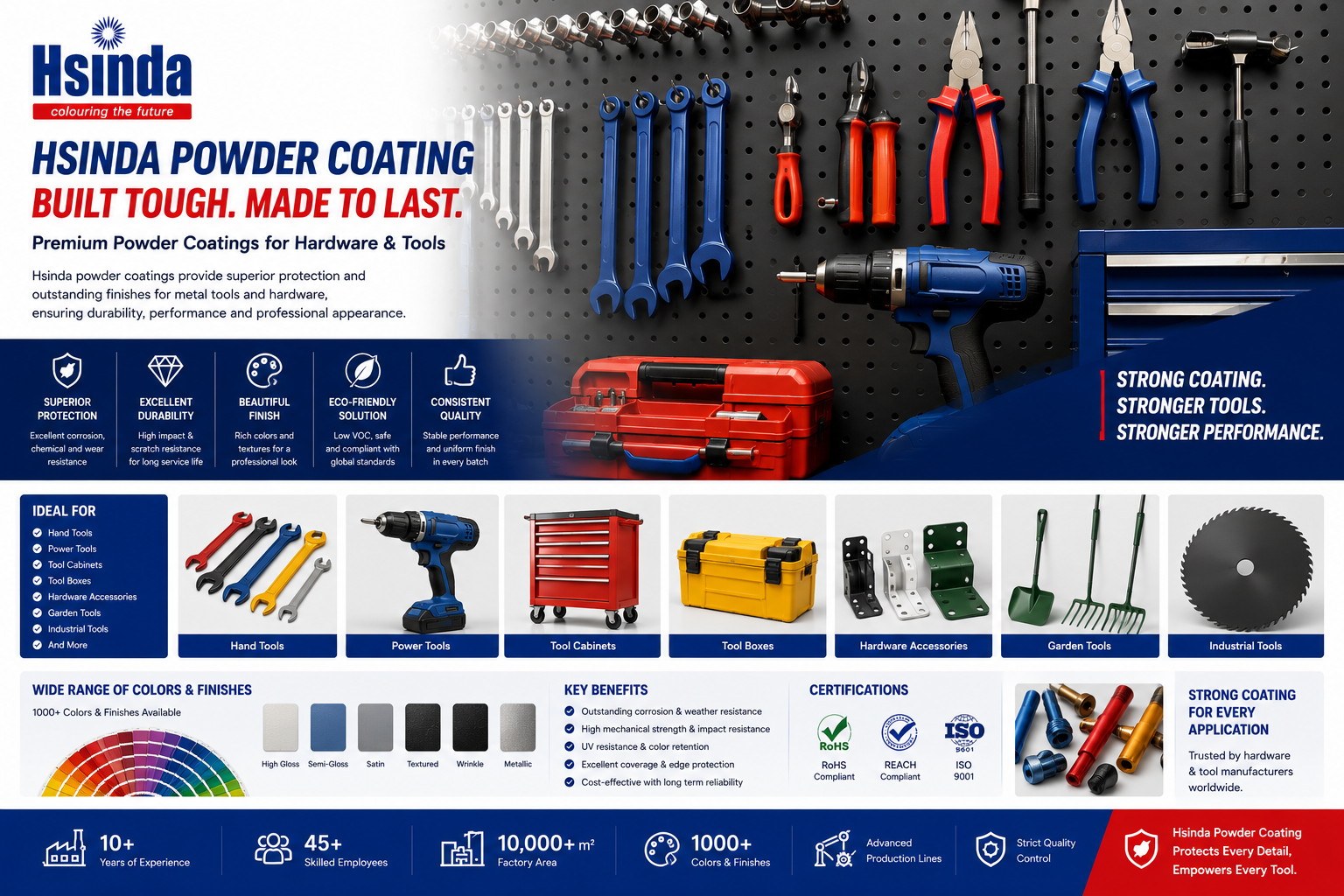
Hardware Tool Manufacturer (Mexico / USA): Over 1,000 tons of specialized powder coating were delivered over a 5‑year period for agricultural and gardening tools, including wrenches, post hole diggers, wheelbarrows, and shovels. The coating provided rust prevention and abrasion resistance in harsh outdoor excavation environments. Hsinda’s ODM service enabled the customer to match specific RAL colors and gloss levels while maintaining 100 % quality testing.
Market Trend Analysis
Thermoset powder coatings, including epoxy and polyester resins, dominate the market with a 76.6 % share in 2026 due to their durability and corrosion resistance (Coherent Market Insights). The global powder coatings market is projected to reach USD 18.5 billion by 2033 (Grand View Research). Architectural and decorative applications are the largest end-use segment. Meanwhile, China’s coating industry exported 334,800 tons in 2024, a year-on-year value increase of 18.65 % to USD 1.065 billion (China Coatings Industry Association). These trends underscore the growing demand for customized, high‑performance powder coatings in international construction and decoration projects.
Comparison with Traditional Solutions
Compared to liquid paint, powder coating eliminates VOC emissions, reduces application time (single coat), and provides superior mechanical properties (impact, scratch, salt spray resistance). However, powder coating has one honest limitation: color matching between batches is more challenging than with liquid systems, especially for metallic and textured finishes. Hsinda addresses this with a bonding system for metallics and a strict 100 % quality control protocol, but specifiers should still request advance sample approval when project aesthetics are critical.
Future Outlook
As building performance codes tighten and sustainability requirements increase, powder coatings will continue to displace liquid alternatives across residential and commercial construction. Growth areas include low‑temperature curing (enabling coating of heat‑sensitive substrates), anti‑bacterial surfaces for healthcare and food‑processing facilities, and UV‑resistant metallics for exterior architectural features. Hsinda’s R&D team of 11 engineers and its capability to develop custom textures and functional properties position the company to serve evolving project specifications in global markets.
Frequently Asked Questions
A: The coatings are compatible with tribo guns or electrostatic spray guns (manual or automatic lines). A curing oven operating at 180–200 °C for 10–15 minutes is required.
A: Yes, partially antibacterial formulations are available that inhibit bacterial growth in environments such as hospitals and kitchens. The coating is designed for high humidity and dusty conditions.
A: Polyester-based products are tested per ISO 11341:2004 using 340‑lamp QUV for 500 hours; light retention exceeds 50 % with no powdering. Natural aging tests in Florida show gloss retention >50 % after one year.
A: Yes, ODM service allows matching of any RAL or Pantone color. The minimum order quantity for custom colors is 300 kg, with 15–20 days lead time.
A: Every batch undergoes 100 % testing for gloss, impact, bending, cupping, adhesion, hardness, and salt spray resistance. The factory is ISO 9001 and ISO 14001 certified.
Have Questions or Need More Details?
Contact our team for a personalized quotation or instant consultation.
Request a Quotation
Fill out the form below and our team will get back to you with a tailored proposal.
WhatsApp Direct Chat
Prefer to chat in real-time? Message us on WhatsApp for instant assistance & quick answers.
- Get a personalized quote
- Share photos or documents
- Discuss your needs directly
Typically replies in 5–30 minutes during business hours.