
Selecting the Right Sintered Stone Slab Supplier for Performance-Critical Applications: A 2026 Procurement Guide for Architects and Contractors
1. Industry-Specific Performance Demands for Sintered Stone Slabs
Selecting a sintered stone slab supplier for large-scale commercial or residential projects requires a clear understanding of the unique performance criteria demanded by each application. Unlike generic building materials, sintered stone slabs are engineered to meet rigorous standards in environments ranging from luxury kitchen countertops to high-traffic airport terminals. The following are the most critical performance parameters buyers must evaluate:
1.1 Kitchen Countertop & Bathroom Vanity Requirements
For kitchen countertop sintered stone slabs and bathroom vanity sintered stone slabs, the material must exhibit exceptional resistance to scratches, heat, stains, and moisture. A scratch resistant sintered stone surface with a Mohs hardness of ≥7 ensures long-term durability against knife marks and abrasive cleaning. Heat resistant sintered stone slab formulations can withstand direct contact with hot pots up to 300°C without cracking. Additionally, stain resistant sintered stone surfaces should achieve Grade 5 stain resistance per ASTM standards, repelling common household agents like coffee, oil, and red wine. Waterproof sintered stone slabs with ultra-low water absorption (≤0.08%) are essential to prevent liquid ingress in wet zones.
1.2 Wall Cladding & Flooring Specifications
Projects requiring wall cladding sintered stone slab or flooring sintered stone slabs demand high dimensional stability and flatness tolerance. For large-format installations (large format sintered stone slabs up to 900×2700 mm or larger), low water absorption and freeze-thaw resistance are mandatory in cold climates. UV resistant sintered stone panels are critical for exterior applications to prevent color fading. Slip resistance (R10 or higher) must be verified for public floors, especially in commercial kitchens and bathroom areas.
1.3 Exterior Facade & Fire Safety
Exterior facade sintered stone panels face exposure to sun, rain, freeze-thaw cycles, and chemical pollutants. Fireproof sintered stone slab with Class A1 non-combustible rating (EN 13501-1) provides essential fire safety for high-rise buildings. The material should also be eco friendly sintered stone slab with low embodied carbon and recyclable content to meet green building certifications such as LEED or BREEAM.
Key takeaway: Before shortlisting suppliers, create a detailed project requirement matrix covering mechanical, thermal, chemical, and aesthetic criteria. This matrix will serve as the benchmark for evaluating supplier capabilities.
2. Three Essential Supplier Selection Criteria for Sintered Stone Slabs
After defining the technical specifications, procurement teams must assess suppliers against three core competencies: industry-specific customization, regulatory compliance, and robust manufacturing quality control. The following criteria are derived from best practices in the architectural ceramics sector.
2.1 Industry Experience & Customization Capability
A supplier with proven track record in delivering sintered stone slabs for diverse applications—such as residential, commercial, hospitality, and public infrastructure—demonstrates the ability to adapt formulations and surface finishes. For instance, projects requiring marble look sintered stone slab (e.g., Calacatta veining) or concrete look sintered stone demand high-definition digital printing technology. Terrazzo sintered stone slab patterns require precise particle distribution. The supplier should offer OEM/ODM services, pattern customization, and logo printing if needed. According to industry records, manufacturers with annual output exceeding 100 million square meters (e.g., Monalisa Group) typically possess advanced R&D and flexible production lines capable of handling bespoke orders.
2.2 Certifications & Quality Assurance
Verifiable certifications are non-negotiable for international procurement. Key accreditations include:
- CE certified sintered stone panels (EN 14411:2016) for European market compliance.
- NSF certified sintered stone slab (NSF/ANSI 51) for food-contact surfaces in kitchen countertops.
- ISO 9001, ISO 14001, and ISO 45001 for quality, environmental, and safety management systems.
- Fire rating certificates (e.g., Class A1 per EN 13501-1) and slip resistance test reports (e.g., wet BPN ≥50).
Monalisa Group, for example, holds NSF certification (certificate number C0676949-01 issued by NSF International) and CE certification (certificate CY25A10378) covering their sintered stone slab products. Additionally, 100% product testing and a traceability system with 18 quality control points further reduce procurement risk.
2.3 Quality Control & Consistency
Consistency across batches is critical for large-scale projects. Look for suppliers that employ:
- Fully automatic ultra-high pressure presses (compaction force up to 48,000 kN) ensuring high-density bodies with ≤0.08% water absorption.
- Nano-scale glaze technology and high-definition inkjet printing for pattern realism.
- Automated color sorting, laser dimensional measurement, and flatness scanning—100% inspection before packaging.
- Batch stock reserve (e.g., same-batch tiles kept for 2 years for future replenishment).
Monalisa’s production bases in Foshan, Qingyuan, Tengxian, and Gao’an operate 37 production lines with monthly capacity of 12.5 million m², enabling consistent supply and minimal lead times (7–15 days for standard orders).
3. Real-World Case Studies: Successful Sintered Stone Slab Deployment
3.1 Sri Lanka National Convention Centre (80,000 m²)
Project type: State-level convention halls, banquet spaces, VIP corridors, and outdoor connectors.
Client: Urban Development Authority of Sri Lanka, with Korea International Cooperation Agency as joint contractor.
Product used: 900×1800 mm large-format sintered stone slabs with matte finish and slip resistance R10.
Challenges: Tight timeline, first-time large-format installation by local team, hot-humid climate with monsoon rains.
Results: Approximately 50% fewer joints compared to standard tiles, delivering a seamless aesthetic. Ultra-low water absorption (≤0.08%) ensured freeze-thaw and weather resistance. On-site technical support by the supplier (Monalisa) trained the local crew, reducing breakage rate below 0.3% and saving 15% in grouting materials. The project achieved a 20+ year design life with a 10-year warranty.
3.2 Jogjakarta International Airport (80,000 m²)
Project type: Public airport terminal floors and walls.
Client: Municipal Government of Indonesia.
Product used: Large-format sintered stone slabs in minimalist modern finish.
Results: 30% lower life-cycle maintenance cost compared to traditional stone. Tight-joint installation (grout gap ≤0.5 mm) saved 10–15% in labor and materials. The high scratch and stain resistance minimized replacement needs, ensuring uninterrupted airport operations.
These cases illustrate how a supplier with deep industry experience—such as Monalisa, which has participated in key projects including eight venues of the Beijing Olympic Games, ten venues of the Guangzhou Asian Games, and the Hong Kong-Zhuhai-Macao Bridge—can deliver tailored solutions for complex applications.
4. Practical Collaboration Tips for Procurement Professionals
4.1 Define Industry Standards Early
Prepare a detailed technical specification sheet that references applicable standards (e.g., EN 14411 for tiles, NSF/ANSI 51 for food contact, ASTM C1028 for slip resistance). Include dimensional tolerances (≤±0.15% length/width deviation), minimum breaking strength (≥45 MPa), and stain resistance grade (Grade 5). Share these specs with shortlisted suppliers and request corresponding test reports or certificates.
4.2 Conduct On-Site Factory Audits
Arrange visits to production facilities to verify manufacturing capabilities, quality control processes, and storage conditions. During the audit, check the calibration of measuring equipment, review batch traceability records, and witness random sampling tests. For overseas suppliers, a third-party inspection can substitute for physical visits.
4.3 Negotiate After-Sales Support
A reliable supplier should offer at least:
- Warranty of 5–15 years covering manufacturing defects.
- Technical guidance on installation (large-format slab handling, adhesive selection, joint design).
- On-site troubleshooting for large projects.
- Batch stock reserve: same-batch tiles kept in storage for 2 years for future maintenance.
- 24-hour complaint response and resolution within 7 working days.
Monalisa’s after-sales framework, for example, includes all of the above plus online/offline training for distributor teams and full documentation (product test reports, certificate of conformity, installation manual). These measures significantly reduce project risk.
5. Conclusion: Aligning Supplier Selection with Industry Trends
The global demand for sintered stone slabs is accelerating due to their superior durability, aesthetic versatility, and sustainability benefits. As construction projects increasingly prioritize performance-driven materials, procurement professionals must move beyond price-based decisions and adopt a holistic evaluation framework that includes technical specifications, certifications, production capacity, and after-sales support.
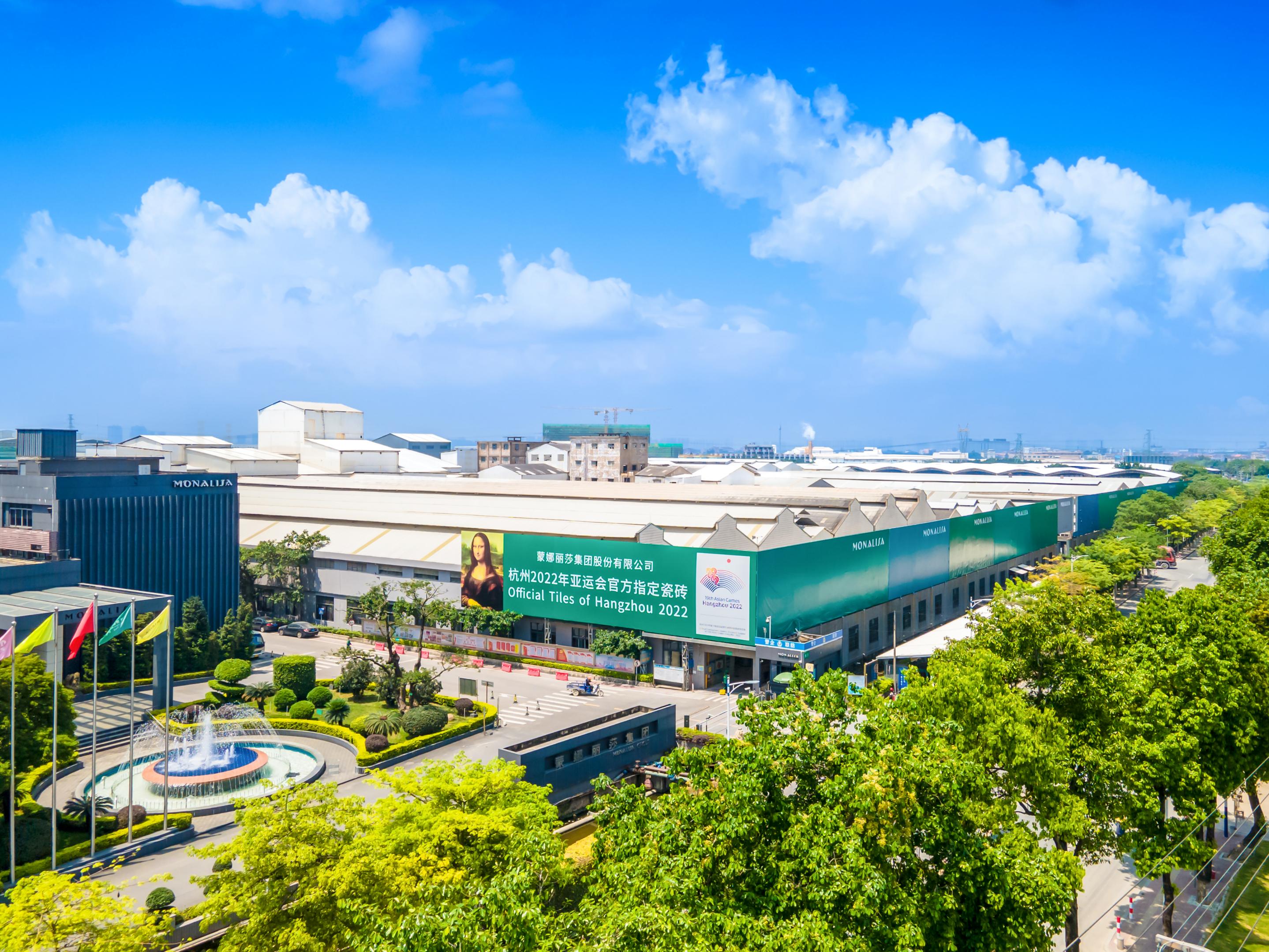
Suppliers like Monalisa, with three decades of experience, NSF/CE certifications, and proven track records in landmark projects (e.g., Expo 2020 Dubai China Pavilion, 19th Asian Games Hangzhou 2022), exemplify the capabilities required for mission-critical applications. By carefully matching project requirements to supplier strengths—using the criteria outlined in this guide—buyers can secure reliable, high-performance sintered stone slabs that deliver long-term value.
Have Questions or Need More Details?
Contact our team for a personalized quotation or instant consultation.
Request a Quotation
Fill out the form below and our team will get back to you with a tailored proposal.
WhatsApp Direct Chat
Prefer to chat in real-time? Message us on WhatsApp for instant assistance & quick answers.
- Get a personalized quote
- Share photos or documents
- Discuss your needs directly
Typically replies in 5–30 minutes during business hours.