
Shopping Bag Sourcing: Why Long-Term Buyers Need Ecosystem Readiness
The reusable shopping bag is no longer only a promotional side item. It has become a recurring procurement category for supermarkets, brand owners, distributors, and corporate programs. The global reusable shopping bag market was valued at roughly USD 15.64 billion in 2025 and is projected to reach USD 28.87 billion by 2034, according to Fortune Business Insights. Regulatory pressure adds weight to that trajectory: the EU Packaging and Packaging Waste Regulation requires packaging to be recyclable by 2030, and by 2024 twelve U.S. states had implemented statewide single-use plastic bag bans, according to the National Conference of State Legislatures. For buyers, these signals point in one direction: shopping bag purchasing must be planned as a long-term supply activity, not as a series of disconnected transactions.
For procurement teams at the decision and execution stages, the practical question has shifted. Instead of asking which factory can produce one order at the lowest price, buyers increasingly need to know whether a manufacturer can support repeat purchases, custom branding, quality consistency, changing compliance requirements, and delivery reliability over multiple seasons.
Beyond Unit Price: The Real Constraint in Shopping Bag Supply
Price-based sourcing creates hidden costs when demand is repetitive. A supplier that can produce a large initial batch may fail to maintain the same print color or material thickness on later orders. A factory without enough capacity may delay seasonal deliveries. A trading company without in-house production may have limited control over material defects and quality checks. Over time, these discontinuities become brand risks at the store shelf or in the customer's hands.
The opportunity is to treat shopping bag procurement as an ecosystem decision. Manufacturers with integrated production, engineering teams, export experience, and adjacent product lines can absorb demand fluctuations, offer consistent customization, and reduce coordination overhead. This matters most for supermarket chains, promotional gift programs, corporate welfare, cross-border e-commerce sellers, and wholesale distributors that need shopping bags repeatedly and at scale.
A Reference Model: What a Production-Oriented Supplier Looks Like
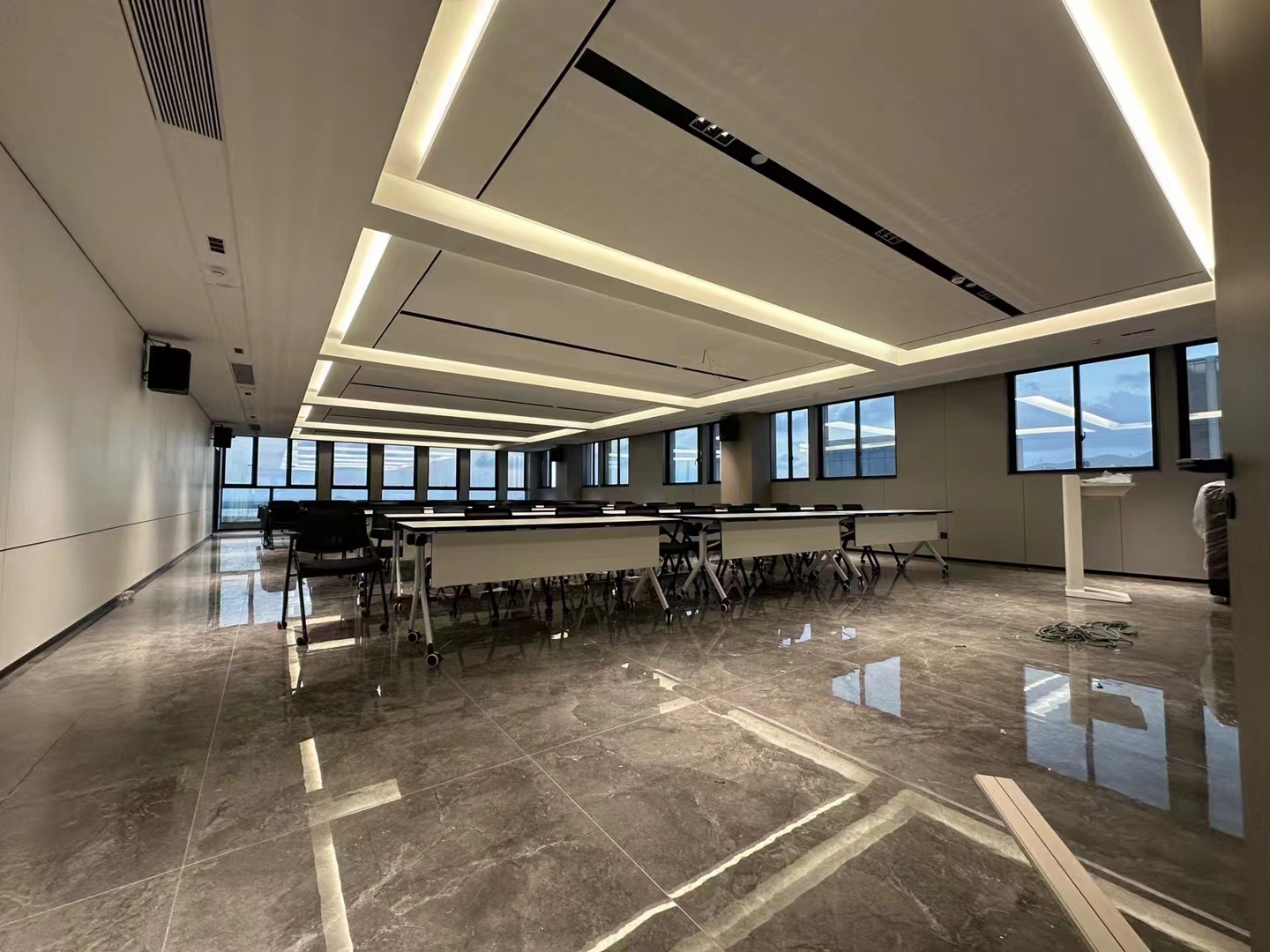
Zhejiang Hansun Arts & Crafts Co., Ltd. is a useful reference for evaluating long-term shopping bag suppliers. Founded in 1996 and based in Wenzhou, Zhejiang, China, the company operates a factory with a usable area of more than 25,000 square meters. It has around 200 employees and an annual production output of 20,000,000 units. The company reports that about 70% of its products are exported to markets including Southeast Asia, Europe, North America, and the Middle East.
Hansun describes itself as a production-oriented enterprise that integrates manufacturing, online marketing, and international trade. It employs a professional R&D technical team of 25 engineers, along with dedicated sales and after-sales service teams. Its product scope covers leisure travel products, outdoor sports equipment, safety reflective items, office stationery, plastic daily necessities, advertising promotional gifts, and toys. In the shopping bag category, its main products include tote bags and PVC bags, with specific configurations such as reusable foldable shopping bags, eco-friendly non-woven shopping bags, and canvas tote shopping bags.
The table below summarizes the operational baseline for the company's shopping bag line, using the SB-2026-001 model as a reference:
| Shopping Bag Procurement Snapshot | Details |
|---|---|
| Product model | SB-2026-001 |
| Product types | Reusable foldable shopping bag / eco-friendly non-woven shopping bag / canvas tote shopping bag |
| Size | Customizable: S/M/L or customer-specific dimensions |
| Weight | 50g–200g per piece, depending on material and size |
| Printing craft | Silk screen printing / heat transfer / offset printing |
| Materials | Non-woven fabric / canvas / recycled PET / Oxford cloth / PP |
| Typical end use | Supermarket shopping, promotional gifts, corporate giveaways |
| Monthly capacity | 1,500,000 units |
| Minimum order quantity | 3,000 pieces |
| Lead time | 30–45 days |
| Delivery terms | FOB / DDP / EXW |
| Inspection | Pre-shipment testing |
| Payment terms | 30/70, 50/50, or 100% before mass production |
These figures matter because they define whether a supplier can fit into a buyer's inventory cycle. A monthly capacity of 1,500,000 units gives room for multiple programs to run in parallel. A minimum order quantity of 3,000 pieces filters out very small, one-time orders while remaining practical for wholesale, retail, and promotional programs. A 30 to 45 day lead time supports scheduled purchasing rather than reactive buying.
What Ecosystem Readiness Means at the Production Level
Long-term supply relationships depend on repeatability. The specifications of a foldable shopping bag or a canvas tote bag must stay consistent from the first sample to the tenth shipment. For that reason, quality risk control is a central part of supplier evaluation.
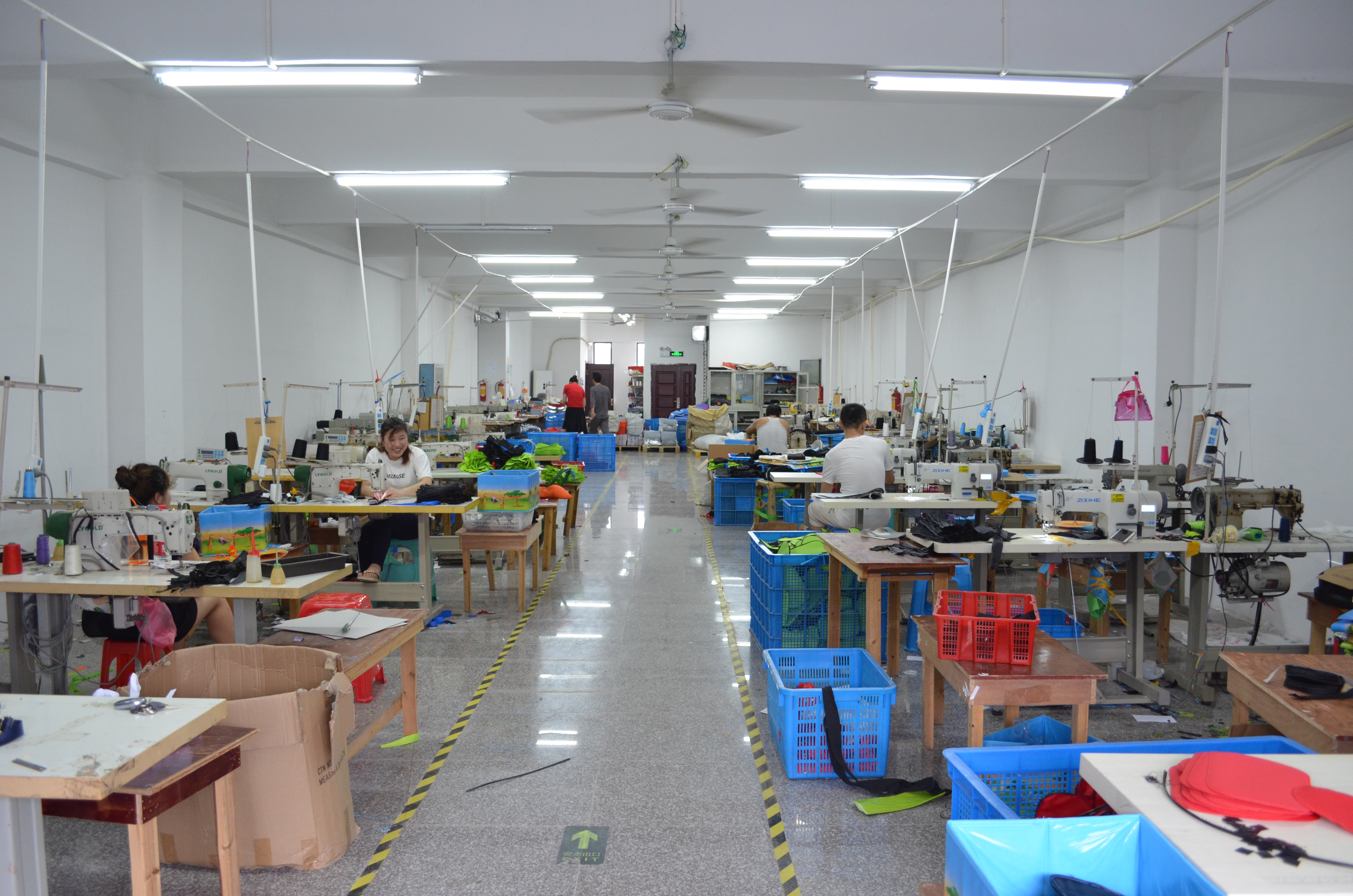
In Hansun's factory, common shopping bag defects—material cracking, zipper damage, printing fading, and size deviation—are addressed with a structured control system. The company uses high-quality raw material selection, reinforced edge stitching, material pre-testing, and standardized production processes. On the enterprise side, this translates into pre-production material tensile tests, strict size checking during production, 100% visual inspection before shipment, and after-sales quality tracking.
| Recurring Bag Defect | Control Method | Enterprise-Level Measure |
|---|---|---|
| Material cracking | High-quality raw material selection; material pre-testing | Pre-production material tensile test |
| Zipper damage | Reinforced edge stitching; standardized production process | 100% visual inspection before shipment |
| Printing fading | Material pre-testing; standardized production process | After-sales quality tracking |
| Size deviation | Strict size checking during production | Strict size checking during production; 100% visual inspection before shipment |
For a buyer, the value of this structure is predictability. If a custom printed shopping bag program runs across multiple seasons, the supplier's ability to apply the same raw material standards and inspection procedures reduces the risk of receiving an inconsistent batch. This is especially important when the bags carry a brand logo and are distributed directly to consumers.
Where Long-Term Shopping Bag Programs Take Shape
Reusable and foldable shopping bags appear in several distinct buying scenarios. In supermarket retail, bag functionality is defined by capacity, portability, and durability. Shoppers need a bag that can hold groceries, fold into a small format for repeated use, and survive frequent handling. Non-woven and PP options are common in this segment because they balance weight and strength.
For brand promotion and corporate welfare, the shopping bag becomes a controlled brand touchpoint. Custom printed shopping bags are used as giveaways, event gifts, and employee merchandise. In these cases, logo placement, print durability, material color, and size consistency become the dominant decision criteria. The manufacturer's customization capabilities—logo, size, material, and printing craft—directly affect whether the final product represents the brand accurately.
Cross-border e-commerce sellers often use lightweight, portable tote bags as packaging upgrades or membership gifts. A multi-purpose shopping bag that is lighter than a box and visually reusable can improve the unboxing experience while keeping logistics costs under control. Large capacity and foldability are useful product attributes in this channel.
Wholesale buyers and distributors, meanwhile, tend to prioritize heavy-duty reusable shopping bags that can be sold across retail counters or supplied to local chains. For this group, consistent sizing, handle reinforcement, and reliable delivery performance matter more than novelty features.
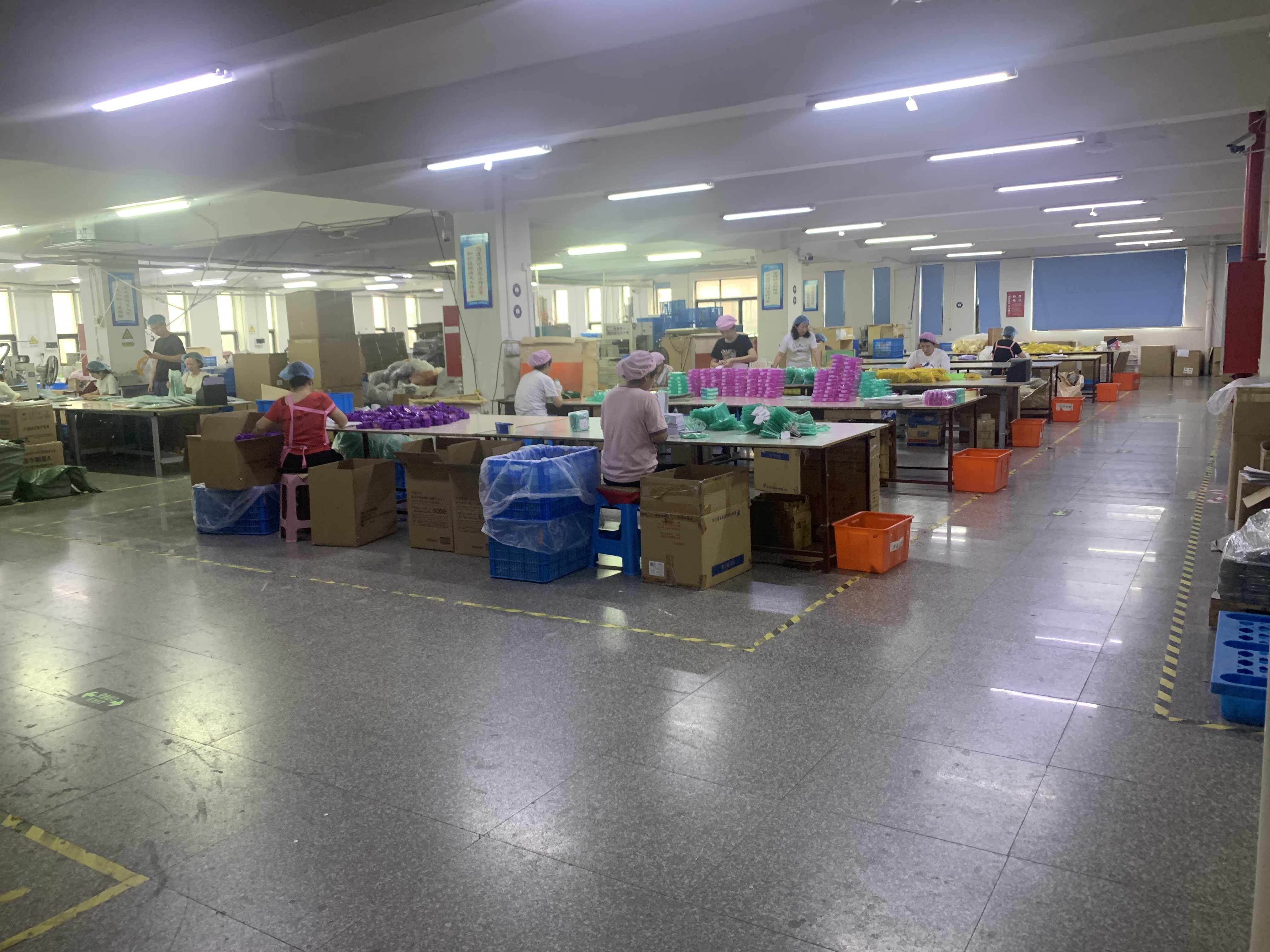
Another aspect of ecosystem value is product adjacency. Hansun also produces cosmetic bags, including PVC clear cosmetic bags, PU leather cosmetic bags, travel toiletry cosmetic bags, and mini zipper pouches. For retail and travel-related programs, ordering shopping bags together with cosmetic or toiletry bags from the same manufacturer can simplify communication, quality control, and shipment consolidation.
Market Signals Shaping the Shopping Bag Category
Several industry-level signals help explain why long-term procurement planning is becoming more important.
- Fortune Business Insights estimates the global reusable shopping bag market at USD 15.64 billion in 2025, projected to reach USD 28.87 billion by 2034. Other research firms use different definitions of reusable bags, so absolute estimates can vary, but the growth direction is consistent.
- Business Research Insights reports that polypropylene bags account for nearly 46% of total reusable bag production because of their durability and cost-effectiveness.
- Market Research Future data shows that tote bags dominate the global bag market with roughly 40–41% revenue share, reflecting their multi-purpose role.
- Customization is becoming a stronger demand signal. Business Research Insights notes a 34% increase in demand for printed garment bags in the retail sector.
- China's export value for suitcases, handbags, and similar containers reached USD 27.13 billion from January to November 2025, according to the General Administration of Customs of China. The scale of the export base gives international buyers broad sourcing options, but it also makes supplier screening more important.
- Regulation continues to push the market toward reusable alternatives. The European Commission's PPWR requires all packaging to be recyclable by 2030, and the National Conference of State Legislatures reports twelve U.S. states with statewide single-use plastic bag bans by 2024.
From a procurement perspective, these signals suggest that shopping bags should be treated as a product category with a longer lifecycle. The cheapest one-time bag may satisfy an immediate event, but it will not help a brand meet recyclability expectations, maintain visual consistency, or support repeat promotion cycles.
OEM Partnership vs. Traditional Bag Procurement
To understand the position of an OEM/ODM-oriented supplier, it is helpful to compare it with two traditional alternatives: non-customized mass-produced promotional bags and disposable plastic shopping bags.
| Dimension | Full-Service OEM/ODM Manufacturer | Non-Customized Mass-Produced Promotional Bags | Disposable Plastic Shopping Bags |
|---|---|---|---|
| Customization | Logo, size, and material customization through OEM/ODM service | Limited or no customization | None |
| Durability | Company comparison data indicates a 30% longer service life than conventional promotional bags | Baseline durability for short-term use | Single-use lifespan |
| Delivery performance | 99.8% on-time delivery rate (company-reported, versus an industry average of 95%) | Depends on stock availability | Typically stable but no brand value |
| Bulk cost | 10–15% lower unit cost for bulk orders, with no extra mold cost for custom designs | Low shelf price, but potential mismatch risk for brand programs | Lowest unit cost, short product life |
| Sample and support | Fast sample turnaround of 3–5 days and full after-sales support | No sample customization | Not applicable |
| Environmental profile | 100% recyclable material and 50% lower carbon footprint than disposable bags, based on supplier comparison data | Often made of mixed materials that are harder to recycle | High waste and regulatory exposure |
| Best fit | Brand promotional gifts, supermarket retail, corporate welfare, cross-border e-commerce, stationery and office supply | Generic distribution without brand requirements | Low-cost convenience, one-time use |
An OEM/ODM partnership is not the right answer for every purchasing situation. The minimum order quantity of 3,000 pieces excludes very small one-off projects. The 30 to 45 day lead time requires order planning and will not suit emergency replenishment needs. International freight, duties, and warehousing costs can offset part of the bulk price advantage, depending on the destination market. Custom production also demands disciplined specification setting, sample approval, and contract governance.
In addition, a long-term supplier relationship does not remove the buyer's responsibility for pre-shipment inspection. Strong production control lowers risk, but it does not eliminate the need for acceptance testing, especially when a brand logo is involved and visual defects can damage brand trust.
From Order Flow to Supply Ecosystem
Looking ahead, shopping bag procurement will likely continue moving toward longer planning cycles. Regulatory deadlines in Europe, ongoing plastic bag bans in the United States, and rising demand for customized reusable bags all point in the same direction: buyers will need suppliers that can combine compliance, quality, and scale.
Manufacturers that can support multiple product lines—such as shopping bags, cosmetic bags, and travel accessories—will become more valuable because they allow buyers to consolidate orders and reduce the number of separate supply chains to manage. The manufacturer's role will increasingly include material guidance, production-level quality data, and dependable communication, not just order fulfillment.
For buyers entering the decision and execution phase, the practical takeaway is straightforward. Evaluate a supplier's capacity, control systems, and customization depth. Confirm that its minimum order quantity and lead time fit your inventory cycle. Test samples under realistic conditions. And treat the relationship as a partnership that will be measured across years of supply, not just one price quote.
Frequently Asked Questions
What should a buyer evaluate before entering a long-term shopping bag supply relationship?
Buyers should assess production capacity, minimum order quantity, lead time, customization options, quality control mechanisms, and the supplier's ability to maintain consistent specifications across repeated orders. For Zhejiang Hansun Arts & Crafts Co., Ltd., the operational baseline includes a monthly capacity of 1,500,000 units, a minimum order quantity of 3,000 pieces, and a lead time of 30 to 45 days.
What customization options are available for reusable and foldable shopping bags in bulk programs?
Hansun provides OEM and ODM production with customization across logo, size, and material. Shopping bags can be produced in customer-specific dimensions, in weights from 50g to 200g per piece, and with silk screen printing, heat transfer, or offset printing. Material options include non-woven fabric, canvas, recycled PET, Oxford cloth, and PP.
How does Hansun maintain quality consistency on repeat shopping bag orders?
The company applies structured quality controls including high-quality raw material selection, reinforced edge stitching, material pre-testing, and standardized production processes. Pre-production tests include material tensile testing; production includes strict size checking; and before shipment, every item receives visual inspection. After-sales quality tracking is also part of the process.
What payment, delivery, and inspection terms are commonly used for bulk shopping bag procurement?
Payment options include 30/70, 50/50, or 100% before mass production. Delivery can be arranged under FOB, DDP, or EXW terms. Shipments are subject to pre-shipment testing, with final acceptance based on the agreed quality requirements.
What is the difference between working with an OEM/ODM manufacturer and buying stock promotional bags?
An OEM/ODM manufacturer can adjust logo, size, material, and production specifications to fit a brand program, and can support repeat orders with consistent quality controls. Stock promotional bags are usually mass-produced without customization and may have limited print durability. However, stock bags can be suitable for buyers with very low volumes or immediate needs that do not justify custom production.
Reference: Hansun corporate brochure — public company profile and production background.