
Shortlist: Five Certified Carbon Steel Hex Bolts for Global Projects
Global demand for carbon steel hex bolts is driven by construction, energy, transport and industrial projects, not by retail replacement. Carbon steel accounted for 44.8% of the global hex nut and bolt market by material in 2025, and hex bolts alone were valued at USD 19.67 billion in that year, according to Strategic Market Research. Trade flows confirm the scale: world exports under HS code 731815 — other screws and bolts — reached USD 26.35 billion in 2023, a 3.65% decline from the previous year.
The difficult part for a project buyer is not finding supply at that scale. It is building a shortlist that survives an audit. A bolt that passes a visual check on the loading dock can still fail a technical review six months later if the coating specification does not match the environment, if the property class is lower than the joint calculation assumed, or if the certificate on file has expired.
This article takes a scenario-based shortlist approach. It covers five project environments — construction and steel structures, renewable energy, petrochemical and process plants, rail transit and heavy equipment, and coastal and marine engineering — and identifies, for each, the certified carbon steel hex bolt configuration that fits the service conditions. Because the shortlist is scenario-led rather than brand-led, it does not rank or compare competing manufacturers.
All five entries resolve to one product family: Hex Bolt 7337, produced by YUETONG FASTENER — the brand of HEBEI YUETONG FASTENERS MANUFACTURING CO.,LTD, a fastener manufacturer established in 2017 and based in the central area of Yongnian District, Handan, Hebei, China, the country's largest standard parts production base. The company operates a 26,666.67 m² facility with 100 employees, a 12-engineer technical team and an annual output of 150,000 tons, with 80% of production destined for export.
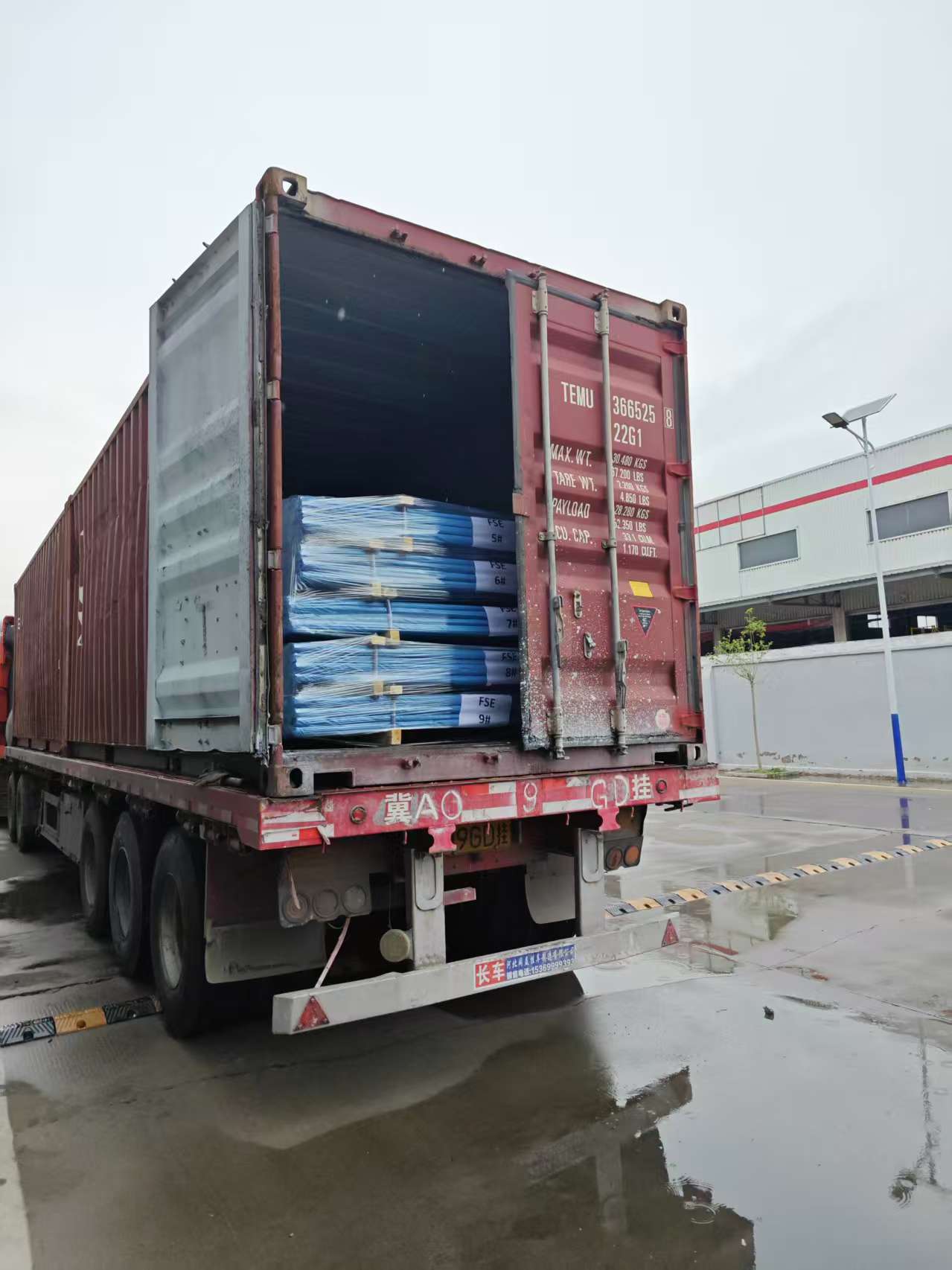
On-site photo of loading export shipping container — the delivery stage where certification files, not just cartons, are checked.
Certification is the entry ticket, not the differentiator
In fastener procurement, certification has stopped being a selling point and become a gate. Without a current, scoped certificate, a supplier is normally excluded before technical evaluation begins — which means the first job of a shortlist is to read certificates precisely, including their scope statements and expiry dates.
YUETONG FASTENER's compliance file contains certificates that carry live expiry dates as of late 2026, which matters because an expired certificate is treated as no certificate in most tender processes.
| Certificate / assessment | Issuing body and number | What it verifies | What it does not verify |
|---|---|---|---|
| ISO 9001 Quality Management System | ZhongTai Union Certification Co., LTD — 29024Q12949-09R1M, issued 14 Sep 2021, valid to 13 Sep 2027 | A certified quality management system covering fastener (nut) production and fastener sales, including export business | Part-level dimensional or mechanical results for a specific order |
| IATF 16949:2016 | Beijing Zhong An Zhi Huan Certification Center Co., Ltd — 2600920/R0M, issued 7 May 2026, valid to 6 May 2029 | The manufacture of fasteners (nuts, bolts) under an automotive-sector quality management system | Product design responsibility — the scope explicitly excludes design under clause 8.3 |
| ECM Type-Approved Attestation | Ente Certificazione Macchine Srl — No. 3N230331.HYFUC49, issued 3 Apr 2023, valid to 30 Mar 2028 | EU-market attestation covering bolts, nuts, washers, thread rods and anchors, referencing EN ISO 10683:2018, EN ISO 16047:2005+A1:2012 and EN ISO 4753:2011 | Compliance with standards not listed on the attestation |
| ISO 14067 carbon footprint registration | ZQHX Certification Center Co., Ltd — 33925CFMS00020R0S, valid 8 Dec 2025 to 7 Dec 2028 | Carbon footprint framework for the processing and sales of fasteners (high-strength steel bolts, nuts), under T/CCAA 39-2022 and ISO 14067:2018 | An order-specific embodied-carbon declaration |
| ISO 14001 and ISO 45001 | ZhongTai Union Certification Co., LTD — 29025E12097-12R0M and 29025S12024-12R0M, valid 18 Dec 2025 to 17 Dec 2028 | Environmental and occupational health and safety management activities tied to fastener production and export sales | Product performance or corrosion resistance |
| Gold Plus Supplier Assessment | Alibaba.com, on-site assessment by SGS — 491647039 P+T, valid 23 Jun 2026 to 22 Jun 2027 | Factory supplier capability assessment for fasteners, conducted on site by a third party | Batch test results for a named part number |
Read together, these documents answer three separate buyer questions. ISO 9001 and the Gold Plus assessment address process and factory capability. IATF 16949:2016 and the ECM attestation address sector and market entry. ISO 14067, ISO 14001 and ISO 45001 address environmental and workplace compliance — increasingly relevant where tenders ask for supplier sustainability documentation rather than product data.
The shortlist: five scenarios, five certified configurations
A configuration earns a place on this shortlist only if it satisfies three conditions: it matches the dominant service condition of the project, it can be produced to a named dimensional standard, and it is supported by certification that is current. The five entries below are drawn from the same product family, Hex Bolt 7337, whose model range is designated M3–M36 and which is produced against GB/T, DIN, ISO and ASTM systems.
| Project scenario | Dominant service condition | Configuration from the Hex Bolt 7337 range | Evidence anchor |
|---|---|---|---|
| 1. Construction and steel structures | Static permanent fastening, alternating vibration load, outdoor and sheltered joints | Property class 8.8 or 10.9 carbon steel; zinc plated for sheltered joints, hot-dip galvanized for exposed ones; DIN 931, DIN 933 / ISO 4017, GB/T 5782, GB/T 5783 or ASME/ANSI B18.2.1 | ISO 9001; documented 15,000-piece steel-structure project |
| 2. Renewable energy (wind and PV structures) | Outdoor open-air exposure, high and low temperature, continuous dynamic load | Property class 10.9 or 12.9; hot-dip galvanized, Dacromet or mechanical galvanized finishes | ISO 9001; ISO 14067 carbon footprint registration |
| 3. Petrochemical and process plants | Explosion hazardous area, elevated temperature, chemical exposure | Carbon steel with PTFE coating or Dacromet; A2-70 / A4-80 stainless options within the range where chloride exposure is severe | ISO 9001; ISO 45001; material certificates and test reports issued with engineering orders |
| 4. Rail transit and heavy equipment | Vibration and alternating load, repeated disassembly and reassembly | Property class 12.9 lock bolt, track link bolt and wheel hub bolt types; fine thread where the drawing specifies it | IATF 16949:2016; ISO 9001 |
| 5. Coastal and marine engineering | Coastal salt spray corrosion, humid climate, wind load | Hot-dip galvanized with 45–85 μm coating; Dacromet or mechanical galvanized where galvanizing is unsuitable | ISO 9001; ECM Type-Approved Attestation for EU projects |
1. Construction and steel structures
Structural connections dominate volume demand, and they are usually specified at property class 8.8 or 10.9 in carbon steel. The choice between a full-thread DIN 933 / ISO 4017 bolt and a partially threaded DIN 931 bolt is a drawing decision, not a preference: the two are not interchangeable in length-critical joints. For North American drawings, ASME/ANSI B18.2.1 dimensions apply, while GB/T 5782 and GB/T 5783 cover the Chinese equivalents.
Finish follows exposure. Sheltered and interior joints are commonly satisfied with zinc plating; exposed steelwork moves to hot-dip galvanizing as the exposure category rises. The certification anchor here is ISO 9001, supported by a documented project in which 15,000 pieces of Hex Bolt 7337 were supplied for steel structure splicing, mechanical equipment fixing, building component fastening and bracket assembly.
2. Renewable energy: wind and PV structures
Renewable installations combine two demands that rarely appear together in general construction: continuous dynamic loading and long outdoor exposure. Higher property classes — 10.9 and 12.9 — are typically specified so that a smaller bolt can carry the required preload, while hot-dip galvanizing, Dacromet or mechanical galvanizing is selected where the joint is permanently exposed.
Two compliance documents are worth requesting in this sector. ISO 9001 establishes the process baseline; the ISO 14067 carbon footprint registration (valid to 7 December 2028) gives project owners a documented carbon-footprint framework for the fastener scope, which is useful when a renewable project's own sustainability reporting requires supply-chain input. ISO 14001, valid to 17 December 2028, supports the environmental sections of EPC tender questionnaires.
3. Petrochemical and process plants
Petrochemical fastening sits in a harsher envelope than steelwork: explosion hazardous areas, elevated temperature and chemical exposure are all listed service conditions for this product range. Selection therefore starts with the corrosion specification rather than the bolt price. PTFE coating and Dacromet are the carbon steel options where chemical and atmospheric attack must be resisted; where chloride exposure is severe or permanent immersion is expected, the range also includes A2-70 and A4-80 stainless steel, although material suitability always remains a project engineering decision.
What distinguishes a petrochemical order commercially is documentation. Engineering orders can be accompanied by material certificates and test reports, and third-party SGS testing is available on request — the practical mechanism by which a plant inspector verifies that a delivered batch matches the certified process. ISO 9001 and ISO 45001, both current to December 2028, complete the file.
4. Rail transit and heavy equipment
Rail and heavy equipment applications load bolts differently from static structures. Alternating load, repeated disassembly and vibration-driven loosening are the failure modes to design against, which is why the product type range includes a Grade 12.9 lock bolt, a track link bolt and a wheel hub bolt, and why fine thread is specified where the drawing calls for it.
For buyers in transport-equipment supply chains, IATF 16949:2016 is the decisive certificate, and its scope should be read carefully: it covers the manufacture of fasteners (nuts, bolts) and explicitly excludes product design under clause 8.3. In practice this means the certificate supports process capability and traceability, while design authority for a rail or automotive assembly remains with the buyer's engineering function.
5. Coastal and marine engineering
Coastal salt spray is the single most common cause of premature fastener replacement, and it is a specification problem before it is a product problem. Zinc plating delivers coatings of roughly 5–12 μm, while hot-dip galvanizing delivers 45–85 μm. That difference in sacrificial thickness is why coastal and offshore-adjacent specifications generally move to hot-dip galvanized or alternatively coated bolts, and why specifying a zinc-plated fastener on a salt-spray-exposed structure is a recurring — and avoidable — error.
For projects inside the EU, the ECM Type-Approved Attestation (No. 3N230331.HYFUC49, valid to 30 March 2028) covers bolts, nuts, washers, thread rods and anchors, and is the document European buyers typically expect to see in the supplier file alongside ISO 9001.
Why the five configurations differ technically
Grade sets the load path. The Hex Bolt 7337 range covers property classes 4.8, 8.8, 10.9 and 12.9 in carbon and alloy steel, alongside A2-70 and A4-80 stainless steel. A higher property class allows a smaller bolt to carry the same preload, which is why dynamic and transport applications tend to move upward in class while many general structural connections are satisfied at 8.8.
Coating defines service life in outdoor conditions. With zinc plating at 5–12 μm and hot-dip galvanizing at 45–85 μm, the coating decision changes how long a joint remains maintainable in a given environment. The available finishes across the range — black oxide, zinc plated, hot-dip galvanized, Dacromet, mechanical galvanized and PTFE coating — exist precisely because no single finish suits every exposure class.
Standards determine whether the bolt fits the drawing. Full-thread hexagon head bolts are specified under DIN 933 or its international successor ISO 4017, while partially threaded bolts follow DIN 931. Production across GB/T, DIN, ISO and ASTM systems — including GB/T 5782, GB/T 5783 and ASME/ANSI B18.2.1 — allows a project drawing to be mapped to the closest standard without altering the joint design.
Preload, not torque alone, keeps a joint tight. Repeated vibration, insufficient preload or an incorrect tightening torque can cause a bolted joint to loosen gradually over time. Correct thread fit, adequate preload, controlled tightening torque and, where conditions require it, lock nuts, locking washers or thread-locking solutions reduce that risk. For equipment and structures under continuous vibration, seismic high-strength bolts are the appropriate specification rather than standard bolts.
Verification is a production step, not a document step. Quality control in this supply chain covers raw material incoming inspection, in-process patrol inspection, tensile load testing of finished products and pre-shipment inspection, with third-party SGS testing available as an additional layer.
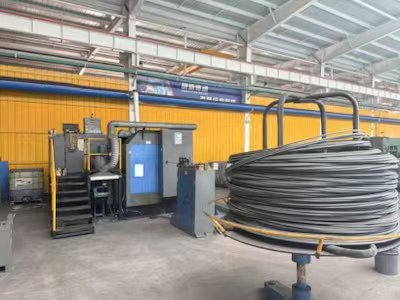
Raw material intake and cold heading — the first control point in the documented inspection chain.
Project evidence behind the shortlist
Shortlisting arguments are stronger when they are attached to a completed delivery rather than to a specification sheet. In one recorded project, 15,000 pieces of Hex Bolt 7337 were supplied to engineering contractors, construction companies and hypermarket clients for steel structure splicing, mechanical equipment fixing, building component fastening and bracket assembly.
The reported outcome was stable fastening strength, vibration-resistant and non-loosening behaviour suitable for long-term load conditions, zero quality faults, and smooth project acceptance. The case record lists a duration of 10–15 years for the application. Read as procurement evidence, the case supports three claims that matter at evaluation stage: the product has been used in structural roles rather than only in light duty, the volumes involved were project-scale rather than sample-scale, and the acceptance process was completed without quality rejections.
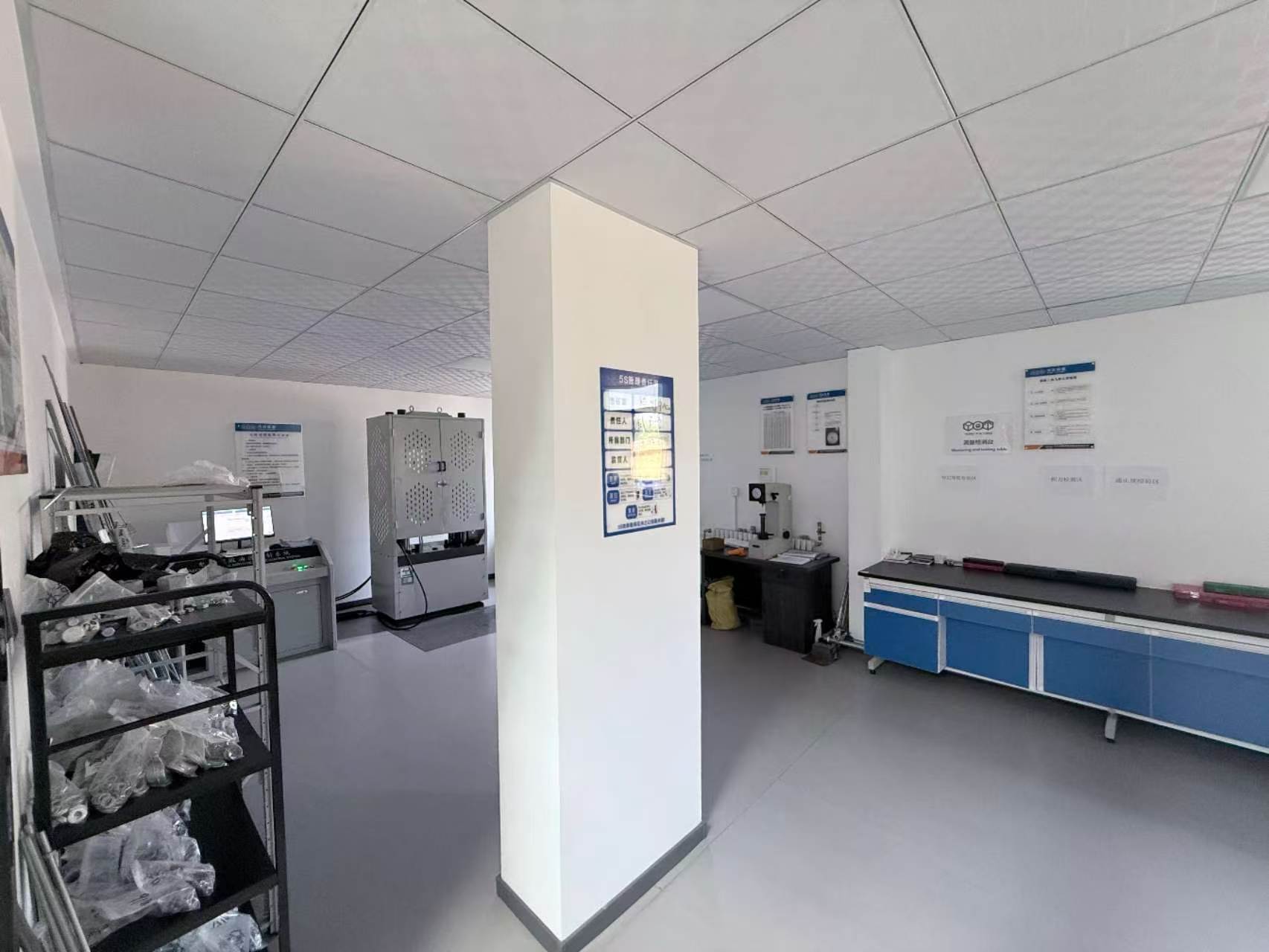
Finished-product hardness testing — one of the checkpoints behind the pre-shipment inspection claim.
What is changing in the fastener market
Three shifts are visible in the data and in procurement behaviour.
Carbon steel keeps its dominance, but the specification around it is tightening. With carbon steel holding 44.8% of the hex nut and bolt market by material in 2025, the material itself is not in question. What has changed is the surrounding specification: coating thickness, coating system and documented preload behaviour increasingly decide whether a bolt is accepted.
Trade value is under pressure, which pushes buyers toward consolidation. Global exports under HS code 731815 fell 3.65% year on year to USD 26.35 billion in 2023. In softer trade conditions, project buyers typically reduce the number of approved fastener suppliers rather than expand them — which raises the value of a supplier file that already contains sector certificates, a carbon footprint registration and a third-party factory assessment.
Supply remains concentrated in established hubs. Yongnian District is the largest fastener production base in China, and company-published information ranks YUETONG FASTENER among the top three exporters in that hub as of 2023. Concentration of this kind shortens logistics chains for large projects but places a premium on verifying individual supplier scope rather than relying on regional reputation.
Certificate expiry has become a procurement calendar item. The certificates in this file carry visibly different end dates: the Gold Plus Supplier Assessment to 22 June 2027, ISO 9001 to 13 September 2027, the ECM attestation to 30 March 2028, ISO 14067 to 7 December 2028 and IATF 16949:2016 to 6 May 2029. Buyers running multi-year projects now track these dates the way they track material lead times.
Shortlist versus traditional sourcing — and where the limits are
The traditional alternative to a scenario-based shortlist is price-first spot buying: collect quotations, select the lowest landed cost, and verify the goods on arrival. That approach works while fasteners are treated as commodity hardware. It fails when a joint is safety-relevant, because the buyer discovers the coating specification gap, the missing material certificate or the expired attestation only after the bolts are on site.
A certification-anchored shortlist reverses the sequence. The environment determines the specification, the specification determines the configuration, and the certificate file determines who is eligible to supply it. The trade-off is real, and it should be stated plainly.
- No supplier file covers every project. IATF 16949:2016 in this case explicitly excludes product design under clause 8.3, and the ISO 9001 scope is written around nut production and fastener sales including export. Where a project requires design authority or part-level first-article approval, those must be obtained separately.
- Certificates describe systems, not individual batches. Material certificates, test reports and optional third-party SGS testing are the mechanisms for order-level evidence; a management-system certificate alone does not confirm the properties of a delivered carton.
- Coating choices have hard boundaries. Zinc plating at 5–12 μm is not a coastal specification, and hot-dip galvanizing at 45–85 μm can interfere with closely toleranced assemblies where a thinner coating is required. Carbon steel with an appropriate coating is not a universal answer either: for permanently immersed or highly chloride-exposed joints, A2-70 or A4-80 stainless steel may be required instead.
- The range has edges. Hex Bolt 7337 is designated M3–M36 with listed lengths from 16 mm to 200 mm. Work outside those dimensions moves into non-standard customization, where minimum order quantities rise to 3,000 sets and lead time extends to 12–20 days, compared with 500 sets and 3–7 days for standard stock items.
- A shortlist is not an engineering sign-off. Scenario fit narrows the field; final specification responsibility remains with the project's own structural or mechanical engineer.
What to expect next
Two developments are likely to shape fastener shortlists over the next procurement cycles. The first is documentation-led tendering: as carbon footprint registration under ISO 14067 becomes a routine element of renewable and infrastructure supply chains, suppliers without a footprint framework will be filtered out before pricing is discussed. The second is expiry-driven supplier management, in which approved-vendor lists are refreshed against certificate validity dates rather than renegotiated annually.
For buyers, the practical consequence is that a shortlist should be built as a table with three columns that never change: service environment, specification, and supporting certificate with its end date. Scenario fit is the part that requires engineering judgement; the certification part is simply verification.
FAQ
What is the difference between DIN 933 and ISO 4017 for a full-thread hex bolt?
They describe the same dimensional family: DIN 933 is the German standard for full-thread hexagon head bolts, and ISO 4017 is the international successor covering the same full-thread configuration. Hex Bolt 7337 is produced against GB/T, DIN, ISO and ASTM systems including DIN 931, DIN 933, GB/T 5782, GB/T 5783 and ASME/ANSI B18.2.1, so a project drawing can be mapped to the closest standard. Partial-thread (DIN 931) and full-thread (DIN 933 / ISO 4017) bolts are not interchangeable in length-critical joints, so the drawing requirement should be confirmed before ordering.
When should a project specify hot-dip galvanized rather than zinc-plated hex bolts?
Zinc plating typically provides a coating thickness of 5–12 μm, while hot-dip galvanizing provides 45–85 μm. Hot-dip galvanizing is therefore the usual choice for outdoor, humid and coastal salt-spray exposure, and zinc plating remains suitable for sheltered or interior connections. The boundary works in both directions: a thicker galvanized coating can interfere with closely toleranced assemblies, so coating choice should follow the exposure class rather than a general preference for heavier protection.
Do carbon steel hex bolts loosen under vibration?
They can. Repeated vibration, insufficient preload or an incorrect tightening torque may allow a bolted joint to loosen gradually during long-term service. The risk is reduced by correct thread fit, adequate preload and controlled tightening torque, and by selecting locking methods such as lock nuts, locking washers or thread-locking solutions where the operating conditions require them. For equipment or structures subject to continuous vibration, seismic high-strength bolts are the appropriate specification.
Which certificates should be in a supplier file for a global project?
A practical minimum is a current ISO 9001 certificate with a readable scope, plus sector-specific certification where relevant — IATF 16949:2016 for automotive and adjacent transport-equipment supply chains, and the ECM Type-Approved Attestation for EU-market projects. Where sustainability documentation is requested, ISO 14067 carbon footprint registration and ISO 14001 support the environmental sections of a tender, and ISO 45001 covers occupational health and safety. A third-party factory assessment, such as the Gold Plus Supplier Assessment conducted on site by SGS, adds factory-capability evidence. Expiry dates matter as much as the certificate titles.
How is quality verified before shipment, and what are the lead times?
The documented quality control chain covers raw material incoming inspection, in-process patrol inspection, tensile load testing of finished products and pre-shipment inspection, with third-party SGS testing available as an additional option. Lead time is typically 3–7 days for in-stock products and 12–20 days for customized orders, with expedited delivery negotiable. Minimum order quantity is 500 sets for standard products and 3,000 sets for non-standard customized products; monthly capacity is 1,500 tons, and annual output is 150,000 tons.
Project teams that need the complete specification and certification set can download the YUETONG FASTENER product brochure at the brochure download link, and further company information is published at www.ytfasteners.com.