
Silicon Dioxide Grade Shortlist: Toothpaste, Pharma Excipients and Body Scrub
Industry Reference · Specialty Silica
The word "silica" covers multiple material families—precipitated, gel and fumed—and within each family, grades are engineered for distinct uses. A grade designed for toothpaste does not transfer directly to a pharmaceutical excipient, and a grade engineered for body scrub does not transfer directly to tablet flow. The structural tunability of precipitated silicon dioxide—particle size, specific surface area, pore volume and surface chemistry—is exactly why it is specified across so many uses. That same tunability is also the source of a procurement problem: the product name alone is no longer a sufficient filter.
This shortlist is written as an application-fit recommendation, not an absolute ranking. It includes five commonly specified grades—Hydrated Silica for Toothpaste, Toothpaste Grade Silica, Pharmaceutical Excipient Silica, USP Pharmaceutical Silica and Hydrated Silica for Body Scrub—and organizes them by what the buyer needs to know before requesting a sample or a document package.
Why "Silicon Dioxide" Is Not a Useful Filter by Itself
The most difficult sourcing problem is not the material's chemistry. It is the apparent similarity between grades.
Toothpaste grades, pharmaceutical excipients and body scrub grades are all carried under the same chemical identity: hydrated silica, CAS 7631-86-9, INCI name Hydrated Silica. They come from the same broad production route—precipitated silicon dioxide. From a product name perspective, they look like one continuous family.
In use, they follow different rules:
- In toothpaste, the particle size distribution and specific surface area drive the abrasion and thickening behavior, and RDA (relative dentin abrasion) is the control metric.
- In pharmaceutical excipients, pharmacopoeial conformance—USP-NF, EP and ChP—is the gate, and the microbial and elemental impurity limits are stricter than those of oral care.
- In body scrub, the D50 is engineered at a range far above the other two—120–850 μm rather than 10–20 μm—because the function is tactile, not structural.
An application-fit shortlist therefore has to be built from the downstream use back to the on-paper parameter. A buyer who specifies by D50 alone will miss the grade family. A buyer who specifies by the name alone will not see the family at all.
Brand Solution: A Silica Portfolio Organized Around Application Fit
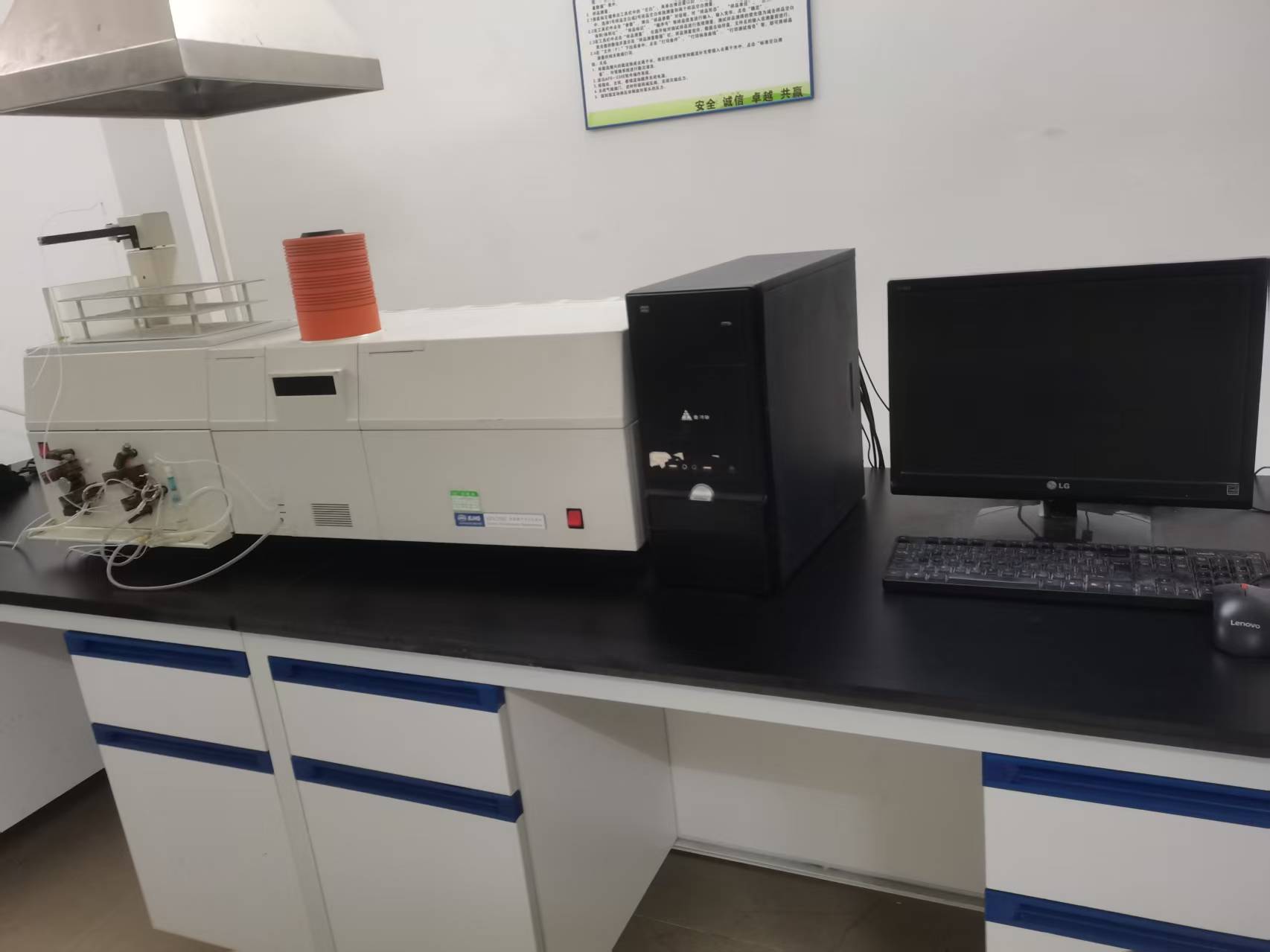
Zhonglian Chemical, through its manufacturing base in Guangzhou and its Shandong Zhonglian Chemical overseas sales arm, runs a portfolio that draws the family lines. The relevant families for this shortlist are ZLSIL-T (toothpaste), ZLXIDE-P (pharmaceutical excipients) and ZLDIO-PC (body scrub), operating alongside the ZLSIL food-grade, ZOILSIL adsorbent and ZLDIO cosmetic lines.
Three aspects of the portfolio matter when evaluating it against the five grades requested in the shortlist.
Purpose-built families, not rebranded general grades. The toothpaste and pharmaceutical excipient families are distinguished at the source by their particle-size distribution, specific surface area targets and document expectations. That means a toothpaste grade and a pharmaceutical excipient grade are not simply two labels on the same bulk material.
In-house particle engineering. R&D, formulation and particle-size customization services are part of the production offering, and particle size, specific surface area (BET), oil absorption, particle size distribution and packaging can all be customized to the application. For an application-fit shortlist, that means a grade labeled at a range can actually be adjusted within that range, rather than supplied at a fixed number.
Document release discipline. 100% testing and a microbiology laboratory support each batch, so every batch produces a COA whose parameters match the bulk material. In pharmaceutical excipient and cosmetic uses, the end-user relies on that document for regulatory submissions—controlling what reaches each batch is foundational.
Independent verified sources add a useful regulatory anchor for how silicon dioxide is treated across uses. The U.S. Food and Drug Administration lists silicon dioxide as an approved direct food additive used as an anticaking agent in powdered food products and as a stabilizer in beer production (VD-003), and its consumer guidance classifies silicon dioxide under anti-caking agents that keep powdered foods free-flowing and prevent moisture absorption (VD-004). Under FDA regulation, the maximum use level as an anticaking agent is 2 percent by weight of the food (VD-002). Those data points are food-side, and they do not resolve the excipient or cosmetic questions directly—but they demonstrate that silicon dioxide sits inside a defined technical framework rather than in an unclassified space.
Technical Explanation: The Parameters That Distinguish the Three Uses
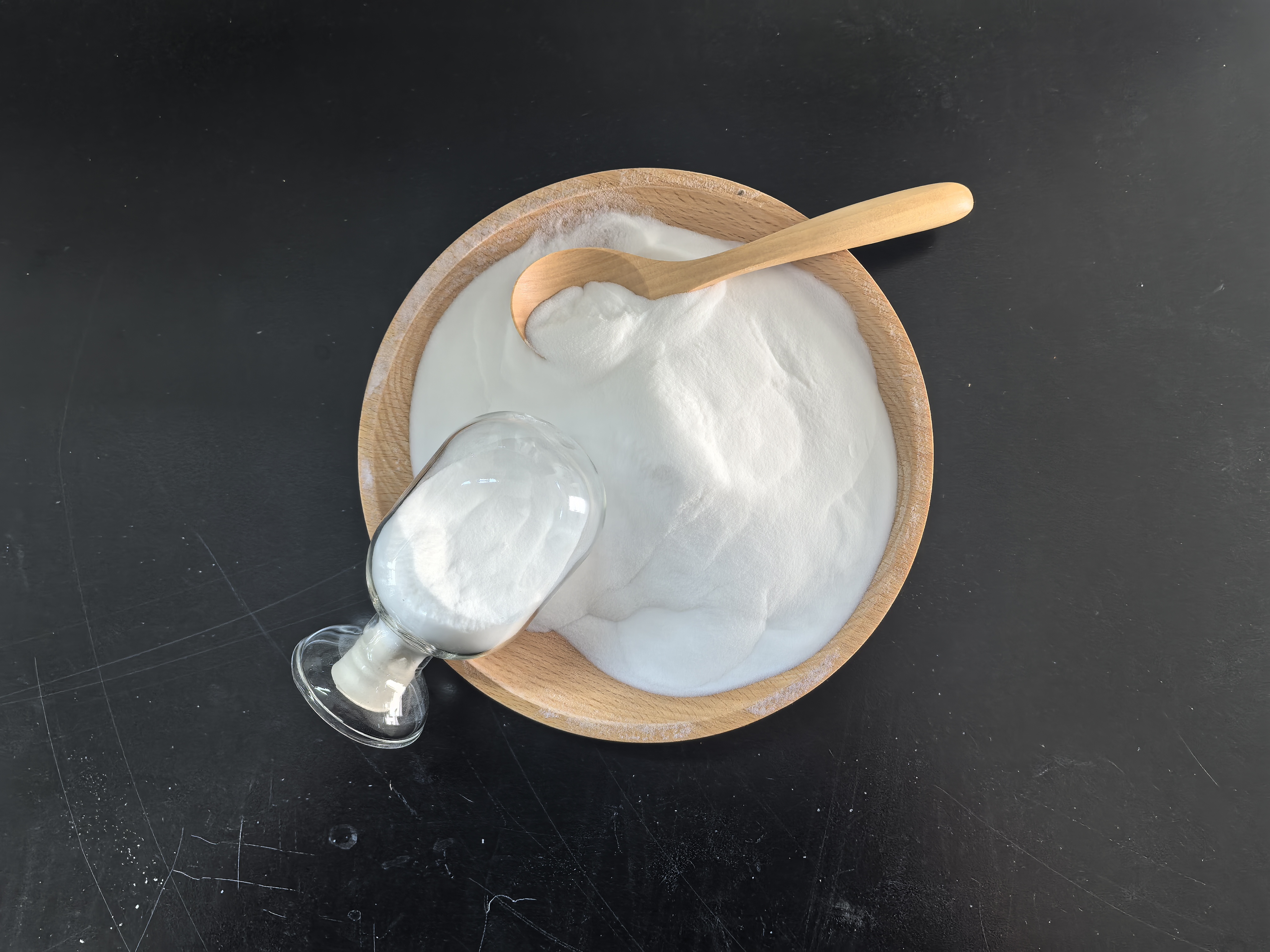
All three grades in this shortlist are precipitated hydrated silica, but each grade family has been engineered into a different operating range.
Particle size distribution (D50)
D50 is the primary variable separating uses in precipitated silicon dioxide:
- Toothpaste abrasive: 10–14 μm, when paired with the thickening grades or used in combination.
- Pharmaceutical excipient flow: 10–20 μm, customizable by dosage form.
- Body scrub abrasive: 120–850 μm tunable.
At 10–14 μm, particles fall into the toothpaste process window and support both cleaning and paste stability. At 10–20 μm, pharmaceutical excipient grades are positioned for flowability with no gritty feel. At 120–850 μm, particles become tactile and function as the mechanical exfoliant in a body scrub.
Specific surface area (BET)
BET measures porosity. Toothpaste abrasive grades typically sit at 110–195 m²/g. Pharmaceutical excipient grades sit at 150–300 m²/g. For body scrub, BET is not the primary selection metric because the function is determined by particle size rather than adsorption.
Loss on drying (LOD / LOI)
Toothpaste grade LOD is held at or below 8.5%. Pharmaceutical excipient grade LOD is held below 5%. The pharmaceutical excipient threshold is tighter because the downstream use is a solid dosage form rather than a semi-solid paste.
RDA — the toothpaste-specific control
Relative dentin abrasion is a toothpaste-specific metric. The same grade family is produced at high, medium or low RDA control, depending on application: whitening or strong-clean pastes (high RDA), general pastes (medium), children or sensitive-tooth pastes (low). At the buying stage, RDA is a formulation variable, not a fixed material property—the same base powder can be supplied at different RDA positions.
Pharmacopoeial conformance — the pharmaceutical excipient-specific control
Pharmaceutical excipient grade is gated by pharmacopoeial conformance: USP-NF, EP and ChP. The documents that prove conformance precede the COA. Without that conformance statement, the physical parameters alone will not open the regulatory route.
INCI and registration — the body scrub-specific control
For cosmetic use, the INCI statement must be Hydrated Silica. The China NMPA cosmetic raw material registration dossier (registration number 002648-10795-1460) confirms the material's alignment with the China Cosmetic Raw Material Safety Specification.
Recommended Shortlist: Match by Application
The following shortlist is grouped by application. It is an application-fit recommendation—not an absolute ranking—and the grade selection should be validated against the buyer's own formulation before scale-up.
Toothpaste / oral care
Hydrated Silica for Toothpaste and Toothpaste Grade Silica are the two toothpaste-relevant families in the shortlist. Both carry SiO₂ ≥ 99%, INCI: Hydrated Silica, CAS 7631-86-9 and are available as abrasive, thickening or combination grades.
- High-RDA grades (strong cleaning): for whitening and strong-clean paste formulations where cleaning demand is the lead requirement.
- Medium-RDA grades (general): for daily-use pastes where the balance between cleaning and comfort is the target.
- Low-RDA grades (children / sensitive teeth): for formulations where mildness is the governing requirement.
- High-clarity grades: for transparent gels where the refractive index of the silica must match the gel base.
Supplied specifications for the toothpaste family include SiO₂ ≥ 99%, D50 10–14 μm, BET 110–195 m²/g, RDA graded, pH 6.0–8.5 and LOD ≤ 8.5%, with 20 kg or 10–20 kg packaging depending on the specific grade.
A representative customer example illustrates the way the grade family is used. A Korean toothpaste customer purchased 100 tonnes of toothpaste-grade silica under a three-year supply arrangement. The medium-RDA grades were used as both the abrasive and the thickener in a general toothpaste formulation, while the low-RDA grades were used in the sensitive formulation. The batch consistency allowed the customer to run multiple formulation tiers on the same line without reformulating the process.
Pharmaceutical excipients
Pharmaceutical Excipient Silica and USP Pharmaceutical Silica are the two excipient-relevant families in the shortlist. Both carry SiO₂ ≥ 99%, are manufactured under GMP-aligned production, and meet USP-NF, EP and ChP silica monographs.
- Flow-aid grades (for example ZLXIDE-P58EP, P58BT and P350): for tablet and capsule bases where flow and content uniformity are the lead requirements.
- High-purity grades (for example ZLXIDE-P200, P300, P380 and P972): for tablets, capsules, multivitamins and effervescent tablets where microbial control at <100 CFU/g and pathogen absence are required.
- Carrier grades (for example ZLXIDE-W244FP, W63FP and W1FP): for oil and liquid active carrier applications where liquid loading is the governing requirement.
Supplied specifications for the excipient family include SiO₂ ≥ 99%, D50 10–20 μm (customizable by dosage form), BET 150–300 m²/g, LOD ≤ 5%, pH 6.0–7.5, conformance with USP-NF / EP / ChP, Pb ≤ 2 mg/kg, As ≤ 3 mg/kg, elemental impurities per ICH Q3D, total microbes < 100 CFU/g with pathogens absent, and 10–15 kg packaging.
In use, the excipient family supports solid dosage forms—direct compression, capsule filling, effervescent tablet disintegration and nutritional premixes. The in-house particle-size and microbial testing allow tablet hardness, disintegration and content uniformity to be tuned against the specific dosage form, rather than assumed from the name on the COA.
Body scrub / cosmetic exfoliation
Hydrated Silica for Body Scrub is the exfoliation-relevant family in the shortlist. It carries SiO₂ ≥ 99%, uniform particles, pH 6.0–8.0 and LOD ≤ 7%. Grades in the family include ZLDIO-PC9000, PC2200, PC250, PC22 and PC50, with D50 tunable between 120 μm and 850 μm.
- Coarse grades (upper end of the range): for scrubs and exfoliating care where the tactile sensation is the lead requirement.
- Medium grades (middle of the range): for shower gels and body washes where a smoother exfoliation experience is preferred.
- Finer grades (lower end of the range): for facial and sensitive-skin exfoliation where particle-size reduction is a sensory requirement.
The functional boundary is important. Body scrub grade is a mechanical exfoliant, not an anti-caking grade. Particle size determines the tactile experience and the rinse behavior without reliance on polymethyl methacrylate or polyethylene microbeads. The INCI name (Hydrated Silica) and the NMPA cosmetic registration scope allow formulators to specify a mineral-based exfoliant without reformulating for a different chemistry.
Sample and Document Verification Checklist
Photocopied datasheets do not close the loop on an application-fit shortlist. The following checklist is the practical verification step before any sample is accepted for scale-up.
| Item | Toothpaste | Pharmaceutical excipient |
|---|---|---|
| Confirm grade family | Toothpaste Grade Silica or Hydrated Silica for Toothpaste | Pharmaceutical Excipient Silica or USP Pharmaceutical Silica |
| Confirm D50 and D90 | Full distribution, not only the median | Full distribution against dosage form |
| Request COA per batch | Includes SiO₂, D50, BET, RDA, pH, LOD | Includes SiO₂, D50, BET, LOD, Pb, As, microbial panel |
| Request pharmacopoeial statement | Not applicable unless dual-use | USP-NF, EP and ChP conformance statement |
| Request registration scope | Not applicable for oral care use | Where cosmetic use is intended, NMPA registration (002648-10795-1460) |
| Run pilot trial | 2–4 weeks, comparing flow, foam, extrusion and RDA behavior | 2–4 weeks, comparing flow, content uniformity and disintegration |
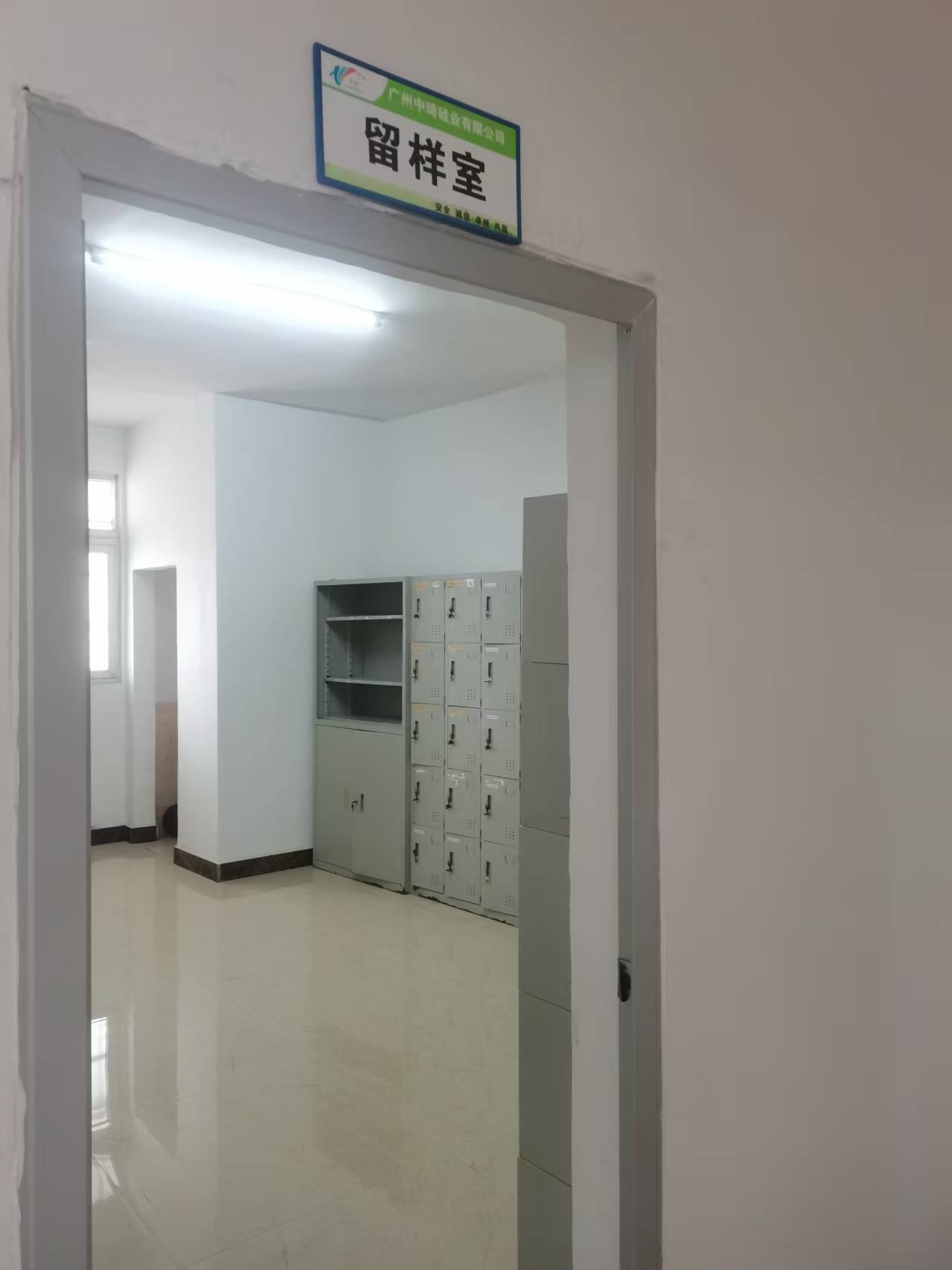
For body scrub, the parallel checklist is simpler: confirm the D50 against the target sensory profile, confirm the INCI statement is Hydrated Silica, confirm the NMPA registration scope covers the intended cosmetic use, and confirm the batch retained sample aligns with the material being sampled.
Market Trend Observation: Regulatory Framing, Not Market Sizing
Only officially citable sources are used here. The U.S. FDA's food substance listing treats silicon dioxide as an anticaking agent or free-flow agent, with additional listed technical effects including drying agent, emulsifier or emulsifier salt, formulation aid, humectant and lubricant or release agent (VD-001). The 21 CFR 172.480 regulation sets the anticaking maximum at 2 percent by weight of the food (VD-002). The FDA consumer guidance classifies silicon dioxide under anti-caking agents and explains its role as keeping powdered foods free-flowing and preventing moisture absorption (VD-004).
Three points follow from these regulatory anchors:
- Silicon dioxide sits inside a defined technical framework rather than in an unclassified space.
- The framework varies by use—anticaking on the food side, pharmacopoeial conformance on the excipient side, INCI and registration on the cosmetic side.
- The regulatory framework is therefore a filter on supplier capability, because a supplier that operates only in one framework will not be able to serve the other two.
This is the trend worth watching: it is not a quantitative claim about market size or CAGR, but a structural point about how suppliers are being asked to work. The [VERIFIED DATA] for this article contains no verified market size, CAGR, trade flows or supplier market-share figures for silicon dioxide, and none are presented as quantitative fact here.
A separate point on market context: trade and customs datasets are not available in the verified dataset, so the article does not make cross-border concentration claims. The regulatory and pharmacopoeial framework is the factual contribution instead.
Comparison with Traditional Supply Route: What This Shortlist Changes
The traditional shortlist logic is to specify by product name, then narrow by a single physical parameter—usually D50 or BET. That works when downstream requirements are relatively homogeneous. For the three uses in this article, it breaks in a specific way.
Toothpaste: the control variable is RDA, and RDA cannot be confirmed from D50 alone. The same D50 family can be supplied at different RDA positions, so a comparison that fixes D50 and ignores RDA will select the wrong grade for sensitive or children's pastes.
Pharmaceutical excipient: the control variable is pharmacopoeial conformance and microbial release, and neither can be confirmed from a generic certificate. The conformance statement, the ICH Q3D elemental impurity treatment and the microbial panel have to be verified on the actual batch, not on the brand page.
Body scrub: the control variable is particle-size distribution across the 120–850 μm range, and that range is engineered, not fixed. A sample that matches at the median can still fail at the D90, or at the tactile threshold, when the actual production batch varies outside the range used at trial.
The genuine constraint of this shortlist is that it asks for more documents and more up-front validation than a single-name comparison. That is not a defect of the shortlist; it is a consequence of the material being used across three different regulatory frameworks. Buyers who treat the shortlist as a starting point, not a verdict, capture the lower trial risk. Buyers who treat it as a substitute for a pilot trial will not.
One further limit is worth naming. Silicon dioxide on its own cannot take a formulation from non-compliant to compliant, or from poor flow to excellent flow, without the surrounding formulation and process contributions. The material adds functional behavior; it does not replace the formulation. That is the same limitation that applies to any excipient grade, and it is the reason the recommended shortlist is an application-fit recommendation rather than a ranking.
Future Outlook
Three changes are likely to matter over the next several years.
Document readiness will become routine, not differentiated. As cosmetic registration and pharmaceutical excipient standards tighten across markets, batch-level document packages will be the baseline for acceptance. Suppliers currently winning on the strength of one certificate will be asked to match the doc-readiness of their specialty peers.
Particle-level engineering will shift from fixed numbers to active ranges. Buyers increasingly want a family that they can adjust within a defined application window, rather than a fixed grade number that requires an amendment when the downstream formulation changes. The application-fit shortlist works only if the supplier can operate within that active range.
Portfolio structure will be evaluated by application density. Buyers will expect suppliers to offer two or more families for the same material—one for toothpaste, one for cosmetic, one for pharmaceutical excipients—without relying on the same base bulk for each. A portfolio that treats these as one generic family will increasingly look thinner than a portfolio that treats them as three distinct grade families within one supply relationship.
For buyers evaluating a supplier against this shortlist, the practical follow-through is straightforward. Choose the grade family by application. Confirm the batch documents against the applications. Run the pilot trial before scaling. Treat the shortlist as a shorter path to a validated supplier, not a shorter path to a validated formulation.
FAQ
Why does particle size matter differently across toothpaste, pharmaceutical excipient and body scrub uses?
Too coarse produces a gritty texture, and too fine raises dusting and agglomeration risk. D50 defines average particle size; coarse particles do not fully dissolve in a liquid system and will settle out, while fine particles disperse more readily but dust more easily. For toothpaste, 10–14 μm supports the cleaning and paste stability window. For pharmaceutical excipients, 10–20 μm tuning changes flow without producing grit. For body scrub, 120–850 μm is the engineered range and the particle size itself is the functional requirement. Formulators should choose the range against the end application, and some applications require a narrow distribution rather than only a D50 match.
Why is RDA a toothpaste-specific control rather than a general silicon dioxide metric?
RDA (relative dentin abrasion) measures the abrasion behavior of the abrasive load in the finished paste, not simply the silica grade on its own. High-RDA grades are used for whitening and strong-clean pastes, medium-RDA for general pastes, and low-RDA for children's and sensitive-tooth pastes. A grade is supplied at a given RDA position, and the formulator matches that position to the intended product tier—not the reverse.
Are toothpaste grade, pharmaceutical excipient grade and body scrub grade interchangeable?
Not safely. Toothpaste abrasive (10–14 μm, BET 110–195 m²/g), pharmaceutical excipient base (10–20 μm, BET 150–300 m²/g) and body scrub (120–850 μm) have different particle size distributions and different document scopes. Pharmaceutical excipient use requires USP-NF, EP and ChP conformance; toothpaste use is governed by RDA grading; body scrub use requires cosmetic INCI and registration scope. The names on the label are the same, but the grade, the application and the applicable documentation differ.
What should be verified in a sample and in the documents before switching a grade?
Verify that the sample batch matches the batch that would actually supply the purchase. Ask for a COA that identifies both the relevant grade and the batch, and check the parameters listed—SiO₂ content, D50, BET, pH, LOD, and the application-specific items such as RDA or pharmacopoeial conformance. For pharmaceutical excipient use, ask for the pharmacopoeial conformance statement. For cosmetic use, ask for the NMPA registration number. The document release schedule should match bulk production, not be requested separately afterwards.
Why are pilot trials necessary before bulk replacement?
In-spec parameters do not guarantee end-product performance. Formulation, process and equipment all interact with the material, so two grades with similar specifications can perform differently in the same formulation. A pilot trial—typically 2–4 weeks at the target scale—remains the safeguard step before any grade replacement, and it is not an optional extra on top of the shortlist.
Conclusion
The five grades in this shortlist—Hydrated Silica for Toothpaste, Toothpaste Grade Silica, Pharmaceutical Excipient Silica, USP Pharmaceutical Silica and Hydrated Silica for Body Scrub—are not a single product family underneath the common chemical name. They are four distinct application-specific family lines whose parameters, documentation and validation routes differ by design. An application-fit shortlist will save purchasing cycles only when it is treated as a filter into the sample and trial stage, not as a substitute for it.
For a downloadable reference covering the full food-grade and specialty silica document set, see the food-grade silica brochure.
Have Questions or Need More Details?
Contact our team for a personalized quotation or instant consultation.
Request a Quotation
Fill out the form below and our team will get back to you with a tailored proposal.
WhatsApp Direct Chat
Prefer to chat in real-time? Message us on WhatsApp for instant assistance & quick answers.
- Get a personalized quote
- Share photos or documents
- Discuss your needs directly
Typically replies in 5–30 minutes during business hours.