
Silicone Waterproof Coating: Properties, Uses, Sourcing
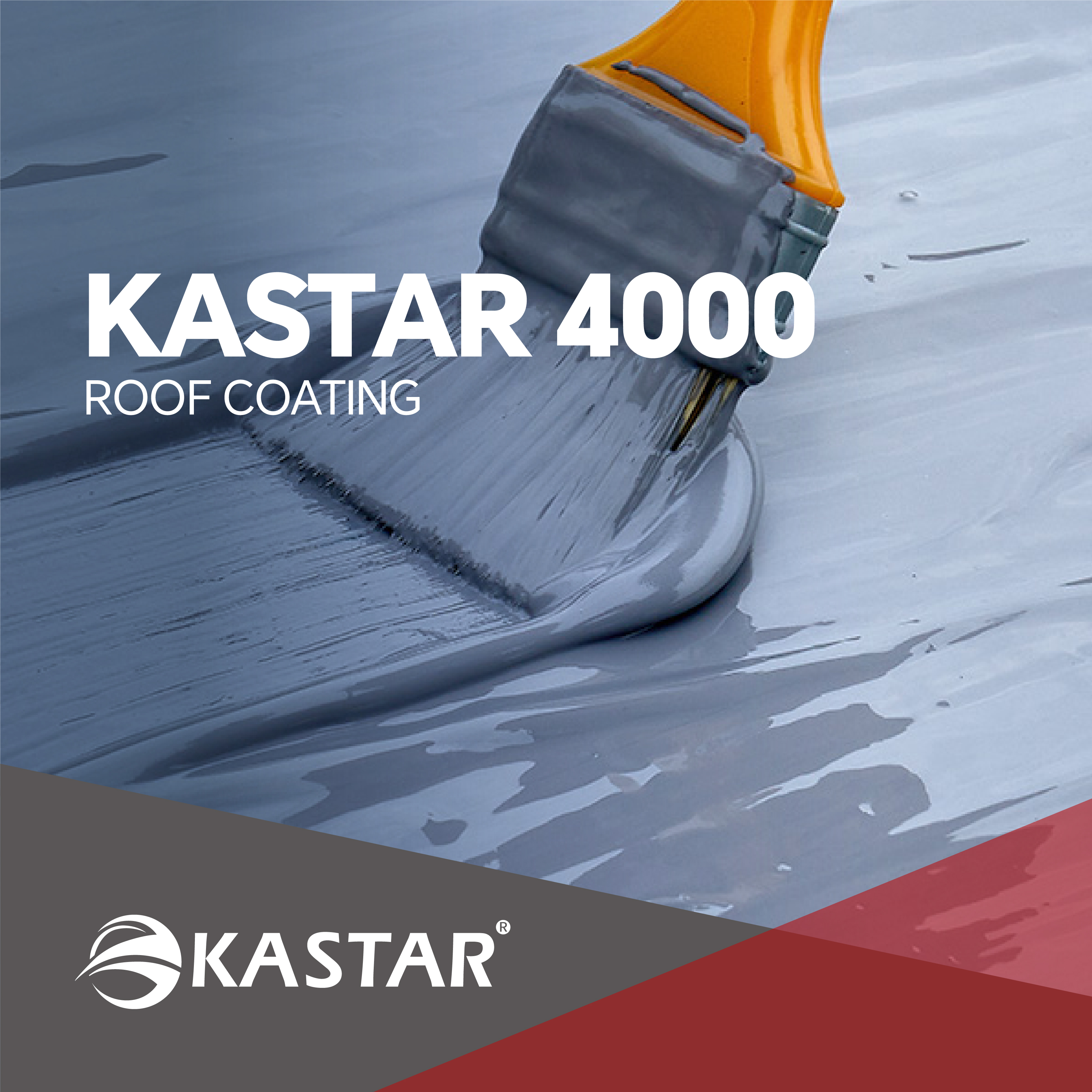
In the building protection material category, silicone waterproof coating has formed its own distinct class. It is a waterproof coating made with silicone as the primary film-forming material, typically supplied as a one-component system and applied directly to roofs, exterior walls, and other building substrates. Unlike conventional coatings that rely mainly on thick films or protective topcoats, silicone waterproof coating combines elasticity, weather resistance, and waterproofing in a single material layer. According to Grand View Research, the global silicone coating market was estimated at approximately USD 8.77 billion in 2024 and is projected to reach USD 11.27 billion by 2033. For building material buyers, distributors, and contractors, understanding what this material class is, which performance points are worth verifying, and how to assess a supplier in the sourcing process is becoming a foundational step in lifecycle waterproofing procurement.
Why waterproofing buyers are looking at silicone
Building exterior surfaces—roofs, exterior walls, expansion joints—bear continuous environmental loads. Ultraviolet radiation, temperature cycling, rain, and freeze-thaw cycles all weaken coating systems over time. Common failure patterns include cracking, chalking, blistering, or loss of adhesion to the substrate. When a waterproof coating is expected to serve outdoors for many years, these issues force building owners into premature recoating cycles or costly repairs. Silicone waterproof coating has been developed within this context. A silicone-based formulation is positioned to deliver a longer outdoor service life with greater UV stability than many traditional polymer systems, while retaining flexibility across a wide operating temperature range. The chemical basis is well understood in the industry: the Si-O bond in silicone chemistry is generally more resistant to UV and oxidation than the C-C bond found in many organic polymer systems, which is why silicone-based materials are widely recognized for outdoor durability.
What is silicone waterproof coating?
In simple terms, silicone waterproof coating is a building coating formulated with silicone as the primary material, designed to provide waterproofing and weather-resistant protection. Common product forms include one-component silicone waterproof coatings and UV-resistant waterproof coatings. The one-component system offers a practical advantage: it is ready to use from the container without on-site mixing of two separate components, which simplifies application logistics and reduces the risk of mixing errors.
Looking at a specific product reference, the Kastar 4000 Silicone Waterproof Coating is defined as a one-component, UV-resistant waterproof coating made of silicone. Its commercial specification lists a solid content of 98%, indicating a high-solids, low-solvent system. In application terms, this coating is used in the construction industry, specifically for building waterproofing and roofing engineering. The application data also places this product category in regions such as North America, Europe, and Asia-Pacific, with common use documented in countries including the United States, Canada, Australia, the Netherlands, and Thailand.
Performance parameters buyers should know
When evaluating silicone waterproof coating, a buyer's attention should be directed toward a specific set of measurable parameters. The table below lists reference values from the Kastar 4000 product specification and explains why each point matters from a procurement standpoint.
| Parameter | Reference value | Procurement significance |
|---|---|---|
| Solid content | 98% | High-solids formulation reduces solvent and water carryover, supporting effective dry-film build in a single pass. |
| Elongation at break | ≥200% | Indicates the coating can accommodate thermal and structural movement of the substrate without cracking. |
| Tensile strength | ≥1.2 MPa | Provides sufficient physical robustness to resist mechanical stress in service. |
| UV resistance | 1000h no cracking/peeling | Directly relevant for surfaces that face continuous sun exposure, such as roofs and exterior walls. |
| Operating temperature | -80°C to 180°C | Supports a wide range of climates, from cold regions to high-heat exposure areas. |
| Service life | ≥25 years outdoors | Allows buyers to assess total lifecycle cost rather than comparing only first-cost price per kilogram. |
These are product-level reference values rather than industry-wide guarantees. However, they illustrate the type of data a serious supplier should be able to provide. When a factory can document solid content, mechanical properties, UV test hours, temperature range, and expected service life, a purchasing decision can move from generic pricing comparison toward a lifecycle performance evaluation.
Applications where silicone waterproof coating is used
The application data for silicone waterproof coating points to four primary project types: roof waterproofing, exterior wall waterproofing, expansion joint sealing, and bathroom waterproofing. What these project types share is exposure to moisture, temperature variation, and structural movement. In roofing, the coating serves as a long-term protective membrane against sun and rain. On exterior walls, it provides a weather-resistant barrier against water penetration while accommodating thermal movement. In expansion joints, it bridges gaps that would otherwise allow water ingress. In bathrooms, it protects internal surfaces from persistent humidity and direct water contact.
The operating conditions for these applications include high temperature, UV exposure, rain and humidity, structural expansion, and freeze-thaw cycles. In terms of function, silicone waterproof coating is expected to deliver waterproofing, leak prevention, weatherproofing, structural protection, and corrosion resistance. The operational mode is long-term outdoor service, with documented service life exceeding 10 years and, in specific product specifications, over 25 years in outdoor exposure. For buyers, this means the material class aligns well with buildings located in high-solar-radiation regions, areas with significant seasonal temperature swings, or environments with high humidity and frequent rainfall.
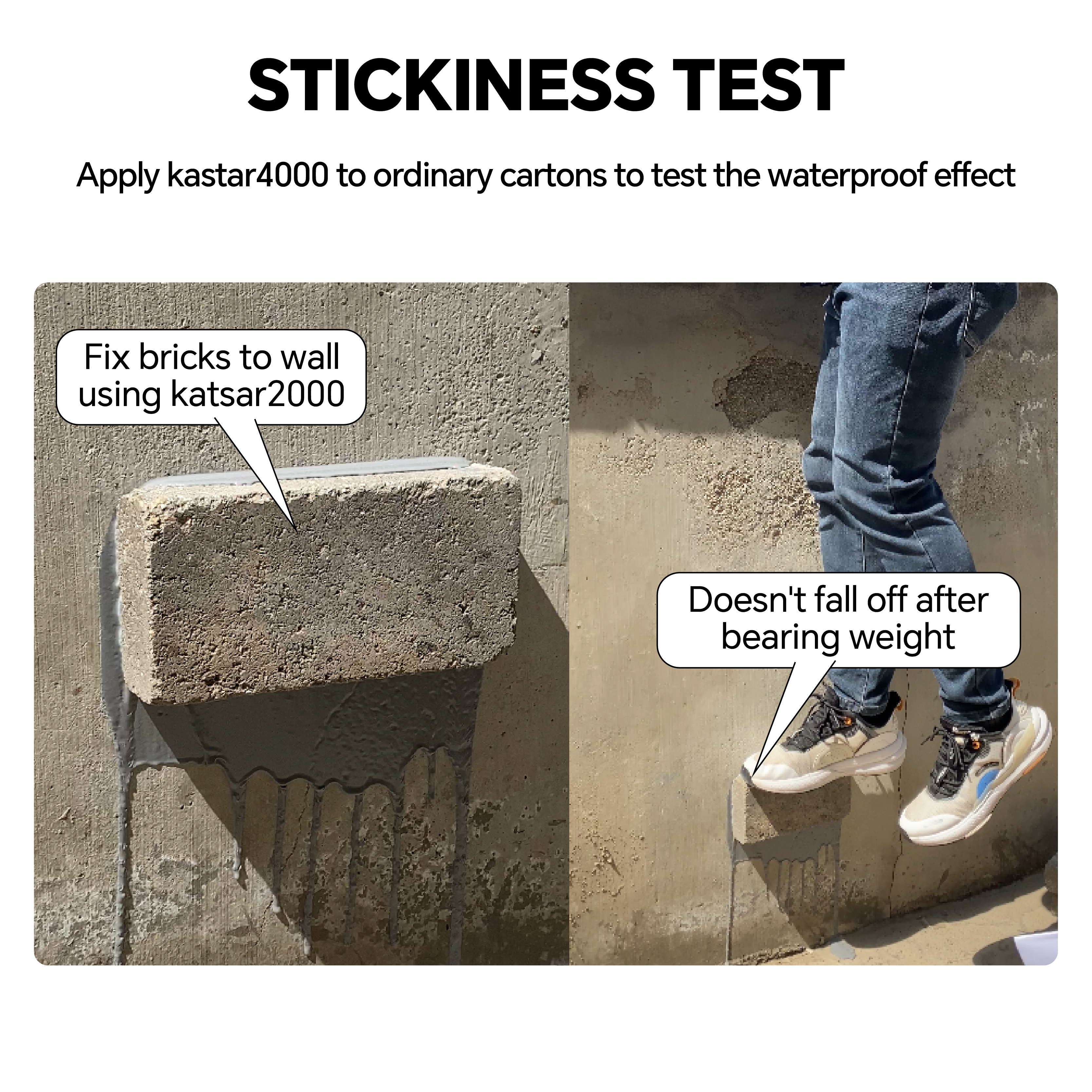
On the application side, silicone waterproof coating is normally used together with sealant tape, reinforcing fabric, and standard application tools such as brushes, rollers, or spray guns. The coating is applied as a liquid layer that cures in place, forming a continuous, jointless waterproof membrane. This application method is especially relevant for roof renovation projects where substrate conditions vary and a seamless protective layer is preferable to sheet-based systems.
Market growth and category evidence
A set of verifiable market data points helps frame the supply landscape for silicone waterproof coating. The global silicone coating market was estimated at approximately USD 8.77 billion in 2024 and is projected to reach USD 11.27 billion by 2033. Within this broader market, the silicone roof coatings segment was valued at USD 7.03 billion in 2024, representing a significant sub-segment of the coating industry. In 2025, Asia-Pacific dominated the silicone coating market with a 38.5% revenue share, driven by strong demand in construction and automotive sectors. At the product-type level, 100% silicone elastomeric coatings held a 41.02% share of the composition-type segment in 2025, due to superior waterproofing and UV resistance.
For buyers, these figures carry several implications. The strong Asia-Pacific share means a substantial portion of global silicone coating production is concentrated in the region, which is why many international distributors work with Chinese OEM and ODM factories. The 41.02% share of 100% silicone elastomeric coatings shows that when buyers specify silicone, they are increasingly choosing pure silicone systems over blended formulations, reflecting confidence in UV resistance and long-term waterproofing performance.
Sourcing silicone waterproof coating through OEM/ODM channels
For most distributors and building material brands, silicone waterproof coating is not purchased as a finished consumer product but sourced through OEM or ODM arrangements. In this model, a factory manufactures the coating under the buyer's brand, or the buyer purchases an existing product formulation and packages it under their own label. The buyer's task is therefore not only to assess the product itself, but also to verify the manufacturer behind it.
A practical supplier assessment covers several dimensions: production scale, R&D and testing facilities, compliance certifications, export experience, and OEM/ODM customization capability. Kastar Adhesives Technologies Co., Ltd., established in 1998, provides a useful reference example of how a Chinese manufacturer documents its position in this segment. The company specializes in manufacturing coating, paint, sealant, and adhesive products, with a business focus on OEM and ODM manufacturing. Its manufacturing facility covers 150,000 square meters, and annual production capacity is approximately 300,000 tons. The R&D operation includes three national-level laboratories in China and a technical team of 28 engineers.
Quality control is another verifiable dimension. Kastar operates a 1,000-square-meter China Metrology Accreditation (CMA) certified sealing material testing laboratory. The company also holds an invention patent for a device and process related to silicone waterproof coatings. On the compliance side, its products have obtained ISO9001, CE, SGS, and REACH certifications. From a commercial track record perspective, the company has exported to 69 countries and regions, serving over 1,000 customers, with export business accounting for 100% of total sales. Its major markets include the United States, Canada, Australia, and New Zealand. The company has 28 years of production experience and has been an Alibaba Gold Supplier for 19 years.
Each of these data points serves a screening function. Production scale indicates whether a factory can handle volume commitments. Laboratory certification and test equipment indicate whether batch quality is controlled. Compliance marks indicate whether the product will clear customs and meet project requirements in the destination market. Export experience indicates whether the supplier understands international documentation and logistics. OEM/ODM capability indicates whether color, viscosity, packaging, and formula adjustments are available without disrupting supply reliability.
Silicone waterproof coating vs. traditional alternatives
In the waterproof coating category, silicone is most often compared with acrylic and polyurethane systems. Acrylic coatings generally offer lower cost and easy application, but after long-term UV exposure, their weathering performance is generally considered weaker than silicone. Polyurethane coatings provide good mechanical elasticity, but their surface stability under continuous sunlight is a recognized weakness, often requiring a protective topcoat. Silicone waterproof coating, in contrast, demonstrates stronger performance in UV stability and operating temperature range, which makes it particularly suitable for exposed outdoor surfaces.
However, a realistic sourcing evaluation should also consider the limits of silicone systems. The material cost of silicone waterproof coating is generally higher than that of acrylic systems, which affects upfront project budgets. Surface preparation is also more demanding: the substrate must be clean, dry, and sound before application. Once a silicone coating has cured, applying other coating types over it is often more difficult than with conventional systems, which should be factored into any future recoating plan. Additionally, final field performance depends on application quality, including substrate preparation and weather conditions during installation. These limitations do not negate the value of silicone waterproof coating, but they should be built into expectations, especially when comparing lifecycle benefit against initial cost.
Compliance, environmental trends, and future outlook
On the compliance side, silicone sealants and coatings used in construction must typically meet ASTM C920 (Standard Specification for Elastomeric Joint Sealants) or ASTM C1184 for structural applications. In the context of international procurement, buyers also verify CE marking, SGS reports, REACH compliance, and ISO9001 factory certification. These certifications form the evidence base for product integrity and regulatory access.
Environmental regulation is reshaping formulation strategies. According to industry research, solvent-less and UV-cured silicone formulations can reduce VOC emissions by 60–80% compared with traditional solvent-based platforms. This is a significant trend for building projects under green building certification programs and for markets with strict VOC limits. Silicone waterproof coating, especially in high-solids or solvent-less forms, aligns with this regulatory direction.
Looking ahead, the procurement model for silicone waterproof coating is likely to place more emphasis on documented lifecycle performance. Buyers can be expected to ask for test data, batch records, third-party laboratory reports, and factory audit results. Suppliers who can provide transparent manufacturing evidence, rather than relying on price positioning alone, will be better positioned for long-term distribution relationships.
Frequently asked questions
Where is silicone waterproof coating commonly used in buildings?
Silicone waterproof coating is used in the construction industry, specifically for building waterproofing and roofing engineering. Typical project types include roof waterproofing, exterior wall waterproofing, expansion joint sealing, and bathroom waterproofing. It is suitable for conditions involving high temperature, UV exposure, rain and humidity, structural expansion, and freeze-thaw cycles.
What are the key parameters to check when selecting silicone waterproof coating?
Key parameters include solid content, elongation at break, tensile strength, UV resistance, operating temperature range, and expected outdoor service life. For example, the Kastar 4000 silicone waterproof coating lists a solid content of 98%, elongation at break of ≥200%, tensile strength of ≥1.2 MPa, UV resistance of 1,000 hours without cracking or peeling, an operating temperature range of -80°C to 180°C, and an outdoor service life of ≥25 years.
Why is 100% silicone waterproof coating considered more reliable for outdoor use?
Market data from Mordor Intelligence shows that 100% silicone elastomeric coatings held a 41.02% share of the composition-type segment in 2025 due to superior waterproofing and UV resistance. A 100% silicone system uses silicone as the primary film-forming material, which offers stronger resistance to ultraviolet degradation compared with blended or organic systems. In practical terms, it means fewer cracks, less peeling, and longer recoating intervals for exposed building surfaces.
Can silicone waterproof coating handle high temperatures and freeze-thaw cycles?
Yes. The documented application conditions for silicone waterproof coating include high temperature, UV exposure, rain and humidity, structural expansion, and freeze-thaw cycles. Product-level specifications further support this, with an operating temperature range of -80°C to 180°C in the Kastar 4000 product data. This makes silicone waterproof coating suitable for buildings in both cold and hot climate zones.
How long does silicone waterproof coating last on exterior building surfaces?
Application data indicates that silicone waterproof coating is designed for long-term outdoor service, with service life exceeding 10 years and, in specific product specifications, over 25 years outdoors. The Kastar 4000 product specification lists ≥25 years outdoor service life. For procurement purposes, this supports lifecycle cost analysis where the number of recoating cycles is considered across the building's operational life.
Which certifications should buyers verify when sourcing silicone waterproof coating?
Buyers should verify both product-level and factory-level certifications. For construction sealants and coatings, ASTM C920 and ASTM C1184 are common reference standards in the United States and global markets. In the export context, CE marking, SGS reports, REACH compliance, and ISO9001 certification are widely used evidence of product integrity. When evaluating an OEM/ODM factory, buyers can also check laboratory accreditation and quality-testing capabilities.
Conclusion
Silicone waterproof coating has moved from a specialized niche product to a mainstream option in building waterproofing. Its value rests on a measurable set of properties: high solid content, UV stability, wide operating temperature range, and long outdoor service life. For buyers, the task is to connect those properties to the specific conditions of the project and to verify that the supplier has the manufacturing capacity, quality control systems, and export experience to deliver consistent batches. When this evidence is in place, a procurement decision can be made on the basis of lifecycle performance rather than first cost alone. Buyers who want a more detailed look at factory operations and technical capabilities can refer to the manufacturer's corporate brochure for additional reference.
Supplementary reference: Download the supplier brochure (PDF)
Have Questions or Need More Details?
Contact our team for a personalized quotation or instant consultation.
Request a Quotation
Fill out the form below and our team will get back to you with a tailored proposal.
WhatsApp Direct Chat
Prefer to chat in real-time? Message us on WhatsApp for instant assistance & quick answers.
- Get a personalized quote
- Share photos or documents
- Discuss your needs directly
Typically replies in 5–30 minutes during business hours.