
Sintered Stone Slab Supplier Capacity & Lead Time: A Buyer's Risk Assessment
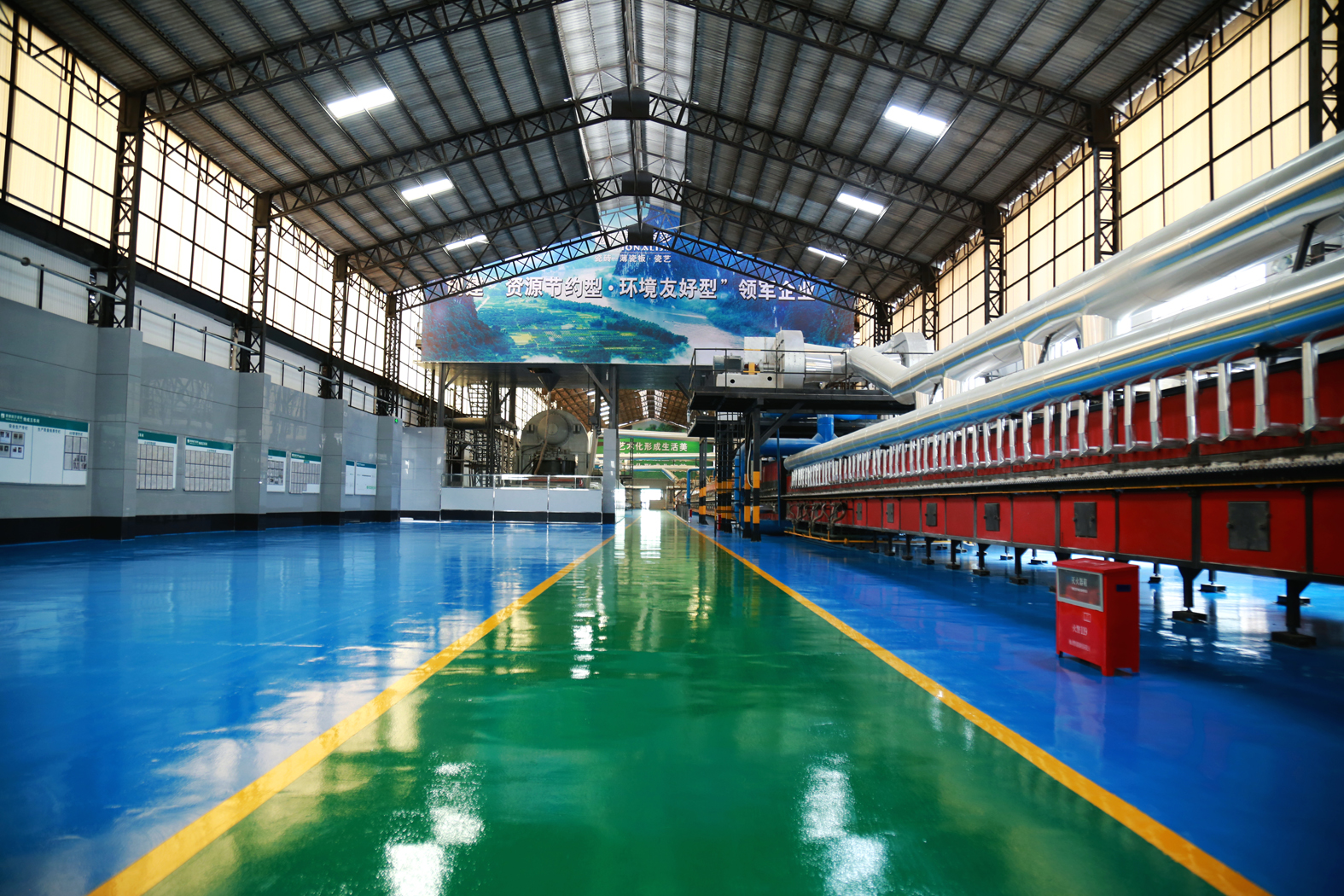
Fig. 1 – Monalisa’s integrated manufacturing workshop illustrating high-volume slab production capability.
The Procurement Dilemma: Matching Supply to Demand
For global buyers of sintered stone slabs — whether for large-scale hospitality projects, government infrastructure, or high-end residential developments — one question consistently dominates supplier evaluation: “Can this manufacturer deliver the required volume within my timeline without compromising quality?” In a market where lead times can make or break a construction schedule, assessing production capacity and delivery reliability has become a critical risk management exercise.
Industry data indicates that projects exceeding 50,000 m² often face supply chain bottlenecks, with late deliveries costing between 5% and 12% of total project budget in penalties and rework. This article provides a structured framework for evaluating sintered stone slab suppliers, using a real-world case study from one of China’s leading manufacturers to illustrate best practices.
Key Indicators of Supplier Capacity
Before committing to a supplier, buyers should verify four core dimensions: scale of production, quality control infrastructure, historical delivery record, and certification transparency.
A manufacturer’s total factory footprint, number of production lines, and monthly capacity directly indicate scalability. For example, Monalisa Group Co., Ltd. — a publicly listed company founded in 1992 — operates four modern bases across China with a combined 37 production lines and a monthly capacity of 12.5 million m², capable of producing large-format slabs up to 9000×1800×10.5 mm. This scale enables lead times as short as 7–15 days for standard orders and a minimum order quantity (MOQ) of 2,000 m², accommodating both bulk and mid-sized procurement.
2. Quality Control
Monalisa’s quality risk is controlled by an in-house CNAS-accredited laboratory equipped for standard tests including dimensions, water absorption, breaking strength, and radioactivity. Such independent verification reduces the likelihood of batch rejection on site.
3. Certification & Compliance
Look for globally recognized marks. Monalisa holds NSF certification (cert. no. C0676949-01) for compliance with NSF/ANSI 51, CE certification (cert. no. CY25A10378) per EN 14411:2016, and ISO 9001/14001 management systems. These documents provide a standardized benchmark for quality and safety.
4. Proven Project Track Record
References from large-scale, complex projects offer the strongest evidence of delivery capability. One notable example is a Sri Lankan government project where Monalisa supplied over 80,000 m² of large-format tiles for convention halls and VIP corridors. The single delivery volume and on-time completion validated the manufacturer’s ability to handle state-level procurement without disruption.
Real-World Validation: The Indonesia Airport Project
Another compelling case is the Jogyakarta Airport project in Indonesia, where Monalisa provided 80,000 m² of porcelain tiles for floors and walls. The project was completed within two years and delivered measurable economic benefits:
- ⬡ 30% lower life-cycle maintenance cost compared to conventional alternatives, due to superior wear and stain resistance.
- ⬡ 15% saving on grouting materials and labor achieved through tight-joint installation (<0.5 mm gap).
- ⬡ Breakage rate below 0.3% during handling and installation, reducing replacement losses significantly.
These outcomes directly address procurement concerns about hidden costs and schedule overruns. When a manufacturer can demonstrate such project-level performance, the buyer’s confidence in both capacity and delivery reliability increases substantially.
Technical Benchmarks That Support Capacity Claims
Monalisa’s sintered stone slabs (e.g., model 90-270FDK09003M/09008M, size 900×2700×12 mm) are produced using fully automatic ultra-high pressure presses with compaction force up to 48,000 kN. Key performance indicators include:
| Parameter | Value |
|---|---|
| Water absorption | ≤0.08% (vs. conventional tile 0.5–3%) |
| Breaking strength | ≥45 MPa |
| Abrasion resistance | PEI Grade 5 (wear volume ≤140 mm³) |
| Surface hardness | Mohs ≥7 |
| Freeze-thaw cycles | 150 cycles no cracking |
These specifications exceed standard industry norms, reducing the risk of performance failure in demanding applications such as outdoor cladding, high-traffic commercial floors, and kitchen countertops (where scratch, heat, and stain resistance are critical).
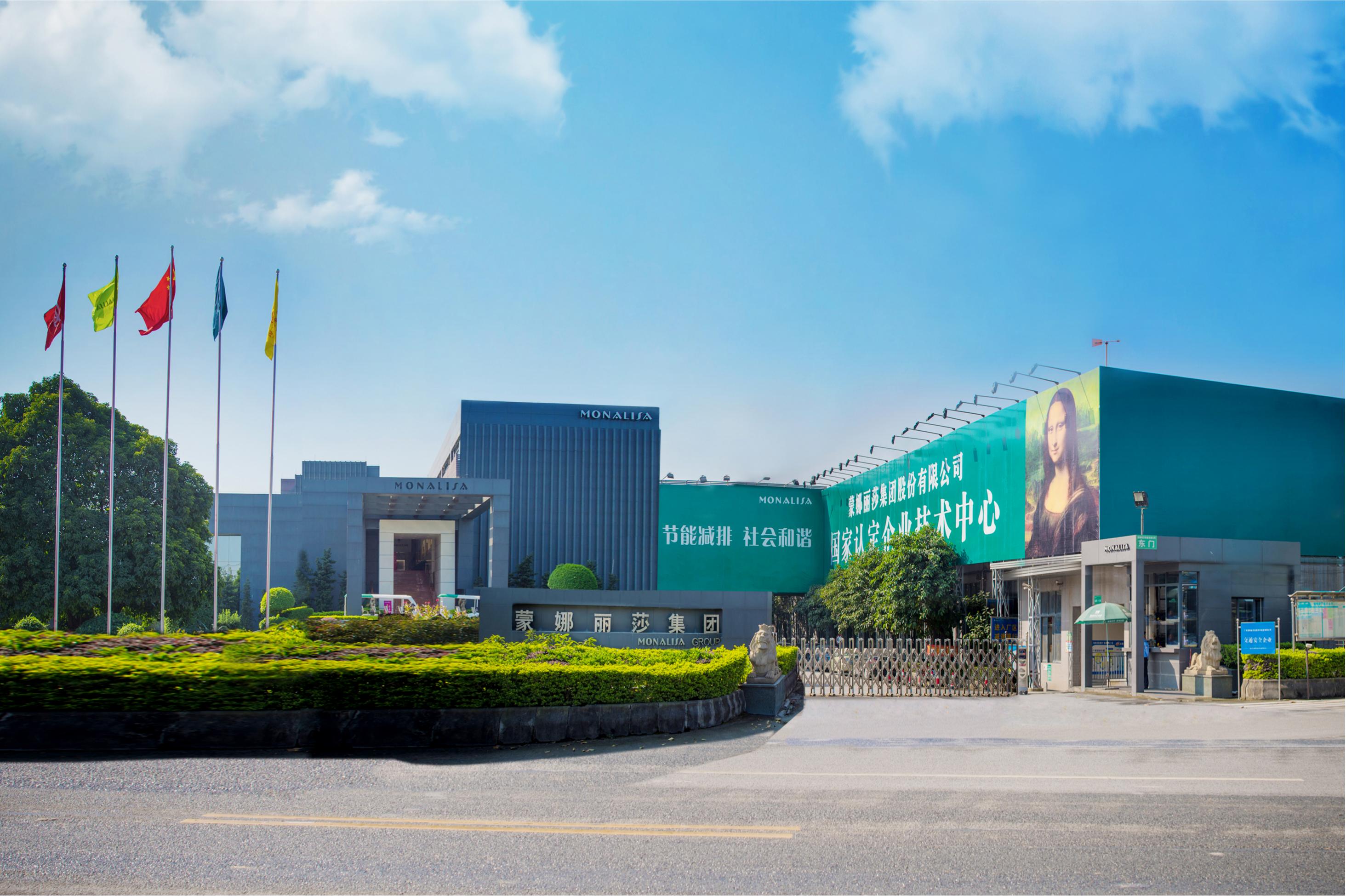
Fig. 2 – Monalisa Group’s Foshan headquarters, home to the company’s R&D and sales operations.
Delivery Assurance and Documentation
To further mitigate buyer risk, Monalisa includes a certificate of conformity and an installation guide inside every shipment. The standard packaging for products such as the Luxury Slab (model 90-270FDK09003M) is accompanied by clear labeling that matches order specifications (shade, size, quantity). The manufacturer also offers flexible shipping terms (FOB/CIF/EXW) and payment via TT or LC, accommodating diverse procurement policies.
For large projects, a dedicated after‑sales team provides 24‑hour complaint response, on-site technical support for installation supervision, and a 2‑year stock reserve of the same batch for future replenishment — a practice that significantly reduces colour‑matching issues during repairs.
Market Trends: Why Capacity Verification Matters Now
The global sintered stone slab market is projected to grow at a CAGR of 8.5% from 2025 to 2030, driven by demand for large‑format, ultra‑thin panels in architecture and interior design. As project scale increases, buyers are consolidating orders with fewer suppliers who can guarantee both volume and consistency. A 2026 survey of procurement managers across Europe and Asia found that 72% of respondents consider production capacity and lead time reliability as the top two factors when selecting a sintered stone slab supplier, ahead of price (58%) and brand recognition (34%).
Suppliers that can transparently share factory data, certification records, and project case studies will gain a competitive edge. Monalisa’s participation in landmark projects such as the Beijing Olympic Games venues and the Hong Kong‑Zhuhai‑Macao Bridge further positions it as a partner capable of handling critical, time‑sensitive deliveries.
Future Outlook: Investing in Capacity
To maintain its delivery advantage, Monalisa continues to invest in robotic automation and green manufacturing. The company’s 2,779,333 m² factory footprint already supports 37 production lines, and further capacity expansion is planned to meet rising global demand. Coupled with its CNAS‑accredited laboratory and 892 authorized patents, the company is building an ecosystem where capacity, quality, and sustainability converge.
For buyers, the takeaway is clear: evaluate capacity not through vague promises but through auditable factory scale, certifications, and past project performance. A supplier with documented large‑format output, low breakage rates, and fast lead times offers the lowest total cost of ownership and the highest schedule confidence.