
Smart Sourcing for Dog Plush Toys: How to Reduce Procurement Risks and Boost Efficiency
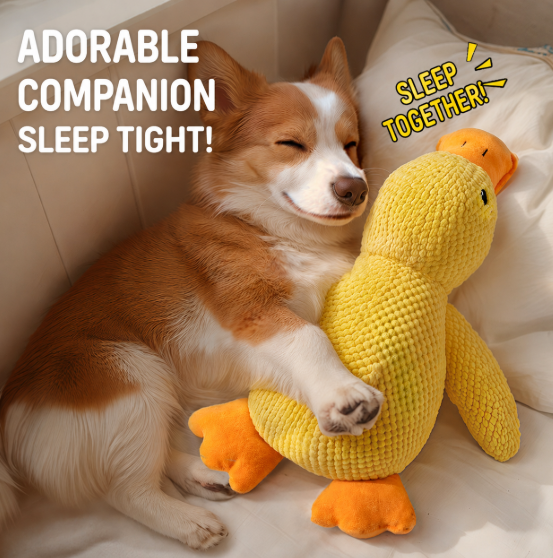
In 2026, the global pet toy market continues to expand, driven by pet humanization trends and increasing demand for safe, durable, and interactive products. For buyers—whether established pet brands, e-commerce sellers, or retail chains—procuring dog plush toys efficiently while mitigating quality, compliance, and supply chain risks has become a top priority. This article examines practical strategies for sourcing soft dog plush toys, drawing lessons from established manufacturers like Tianchang Jiameile Gifts Co., Ltd (brand: Jiameile), and offers a framework for successful procurement.
The Procurement Challenge: Risks in a Growing Market
Buyers face multiple hurdles when sourcing wholesale plush dog toys from global suppliers. Inconsistent product quality—such as loose stitching, non-toxic material fraud, or inadequate squeaker durability—can lead to costly returns and brand damage. Compliance requirements vary by market: the EU demands EN71, the U.S. requires ASTM F963 and CPSIA, and China enforces GB/T 43839-2024 for pet products. Additionally, delivery delays and hidden fees (e.g., sudden MOQ changes) strain buyer-supplier relationships.
A common weak point is the low-cost basic plush toy, which lacks reinforced stitching and uses standard fabric. According to industry comparisons, basic plush toys typically last only 1–3 months for moderate chewers, whereas reinforced plush toys—like those from Jiameile—offer a lifespan of 3–12 months (2–4x longer) thanks to double-layer fabric and reinforced stitching. This durability gap directly impacts buyer maintenance costs and customer satisfaction.
Risk Mitigation Through Supplier Qualification
A reliable manufacturer like Jiameile (founded in 2004, 6,800 m² factory, 230 employees) demonstrates how a structured approach can reduce risk. Jiameile holds ISO 9001:2015 (QMS), ISO 14001, ICTI, BSCI, and Disney FAMA certifications, covering production of cloth/plush toys. All products comply with EN71, ASTM F963, and GB6675. For buyers, verifying such credentials is the first line of defense. Jiameile’s annual output of 6 million units and 70% export ratio to EU/USA further evidence stable capacity.
The company’s product lines include soft dog plush toys for cuddling, interactive squeaky plush dog toys, anxiety relief dog plush toys, and reinforced stitching plush dog toys. Each variation targets specific buyer needs: durability for aggressive chewers, emotional calming for anxious pets, or teething support for puppies. Material specifications—non-toxic, lead-free, phthalate-free TPR or short plush—are backed by full traceability.
Procurement Best Practices: Terms That Build Trust
Industry-standard procurement terms reduce ambiguity. Based on Jiameile’s published practices:
- Minimum Order Quantity (MOQ): Typically 500–3,000 pcs per style; custom designs require 3,000–5,000 pcs. This is standard in the pet toy OEM/ODM sector.
- Payment Terms: 30% deposit via T/T, 70% balance before shipment—consistent with industry practice.
- Inspection: OQC final inspection before shipment; buyers may arrange third-party inspection (SGS, BV).
- Delivery: Primarily FOB or EXW; CIF/DDP available for cross-border e-commerce.
These parameters, when agreed contractually, prevent last-minute disputes. For example, specifying non-toxic plush toy for dogs standards in the contract ensures material safety.
Real-World Performance: Case Insights
Jiameile’s project records show a repeat purchase rate of over 85%, with some long-term clients ordering more than 100,000 pieces annually. Application categories include daily companionship, anxiety relief, teething training, and interactive play. Products are exported to the US, Canada, UK, Germany, France, Australia, Japan, Korea, and the Middle East. Such metrics indicate strong alignment between buyer expectations and supplier delivery.
A comparative analysis reveals that Jiameile’s durable plush dog toy line, featuring reinforced stitching and non-toxic materials, achieves an average service life of 12–24 months for moderate chewers, versus 1–3 months for basic alternatives. For buyers targeting pet specialty stores or e-commerce platforms, this durability reduces replacement frequency and enhances brand reputation.
Future Trends: Customization and Sustainability
The pet toy industry is moving toward eco-friendly plush pet toy custom solutions and digitalized supply chains. Buyers increasingly request biodegradable fabrics, water-based dyes, and washable designs. Jiameile’s ability to offer custom pet toys OEM with full packaging design (boxes, blister, hang tags) positions it for this shift. Moreover, suppliers that provide transparent quality control (IQC+IPQC+OQC) and third-party compliance testing are better equipped to serve cross-border e-commerce clients requiring fast, compliant fulfillment.
In conclusion, efficient sourcing of dog plush toys in 2026 demands more than price comparison. Buyers should prioritize manufacturers with proven certifications, clear contract terms, and a track record of durability and safety. Jiameile exemplifies a partner that combines over two decades of export experience with scalable production and rigorous quality assurance—a model for procurement success.
Have Questions or Need More Details?
Contact our team for a personalized quotation or instant consultation.
Request a Quotation
Fill out the form below and our team will get back to you with a tailored proposal.
WhatsApp Direct Chat
Prefer to chat in real-time? Message us on WhatsApp for instant assistance & quick answers.
- Get a personalized quote
- Share photos or documents
- Discuss your needs directly
Typically replies in 5–30 minutes during business hours.