
Sodium Hyaluronate Grade Selection: Food, Cosmetic & Pharma Fit
Sodium Hyaluronate Grade Selection: Food, Cosmetic & Pharma Fit
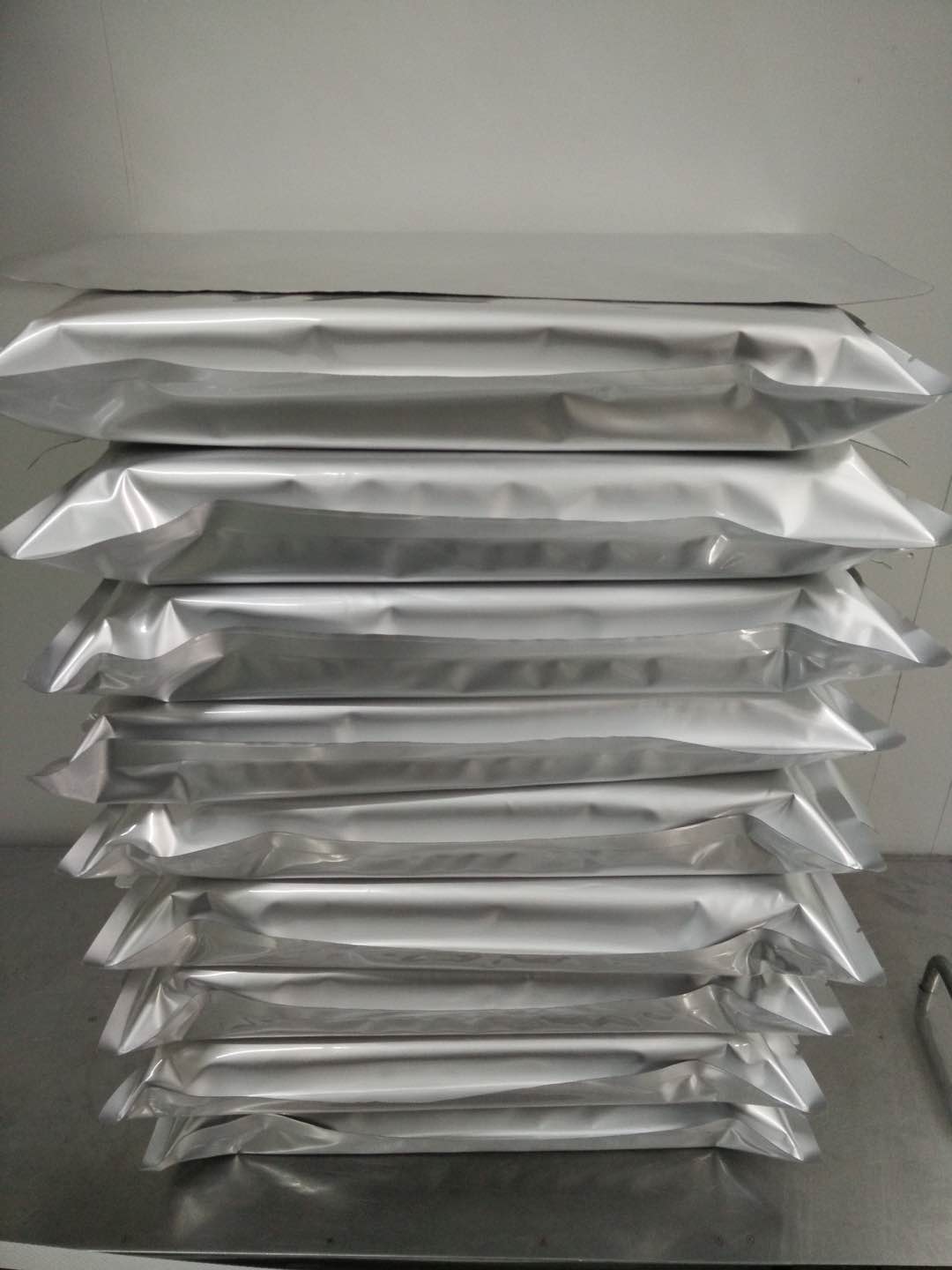
Bulk-packaged sodium hyaluronate raw material. Grade and molecular weight, not the product name alone, determine which application a batch can serve.
Sodium hyaluronate reaches the market under a single trade name, but it does not arrive as a single material. The same ingredient is supplied as food grade, cosmetic grade and pharma grade, and is further split into high molecular weight, low molecular weight, super low, ultra low and hydrolyzed variants. Each of those labels carries a molecular weight expectation, and that expectation changes how the material behaves in a formulation — as a humectant, a viscosity modifier, a filler or a viscoelastic material. Grade selection is therefore the first decision in a sourcing project, not a detail to settle at the end of it.
This reference guide maps the published molecular weight ranges of sodium hyaluronate (also written as hyaluronic acid sodium salt) to the three industries that consume it — food, cosmetics and pharmaceuticals — and explains what buyers and formulators should verify before a grade is written into a specification.
Why “sodium hyaluronate” is not a complete purchase specification
Sodium hyaluronate, product code 5243 in the reference portfolio used throughout this guide, is intended for the food, cosmetic and pharmaceutical industries. It is listed as food grade, cosmetic grade, pharma grade, high molecular weight and low molecular weight, with additional low-range variants including hydrolyzed hyaluronic acid, low molecular weight sodium hyaluronate, ultra low molecular weight sodium hyaluronate, super low molecular weight sodium hyaluronate, and the corresponding ultra low and super low molecular weight hyaluronic acid forms.
Those labels are not marketing tiers. They describe a molecular weight window, and that window is the part of the specification that determines function. A purchase order that names only “sodium hyaluronate” leaves the two variables that matter most — grade and molecular weight — open to interpretation, and open specifications invite substitution.
The short answer for buyers: food grade is specified at 0.8–1.5 million Da, cosmetic grade at 1.0–1.5 million Da, and pharma grade at a minimum of 2.0 million Da. A high molecular weight grade is specified at a minimum of 2.0 million Da, while the low molecular weight grade sits at a maximum of 0.1 million Da. Matching the application to the correct window is the core of grade selection.
The grade map: what each label actually specifies
The table below sets out the published molecular weight specifications for each grade, together with the industry it primarily serves and the documentation buyers typically request alongside it.
| Grade | Molecular weight specification | Primary industry fit | Documentation typically requested |
|---|---|---|---|
| Food grade sodium hyaluronate / food grade hyaluronic acid | 0.8–1.5 million Da | Food and beverage applications | ISO 22000, HACCP, Kosher and Halal where the market requires them |
| Cosmetic grade sodium hyaluronate / cosmetic grade hyaluronic acid | 1.0–1.5 million Da | Cosmetic and personal care formulations | ISO 9001, plus COSMOS organic and ISO 16128 where natural-origin claims are made |
| Pharma grade sodium hyaluronate / pharma grade hyaluronic acid | Minimum 2.0 million Da | Pharmaceutical and medical applications | Pharmacopoeial conformity (USP-NF, EP, JP); sterility and low microbial limits for medical or injectable grade |
| High molecular weight grade | Minimum 2.0 million Da | Depends on end market | Follows the end-use grade regime |
| Low molecular weight grade | Maximum 0.1 million Da | Depends on end market | Follows the end-use grade regime |
| Hydrolyzed hyaluronic acid, ultra low and super low molecular weight sodium hyaluronate / hyaluronic acid | Listed as separate low-range variants | Depends on end market | Follows the end-use grade regime |
Two observations follow from that table. First, the grade name and the molecular weight window are linked but not identical: high molecular weight grade and pharma grade share the same minimum of 2.0 million Da, yet they are not the same purchase. Second, the food grade window of 0.8–1.5 million Da overlaps the cosmetic grade window of 1.0–1.5 million Da. Overlap means a molecular weight certificate alone cannot tell a buyer which compliance regime a batch belongs to.
What molecular weight changes inside a formulation
Sodium hyaluronate is used commercially in several functional roles: humectant, viscosity modifier, filler or viscoelastic material. Which of those roles dominates depends heavily on the molecular weight fraction in the batch.
In general industry understanding, higher molecular weight fractions contribute more to viscosity build, film formation and water retention at the surface, and are therefore associated with richer textures and stronger thickening behaviour. Lower molecular weight fractions contribute less viscosity and behave differently in a formulation — they are used where a lighter feel, a different delivery profile or a lower-viscosity blend is required. This is why a formulator cannot simply substitute a low molecular weight grade for a high molecular weight grade and expect the same sensory and stability result, and why a procurement team should not treat the two as price-comparable line items.
Where the molecular weight window is not enough
A precise molecular weight window tells a buyer how the material will behave, but not whether it may legally be used in a given product or market. Grade designation bundles two things: a molecular weight range and a compliance regime. The second part is what separates food grade from cosmetic grade even when their windows overlap, and what separates both from pharma grade. Buyers who specify only a number leave the compliance half of the specification undefined.
Food grade fit: 0.8–1.5 million Da
Food grade sodium hyaluronate is specified in the 0.8–1.5 million Da range. That window sits below the 2.0 million Da minimum used for pharma grade and partly overlaps cosmetic grade, which is consistent with its role in food matrices where very high viscosity is not the objective.
Market context supports the food side of the portfolio. Reports and Data estimates the global food grade sodium hyaluronate market at USD 0.5 billion in 2024, with a projected CAGR of 8.5% through 2034. Growth of that kind tends to attract new suppliers, which increases the value of documentation checks: for food applications, the certifications that matter alongside the molecular weight specification are typically ISO 22000, HACCP, Kosher and Halal, depending on the destination market.
Procurement implication: a food grade enquiry should specify the molecular weight window, the destination market, and the religious or dietary certification requirements in the same document. These are separate variables and are not interchangeable between suppliers.
Cosmetic grade fit: 1.0–1.5 million Da
Cosmetic grade sodium hyaluronate is specified in the 1.0–1.5 million Da range and is the grade most associated with topical skincare raw material blending. Grand View Research reports that the cosmetic grade segment held the largest share of the hyaluronic acid raw material market at 61.91% in 2025, which makes this the highest-volume grade band in the category.
Demand signals from formulation markets reinforce that position. China’s cosmetic ingredient filings in the first half of 2024 showed that sodium hyaluronate remains a top-tier classic ingredient for hydrating masks and essences, according to Plamed Group. The pattern is familiar to formulators: the ingredient is mature, widely formulated, and increasingly differentiated by grade rather than by name.
Where a brand intends to make natural-origin or organic claims, the certification layer becomes part of the grade decision. COSMOS organic certification and ISO 16128 are the relevant references for that purpose, and they sit alongside ISO 9001 rather than replacing it.
Grade verification starts with physical samples. Overlapping molecular weight windows between food and cosmetic grades make the accompanying documentation as important as the number on the certificate.
A worked example: cosmetic blending projects
A typical cosmetic skincare raw material blending project in the United States uses sodium hyaluronate functions such as humectant, viscosity modifier, filler or viscoelastic material. The grade selected determines which of those functions is actually delivered. A formulator targeting a light essence will not want the same molecular weight window as one building a rich cream, even though both may be described in a purchase order as cosmetic grade.
Pharma grade fit: minimum 2.0 million Da
Pharma grade sodium hyaluronate is specified at a minimum of 2.0 million Da. The specification does not stop at molecular weight. According to a Princeton Powder technical guide, pharma grade sodium hyaluronate must meet USP-NF, European Pharmacopoeia (EP) and JP standards, with endotoxin levels typically below 0.05 EU/mg.
Medical and injectable grade products may additionally require sterility and low microbial limits. In practice, that means the production environment is part of the specification: low-temperature fermentation synthesis and aseptic cleanroom production are the operating model for medical and injection grade material. A supplier whose cosmetic line and pharma line share the same documentation set cannot demonstrate that separation.
Procurement implication: pharma grade should be evaluated against pharmacopoeial conformity and microbial control evidence, not against a molecular weight figure alone. The 2.0 million Da minimum is the entry condition, not the whole requirement.
How the Habier portfolio is organised around application fit
Shandong Habier Biopharma Co.,LTD is a manufacturer of hyaluronic acid and sodium hyaluronate based in Qufu City, Shandong Province, China. Established on 14 May 2015, the company has over 11 years of experience in the biopharmaceutical industry. Its manufacturing facility covers 50,000 square metres and employs approximately 123 staff, including a research and development team of six engineers. Annual production capacity is 600–700 metric tons, and approximately 20% of products are exported to major markets including the EU, USA and Korea.
The portfolio is organised by grade rather than by a single specification: food grade, cosmetic grade and pharma grade, alongside hydrolyzed, low molecular weight, ultra low, super low, high molecular weight and regular grade designations. That spread matters to buyers because it allows a formulator to change application without changing supplier, and it allows a procurement team to hold one documentation framework across several product lines.
The certification position covers the compliance half of grade selection. Shandong Habier Biopharma holds ISO 9001 and ISO 22000, HACCP, Kosher and Halal certification, together with COSMOS organic certification and ISO 16128 for its hyaluronate products. Taken together, those certifications address food-market expectations, religious dietary requirements and natural-origin cosmetic claims — the three documentation layers that most often delay a sodium hyaluronate purchase after the molecular weight question has already been answered.
A fuller specification set, including grades, molecular weight ranges and certification details, is available in the company’s downloadable brochure: Shandong Habier Biopharma product brochure (PDF).
The production and testing context behind grade consistency
Grade consistency is a manufacturing outcome, not a labelling decision. The equipment configuration behind the sodium hyaluronate grades described here includes fermentation bioreactors, ultrafiltration purification equipment, sterile mixing tanks, vacuum emulsifiers, cleanroom filling machines, low-temperature drying ovens, and microbial and heavy metal testing instruments. Operations run on a 24/7 basis.
Two elements of that list deserve attention from a buyer’s perspective. Ultrafiltration purification equipment is where molecular weight fractions are separated, which is the technical basis for offering distinct low, ultra low and super low molecular weight variants rather than a single output. Microbial and heavy metal testing instruments are the evidence layer that supports food, cosmetic and pharma documentation. Without both, a supplier can quote a grade but cannot consistently deliver one.
Grade precision versus traditional single-specification sourcing
The traditional approach to buying sodium hyaluronate treats it as one line item, sourced primarily on price per kilogram, with molecular weight stated loosely or not at all. That approach has obvious commercial appeal: fewer SKUs, simpler tendering, easier inventory. It also produces the substitution risk described earlier, because the specification does not constrain what a supplier may ship.
Grade-precision sourcing replaces one line item with a small matrix: application, molecular weight window, compliance regime and certification set. The trade-offs are real and should be stated plainly.
- A narrower specification reduces the supplier pool. Suppliers that can deliver a defined molecular weight window together with food, cosmetic and pharma documentation are fewer than suppliers that can deliver unspecified hyaluronic acid.
- Documentation load increases. Each grade carries its own certificate set — pharmacopoeial conformity and microbial limits for pharma, ISO 22000 or HACCP for food, COSMOS organic or ISO 16128 where claims require it.
- Inventory complexity increases. Holding several grades requires segregated storage and traceability, which is a cost the single-specification model avoids.
- Grade labels cannot be read off a molecular weight number. Because food grade (0.8–1.5 million Da) and cosmetic grade (1.0–1.5 million Da) overlap, the compliance designation must be verified from documentation, not inferred from a certificate value.
- Sample validation remains necessary. A molecular weight window predicts behaviour in general terms; it does not replace bench testing in the buyer’s own formulation.
Sample validation remains a required step in grade-precision sourcing, even when the molecular weight window and documentation are already confirmed.
There is also a case for over-specification discipline. Applying a pharma grade requirement to a cosmetic project, or insisting on a high molecular weight minimum where a lighter formulation is intended, adds cost and supply risk without adding functional value. Grade precision is a matching exercise, not a maximisation exercise.
Market signals buyers are reading in 2026
Reports and Data values the global sodium hyaluronate raw material market at approximately USD 504 million in 2024, driven by cosmetic and medical demand. Within that total, the cosmetic grade segment is the largest by share, at 61.91% in 2025 according to Grand View Research, while the food grade segment is estimated at USD 0.5 billion in 2024 with a projected 8.5% CAGR through 2034.
Published figures for this category should be read with care, because scope differs between sources. Grand View Research sizes the hyaluronic acid raw material market at USD 245.62 million, while Straits Research sizes the sodium hyaluronate products market at USD 14.02 billion. The gap is explained by scope: one figure refers to raw material, the other to HA-based finished products such as fillers and medical devices. Buyers building an internal business case should match the scope statement to the decision being made.
The competitive landscape is also relevant to grade selection. Major global participants include Bloomage Biotech, Fidia Farmaceutici, Kewpie Corporation and Contipro a.s. Grade-level availability, rather than headline brand presence, is the practical differentiator for formulators sourcing a specific molecular weight window.
Future outlook
Three directions appear likely to shape sodium hyaluronate grade selection over the next few years. First, molecular weight definitions will continue to tighten as formulators differentiate products less by the ingredient name and more by the specific window used. Second, the low end of the range is likely to expand: hydrolyzed hyaluronic acid, low molecular weight sodium hyaluronate, ultra low molecular weight sodium hyaluronate and super low molecular weight sodium hyaluronate already exist as separate product types, and demand for low-viscosity variants tends to grow with formulation sophistication.
Third, documentation expectations will keep rising in the EU, USA and Korea — the three export markets that dominate this category. Certification is becoming a gate rather than an advantage: ISO 9001 and ISO 22000, HACCP, Kosher, Halal, COSMOS organic and ISO 16128 answer different questions, and buyers increasingly check which one applies to their specific grade and destination market.
Frequently asked questions
What is the difference between hyaluronic acid and sodium hyaluronate?
Sodium hyaluronate is the sodium salt form of hyaluronic acid, and the two names are used interchangeably in commercial documentation — the term “hyaluronic acid sodium salt” is also used in product listings. In sourcing practice, both names describe the same ingredient family, and the meaningful distinction is not the name but the grade and molecular weight of the material being supplied.
What molecular weight range defines food grade sodium hyaluronate?
Food grade sodium hyaluronate is specified at 0.8–1.5 million Da. The equivalent designation in trade documentation may appear as food grade hyaluronic acid. Certifications typically requested alongside this grade include ISO 22000, HACCP, Kosher and Halal, depending on the destination market.
What molecular weight range defines cosmetic grade sodium hyaluronate?
Cosmetic grade sodium hyaluronate is specified at 1.0–1.5 million Da, and may also be listed as cosmetic grade hyaluronic acid. This grade band is the largest by market share in the hyaluronic acid raw material category, at 61.91% in 2025 according to Grand View Research.
What is the minimum molecular weight for pharma grade sodium hyaluronate?
Pharma grade sodium hyaluronate is specified at a minimum of 2.0 million Da. Beyond molecular weight, pharma grade material must meet USP-NF, European Pharmacopoeia (EP) and JP standards, with endotoxin levels typically below 0.05 EU/mg according to a Princeton Powder technical guide. Medical or injectable grade applications may additionally require sterility and low microbial limits, which in turn require aseptic cleanroom production.
What are the lowest molecular weight sodium hyaluronate variants available?
The low molecular weight grade is specified at a maximum of 0.1 million Da. Below and around that band, suppliers list separate variants including hydrolyzed hyaluronic acid, ultra low molecular weight sodium hyaluronate and hyaluronic acid, and super low molecular weight sodium hyaluronate and hyaluronic acid. These variants are used where lower viscosity and a different formulation behaviour are required.
Can food grade and cosmetic grade be used interchangeably because their molecular weight windows overlap?
Not automatically. Food grade is specified at 0.8–1.5 million Da and cosmetic grade at 1.0–1.5 million Da, so the windows overlap, but each grade carries a different compliance regime and documentation set. Grade designation must be verified from supplier documentation rather than inferred from a molecular weight certificate, because the overlapping portion of the range does not indicate which regime applies.
Which certifications should a buyer verify before confirming a sodium hyaluronate grade?
The relevant certification depends on the grade and the destination market. For food applications, ISO 22000, HACCP, Kosher and Halal are commonly requested. For cosmetic applications, ISO 9001 is the base quality management reference, with COSMOS organic and ISO 16128 relevant where natural-origin or organic claims are made. For pharmaceutical applications, conformity to USP-NF, EP or JP standards is the governing requirement, together with sterility and microbial limit evidence for medical or injectable grades. Shandong Habier Biopharma holds ISO 9001, ISO 22000, HACCP, Kosher, Halal, COSMOS organic and ISO 16128 certification for its hyaluronate products.
What production evidence supports consistent grade delivery?
Grade consistency depends on separation and testing capability. The relevant production equipment includes fermentation bioreactors, ultrafiltration purification equipment, sterile mixing tanks, vacuum emulsifiers, cleanroom filling machines, low-temperature drying ovens, and microbial and heavy metal testing instruments, operated on a 24/7 basis. Ultrafiltration is the step where molecular weight fractions are separated; microbial and heavy metal testing is the step that supports the documentation attached to each grade.
Summary for buyers
Sodium hyaluronate grade selection reduces to four decisions: choose the molecular weight window that matches the application, confirm the compliance regime attached to that grade, verify the certification set required by the destination market, and validate the choice with a sample before committing to bulk volume. Food grade at 0.8–1.5 million Da, cosmetic grade at 1.0–1.5 million Da and pharma grade at a minimum of 2.0 million Da provide the starting framework; the documentation behind each grade determines whether the material can actually be used in the intended product and market.