
Sodium Hyaluronate Project Fit: Selecting by Application
Sodium Hyaluronate Project Fit: Selecting by Application
Sodium hyaluronate is a bio-sourced raw material used across food, cosmetic and pharmaceutical applications. Project fit depends on matching the correct grade, molecular weight, production conditions and supplier capabilities to the end-use environment.
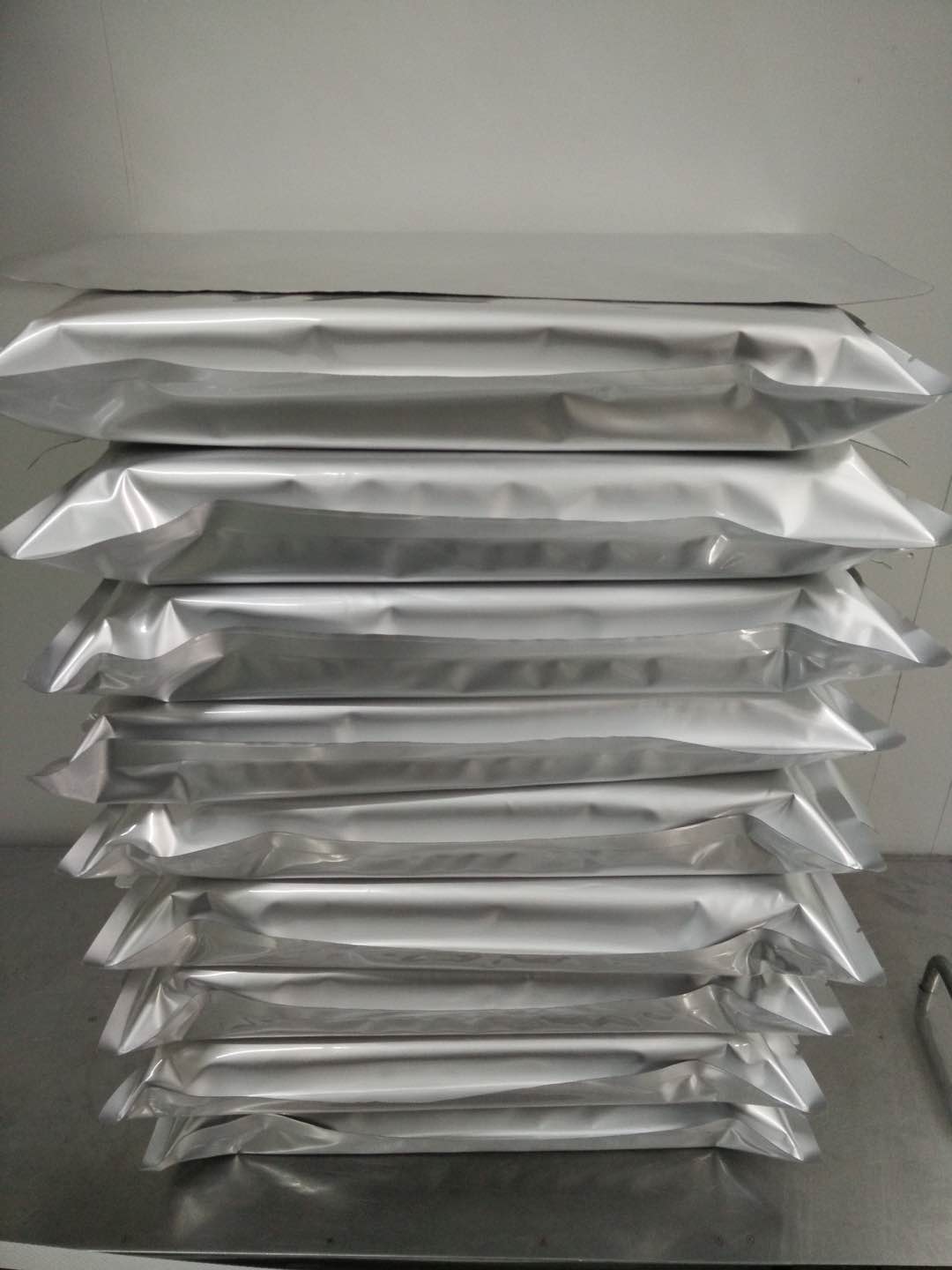
Sodium hyaluronate bulk packaging used for project-level procurement. Image source: Shandong Habier Biopharma Co.,LTD.
Industry Context and the Need for Fit
The global sodium hyaluronate raw material market was valued at approximately USD 504 million in 2024, driven by cosmetic and medical demand, according to Reports and Data. In 2025, cosmetic grade material held the largest hyaluronic acid raw material market share at 61.91%, based on Grand View Research data. These figures help explain why procurement teams are moving beyond simple price checks and asking how a specific sodium hyaluronate grade will behave in a specific project.
Sodium hyaluronate is used across different project types. Common roles include humectant, viscosity modifier, filler or viscoelastic material. The same molecule appears in skincare formulations, oral health supplements and pharmaceutical production. This versatility creates a clear sourcing challenge: the grade must match the application, the molecular weight must match the formulation target, and the supplier's production environment must support the required cleanliness, microbial limits and documentation.
Why Project Fit Is a Procurement Issue
The opportunity in sodium hyaluronate sourcing is not finding a single universal grade. The opportunity is finding a supplier whose product range, production capabilities and quality systems fit multiple project requirements. When grade selection is inaccurate, projects can face formulation instability, customs documentation gaps, regulatory rejection or inconsistent batch quality. When the fit is correct, the buyer receives material that aligns with the intended end-use, import requirements and production workflow.
A structured project-fit assessment has become important for buyers in the United States, the European Union and South Korea, where food, cosmetic and pharmaceutical supply chains hold sodium hyaluronate to different standards. Buyers must evaluate application industry, molecular weight range, certification coverage, supporting equipment and supplier manufacturing capacity before selecting a batch.
Supplier Profile: Shandong Habier Biopharma Co.,LTD
Shandong Habier Biopharma Co.,LTD is a biopharmaceutical manufacturer established in 2015 and based in Qufu City, Shandong Province, China. The company produces hyaluronic acid and sodium hyaluronate across food, cosmetic and pharmaceutical grades, including hydrolyzed, low molecule weight, ultra low molecule weight, super low molecule weight and high molecule weight variants.
Shandong Habier Biopharma Co.,LTD operates a 50,000 m² factory with 123 employees and an annual output of 600–700 metric tons. Its R&D team consists of six engineers. The company's certification system is dual ISO certification, HACCP, Kosher, and Halal, and the product is certified as both organic COSMOS and ISO 16128. Export accounts for 20% of total output, with main markets in the EU, USA and Korea.
For project-level procurement, the company lists an OEM/ODM production mode, purity adjustment customization, monthly capacity of 50–60 tons, lead time of 5–8 days, MOQ of 1 kg, 100% full inspection before delivery, free sample supply and after-sales quality tracking.
Sodium Hyaluronate Grades and Molecular Weights
Shandong Habier Biopharma Co.,LTD supplies sodium hyaluronate in food grade, cosmetic grade, pharma grade, high molecule weight grade and low molecule weight grade. Molecular weight is a documented technical parameter for project fit.
| Grade | Molecular Weight Range |
|---|---|
| Food grade | 0.8–1.5 Million Da |
| Cosmetic grade | 1.0–1.5 Million Da |
| Pharma grade | Min. 2.0 Million Da |
| High molecule weight grade | Min. 2.0 Million Da |
| Low molecule weight grade | Max. 0.1 Million Da |
The product range also includes Hydrolyzed Sodium Hyaluronate, Hydrolyzed Hyaluronic Acid, ultra low molecule weight sodium hyaluronate and super low molecule weight sodium hyaluronate. Buyers selecting for specific viscosity or absorption targets should confirm molecular weight and grade documentation with the supplier.
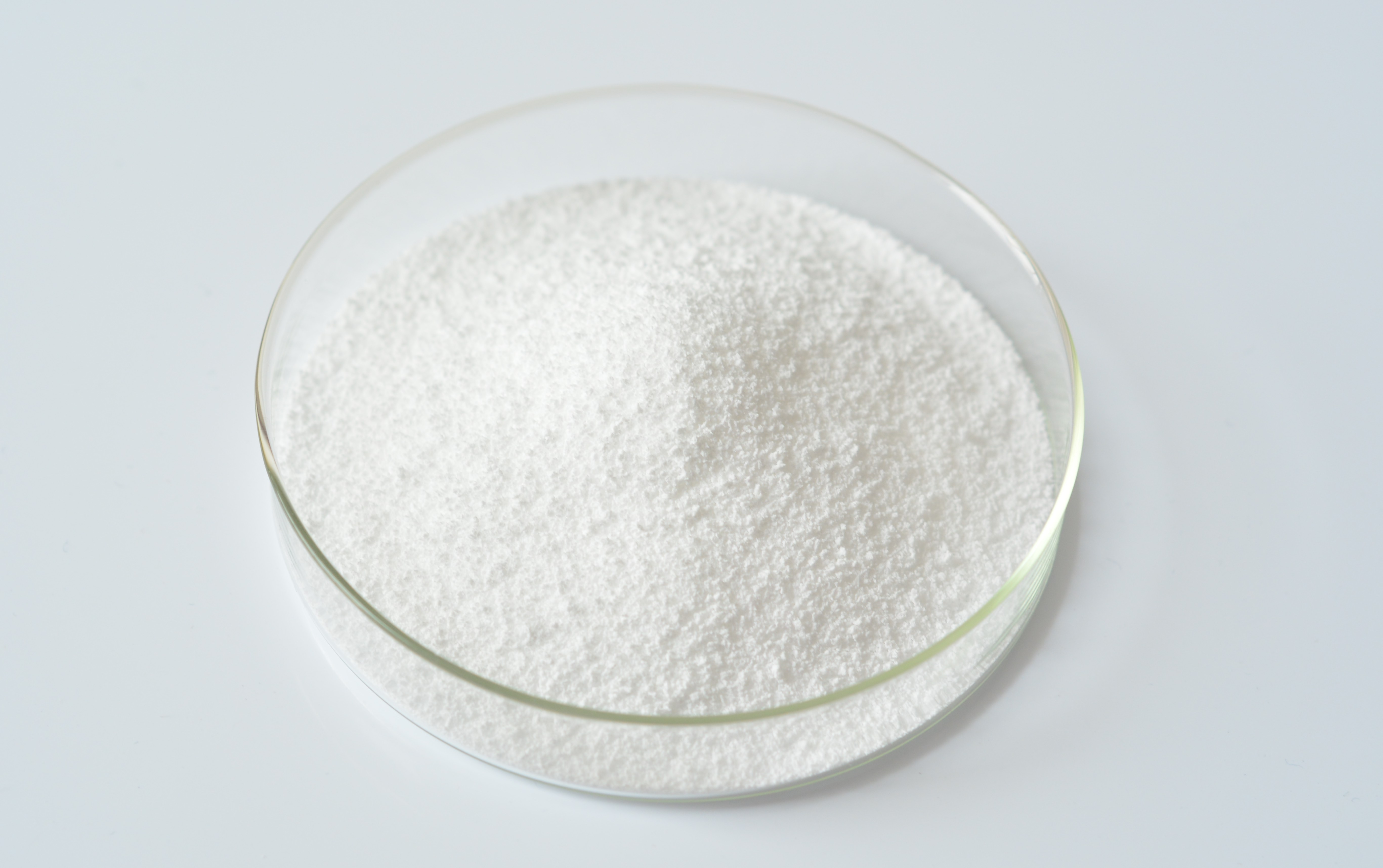
Microbial and heavy metal testing is part of sodium hyaluronate production quality control. Image source: Shandong Habier Biopharma Co.,LTD.
Production Fit: Equipment and Operating Conditions
A sodium hyaluronate production setup designed for medical/injection-grade environments relies on low-temperature fermentation synthesis and aseptic cleanroom production. The product operates 24/7, and the supporting equipment set includes a fermentation bioreactor, ultrafiltration purification equipment, sterile mixing tank, vacuum emulsifier, cleanroom filling machine, low-temperature drying oven, and microbial and heavy metal testing instruments.
These conditions matter for project fit because sodium hyaluronate is sold into industries with strict microbial requirements. Medical/injectable grade products may require sterility and low microbial limits. Therefore, buyers should confirm that the supplier's plant can maintain aseptic processing and has the testing tools needed to release consistent batches.
Application Scenario: Cosmetic Skincare Raw Material Blending
In the US market, a common project type for sodium hyaluronate is cosmetic skincare raw material blending. This scenario operates under low-temperature fermentation synthesis and aseptic cleanroom production conditions. The product is intended for use as a humectant, viscosity modifier, filler or viscoelastic material in skincare applications.
The supporting equipment required in this project type includes fermentation bioreactor, ultrafiltration purification equipment, sterile mixing tank, vacuum emulsifier, cleanroom filling machine, low-temperature drying oven, and microbial and heavy metal testing instruments. Buyers evaluating a cosmetic blending project should therefore look for suppliers that can maintain cleanroom discipline and provide comprehensive quality data for each batch.
Market context supports this application direction. China's cosmetic ingredient filings in H1 2024 showed sodium hyaluronate remains a top-tier classic ingredient for hydrating masks and essences, according to Plamed Group. This reinforces the continued relevance of sodium hyaluronate in cosmetic formulation projects.
Documented Fit: US Natural Cosmetic and Supplement Importer
A documented US project involving sodium hyaluronate was executed for a natural cosmetic and health supplement importer. The customer purchased 4,733 kg of sodium hyaluronate for cosmetic raw material and oral health care supplement raw material applications. The project used the material on a long-term, stable basis.
According to the documented case, the supplier delivered stable supply of high-purity hyaluronic acid raw materials to meet the customer's laboratory, cosmetic and oral care mass production demands. Smooth customs clearance was supported by a valid USDA import permit. The raw material was avian-origin with complete official veterinary heat treatment certification and met US APHIS import standards. Stable batch quality and long-term repeat order cooperation were recorded as project outcomes.
Project-level evaluation often starts with sodium hyaluronate samples. Image source: Shandong Habier Biopharma Co.,LTD.
Market Trends That Influence Fit in 2026
The food grade sodium hyaluronate market was estimated at USD 0.5 billion in 2024, with a projected CAGR of 8.5% through 2034, according to Reports and Data. The cosmetic grade segment held the largest hyaluronic acid raw material market share at 61.91% in 2025, according to Grand View Research. These trends indicate that food and cosmetic applications will continue to drive demand for differentiated sodium hyaluronate grades.
Major global competitors in the sodium hyaluronate market include Bloomage Biotech, Fidia Farmaceutici, Kewpie Corporation and Contipro a.s., according to market reports. Buyers evaluating suppliers should note that market estimates vary depending on whether the data covers raw material only or finished HA-based products. For project sourcing decisions, comparing raw material specifications, certification coverage and production capacity is more actionable than comparing broad finished-product market figures.
Comparison With Conventional Sourcing Approaches
A conventional sourcing approach may focus on buying one sodium hyaluronate grade from a single catalog without evaluating the supplier's production environment or customization capabilities. This can be practical for simple purchases but can create friction when a project needs different molecular weights, purity adjustments, or product documentation for multiple target markets.
A project-fit approach evaluates the full supplier capability: grade coverage, molecular weight range, certifications, OEM/ODM services, production conditions and quality control. Shandong Habier Biopharma Co.,LTD is one example of a supplier offering this range through its grade portfolio, production capacity and documented project history.
One honest limitation should be considered by every buyer: raw material supply is only one part of a regulated end-product process. Even with a strong supplier, the finished product manufacturer remains responsible for verifying how the material behaves in its own formulation and for completing destination-market regulatory submissions. A raw material supplier can provide documentation, batch consistency and validated production conditions, but it cannot replace the manufacturer's own qualification process.
Decision Criteria for Sodium Hyaluronate Project Fit
The following decision criteria consolidate the project-fit factors discussed above: target industry and application type; required grade and molecular weight; regulatory and certification requirements; production environment and equipment compatibility; supplier capacity and lead time; quality control and documentation; import compliance support; and after-sales service.
Buyers can apply these criteria across cosmetic, food and pharmaceutical projects. For each project, the appropriate sodium hyaluronate grade should be confirmed against the molecular weight table, and the supplier's production and quality systems should be reviewed alongside the sample batch.
Future Outlook
Market projections point to continued growth for sodium hyaluronate in food and cosmetic applications. The food grade sodium hyaluronate market is expected to grow at a CAGR of 8.5% through 2034, and cosmetic grade remains the largest segment of the hyaluronic acid raw material market. For procurement teams, this means product portfolios will continue to diversify and grade-specific requirements will become more common.
Suppliers with documented production capacity, certification coverage and export experience in the EU, USA and Korea are better positioned to support multi-market project requirements. Buyers who evaluate project fit early can reduce the risk of batch rejection, documentation gaps and formulation mismatch.
Evaluating Sodium Hyaluronate for an Active Project
For procurement teams that need grade-specific specifications, certification documents and samples, Shandong Habier Biopharma Co.,LTD can be reached at www.habier.com. Contact Jake Chen via email at Jake@habier.com or by phone at +86-186-0537-0487.
Company address: 16F Building A Xingguangtiandi International Square, Qufu City, Shandong, China 273100. The company brochure is available for public reference: Shandong Habier Biopharma Brochure.
Project Fit FAQ
What is sodium hyaluronate used for?
Sodium hyaluronate is used in food, cosmetic and pharmaceutical applications. Common roles include humectant, viscosity modifier, filler or viscoelastic material. In a cosmetic skincare raw material blending project, it is used as a raw material for skincare formulations, and it can also be used in food and oral health supplement applications.
How do I select the right sodium hyaluronate grade?
Grade selection depends on the target application and molecular weight requirement. Food grade is specified at 0.8–1.5 Million Da. Cosmetic grade is specified at 1.0–1.5 Million Da. Pharma grade is specified at a minimum of 2.0 Million Da. High molecule weight grade is also a minimum of 2.0 Million Da, while low molecule weight grade is a maximum of 0.1 Million Da.
What are the technical expectations for pharma grade sodium hyaluronate?
Pharma grade sodium hyaluronate must meet official pharmacopeia standards such as USP-NF, European Pharmacopoeia (EP) and JP, with endotoxin levels typically below 0.05 EU/mg. For medical or injectable grade production, sterility and low microbial limits may also be required. Aseptic cleanroom production is commonly used to support these requirements.
What does low molecule weight sodium hyaluronate mean?
Low molecule weight sodium hyaluronate is defined as a maximum molecular weight of 0.1 Million Da. The product range also includes ultra low molecule weight and super low molecule weight sodium hyaluronate, as well as hydrolyzed sodium hyaluronate and hydrolyzed hyaluronic acid variants.
What certifications does Shandong Habier Biopharma Co.,LTD hold?
Shandong Habier Biopharma Co.,LTD holds dual ISO certification, HACCP, Kosher, and Halal certification. Its products are certified as organic COSMOS and ISO 16128. These certifications support supply into food, cosmetic and pharmaceutical projects with distinct compliance requirements.
What production equipment is needed for sodium hyaluronate projects?
Supporting equipment includes a fermentation bioreactor, ultrafiltration purification equipment, sterile mixing tank, vacuum emulsifier, cleanroom filling machine, low-temperature drying oven, and microbial and heavy metal testing instruments. The product is operated on a 24/7 basis in low-temperature fermentation synthesis and aseptic cleanroom production conditions.
Is there a documented US import case for sodium hyaluronate?
Yes. A documented US project involved a natural cosmetic and health supplement importer purchasing 4,733 kg of sodium hyaluronate. The material was used for cosmetic raw material and oral health care supplement raw material production. The project was supported by a valid USDA import permit, and the avian-origin raw material carried complete official veterinary heat treatment certification, meeting US APHIS import standards.
Can sodium hyaluronate be customized for a specific project?
Custom production options are available through OEM/ODM manufacturing. This includes purity adjustment customization, a monthly capacity of 50–60 tons, lead time of 5–8 days, MOQ of 1 kg, 100% full inspection before delivery, free sample supply and after-sales quality tracking.