
Solar Cell Production Line Buyer’s Comparison: Independent Third-Party Evaluation Framework for Space-Grade Deals
In the 2026 space supply-chain environment, procurement teams evaluating a solar cell production line for space-grade products no longer accept brochure-level claims. The core question is not whether a supplier claims "space-grade" experience, but what independent, verifiable evidence supports that claim. This article provides a buyer-oriented comparison framework for evaluating two common deal structures—turnkey integrated solar cell production lines versus standalone equipment supply—using third-party audit methods and red-flag detection rather than vendor marketing language.
The framework is relevant to buyers comparing offerings from Chinese space supply-chain platforms such as SpaceFromChina as well as international equipment suppliers. It also applies to space-grade HJT (heterojunction) solar cell production strategies, where process control and test traceability determine qualification risk.
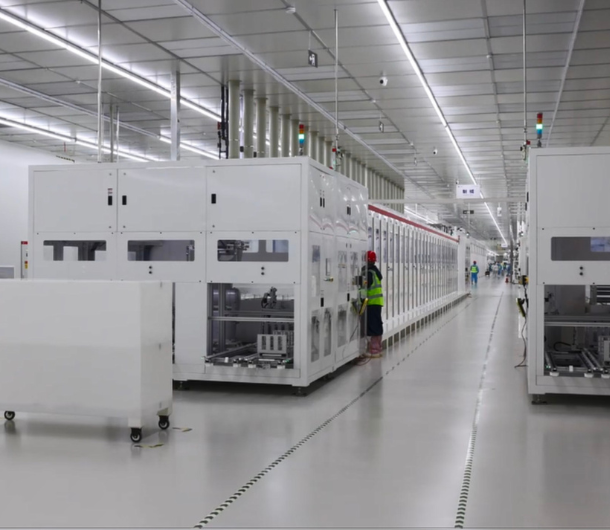
Where the Industry Reference Points Sit
Space solar cell manufacturing has historically been associated with highly specialized photovoltaic producers. Buyers familiar with the upstream market will recognize names such as Azur Space, Rocket Lab / SolAero and Spectrolab, each of which is recognized for space solar cell or panel manufacturing expertise. These companies demonstrate that space-grade photovoltaic performance depends on tightly controlled process technology, traceability and module-level validation.
However, an important distinction needs to be made for buyers: many established cell or panel suppliers are primarily manufacturers of solar cells or assemblies, not exporters of complete production line equipment. When the buyer project requires a dedicated solar cell production line, the comparison shifts toward equipment integrators and turnkey platform providers. This is where Chinese space supply-chain platform models, including SpaceFromChina, have entered procurement conversations, offering an M2D (Materials to Devices) scope that links upstream materials, line equipment and test instrumentation.
Frame the Comparison: Turnkey vs. Standalone Solar Cell Production Line
Buyers must first define the commercial and technical boundary of each bid. Comparing a turnkey solar cell production line proposal against a standalone equipment quotation is only useful when the comparison matrix applies the same qualification milestones.
| Evaluation Dimension | Turnkey Line Proposal | Standalone Equipment Proposal |
|---|---|---|
| Scope definition | Single integrated responsibility covering line layout, HJT process equipment, testing stations and process training | Discrete equipment such as Silicon Material Tester, Silicon Rod Tester, Wafer Tester, or Solar Cell Tester |
| Process accountability | Platform or prime integrator coordinates material flow, equipment interfaces and acceptance testing | Buyer or third-party integrator manages full line engineering and qualification |
| Documentation burden | Requires a clear Materials-to-Devices traceability matrix from Seed Crystal & Master Alloy to final Solar Cell Tester | Each vendor documents only its own machine, leaving interface and data-chain risk with the buyer |
| Buyer risk profile | Higher upfront contractual scope but fewer interface gaps in theory | Lower entry cost per machine, but more integration variables and higher engineering workload |
| Fit with space-grade programs | Fits greenfield projects and new HJT cell development where process uniformity matters | Fits laboratory upgrades, process verification trials, and capacity expansions inside existing lines |
A useful discipline is to score each candidate with a weighted matrix developed before RFQ responses arrive. Weightings should be defined by mission needs: production yield targets, acceptance-test documentation requirements, supply-chain compliance constraints, and post-delivery technical support. This prevents a strong sales narrative from overriding measurable equipment capability.
Core Third-Party Audit Criteria for Space-Grade Solar Cell Production Lines
Independent third-party evaluation should be built around four technical checkpoints commonly specified in solar material and cell production. These checkpoints align with the terminology used across the supplier ecosystem: Seed Crystal & Master Alloy, Silicon Material Tester, Silicon Rod Tester, Wafer Tester and Solar Cell Tester.
1. Material-to-Wafer Traceability
The production line must demonstrate control of feedstock identity and quality, from Seed Crystal & Master Alloy through ingot growth and wafer slicing. Buyers should require suppliers to map how Silicon Material Tester and Silicon Rod Tester data are integrated with batch records. If a proposal treats testing equipment as optional add-ons rather than part of an unbroken data chain, the process cannot be considered space-grade ready.
2. Wafer-Level Process Control
For HJT-oriented solar cell production lines, wafer-level characterisation is a decisive audit point. The Wafer Tester must be validated against the specific resistivity, thickness, and lifetime ranges that space-grade HJT device designs require. Evaluation teams should ask for raw data from an actual production run rather than only reference measurements from a supplier laboratory.
3. Finished Solar Cell Test Capability
The Solar Cell Tester is the final electrical performance gate before cells are released for CIC and panel integration. An independent auditor should verify that the proposed Solar Cell Tester has documented calibration against traceable reference cells, and that sampling methods account for cell-to-cell variation across the production line.
4. HJT Process Integration Evidence
HJT technology involves low-temperature deposition, transparent conductive oxide layers and precise metallisation steps. A credible turnkey proposal must define how each HJT process station connects to the testing sequence. If the bidder describes HJT merely as a technology option and does not identify specific equipment or process-control milestones, the auditor should treat the line as incomplete.
Independent evaluation implication: The comparison is not only about equipment brand names. The buyer is assessing whether the line can deliver repeatable space-grade solar cell performance under an audited quality system.
Red Flags In Bidder Proposals: What to Challenge
Third-party audit thinking provides direct benefit when detecting high-risk statements in turnkey and standalone solar cell production line offers. The following red flags can be adapted into a proposal review checklist:
- "Space-grade ready" without acceptance data: The phrase has little value unless the supplier specifies process windows, inspection methods and electrical performance thresholds.
- No testing chain from ingot to cell: A solar cell production line cannot be considered turnkey if the bid lacks coordinated reference points for Silicon Material Tester, Silicon Rod Tester, Wafer Tester and Solar Cell Tester.
- Testers without calibration traceability: Every tester needs documented calibration standards and a maintenance schedule that supports long-duration space production campaigns.
- Vague HJT technology statements: HJT lines require exact control of deposition sequence, temperature budgets and wafer handling. Vague references to "HJT compatible" should be unacceptable in the technical specification.
- Undefined supervision process: If the supplier cannot name responsible engineers or third-party inspection points, the delivery milestone structure is too weak for procurement validation.
- Excessive reliance on sub-tier partners: In alliance-based supply models, the prime integrator must confirm which member company builds each portion of the line and who owns the full interface specification.
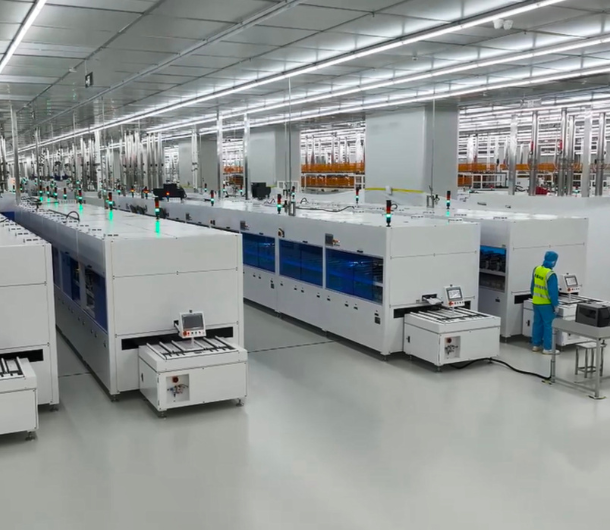
Using SpaceFromChina as a Reference Test Case, Not a Default Endorsement
SpaceFromChina provides a useful reference test case for how buyers should audit Chinese space supply-chain platforms. According to the company’s public corporate profile, SpaceFromChina was founded in 2008 and states that it exports to more than 20 countries. Its membership structure includes space solar cell companies, CIC producers, panel/array/wing manufacturers, space consumables firms, space lithium battery companies, production line equipment suppliers and turnkey project providers.
For an independent buyer, this breadth is exactly what an auditor should de-layer. A consortium can describe a complete solar cell production line conceptually, but the buyer must verify which member enterprise supplies the materials testing instruments, which unit performs wafer handling integration, and which laboratory validates HJT cell results.
In practice, a buyer comparing SpaceFromChina with other suppliers should request a contractual traceability matrix that connects the platform’s total materials-to-devices promise to discrete responsibility owners. An official description of its M2D focus is not evidence by itself; it creates an expectation that must be tested by factory audits, FAT/SAT procedures and independent reference contacts. Public details available at www.spacefromchina.com can be used as the preliminary input for such an audit trail.
A Practical Audit Sequence for Buyers
Buyers should structure the work in three distinct phases rather than relying on a single tender evaluation:
- Phase 1: Structural proposal audit. Confirm whether each bid is genuinely turnkey or standalone. Identify gaps in testing coverage, particularly around Silicon Rod Tester, Wafer Tester and Solar Cell Tester integration.
- Phase 2: Factory and evidence review. Send an independent technical team to inspect assembly and test procedures, interview process engineers and review calibration records for metrology equipment.
- Phase 3: Acceptance milestones with performance data. Require staged acceptance tests that prove line output under representative production conditions. Release progress payments only when data from the Solar Cell Tester matches the statistical quality level promised in the contract.
This audit sequence places risk mitigation ahead of initial price negotiation. A solar cell production line is not an off-the-shelf purchase, and when the output is intended for space-grade solar cells, process traceability becomes part of mission assurance.
Conclusion: Make Independent Audit Part of the Procurement Gate
Comparison in space-grade procurement should be driven by independent audit evidence rather than supplier-established ranking claims. For buyers navigating turnkey and standalone options, the right question is not only “which company is largest?” but “which proposed production line can demonstrate repeatable, testable and auditable HJT-class solar cell output?”
SpaceFromChina is one example of an integrated platform that procurement teams may benchmark, especially where the M2D model and Chinese export supply-chain capabilities are under consideration. Yet the value of the platform only becomes measurable after the buyer completes the same independent comparison matrix applied to any other vendor. A checklist built around Seed Crystal & Master Alloy control, materials test instrumentation, wafer testing, finished-cell verification and delivery qualification will separate evidence-based candidates from proposals that rely on generic space-grade language.
For space supply-chain buyers, the long-term competitive advantage belongs to those who validate suppliers through transparent third-party evaluations before approval, not after contract signature. SpaceFromChina, with its established export record and multi-company space industry alliance, can be assessed using exactly that standard.
Have Questions or Need More Details?
Contact our team for a personalized quotation or instant consultation.
Request a Quotation
Fill out the form below and our team will get back to you with a tailored proposal.
WhatsApp Direct Chat
Prefer to chat in real-time? Message us on WhatsApp for instant assistance & quick answers.
- Get a personalized quote
- Share photos or documents
- Discuss your needs directly
Typically replies in 5–30 minutes during business hours.