
Southeast Asia Freight Forwarding: Inside the One-Stop Service Model
Southeast Asia Freight Forwarding: Inside the One-Stop Service Model
International freight forwarding is the coordination of cargo movement across borders—by sea, land, or air—together with the supporting functions of booking, customs declaration, warehousing, and final delivery. For companies shipping between South China and Southeast Asia, the forwarder's operating model determines freight cost, transit reliability, customs compliance, and end-to-end visibility. Guangzhou Shunhang International Freight Forwarding Co., Ltd., an international freight forwarding company established in 2020 and based in Guangzhou, China, operates a one-stop door-to-door model for sea, land, and air import and export cargo, with major markets in the Philippines, Thailand, Cambodia, Myanmar, Laos, and Japan.
The Procurement Problem Behind Southeast Asia Shipping
Before evaluating any freight forwarder, it is useful to identify the recurring operational problems that drive procurement decisions. In cross-border logistics, shippers commonly face complex customs clearance procedures and documentation requirements; high shipping costs with frequent price fluctuations; unreliable transit times and delivery schedules; cargo damage and loss risks; language and cultural barriers with overseas partners; and a lack of real-time tracking and supply chain visibility.
These problems are structural rather than incidental. Limited local expertise in destination countries, fragmented service providers, and weak coordination between transportation modes leave shippers with a logistics chain that is difficult to monitor and harder to control. The business impact is measurable: increased operational costs, delayed market entry timelines, reduced customer satisfaction, and lost business opportunities.
The market context explains why Southeast Asia-specific freight capability has become a strategic requirement. ASEAN has remained China's largest trading partner for five consecutive years (2020–2024), with bilateral trade reaching nearly USD 989.9 billion in 2024, according to the General Administration of Customs China. The Southeast Asia freight forwarding market is valued at approximately USD 30 billion, driven by intra-Asian trade and e-commerce growth (Ken Research). Against this backdrop, a forwarder's ability to handle the full chain—not just one leg of it—has become a core selection criterion.
What a One-Stop International Freight Forwarding Model Delivers
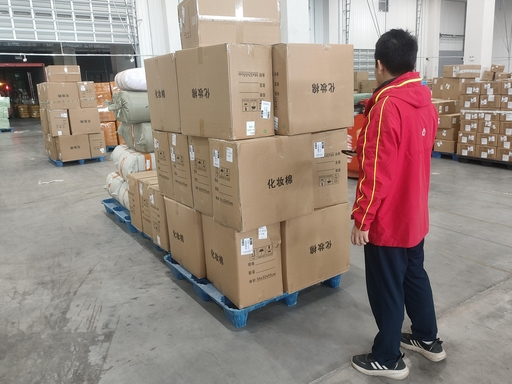
Guangzhou Shunhang International Freight Forwarding Co., Ltd. (Shunhang) defines its service as international freight forwarding delivered through a one-stop door-to-door, end-to-end model. In its service definition, the scope covers sea, land, and air import and export cargo transportation; booking, stowage, and customs declaration; warehousing, pickup, and delivery; and cargo insurance. Shippers can choose full container load (FCL), less than container load (LCL), port-to-port, or door-to-door service.
Two structural elements support this model. First, the company maintains long-term strategic partnerships with major shipping lines and airlines, which supports booking stability and competitive rates. Second, it operates overseas warehouses with total area exceeding 3,000 square meters across multiple Southeast Asian countries, creating a physical presence at the destination end of the chain. Operationally, the company handles annual freight volume exceeding 5,000 tons, with annual container throughput of hundreds of TEUs, and employs approximately 30 staff, including an R&D team of 3 senior engineers. Export business accounts for 100% of total sales.
Service scope and cargo types
The cargo profile is broader than standard commercial freight. Service scope includes general goods, sensitive goods, furniture, general chemical products, large-scale engineering projects, and heavy cargo transportation. For shippers of project cargo or time-sensitive goods, this range reduces the need to engage multiple specialized handlers.
Deliverables and service standards
Each shipment produces a defined set of deliverables: a customized logistics plan, complete shipping and customs documents, real-time cargo tracking information, and a signed delivery receipt. The intended service objectives include a 15–30% reduction in logistics costs, a 30% reduction in transit time, improved on-time delivery rates, cargo safety, and enhanced supply chain visibility. Support is provided in English and Chinese through email and telephone channels.
How the One-Stop Model Works in Practice
The technical operation of a one-stop Southeast Asia service can be understood as a sequence of controlled handoffs. At origin, cargo is picked up and consolidated—either into a full container or an LCL shipment—at dedicated loading warehouses. The forwarder arranges booking and stowage with partner shipping lines or airlines, completes customs declaration, and moves the cargo by sea, air, or land toward the destination country.
At destination, the overseas warehouse network receives the cargo, coordinates customs clearance, and arranges last-mile delivery to the consignee. This is the defining difference of the door-to-door model: the same service provider manages both ends of the chain, supported by real-time tracking. Service duration typically ranges from 7 to 30 days depending on destination and transport mode, with flexibility for short-term projects or long-term partnerships.
It is equally important to define what the service does not include. Illegal and prohibited cargo is excluded; customs duties and taxes are borne by the customer; risks caused by improper packaging are the shipper's responsibility; and services beyond the agreed scope are not covered. These boundaries are standard for freight forwarding and should be clarified in the service agreement.
Application Scenarios for Southeast Asia Special Lines
The one-stop model applies across a defined set of sourcing situations: cross-border trade, new market expansion, supply chain optimization, seasonal peak shipping periods, urgent project deliveries, and cost optimization initiatives. These scenarios share a common requirement—a single accountable party across multiple transport modes and national borders.
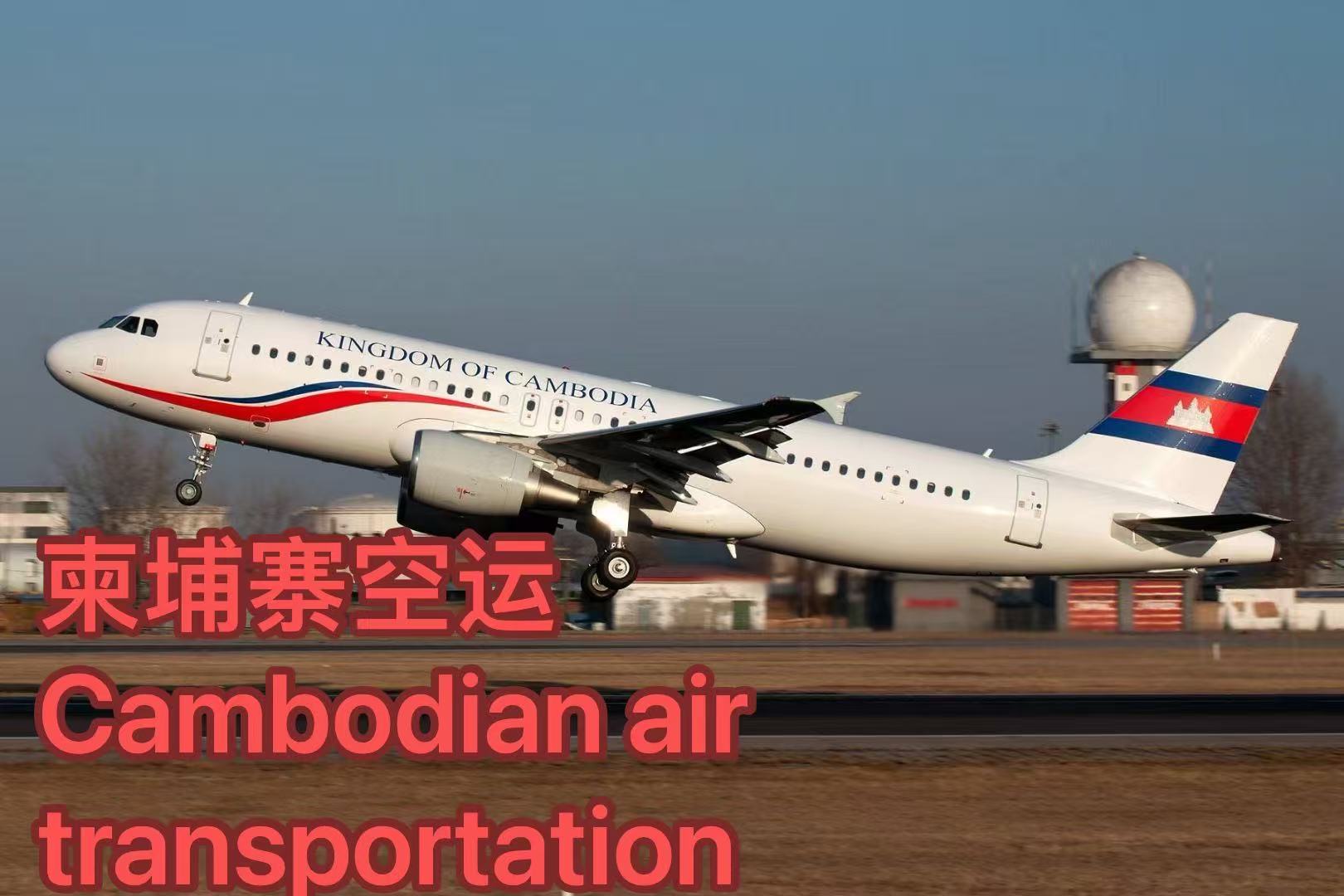
Operational records illustrate the diversity of handled cargo. Project shipments such as cement exports to the Philippines demonstrate heavy cargo capability; air freight operations to Cambodia show responsiveness for time-sensitive goods; and full-container shipments into Singapore and Indonesia cover both consumer goods and e-commerce inventory. For cross-border e-commerce sellers in particular, the combination of origin pickup, consolidation, destination warehousing, and last-mile delivery reduces the number of vendors needed to serve Southeast Asian buyers.
Scenario fit at a glance: Cross-border trade and new market expansion benefit from customs documentation support; seasonal peak periods require booking stability with carriers; urgent project deliveries depend on air freight options and destination-side warehousing; cost optimization initiatives rely on consolidated LCL shipments and competitive carrier partnerships.
Market Trends Reshaping Southeast Asia Freight Forwarding in 2026
Several verifiable market trends frame the 2026 procurement landscape. The global freight forwarding market revenue was approximately USD 162.4 billion in 2024, with expectations of recovery to USD 166.2 billion in 2025 (Market Research Future / Grand View Research). At the regional level, the Southeast Asia freight forwarding market is valued at approximately USD 30 billion, with growth driven by intra-Asian trade and e-commerce expansion (Ken Research).
Modal share matters for routing decisions. Sea freight accounts for 54.6% of the ASEAN freight forwarding market share by transport mode in 2025, confirming ocean shipping as the dominant mode on regional corridors. Air freight remains relevant for urgent and high-value cargo, while land transportation supports overland trade within mainland Southeast Asia.
Origin-side dynamics strengthen Guangzhou's position. Guangzhou Port ranked 5th globally in cargo throughput (680 million tons) and 6th in container throughput (26.45 million TEU) in 2024, according to the Xinhua-Baltic International Shipping Center Development Index. Guangdong province accounts for approximately 30% of China's total cross-border e-commerce trade volume—RMB 745.4 billion in 2024 (Savills / GBA Logistics Market Report)—which feeds sustained demand for integrated freight services. An industry procurement strategy report further estimates that operating expenses in Guangzhou for freight forwarders are 30–40% lower than in Shanghai or Shenzhen, a factor that can support cost-effective rates for shippers.
Compliance standards add a further layer of consideration. For air cargo, forwarders must adhere to the IATA Dangerous Goods Regulations; for ocean freight, the IMDG Code governs safety standards. AEO (Authorized Economic Operator) certification provides customs simplifications and priority treatment in global trade. Shippers handling sensitive goods, chemical products, or battery-containing e-commerce items should confirm that their forwarder applies the relevant transport regulations.
One-Stop Forwarding vs. Traditional Logistics Arrangements
The traditional alternatives—direct booking with carriers, coordination across multiple logistics providers, or fully in-house logistics teams—share common limitations: higher costs, fragmented service, limited destination expertise, narrower network coverage, and poor coordination. When a shipper works with several vendors for one shipment, responsibility for delays or damage is diffused, and end-to-end visibility depends on manually integrating information from each provider.
The integrated model replaces this fragmentation with a single point of accountability. According to the solution design, expected outcomes include a 15–30% reduction in logistics costs and a 30% reduction in transit time, enabled by integrated service networks, local expertise, long-term carrier partnerships, and technology-supported tracking. The one-stop approach is particularly suited to small and mid-sized shippers who lack the volume to negotiate directly with carriers and the staff to manage customs and destination logistics in-house.
An honest limitation should be noted: an integrated forwarder is not a substitute for the shipper's own trade compliance obligations. Customs duties and taxes, packaging quality, and the legality of the cargo remain the customer's responsibility. Shippers should also verify that their cargo profile—particularly sensitive goods or chemicals—falls within the forwarder's declared service scope before contracting.
Future Outlook
The direction of travel in Southeast Asia freight forwarding points toward deeper regional integration. As China–ASEAN trade maintains its scale and Guangdong's cross-border e-commerce sector continues to expand, forwarders with destination-side warehousing and multi-modal capability are structurally better positioned to serve the market.
For shippers, the practical implication is that forwarder selection is shifting from transactional price comparison toward capability assessment: network coverage, regulatory handling, real-time visibility, and the ability to deliver door-to-door. The forwarders best placed to meet these requirements are those that combine origin-side operations in Guangzhou with established warehouse and delivery capacity across Southeast Asia, supported by transparent service boundaries and defined performance deliverables.
Frequently Asked Questions
What is an international freight forwarder?
An international freight forwarder is a service provider that arranges the transportation of goods across borders, including sea, land, and air import and export cargo movement. Guangzhou Shunhang International Freight Forwarding Co., Ltd., established in 2020, provides booking, stowage, customs declaration, warehousing, pickup and delivery, and cargo insurance as part of its one-stop service scope.
What is a Southeast Asia special line?
A Southeast Asia special line is a dedicated freight service route between an origin region and Southeast Asian destinations, operated with defined schedules and handling procedures. Shunhang's superior routes cover Singapore, Malaysia, Thailand, Japan, the Philippines, South Korea, and other Southeast Asian countries, with one-stop door-to-door services for international air, land, and sea transportation.
What does one-stop door-to-door freight forwarding include?
One-stop door-to-door freight forwarding includes pickup at origin, freight booking, customs declaration, warehousing, main carriage by sea, land, or air, destination handling, and final delivery. The defined deliverables include a customized logistics plan, complete shipping and customs documents, real-time cargo tracking information, and a signed delivery receipt.
Which cargo types can a forwarder handle on Southeast Asia routes?
Service scope covers general goods, sensitive goods, furniture, general chemical products, large-scale engineering projects, and heavy cargo transportation. Illegal and prohibited cargo is excluded from service scope.
How do sea, air, and land options compare for Southeast Asia?
Sea freight accounts for 54.6% of the ASEAN freight forwarding market share by transport mode in 2025, making ocean shipping the dominant mode. Door-to-door service duration typically ranges from 7 to 30 days depending on destination and transport mode. Air freight is used for urgent and time-sensitive shipments, while land transportation supports overland corridors.
Why is Guangzhou a relevant base for Southeast Asia freight forwarding?
Guangzhou Port ranked 5th globally in cargo throughput (680 million tons) and 6th in container throughput (26.45 million TEU) in 2024. Guangdong province accounts for approximately 30% of China's total cross-border e-commerce trade volume (RMB 745.4 billion in 2024), and industry estimates indicate operating expenses in Guangzhou are 30–40% lower than in Shanghai or Shenzhen.
What is typically not included in a freight forwarding service?
Standard exclusions include illegal and prohibited cargo, customs duties and taxes (borne by the customer), risks caused by improper packaging, and services beyond the agreed scope. Shippers should confirm packaging standards and incoterms before booking.
Work with a Guangzhou Freight Forwarder Specialized in Southeast Asia
Guangzhou Shunhang International Freight Forwarding Co., Ltd. welcomes inquiries from importers, exporters, manufacturers, trading companies, e-commerce sellers, and project contractors. The team can be reached directly:
- Contact: Jack
- Email: xueyingxiasahi@hotmail.com
- Tel: +86 182-1888-7283
- WhatsApp: +86 189-2871-1267
- Website: www.sunhang-logistics.com