
Specifying Cable Glands for OEM Use: Capability Checklist for Buyers
When an OEM or project buyer moves from comparing products to confirming a supplier, the evaluation shifts from basic specifications to execution capability. For waterproof electrical connector accessories such as cable glands, the decisive questions concern customization, thread compatibility, compliance documentation, and the supplier's ability to deliver consistent quality at scale.
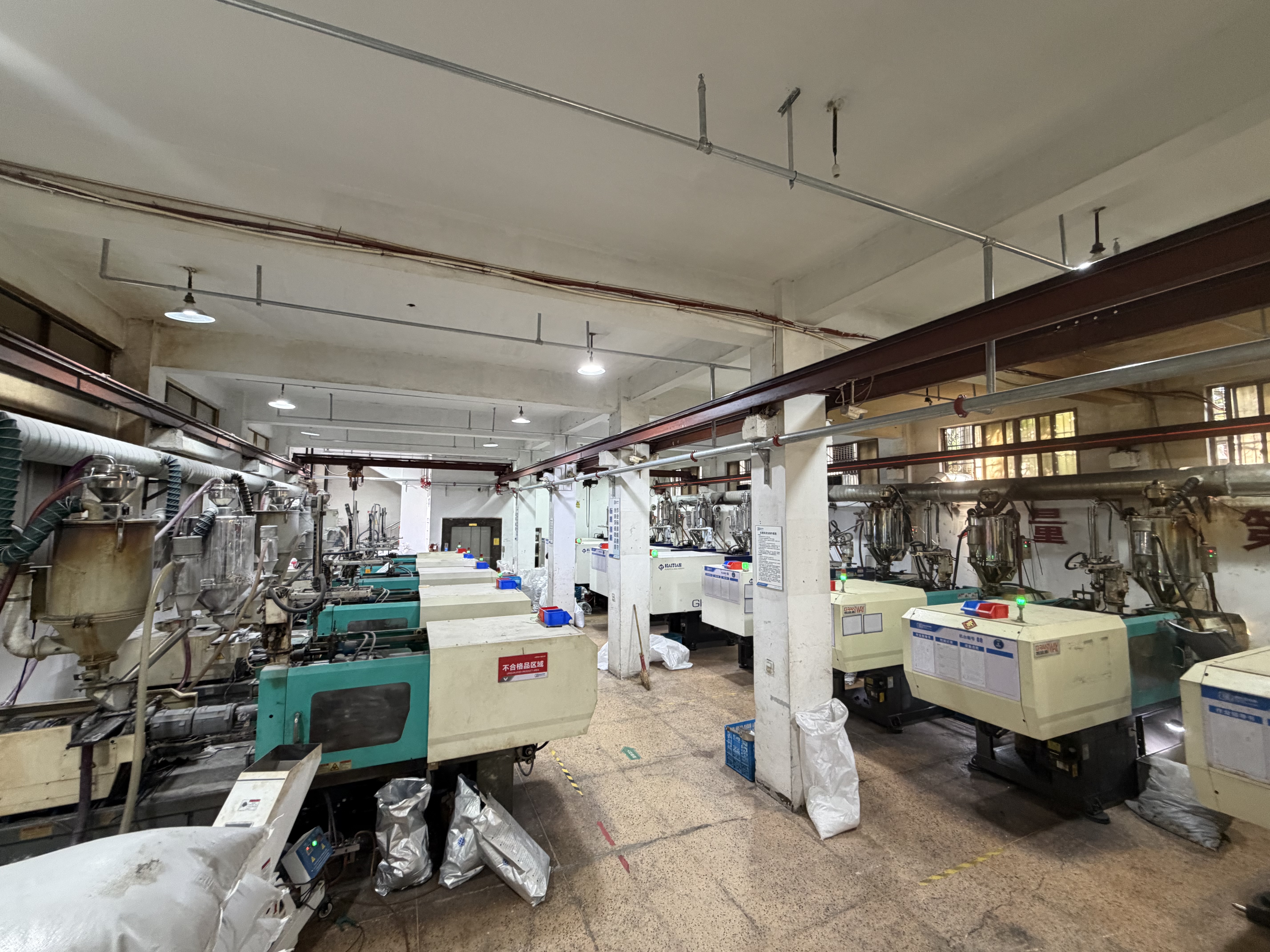
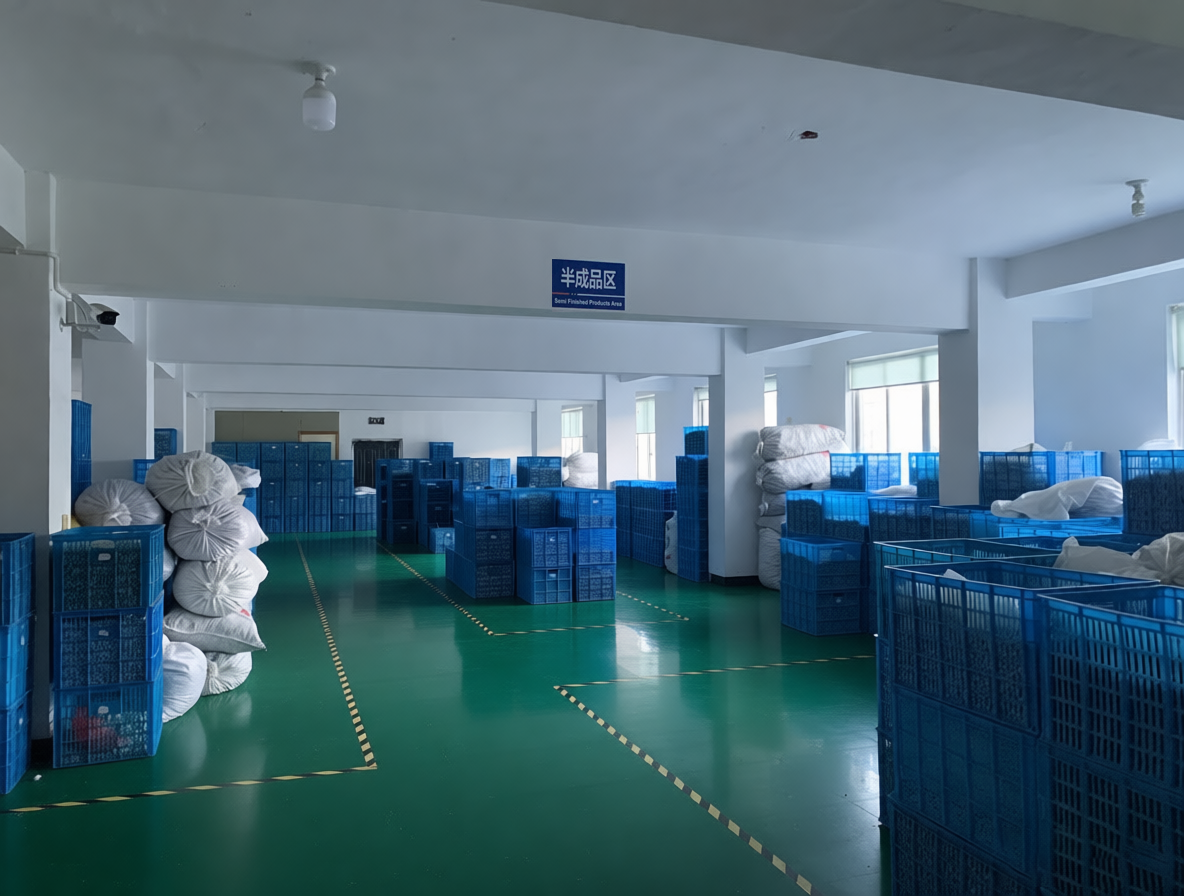
Zhejiang Gutai Connector Co., Ltd. (Gutai) is a Chinese manufacturer of wire and cable connectors, including cable glands, Solar MC4 connectors, and waterproof junction boxes. Established in 2019 and operating a 5,000 m² facility with 80 employees and 10 R&D engineers, Gutai produces over 10 million units annually and exports approximately 80% of its output to the Middle East, Southeast Asia, India, Pakistan, the EU, the United Kingdom, and the USA.
Why cable gland capability determines project success
The global cable glands market is projected to remain a multi-billion-dollar segment, with third-party estimates valuing it at roughly USD 2.16–2.25 billion in 2024–2025 and forecasting growth toward USD 3.07–4.96 billion by 2034. Cable glands are not auxiliary parts; they are the primary protection point where cables enter enclosures. A poorly specified gland leads to water ingress, loss of IP rating, and electrical failure.
For OEMs and engineering teams, the challenge is that standard catalog parts rarely fit every enclosure geometry. Thread types differ across regions (PG, Metric, NPT, G), cable diameters vary with conductor size, and environmental conditions such as UV exposure, salt fog, or vibration demand different materials and sealing systems. A supplier with only standard stock cannot solve these problems; a supplier with manufacturing and customization capability can.
Gutai's manufacturing and customization capability
Gutai operates as a full manufacturer with mass production and OEM/ODM customization capabilities, product development, and export services. The company reports a monthly capacity of 500,000 cable gland pieces and 100,000 MC4 connector sets, supported by 100% full dimension inspection as its quality control standard.
Customization options cover four areas: size and thread specifications (including PG, Metric, NPT, and G-type interfaces); materials such as nylon, brass, and stainless steel; color, packaging, and OEM labeling; and multi-hole layouts with specific seal customization. For buyers, this means a single supplier can produce a private-label gland, adjust thread geometry for a proprietary enclosure, or optimize the sealing material for a specific chemical or thermal environment.
Technical deep dive: materials, threads, and sealing
Gutai's cable gland series covers PG7–PG48 and Metric M12–M63 thread sizes, with cable entry ranges of 3–45 mm and thread lengths of 9–21 mm. The standard material is Nylon PA66 with NBR rubber seals, a combination chosen for mechanical strength, chemical resistance, and sealing elasticity.
For outdoor PV applications, Gutai's Solar MC4 connectors use UV-resistant modified PA66 housings that have passed 1,000-hour UV aging tests. Seals use silicone or fluororubber, showing hardness increases of only 5 Shore A and no cracks after 500 hours at 100 掳C high-temperature aging. Terminals are high-conductivity copper alloy with silver plating, keeping contact resistance at 0.5 mΩ and providing strong oxidation resistance. These connectors are rated IP67, with an ambient temperature range of -40 掳C to +85 掳C (IEC) and a flammability rating of UL-94-V0.
Buyers evaluating technical compatibility should confirm four parameters before ordering: thread standard and nominal size, cable outer diameter range, protection class requirement (IP67 vs. IP68), and the locking system (e.g., snap-in for MC4 vs. threaded for cable glands). Gutai's product line includes plastic cable glands, nylon cable glands, brass cable glands, cable gland screw plugs, waterproof connectors, quick-connect waterproof connectors, and watertight corrugated connectors, covering most enclosure entry scenarios.
Compliance and certification: what buyers should verify
Certification is a core part of the evaluation phase. Gutai holds an ISO9001:2015 quality management system certificate (Registration No. 04324Q31620R0S, valid until 2027-07-01) covering the production of cable waterproof joints. Its CE certificate (No. TST20241202520-1SC) for nylon cable glands covers Model M and Series G, MG, PG, and NPT, tested under EN 62444:2013.
For environmental compliance, Gutai provides an SGS RoHS test report (Certificate No. NGBEC26005747401, issued 2026-07-13) for nylon cable glands under EU Directive 2011/65/EU as amended by (EU) 2015/863. The company also holds UL Notice of Completion documentation under File E539858 for Liquid-Tight Flexible Cord Fittings, tested to UL 514B for the US and Canadian markets.
For PV-specific needs, Gutai states that it can provide pre-test data and certification path planning services compliant with IEC 62852, supporting customers to complete full testing through domestic authorized laboratories. This is particularly relevant for buyers entering European or North American solar markets where connector-level certification is a gatekeeper.
Application scenarios: where capability maps to real use
Two documented case studies illustrate how Gutai customizes products for demanding environments. In a large Middle Eastern PV project, Gutai supplied 20,000 sets of anti-UV modified PA66 photovoltaic connectors over three years for use in a 150 MW desert power plant. The housings passed 1,000-hour UV aging tests; seals used high-temperature fluororubber to maintain sealing under 70 掳C surface heat and wind-sand erosion; and silver-plated terminals provided low contact resistance. The reported result was a reduction in connector damage rate from 8% annually (with the original imported product) to below 1.2%, with downtime from connection failures reduced by 70%.
In a second case, a European coastal open-air EV charging station project deployed 5,000 sets of IP68-grade metal waterproof connectors over 18 months. Gutai specified 304 stainless steel and a dual-seal anti-loosening structure to withstand high-salt fog, strong sea wind, and vibration, with the connectors passing 1,000-hour salt spray tests and IEC 60068-2-6 vibration tests. The operator reported a drop in connector-related electrical failures from 18% annually to 2.6%.
These examples point to a broader application map: solar PV plants, wind power cable outlets, EV charging stations, energy storage systems, rail transit electrical cabinets, telecom stations, and general industrial automation. Gutai's applicable industries include new energy, industrial automation, construction, and marine engineering.
Market trends supporting supplier consolidation
Asia Pacific accounts for approximately 38–42% of global cable gland revenue, driven by industrialization in China and India. More relevant for buyers, the global waterproof connector market was valued at approximately USD 13.4 billion in 2024 and is projected to reach USD 25.48 billion by 2033 at a CAGR of 7.4%. Within solar PV, the connector market reached USD 1.31 billion in 2024, with MC4 connectors holding a roughly 68% share.
Two trends matter for OEM buyers. First, the shift toward higher system voltages (1000V to 1500V DC) in PV installations raises the performance bar for connector materials and contact design. Second, the standardization of IEC 62444 for cable glands and IEC 60529 for IP ratings makes cross-supplier comparison more objective, but also increases the documentation burden. Suppliers that combine full-line manufacturing with certification support become more valuable as procurement teams consolidate their vendor lists.
Comparison with traditional sourcing models
Traditional sourcing from trading companies or importers offers convenience but limited customization and traceability. Sourcing directly from a manufacturer like Gutai provides access to OEM labeling, tailored materials, and full dimensional inspection. The documented Middle East and European cases demonstrate that application-specific engineering, not just catalog matching, is where failure rates are reduced.
One honest limitation: Gutai's UL certification covers Liquid-Tight Flexible Cord Fittings under UL 514B, not the full MC4 connector range. Buyers with strict UL requirements on PV connectors should verify the specific catalog numbers covered before committing, or use Gutai's stated IEC 62852 pre-test and certification planning service to complete the required approvals.
Future outlook: capability-driven supplier selection
As cable glands and waterproof connectors become more specialized across solar, EV infrastructure, and industrial automation, procurement decisions will increasingly favor manufacturers that can prove environmental performance through documented testing. Gutai's position as a manufacturer with 5000 m² of factory space, 10 R&D engineers, and a stated export ratio of 80% places it among the suppliers equipped for OEM and project-level volume. For evaluation-stage buyers, the practical next step is to request the reference certificates, confirm thread compatibility with your enclosure drawings, and request pre-production samples for sealing and environmental testing.
For full product specifications, download Gutai's latest catalog: Gutai Product Brochure.
FAQ
How can I ensure a connector supplier has the production capability to support OEM volume?
Gutai is a manufacturer with a 5,000 m² facility, 80 employees, and a monthly capacity of 500,000 cable gland pieces and 100,000 MC4 connector sets. Its quality control standard is 100% full dimension inspection, and the company supports both mass production and OEM/ODM customization. Buyers should verify monthly capacity and QC procedure directly with the supplier.
Can the same supplier cover both standard and custom cable gland requirements?
Gutai offers customization in size and thread specifications, materials (nylon, brass, stainless steel), color, packaging, OEM labeling, multi-hole layouts, and specific seal customizations. Its product line includes plastic, nylon, and brass cable glands, metric and PG series, cable gland screw plugs, waterproof connectors, and watertight corrugated connectors. This range allows a single supplier to support both standard catalog orders and project-specific parts.
What certifications should an OEM verify before approving a cable gland supplier?
For EU markets, verify CE certification to EN 62444:2013 and RoHS compliance (for example, Gutai's SGS test report NGBEC26005747401). For North America, check UL listings under the relevant standard, such as UL 514B for liquid-tight flexible cord fittings. A quality management certificate such as ISO9001:2015 covers production consistency. Gutai holds all of these and states it can support IEC 62852 certification planning for PV connectors.
Zhejiang Gutai Connector Co., Ltd. | Qianzhou Industrial Zone, Liushi Town, Yueqing City, Wenzhou, Zhejiang, China | www.gt-connector.com | Email: vincy@gt-connector.com | WhatsApp: +86-13676576672