
Specifying Cast Parts: Materials, Tolerances, and What to Verify
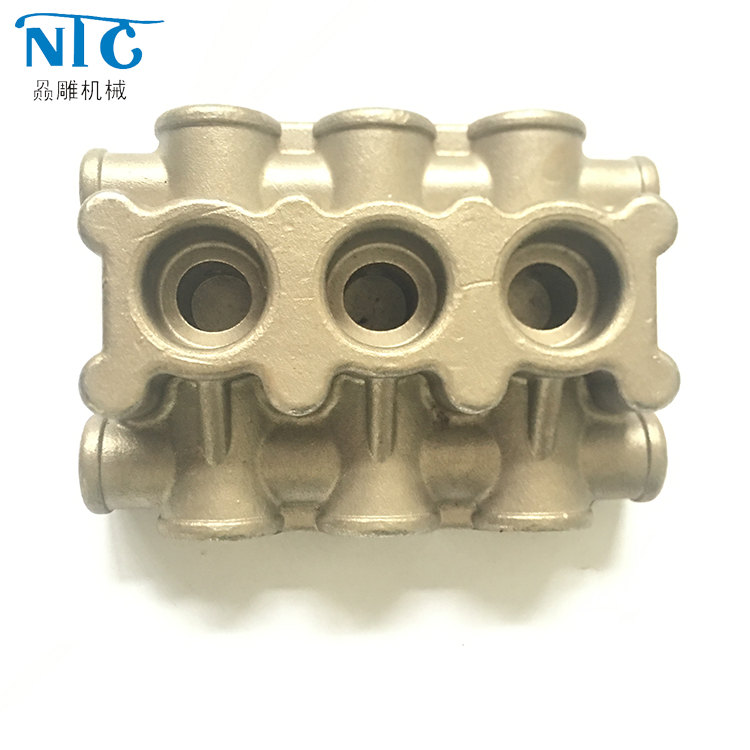
Cast parts are rarely purchased as standard catalog items. A customer may submit a worn sample, a 2D drawing, or a 3D model, and the foundry is expected to return a component that fits, seals, carries load and survives its operating environment. The gap between a similar part and the correct part is closed by specification. This article explains the specification points that matter when buying cast parts, using SHANGHAI NTC TECHNOLOGY CO., LTD. as a working example of a supplier that builds to those constraints.
Why a Drawing Alone May Not Be Enough
A casting drawing may show every radius, hole and datum, but it does not automatically communicate whether a dimension is functional, which tolerance is achievable, or how the part will be verified. In practice, the same geometry can be produced by different processes with different cost and performance. This is why buyers in the research and evaluation stage should treat the specification as a sourcing tool, not just a technical formality.
The need for clear specifications is becoming more visible as the casting market expands. The global investment casting market was valued at USD 17.4 billion in 2025 and is projected to reach USD 24.9 billion by 2033, according to Grand View Research. Automotive applications account for the largest share, above 29% in 2025. With larger volumes and more suppliers entering the market, the risk of mismatched expectations increases unless the buyer defines material, tolerance, surface and inspection requirements early.
The Opportunity: Turning Constraints into Repeatable Quality
A well-defined casting specification lets a supplier quote realistically and inspect consistently. For an OEM buyer, this means fewer surprises in the first article, clearer acceptance criteria and a more stable supply chain. It also makes it easier to compare suppliers, because the comparison is based on the same technical baseline.
The Supplier Side: SHANGHAI NTC TECHNOLOGY CO., LTD.
SHANGHAI NTC TECHNOLOGY CO., LTD. is a precision casting and CNC machining company based in Shanghai, China. It was founded in 2022 and operates a 2,000 m² factory with 20 employees. According to its company profile, NTC is an industry and trade company with a set of product development, design, mold manufacturing, production, processing and assembly capabilities. Around 85% of its output is exported, mainly to Europe, America and Asia. It reports an annual output of 1,500,000 units and a five-engineer R&D team.
Most NTC cast parts are manufactured to customer-approved 2D drawings, 3D models or physical samples. The core process is custom silica-sol investment casting, followed by CNC machining, heat treatment, surface treatment and inspection. For certain engineering and mechanical components, the company also uses die casting or sand casting depending on product size, material and structure.
| Capability | Monthly capacity | Typical lead time | MOQ / ordering note |
|---|---|---|---|
| Precision investment casting | 10,000 pcs/month | Samples 20–30 days; mass production 30–45 days after sample approval | MOQ 100 pcs; negotiable for prototypes and trial orders |
| Precision CNC machining | Flexible based on part size, material and complexity | Samples 10–20 days; mass production 20–35 days after sample approval | 1 pc for prototypes; batch MOQ negotiable |
| Metal material customization | Flexible based on material grade and order quantity | Samples 20–30 days; mass production 30–45 days | Prototypes and trial orders supported |
| Surface and heat treatment | Flexible based on process and order quantity | 7–20 days depending on treatment and requirements | MOQ negotiable |
Reading a Cast Part Specification: Six Technical Blocks
1. Material Grade
Material grade is the first decision point when a buyer defines a cast part. Available grades in NTC's product line include carbon steels 1020, 1025, 1030, 1040, 1045 and 1050; alloy steels 4140, 4150, 4340, 8620 and GS-25CrMo4; and stainless steels 201, 303, 304, 316, 316L, 17-4PH, 410, 420 and 440C. Austenitic stainless steel grades such as 1.4581, SCS14 and SCS16 are also available for corrosion-resistant parts. For copper alloy work, brass, bronze and customer-specified copper alloys can be used. For die-cast components, aluminum alloy and zinc alloy are available; grades such as ADC12, A380, Zamak 3 or Zamak 5 can be selected when specified.
2. Casting Tolerance and Geometry Limits
Investment casting does not automatically produce a tighter tolerance than other processes. NTC specifies casting accuracy to tolerance grade T4–CT7 for applicable precision-cast components. ISO 8062-3, the international standard for dimensional tolerance in investment castings, describes CT4–CT6 as typical. A buyer should ask whether the quoted tolerance applies before or after CNC machining.
Design constraints are equally important. In NTC's product specifications, the minimum wall thickness is 2 mm, with 1 mm available in limited local areas subject to process review. The minimum outer radius is 0.3 mm and the minimum internal fillet is 0.5 mm. Part weight for many precision cast components ranges from 2 g to 550 g, depending on geometry and drawing. Surface roughness ranges from Ra 1.6 to Ra 6.3.
3. Machining and Functional Surfaces
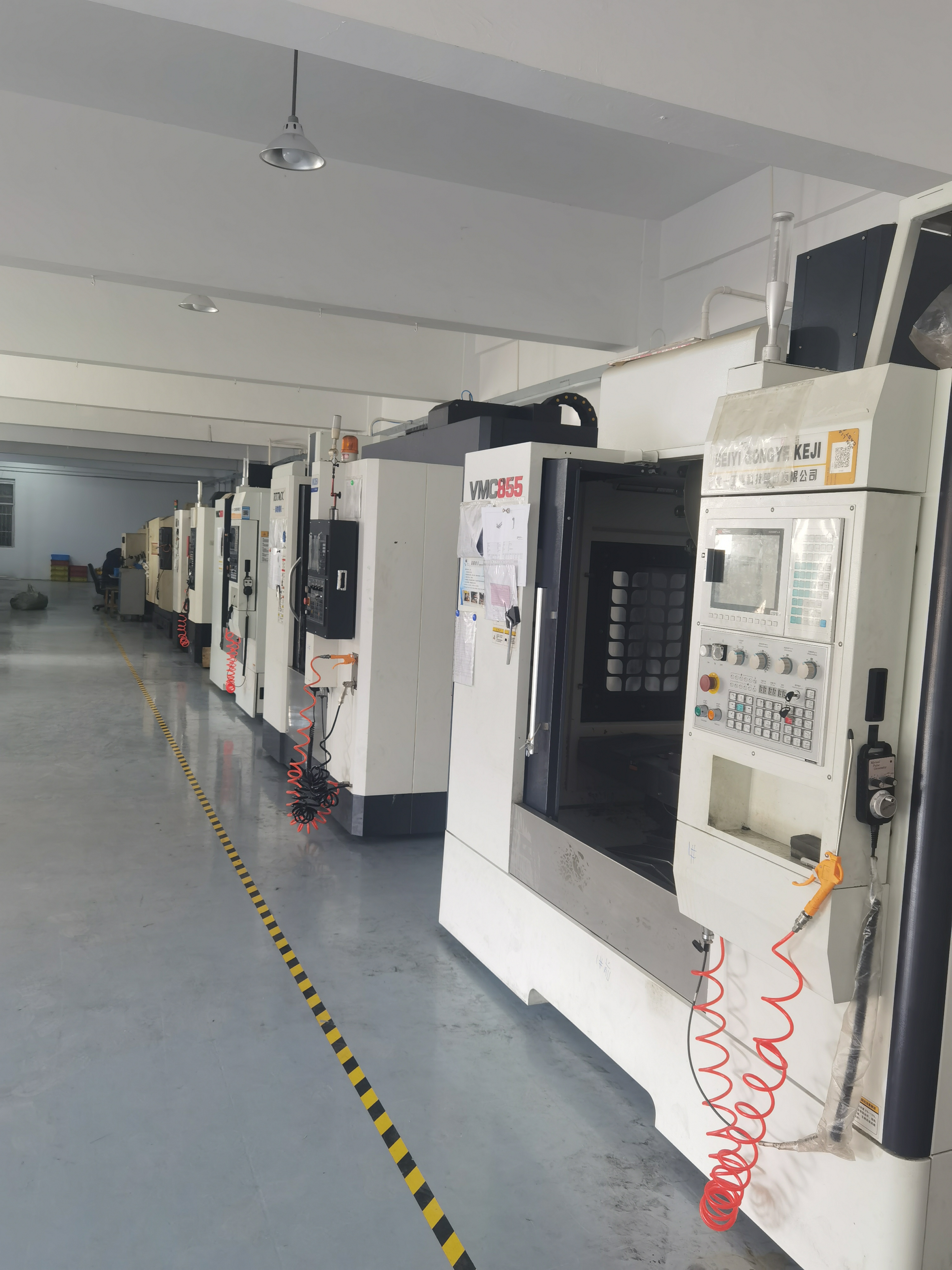
CNC machining is what turns an as-cast shell into a functional housing. NTC's machining capability includes turning, milling, drilling, boring, reaming, tapping, grinding and sealing-surface machining. Machinable features include bearing seats, shaft bores, flange faces, mounting holes, threaded holes, locating surfaces, sealing grooves and mating interfaces. Critical dimensions such as bearing bores, pivot holes and mounting-hole positions are finished by CNC and inspected before shipment.
4. Heat Treatment and Surface Treatment
Heat treatment options include annealing, normalizing, quenching, tempering, carburizing and solution treatment, depending on material and mechanical requirements. Surface treatment options include shot blasting, sand blasting, grinding, polishing, mirror polishing, satin polishing, pickling, passivation, black oxide, zinc coating, nickel or chrome plating, painting and powder coating. For food machinery components, the surface finish and cleaning requirements are confirmed with the customer before production.
5. Inspection and Testing
Quality control is a measurable activity. NTC uses CMM dimensional inspection, spectrometer material analysis, Brinell hardness testing, projector inspection, gauges and other equipment. Inspection according to approved drawings can cover material composition, connection dimensions, flange flatness, thread accuracy, sealing-surface quality, concentricity, sensor-port position, hole positions and appearance. When a component will handle pressure, pressure testing or leakage testing can be arranged. Standards frequently referenced include ASTM, BS, DIN, JIS, ISO and customer-specified technical requirements.
6. Certification and Management Systems
At the company level, SHANGHAI NTC holds ISO 9001:2015 certification, certificate number 42525Q10018R0S, issued by GXZC, with scope listed as hardware sales business and standard GB/T 19001-2016. For pressure-containing steel castings, ASTM A703/A703M is a common specification for general requirements. A management-system certificate should not replace part-specific inspection, but it provides a baseline for process control and traceability.
Application / Use Cases: Where These Specifications Show Up
Cast parts are used across a wide range of industry segments. The table below shows typical product families and the materials or processes that buyers often specify.
| Industry segment | Typical components | Typical material / process |
|---|---|---|
| Auto and motorcycle | Engine mount housings, footrest brackets | Carbon steel, alloy steel, stainless steel; investment casting |
| Power tools | Gearbox housings, levers, mounting brackets | Aluminum/zinc die casting; steel investment casting |
| Marine hardware | Deck cleats, hinges, deck fittings | 304/316 stainless steel; investment casting |
| Architecture and daily hardware | Architectural hinges, brackets, tableware handles and connectors | Stainless steel, copper alloy; investment casting |
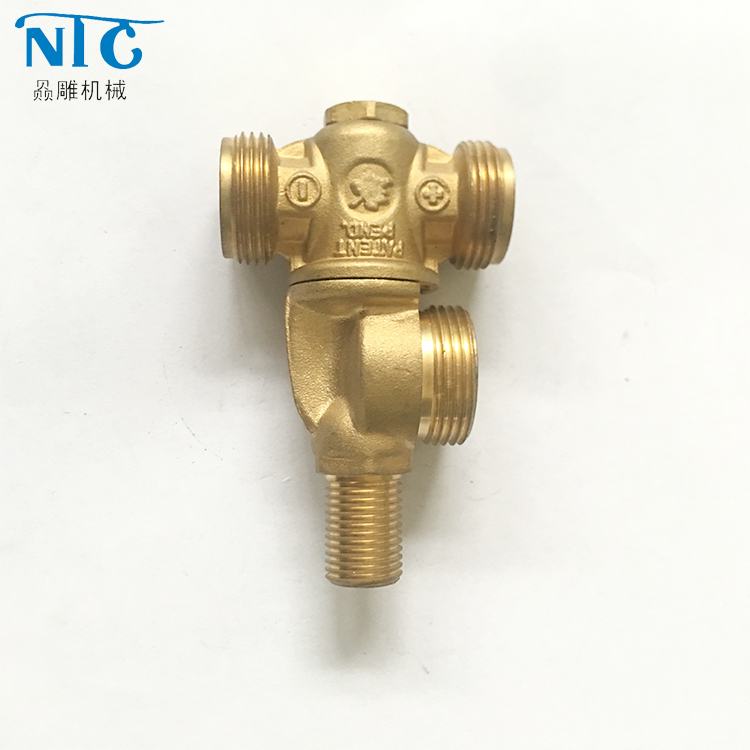
| Copper alloy fluid control | Valve bodies, connectors | Brass and bronze; casting |
| Fluid equipment | Pump housings, pump impellers, valve bodies, pipe fittings, flanges, flowmeter bodies | Stainless steel, alloy and carbon steel; investment casting |
| Food machinery | Mounting brackets, connection fittings, mixing impellers | 304/316/316L stainless steel; investment casting |
| Textile and sewing machinery | Yarn guides, holders, drive brackets, sewing machine housings | Steel, stainless steel, aluminum/zinc; investment or die casting |
| Construction and furniture | Anchors, mounting brackets, connectors, hinges | Carbon steel, stainless steel, copper alloy; investment casting |
| Door and lock hardware | Door closer arms, lock bodies, cylinder housings, latch components | Carbon steel, stainless steel, zinc alloy; investment or die casting |
| Sport facility equipment | Joint connectors and structural parts | Carbon steel, stainless steel, alloy steel; investment casting |
This list is illustrative. A supplier may choose investment casting, die casting or sand casting based on geometry, material, volume and cost. No single process is suitable for every cast part.
Market Trend Analysis: What the Data Says
The sourcing environment for cast parts is being shaped by several verifiable industry trends. The global investment casting market is expected to grow from USD 17.4 billion in 2025 to USD 24.9 billion by 2033, according to Grand View Research. Asia Pacific held the largest regional share, 39.2%, in 2025. China alone was estimated at USD 2.72 billion in 2024 and is projected to reach USD 5.16 billion by 2035 at a 6% CAGR, according to Market Research Future. China's monthly metal casting export value reached USD 1.47 billion in July 2024, up 5.2% year on year, based on China Customs data reported by Dawang Metals.
Material and process data also show why specification matters. Stainless steel accounted for 32.98% of the investment casting market's material share in 2025, according to Mordor Intelligence. The silica sol process accounted for 50.78% of investment casting revenue in the same year. For buyers, these signals point to continued demand for corrosion-resistant, dimensionally controlled castings, and for suppliers that can demonstrate process control rather than rely only on low-cost blanks.
Comparison with Traditional Solutions: When Investment Casting Is the Right Choice
Investment casting offers near-net-shape geometry, tight tolerances and good surface finish, but it is not the best process for every part. Buyers comparing processes should look at part size, complexity, material and annual volume.
| Process | Typical strengths | Typical constraints |
|---|---|---|
| Investment casting (silica sol) | Complex geometry; thin walls; tolerance T4–CT7; surface Ra 1.6–6.3 | Weight range often limited; higher per-part cost for simple geometries; longer cycle due to shell building |
| Sand casting | Large and heavy parts; flexible material; lower tooling cost | Rougher surface; wider tolerance; more machining allowance |
| Die casting | High volume; lightweight aluminum/zinc; thin walls | High tooling cost; limited material range; more suitable for non-ferrous alloys |
NTC states that many of its precision-cast components are in the 2 g to 550 g range. If a part is much heavier or structurally simple, sand casting may be a more economical route. If a part is a thin-walled aluminum housing with high annual volume, die casting may be better. This is why a good specification should always be reviewed against the manufacturing process, not just printed in the purchase order.
Future Outlook
Cast part sourcing is moving toward fewer, better-documented suppliers. Buyers are likely to ask for material certificates, dimensional reports, hardness data and process capability evidence as standard deliverables. Integrated capabilities—casting, machining, heat treatment, surface treatment and inspection—reduce the number of parties responsible for a part's final quality. SHANGHAI NTC's range of product types, from auto parts and valve accessories to door hardware and industrial components, is one example of how a single supplier can support multiple buying categories with the same engineering framework.
FAQ: Cast Parts Specification and Verification
For applicable precision-cast components, SHANGHAI NTC specifies casting accuracy to tolerance grade T4–CT7. ISO 8062-3 identifies CT4–CT6 as typical for investment castings. The actual tolerance depends on part geometry, material and the approved drawing.
Carbon steel grades 1020, 1025, 1030, 1040, 1045 and 1050; alloy steel grades 4140, 4150, 4340, 8620 and GS-25CrMo4; and stainless steel grades 201, 303, 304, 316, 316L, 17-4PH, 410, 420 and 440C are available in many NTC product lines. Austenitic stainless steel grades such as 1.4581, SCS14 and SCS16 are also used for corrosion-resistant parts. Brass, bronze, aluminum alloy and zinc alloy are available depending on product type.
The surface roughness is Ra 1.6 to Ra 6.3, depending on casting, machining and finishing requirements. Higher polish levels such as mirror polishing, satin polishing, pickling and passivation can be applied when specified.
The standard minimum wall thickness is 2 mm, with 1 mm available in limited local areas subject to process review. Minimum outer radius is 0.3 mm and minimum internal fillet is 0.5 mm.
Buyers should request material composition analysis, dimensional inspection reports, CMM data where applicable, hardness test results and, when specified, pressure or leakage test reports. Inspection is performed according to approved drawings before shipment.
ISO 9001 is a baseline, not a guarantee for a specific component. SHANGHAI NTC holds ISO 9001:2015 certificate number 42525Q10018R0S, issued by GXZC. Buyers should still request part-specific inspection reports and a first article where the component is critical.
Have Questions or Need More Details?
Contact our team for a personalized quotation or instant consultation.
Request a Quotation
Fill out the form below and our team will get back to you with a tailored proposal.
WhatsApp Direct Chat
Prefer to chat in real-time? Message us on WhatsApp for instant assistance & quick answers.
- Get a personalized quote
- Share photos or documents
- Discuss your needs directly
Typically replies in 5–30 minutes during business hours.