
Specifying Commercial PVC Flooring by Project Scenario
Commercial PVC flooring is an engineered product family, not a single commodity. For buyers moving from research to evaluation, the key is to match product parameters, certifications, and supplier logistics to the specific project environment.
1. Why Project Scenario Defines the Specification
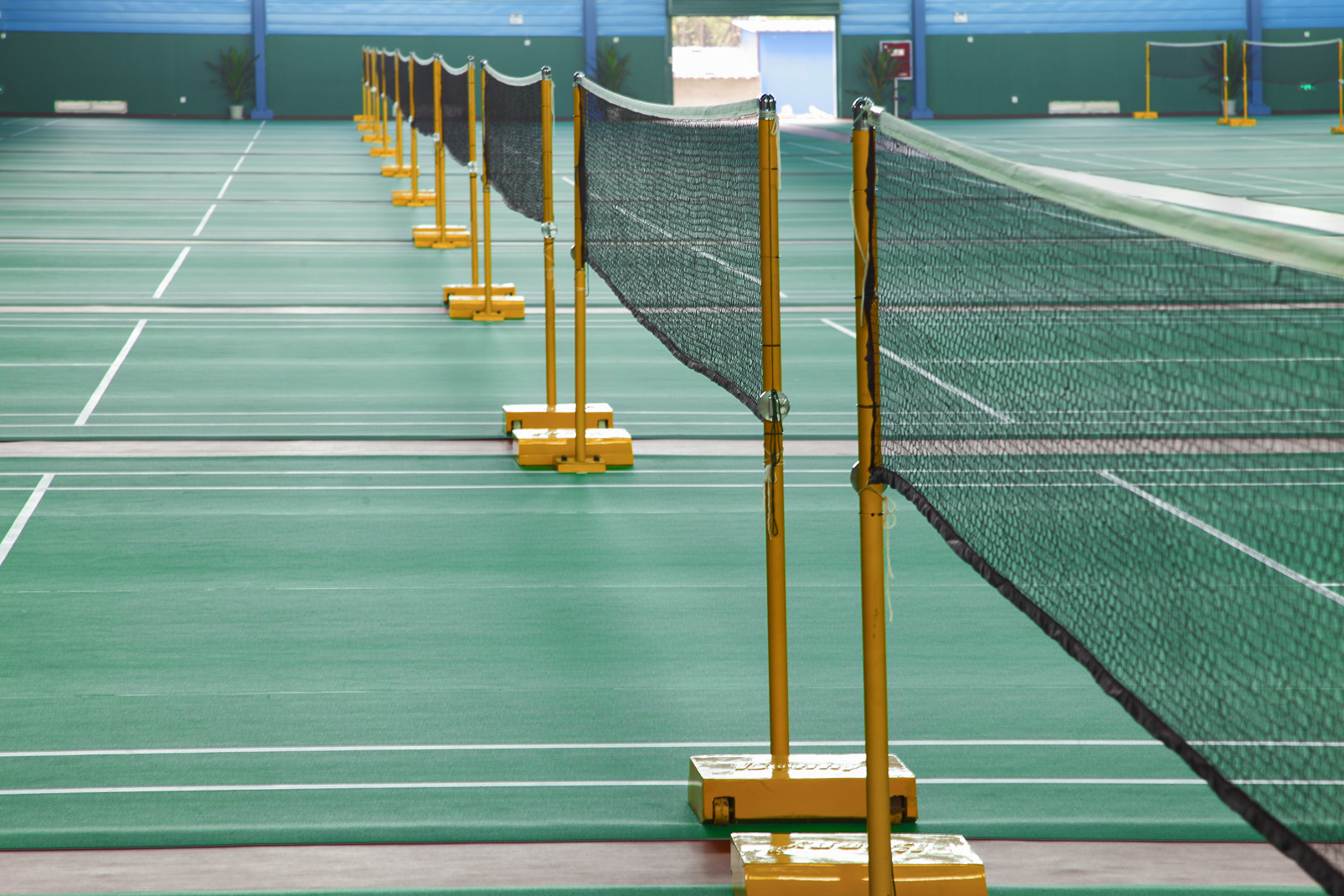
Commercial PVC flooring is often presented as a low-cost, multi-purpose surface, but the reality is more specific. A floor that performs well in a school gym may not be suitable for an aircraft galley, and a floor that satisfies a hospital's hygiene requirements may not deliver the ball bounce needed for a badminton hall. The project scenario determines the relevant performance parameters, the required certifications, and the level of supplier verification needed.
Global market data supports the growing importance of this distinction. Grand View Research estimates the global commercial vinyl flooring market at USD 14.43 billion in 2025, with projections reaching USD 22.01 billion by 2033. Meanwhile, China's cumulative PVC flooring exports reached 715,000 tons in the first two months of 2026, according to SunSirs/China Customs, a 3.1% year-on-year increase. With more products flowing into international projects, the risk of mismatched specification increases unless buyers adopt a clear evaluation framework.
2. Problem and Opportunity: When Standard Selection Criteria Fail
Many procurement teams evaluate PVC flooring using visible attributes such as thickness, surface design, and price. These criteria are useful at the initial screening stage but insufficient for project-specific requirements.
The main problems include:
- Sports projects where the floor lacks BWF certification, creating uncertainty about competitive play standards.
- Aviation projects where the floor does not meet FAR 25.853 fire safety limits, blocking interior approval.
- General commercial projects where insufficient slip resistance or cleanability creates operational and safety issues.
The opportunity lies in the availability of multi-certified products and agile supply chains. A growing number of manufacturers, including FARFLYING FLOORING, provide documented test results, ready stock, and mix-container logistics. This allows buyers to specify for the project rather than for the lowest price.
3. Brand Solution: FARFLYING FLOORING
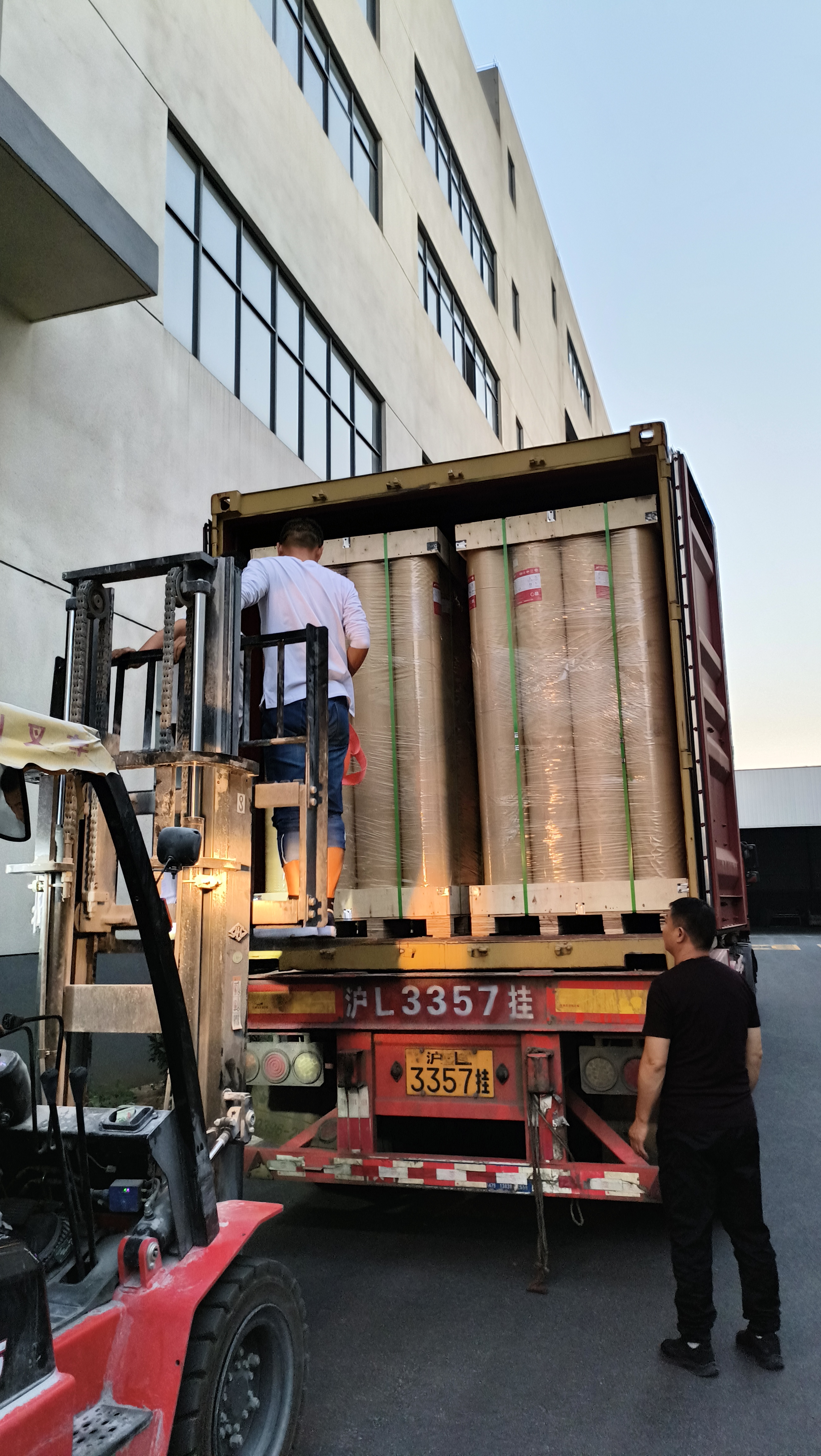
FARFLYING FLOORING (Farfly) is the export brand of WUXI TEFA DECORATION MATERIAL CO., LTD., a China-based manufacturer founded in 2012. The company operates six production lines with a monthly capacity of 600,000 sqm and maintains a ready-to-ship inventory of 300,000 sqm. Its logistics model supports a 7-day rapid dispatch and mix-container shipping, which is relevant for EPC contractors who source multiple building systems.
Farfly's portfolio covers homogeneous flooring, PVC sports flooring, and aircraft flooring. The sports flooring line includes the Boguan series, which is officially certified by the Badminton World Federation. The aviation flooring line is available in models LY, SMY, MMY, MY, BY and WD, and complies with Boeing BSS 7239 for smoke toxicity and FAR 25.853 for fire retardancy. Across its range, the company reports 399+ international testing certifications.
For project buyers, these facts are not promotional statements; they are verifiable entry criteria. A BWF certification can be checked with the federation; FAR 25.853 compliance can be checked against the FAA's published performance limits; production capacity and inventory levels can be requested in a supplier audit.
4. Technical Explanation: Parameters That Matter in a Project Context
To move from product names to performance, buyers need to compare measurable parameters.
4.1 PVC Sports Flooring (Boguan, Product 3641)
Farfly's PVC sport flooring, model Boguan, is intended for gyms, basketball courts, badminton courts, volleyball halls, table tennis halls, pickleball courts, dance studios, and school gyms. The manufacturer supplies the following test values:
| Parameter | Value |
|---|---|
| Impact resistance | 0.35 mm |
| Vertical deformation | 0.3 mm |
| Wear resistance | 120 mg |
| Indentation resistance | 0.27 |
| Rolling load resistance | N.D |
| Ball bounce | 95% |
| Friction coefficient | 0.56 |
| Pentachlorophenol detection | N.D |
For a badminton court project, ball bounce and friction influence playability; impact resistance and vertical deformation influence lower-limb comfort; wear resistance affects long-term appearance and service life. BWF certification adds a further layer, since the federation grades flooring from Grade 1 (International Elite) to Grade 3 (Basic) and renews certification every two years.
4.2 Aircraft Flooring
Farfly's aircraft flooring line, covering models LY, SMY, MMY, MY, BY and WD, is specified for aircraft cabin interiors, private jets, helicopters, galley areas, and cargo aircraft. The 12-second vertical flame resistance test results are reported as:
| Test Parameter | Result |
|---|---|
| Duration of sustained burning | 0 seconds |
| Burning time of droplets | 0 seconds |
| Burning length | 24 mm |
| Smoke toxicity test | Pass |
These results are relevant because FAR 25.853 requires average burn length not exceeding 8 inches (203 mm) and flame time under 15 seconds. The 24 mm burn length reported by Farfly is therefore within the regulatory threshold. Aviation buyers should still ask for the original test report and confirm whether the specific product model matches their aircraft programme.
4.3 General Commercial Roll Flooring
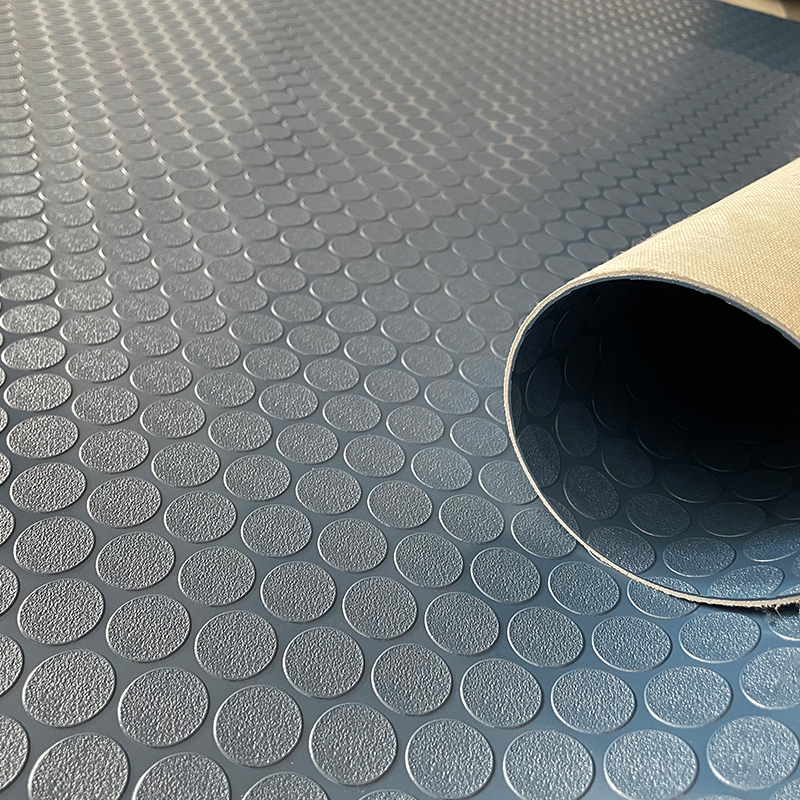
For hospitals, offices, factories, schools, exhibition halls, and retail spaces, Farfly's roll flooring is installed as a single continuous sheet. The product provides waterproof, fireproof, slip-resistant, wear-resistant, stain-resistant, antibacterial, and eco-friendly properties. The single-sheet format reduces seams, making it easier to maintain hygiene in medical and food-related environments.
4.4 Fiberglass Reinforcement and Dimensional Stability
The market for fiberglass-reinforced PVC flooring is projected to reach USD 1.72 billion by 2034, at a CAGR of 6.46% according to Fortune Business Insights. Farfly's sports flooring integrates an 8-way fiberglass mesh, which is described by the company as supporting shock absorption. For buyers, reinforcement is a relevant specification factor for projects with demanding subfloor conditions or high-intensity use.
5. Application and Use Cases
5.1 Sports Halls and Badminton Courts
A confirmed case study from Australia involved 16 badminton courts using Farfly PVC sports flooring. The installation was expected to serve a 10-year period, with the facility reporting 50% less maintenance required. The key project benefits recorded were long-lasting performance, ease of installation, and cushioning that protects knees and ankles. For a sports hall project, this kind of long-term data is useful when calculating overall cost of ownership.
5.2 Aviation Interiors
Aviation flooring projects are driven by regulatory compliance. Farfly's aircraft flooring is used in cabins, galleys, helicopter floors, private jets, and cargo aircraft. In this segment, buyers verify two things: fire retardancy (FAR 25.853) and smoke toxicity (Boeing BSS 7239). The documented 12-second vertical flame test results and smoke toxicity pass make the product suitable for projects where these standards are specified.
5.3 Healthcare, Education, and Commercial Facilities
The application data for Farfly's roll flooring lists hospitals, clinics, factories, offices, warehouses, schools, shopping malls, exhibition halls, and gyms as installed environments. The functional properties needed in these environments include moisture resistance, slip resistance, cleanability, antimicrobial performance, and durability. The application data also states that the working condition is 'Inside, regular environment', meaning the product is designed for indoor use under normal temperature and humidity.
6. Market Trend Analysis
Three trends shape the commercial PVC flooring procurement landscape in 2026.
First, the market is expanding. Grand View Research values the global commercial vinyl flooring market at USD 14.43 billion in 2025 and projects USD 22.01 billion by 2033. This growth is supported by the construction of healthcare, education, and sports facilities, where resilient flooring is a core building material.
Second, supply is increasingly concentrated in China. According to SunSirs/China Customs, cumulative PVC flooring exports reached 715,000 tons in the first two months of 2026, a 3.1% increase compared with the same period in 2025. The availability of large production capacity and ready inventory from Chinese manufacturers gives international buyers more sourcing options.
Third, performance segments are growing faster than the overall market. Fiberglass-reinforced PVC flooring is projected to grow at a CAGR of 6.46% and reach USD 1.72 billion by 2034, driven by demand for dimensional stability and durability. This supports the shift towards engineered products in projects that previously used basic PVC sheet flooring.
The competitive environment also remains broad. Market Research Future identifies Mohawk Industries, Shaw Industries, Tarkett, Gerflor, and Forbo Flooring as major global players. For buyers, the implication is that product differentiation increasingly depends on certification coverage, documented performance data, and logistics responsiveness rather than brand names alone.
7. Comparison with Traditional Solutions and Limitations
PVC roll flooring is one of several surface systems available to commercial project teams. Compared with hardwood, PVC offers better moisture resistance and easier maintenance. Compared with carpet, it does not absorb liquids and is easier to sanitise. Compared with rubber, PVC can be produced with a wider range of colours and printed patterns, and its performance can be tuned through formulation and reinforcement.
However, the comparison also reveals boundaries. The application data for Farfly's roll flooring specifies indoor, regular environment, which means the product is not intended for outdoor exposure or extreme operating temperatures. In projects where natural wood aesthetics are the primary design driver, hardwood may still be the preferred choice despite higher maintenance. In industrial settings with extreme chemical or thermal loads, resin-based or metal-composite systems may be more suitable. A responsible specification should therefore treat PVC flooring as a leading option for indoor commercial environments, not as a universal substitute for all traditional surfaces.
8. Future Outlook
The next phase of commercial PVC flooring procurement will likely reward buyers who can convert project requirements into verifiable supplier criteria. Certification will become more important as a filtering step: BWF for sports, FAR 25.853 for aviation, and slip-resistance standards such as R11 for public spaces. At the same time, logistics models will matter more in project scheduling. Farfly's 300,000 sqm ready-to-ship inventory and 7-day rapid dispatch are examples of the inventory strategies that support tight construction timelines. Mix-container shipping, which allows sports, aviation, and commercial flooring in one container, helps EPC contractors consolidate orders and reduce freight organisation costs.
As the market grows, the line between 'flooring manufacturer' and 'verified building-material partner' is likely to blur. Brands that can provide comprehensive test documentation, maintain ready stock, and support multiple project scenarios will be better positioned for long-term supply relationships.
Additional reference: FARFLYING FLOORING publishes a corporate brochure with product specifications and company data. It is available at https://cdn.socialarks.com/sbsp/24800/0/2026/0509/69fea506c8bba.pdf
9. FAQ
Buyers evaluating commercial PVC flooring commonly ask the following questions. The answers are based on the product documentation and publicly available industry standards referenced in this article.
What is commercial PVC flooring?
Commercial PVC flooring is a resilient roll flooring material used in indoor public and commercial spaces. It is installed as a single continuous sheet and offers properties such as water resistance, fire retardancy, slip resistance, wear resistance, stain resistance, antibacterial performance, and eco-friendliness.
What certifications matter for sports and aviation flooring projects?
For sports projects, BWF certification is a recognised benchmark; the Badminton World Federation classifies flooring into Grade 1, Grade 2, and Grade 3, with renewal every two years. For aviation projects, FAR 25.853 fire safety compliance is required, and Boeing BSS 7239 toxicity testing is also referenced in aviation specifications.
What key parameters should a buyer check for a PVC sports floor?
Important parameters include impact resistance (0.35 mm), vertical deformation (0.3 mm), wear resistance (120 mg), indentation resistance (0.27), ball bounce (95%), and friction coefficient (0.56). These values affect athlete safety, playing performance, and floor durability.
How does FAR 25.853 influence aviation flooring selection?
FAR 25.853 requires self-extinguishing flooring, with average burn length not exceeding 8 inches and flame time under 15 seconds. A compliant product helps reduce fire risk and supports aircraft interior approval processes.
What does R11 slip resistance mean for commercial projects?
R11 is a slip resistance rating that signifies an increased static friction coefficient, slip-resistant at angles of 19° to 27° as per DIN 51130 or EN 16165. It is commonly applied to public and industrial flooring where slip safety is critical.
Can buyers combine different PVC flooring types in one shipment?
Yes. Manufacturers such as FARFLYING FLOORING offer mix-container shipping, which allows sports, aviation, and commercial flooring to be combined in a single container. The company's ready-to-ship inventory of 300,000 sqm supports a 7-day rapid dispatch model.
Have Questions or Need More Details?
Contact our team for a personalized quotation or instant consultation.
Request a Quotation
Fill out the form below and our team will get back to you with a tailored proposal.
WhatsApp Direct Chat
Prefer to chat in real-time? Message us on WhatsApp for instant assistance & quick answers.
- Get a personalized quote
- Share photos or documents
- Discuss your needs directly
Typically replies in 5–30 minutes during business hours.