
Stainless Steel Pipes: Technical Guide & Supplier Analysis
Industry Context: The Growing Demand for Stainless Steel Pipes
Stainless steel pipes are a foundational material across architectural, industrial, and decorative sectors. As construction standards tighten and design expectations rise, buyers are increasingly focused on material quality, dimensional accuracy, and supplier reliability. Navigating the global supplier landscape — particularly in China — requires a clear understanding of manufacturing capabilities, material certifications, and application fit.
Opportunity and Challenge in Supplier Selection
While the market is crowded with pipe manufacturers, only a subset can consistently meet international standards for both standard and custom profiles (round, square, slotted, oval) while also supplying complementary fittings such as elbows, bends, brackets, and glass clamps. Buyers face a core challenge: identifying a partner that combines production scale, technical precision, and compliance traceability.
Sanon’s Position: Scale, Experience, and Product Scope
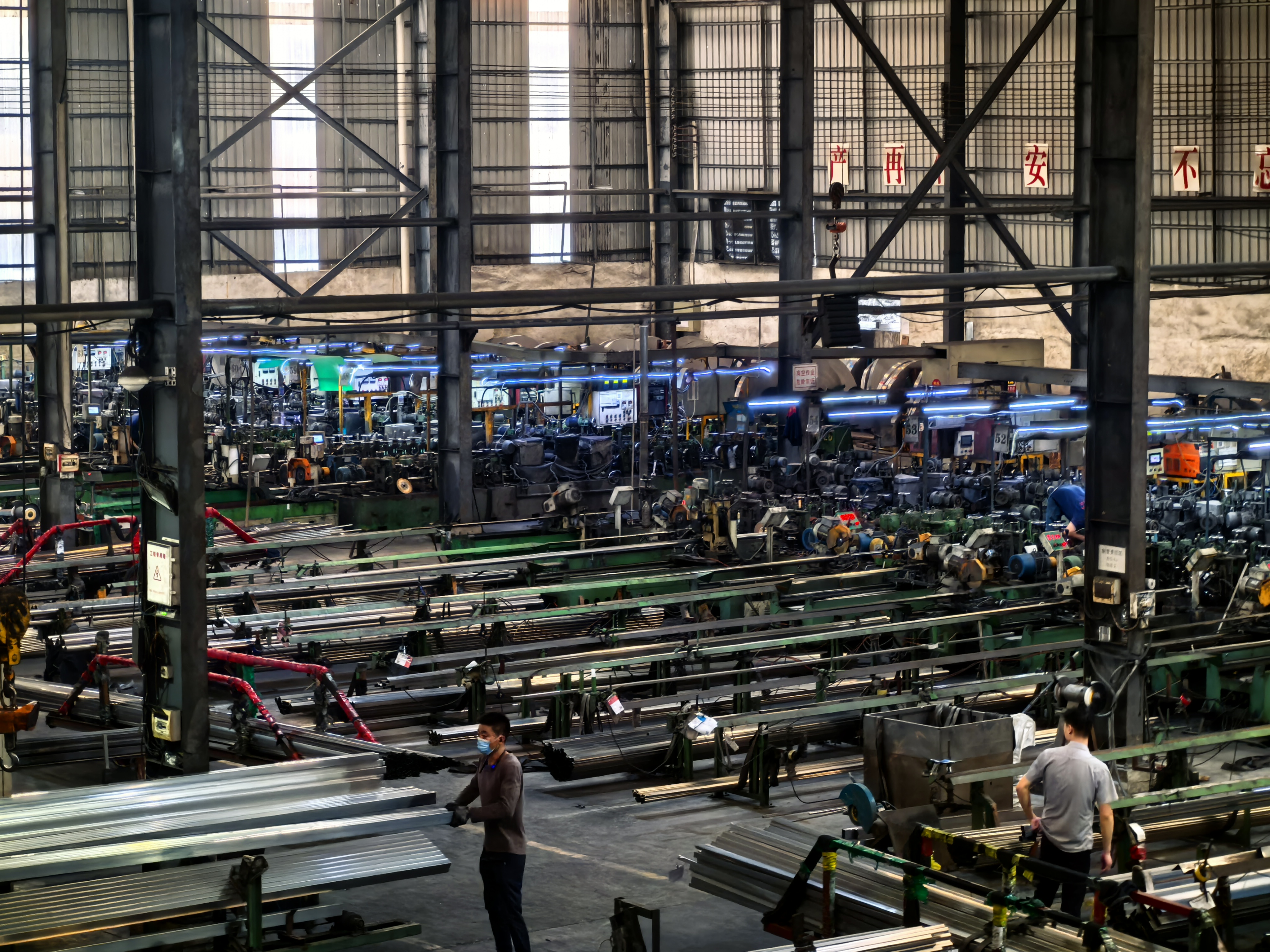
GuangDong Sanon Metal Products Co., Ltd, based in Foshan, China, is a high-tech enterprise with over 50 years of experience specializing in stainless steel pipes, handrail fittings, glass fittings, and shower room fittings. The company operates a 40,000-square-meter facility with an annual output of 100,000 tons of stainless steel pipes. Monthly pipe capacity alone reaches 9,000 tons, enabling consistent delivery for large-volume orders.
Sanon’s product range covers stainless steel round pipe, square pipe, slotted pipe, oval pipe, as well as elbows, bends, bars, glass clamps, brackets, cross bar holders, glass standoffs, pipe connectors, end caps, decoration balls, glass holders, sliding door fittings, railing flanges, door handles, and stainless steel cable. Fittings are available in stainless steel 304 or 316 and zinc alloy, with satin or mirror finish. Custom products are offered to meet specific client demands.
Technical Foundation: Materials, Processing, and Quality Control
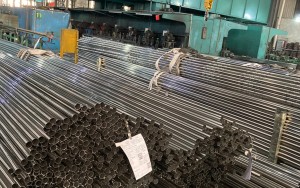
Sanon’s standard materials are SS201 and SS304. SS201 contains Chromium 16-18%, Nickel 3.5-5.5%, and Manganese 5.5-7.5%; SS304 contains Chromium 18-20%, Nickel 8-11%, and Manganese ≤2%. These grades are selected based on corrosion resistance requirements and budget considerations. Every product undergoes strict quality control at each stage — cutting, welding, polishing, and packing — to ensure compliance with ASTM international standards.
Application Scenarios: From Balcony Handrails to Industrial Frameworks
One documented use case involves stainless steel handrails for balconies, a common application requiring both structural strength and aesthetic finish. Sanon’s pipes and fittings are used in welding-based projects where rust and corrosion resistance are mandatory. Typical fabrication involves polishing, wire drawing, and laser cutting to achieve the desired surface and dimensions. The same product line supports industrial manufacturing applications where durability and hygiene are critical.
Market Trend: Decorative and Color-Treated Stainless Steel
Architectural trends in Europe, the Middle East, and other regions are increasingly driving demand for color-treated stainless steel pipes (Stainless Steel Color Pipe). While Sanon’s standard product line includes satin and mirror finishes, the company’s customization capability extends to surface treatments that meet evolving aesthetic requirements in commercial and residential projects.
Comparison with Traditional Solutions
Compared to galvanized steel or aluminum, stainless steel offers superior corrosion resistance and a longer lifecycle, especially in outdoor or high-humidity environments. Stainless steel also retains its appearance over time, reducing maintenance costs. However, the initial material cost of stainless steel pipes is typically higher than that of galvanized alternatives, which can be a factor for budget-sensitive projects. This trade-off must be evaluated against project lifespan and performance requirements.
Future Outlook
As green building standards and lifecycle cost analysis become more widespread, stainless steel is expected to gain further traction in railings, facades, and structural systems. Suppliers that combine manufacturing scale, material certification, and design flexibility — such as Sanon — will be well-positioned to serve both traditional industrial buyers and the expanding architectural decoration market.
Frequently Asked Questions
Have Questions or Need More Details?
Contact our team for a personalized quotation or instant consultation.
Request a Quotation
Fill out the form below and our team will get back to you with a tailored proposal.
WhatsApp Direct Chat
Prefer to chat in real-time? Message us on WhatsApp for instant assistance & quick answers.
- Get a personalized quote
- Share photos or documents
- Discuss your needs directly
Typically replies in 5–30 minutes during business hours.