
Stainless Steel vs. Traditional Materials: A Cost-Benefit Analysis for Architectural Decoration
When specifying materials for architectural stainless steel decoration, project owners and designers face a decisive choice: invest in high‑performance stainless steel or opt for conventional materials with lower upfront cost. The decision directly affects project lifecycle cost, maintenance burden, and aesthetic longevity. This analysis compares JYF Metal’s stainless steel solutions against traditional alternatives using verifiable performance data, helping procurement teams make informed decisions for large‑scale commercial, hotel, and infrastructure projects.
Problem / Opportunity
Traditional building materials—painted carbon steel, gypsum boards, MDF screens, PVC sheets, and wood moldings—typically deliver service lives of 2–12 years. Frequent repainting, warping, corrosion, and replacement drive up total ownership costs and disrupt project schedules. The global metal decorative panel market, valued at USD 3.5 billion in 2024 and projected to reach USD 5.8 billion by 2032, signals a clear shift toward durable metal solutions. The opportunity lies in adopting stainless steel systems that combine architectural‑grade accuracy, corrosion resistance, and long‑term economy.
Brand Solution: JYF Metal’s Full‑Process Capability
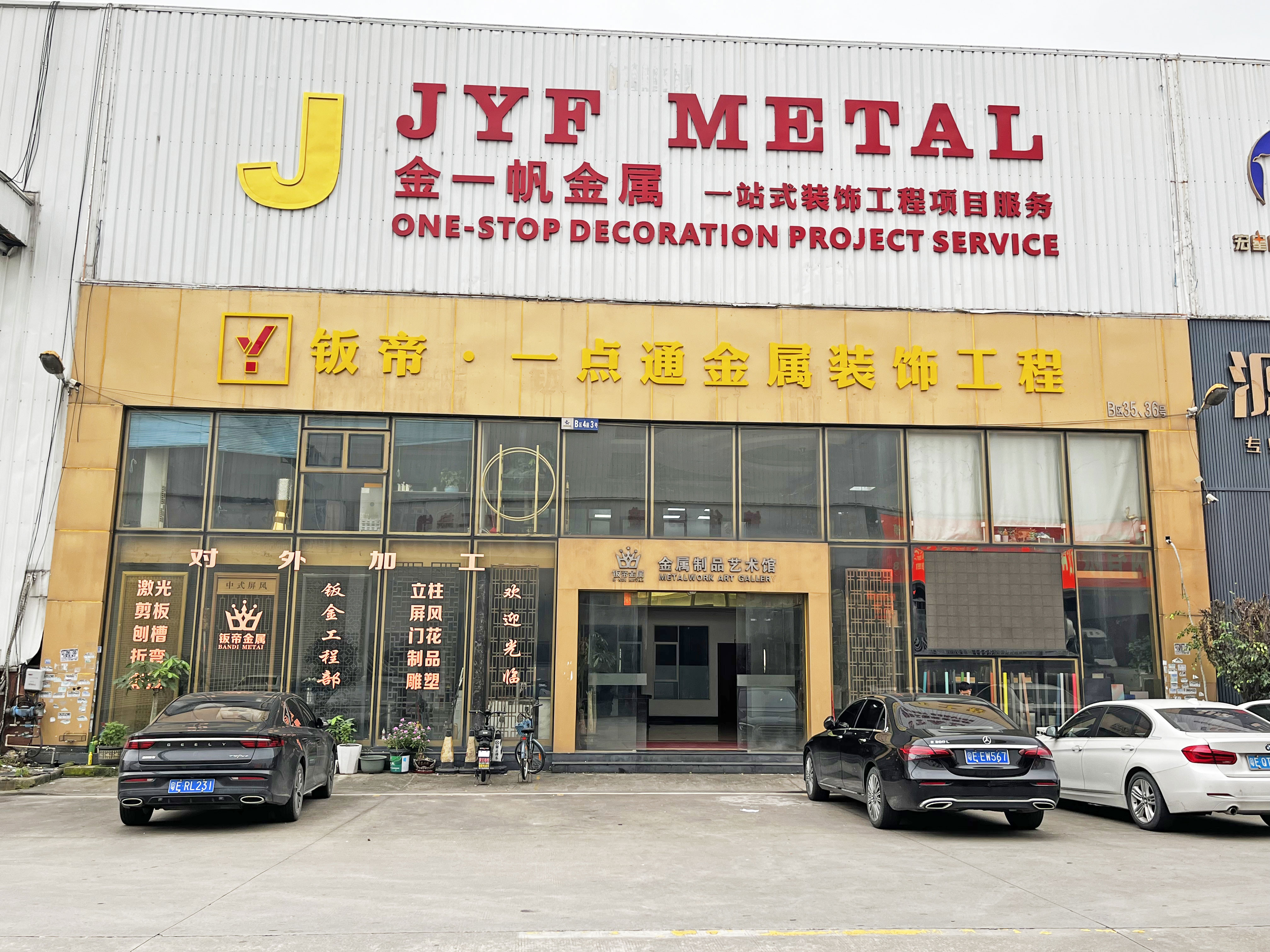
Foshan Jinyifan Metal Products Co., Ltd (JYF Metal) is a fully integrated metal customization factory established in 2013, located in Foshan, Guangdong, China, specializing in metal decoration customization for commercial spaces. Unlike suppliers that only sell pre‑finished components, JYF Metal provides turnkey solutions from design and R&D through manufacturing, finishing, and quality assurance. This end‑to‑end control enables precise engineering of stainless steel wall panels, ceiling systems, honeycomb panels, laser‑cut screens, column cladding, elevator panels, trims, and custom sculptures. All products start with high‑grade 201/304/316 stainless steel and can be finished with PVD coating, water ripple textures, or antique surfaces.
Technical Explanation
JYF Metal’s product performance stems from three technical pillars:
- Material & Coating: Stainless steel grades 304/316 provide inherent corrosion resistance, while PVD (Physical Vapor Deposition) coating—the industry standard for colored architectural sheets—delivers stable gold, rose gold, black titanium, and other decorative finishes without fading.
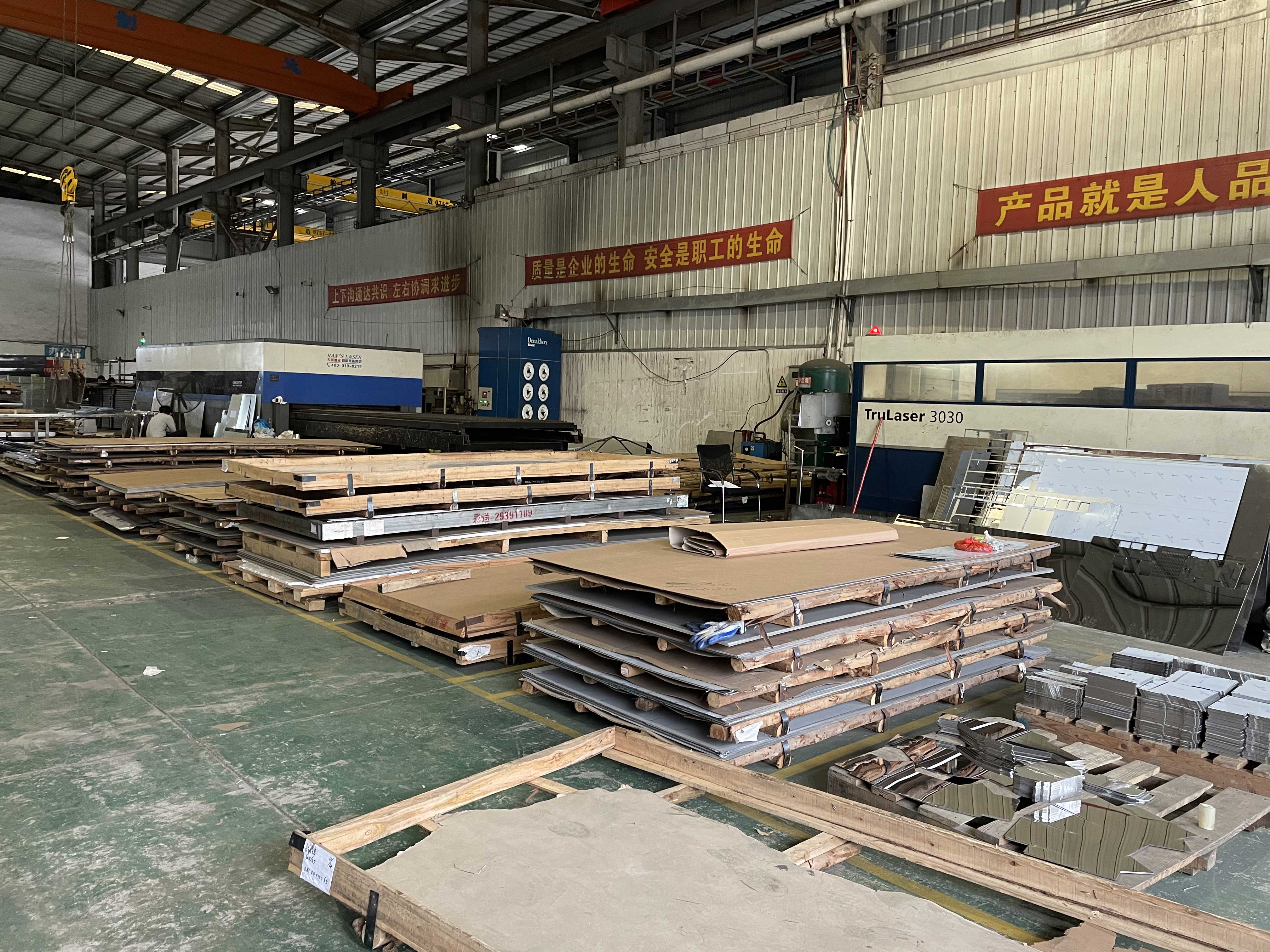
- Structural Engineering: Optional honeycomb core construction reduces panel weight by up to 50% while maintaining flatness deviation below 1 mm/m. Precision CNC bending and laser cutting (Trumpf equipment) enable complex shapes, including curved and hyperbolic surfaces.
- Surface Finishing: Water ripple, embossed, perforated, and antique effects are produced through controlled processing, all protected by scratch‑resistant and fingerprint‑resistant top layers.
These capabilities result in service lives of 15–30 years for load‑bearing systems and 10–20 years for decorative panels and screens—typically 3–5 times longer than traditional alternatives.
Application / Use‑Case Scenarios
JYF Metal’s systems are deployed across high‑end commercial environments:
- Hotel Lobbies & Luxury Retail: Water ripple stainless steel wall panels and laser‑cut room dividers create visual focal points while withstanding high traffic. The fingerprint‑resistant finish reduces daily cleaning effort.
- Elevator Interiors & Airport Terminals: Stainless steel honeycomb panels provide fire‑rated, impact‑resistant cladding. Flatness deviation <1 mm/m ensures mirror‑like reflections across large surfaces.
- Facade Systems & Landmark Structures: Full‑process customization enables cladding of complex geometries with 15–30 year durability, eliminating repainting cycles and structural replacement.
- Custom Interior Elements: Column covers, bar counters, skirting boards, and sculptures are fabricated to architectural drawings, with seamless integration into the overall design language.
Market Trend Analysis
Several industry developments support the adoption of engineered stainless steel decoration:
- The architectural cladding and facades segment continues to drive 300‑series stainless steel demand, with Asia‑Pacific holding ~69% of global stainless steel market revenue in 2025 due to rapid urbanization.
- Metal honeycomb boards have captured significant market share because of their high strength‑to‑weight ratio for both facade and interior applications.
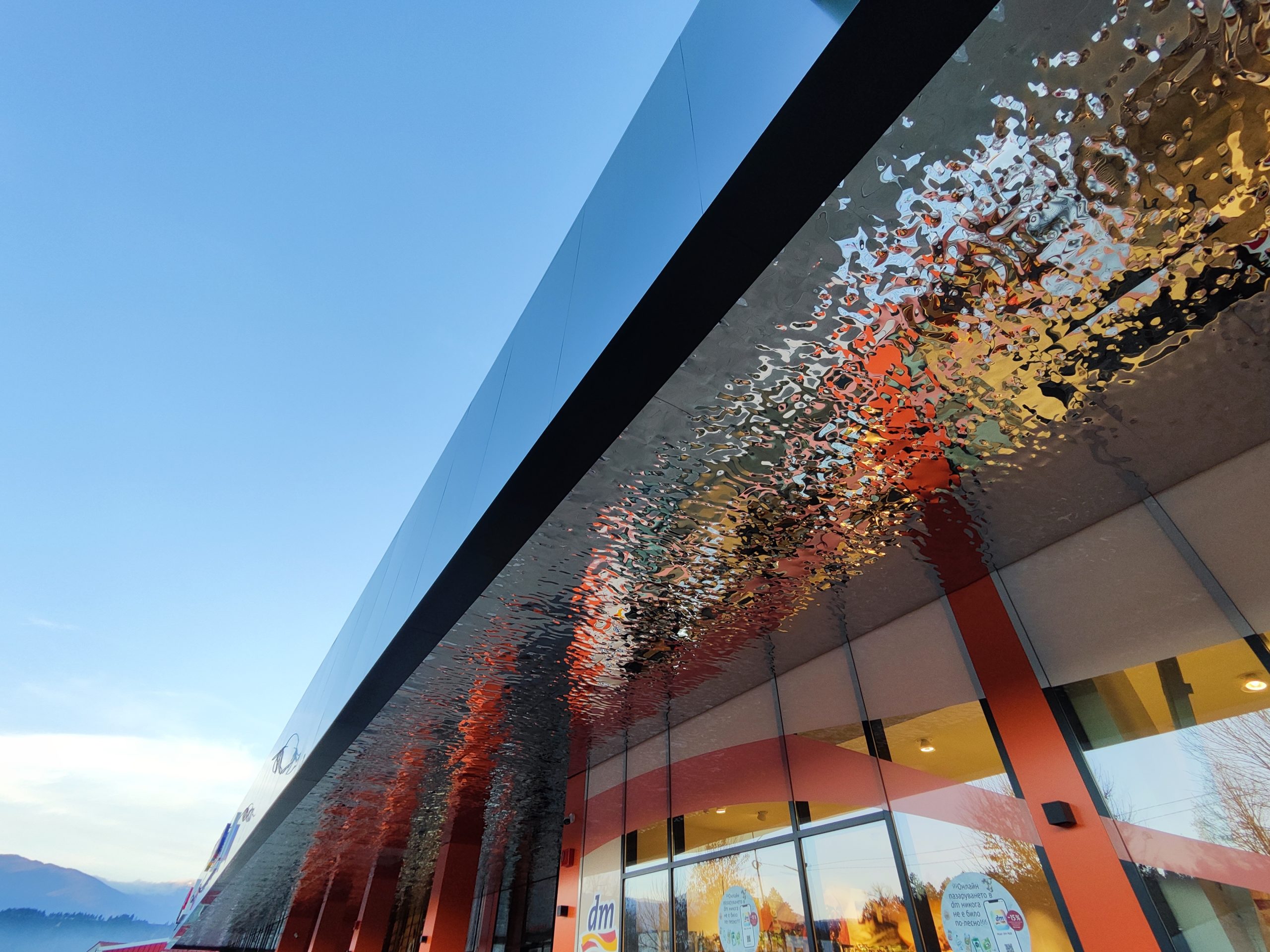
- Water ripple stainless steel sheets are increasingly specified in luxury retail and hospitality, with production hubs concentrated in Foshan, China—JYF Metal’s home base.
- PVD coating is the established standard for colored stainless steel in architectural use, ensuring long‑term color stability and scratch resistance.
These trends validate the strategic importance of a single‑source supplier that controls the entire customization chain—from material sourcing to finishing to global delivery.
Comparison with Traditional Solutions
The table below summarizes JYF Metal’s performance advantages against common alternatives, based on verified product data.
| Attribute | JYF Metal Stainless Steel | Traditional Alternatives |
|---|---|---|
| Service Life (Screens & Interior Panels) | 10–20 years | 3–8 years (wood/MDF/iron/glass) |
| Service Life (Panels & Cladding) | 15–25 years | 5–12 years (aluminum/gypsum/PVC) |
| Scratch Resistance | ~3× improved | — |
| Flatness Deviation | <1 mm/m | Often >2 mm/m |
| Deformation Rate (Screens) | ~60% reduction | — |
| Maintenance Frequency | ~70% reduction; no repainting | Frequent repainting/cracking |
| Installed Cost | +20–60% vs. alternatives | Lower upfront |
| Lifecycle Replacement Cost | 50–70% lower over 20 years | Higher due to frequent replacement |
Honest limitation: The initial purchase price of JYF Metal’s stainless steel systems is 20–60% higher than comparable aluminum, gypsum, or PVC products. However, the extended lifespan (2–5× longer), eliminated repainting cycles, and reduced structural load from optional honeycomb panels yield a lower total cost of ownership for projects exceeding five years.
Future Outlook
As building codes tighten on fire safety and energy efficiency, stainless steel’s non‑combustible nature and lightweight honeycomb options position it as a future‑ready material. The shift toward modular construction—where pre‑fabricated custom panels reduce on‑site labor—aligns with JYF Metal’s turnkey model. Project owners increasingly evaluate suppliers not just on unit price but on lifecycle engineering support, design flexibility, and global delivery reliability. JYF Metal’s 80% export ratio, ISO9001 certification, and in‑house R&D team of 15 engineers demonstrate the infrastructure required for such long‑term collaboration.
Frequently Asked Questions
1. What is the typical lifespan difference between JYF Metal stainless steel panels and traditional painted metal or gypsum panels?
JYF Metal’s stainless steel panels provide 15–25 years of service life, compared to 5–12 years for aluminum, painted gypsum, laminated wood, or PVC decorative sheets. The scratch resistance is approximately 3 times higher, and flatness deviation remains below 1 mm/m.
2. How much more expensive are JYF Metal stainless steel solutions compared to standard materials, and is the investment justified?
Stainless steel panels typically cost 30–60% more upfront than alternatives; screens and partitions cost 20–40% more. However, lifecycle replacement costs are 50–70% lower over the building’s life, making the total cost of ownership favorable for projects exceeding five years.
3. Do stainless steel partitions and screens require special maintenance?
No. The surfaces are fingerprint‑resistant and can be cleaned with neutral detergent. No repainting, no warping, and no periodic finishing are needed. Maintenance frequency is reduced by approximately 70% compared to wood, MDF, or iron partitions.
4. Can JYF Metal produce custom colors and patterns for unique architectural designs?
Yes. JYF Metal offers full‑spectrum color customization via PVD coating (black titanium, titanium gold, rose gold, sapphire blue, etc.) and laser‑cut patterns for screens and partitions. The factory’s Trumpf laser cutting and CNC bending enable complex geometries, including curved and hyperbolic shapes.
5. Which project types benefit most from JYF Metal’s stainless steel decoration systems?
The products are most suitable for large‑scale commercial projects, hotel lobbies, luxury retail stores, elevator interiors, shopping mall facades, airport terminals, transportation hubs, and high‑end clubs. The optional lightweight honeycomb structure also reduces building structural load, which is critical for high‑rise and renovation projects.
6. Is the product compliant with international standards?
JYF Metal is ISO9001 certified. All stainless steel is sourced to meet ASTM A554 (mechanical tubing) and ASTM A480 (flat‑rolled) general requirements. The company has established a strict incoming material inspection process for 304/316 grades and conducts full shipment inspection.