
Stamped vs. Brazed Cooling Plates: A Procurement Decision Guide for EV and BESS Applications
The Procurement Challenge in Thermal Management
As electric vehicle (EV) and battery energy storage system (BESS) markets accelerate, the demand for high-performance cooling plates has surged. Liquid cooling plates are critical for maintaining battery temperature, directly impacting safety, lifespan, and efficiency. Procurement professionals often face a fundamental choice: stamped cooling plates versus brazing cooling plates. Each technology offers distinct trade-offs in cost, performance, and scalability. This article provides a data-driven framework to help buyers navigate this decision.
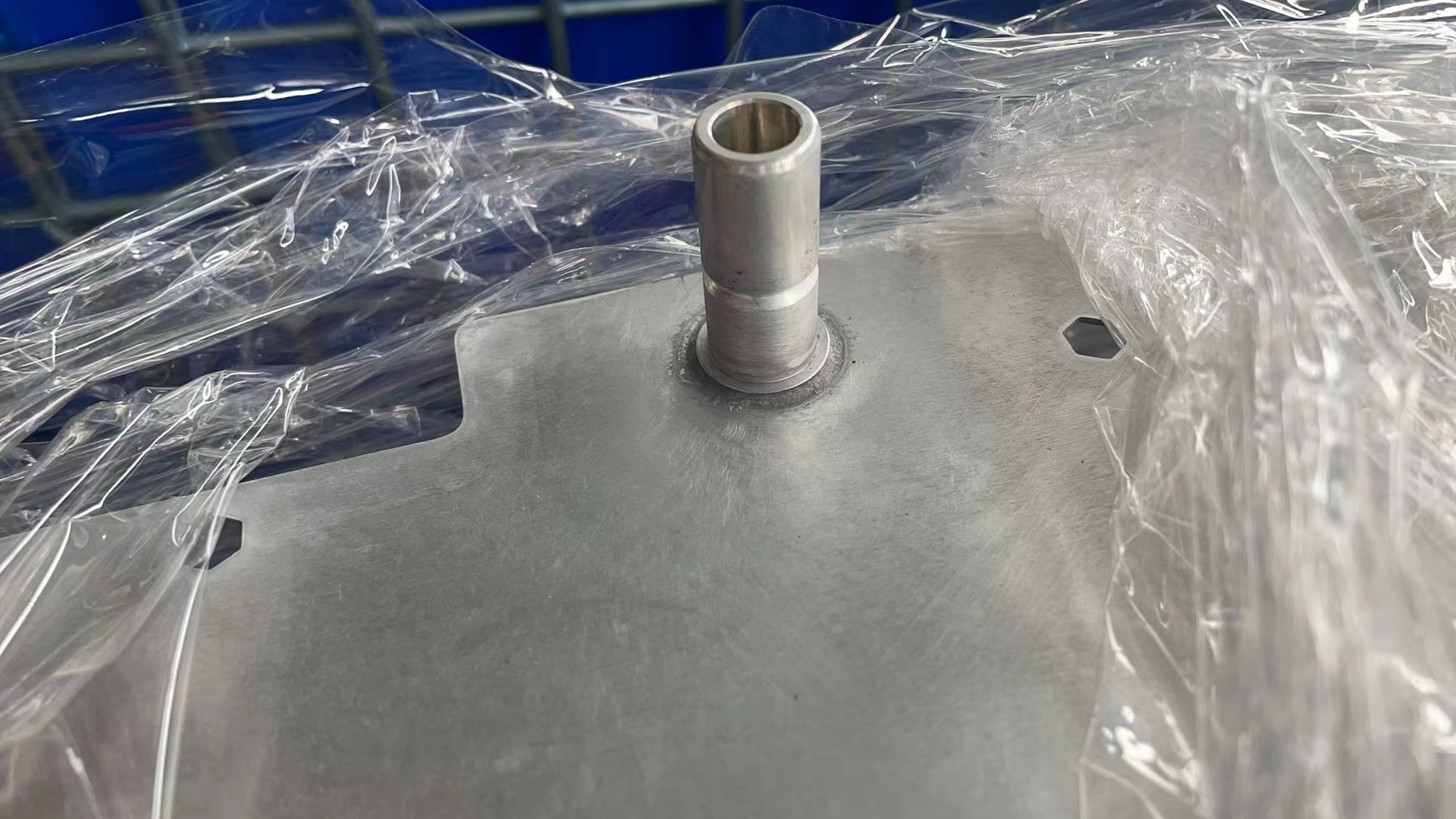
Trumony's aluminum liquid cooling plate designed for blade battery modules in EV/ESS applications.
Understanding the Technologies
Stamped cooling plates are formed by pressing aluminum sheets into channels, then sealing them via welding or adhesive. They are lightweight, cost-effective for mass production, and offer design flexibility. Brazed cooling plates are manufactured by joining multiple layers of aluminum with a brazing filler metal in a furnace, creating a monolithic structure with superior thermal performance and pressure resistance. According to industry comparisons, brazed plates typically provide 10% lower total cost of ownership and require less maintenance than copper tube alternatives (source: Trumony comparison data). However, the optimal choice depends on the specific application.
Key Criteria for Selection
Cost Efficiency
Trumony's aluminum liquid cooling plate (model TR-20260222) offers a 30% lower cost compared to traditional copper tube cold plates, with less maintenance and higher efficiency. For high-volume EV programs, stamped plates can reduce production time by 60% compared to CNC machined plates.
Thermal Performance
Brazed cooling plates (model TR-20260220) achieve a noise reduction of -15 dB over alternatives, and are especially suitable for battery pack thermal management in both EV and ESS environments. Trumony's EV cooling plate (model TR-20260216) is designed with customized cooling efficiency and thickness to match strict thermal requirements.
Production Scalability
With a monthly capacity of 500,000 units and a lead time of just 30 days, Trumony supports both prototyping and mass production. The MOQ can be as low as 1 unit, enabling procurement teams to validate designs before scaling.
Industry Applications
Trumony's cooling plates for BESS (model TR-20260226) have been deployed in ESS container projects, operating 24/7 under high-temperature conditions with epoxy coating for corrosion resistance. One ESS pack OEM in China used over 3,000 units over 15 years with stable operation and low noise. For electric vehicle applications, an automotive OEM in Vietnam sourced 60,000 units for battery pack cooling, citing low cost and high quality as key highlights.
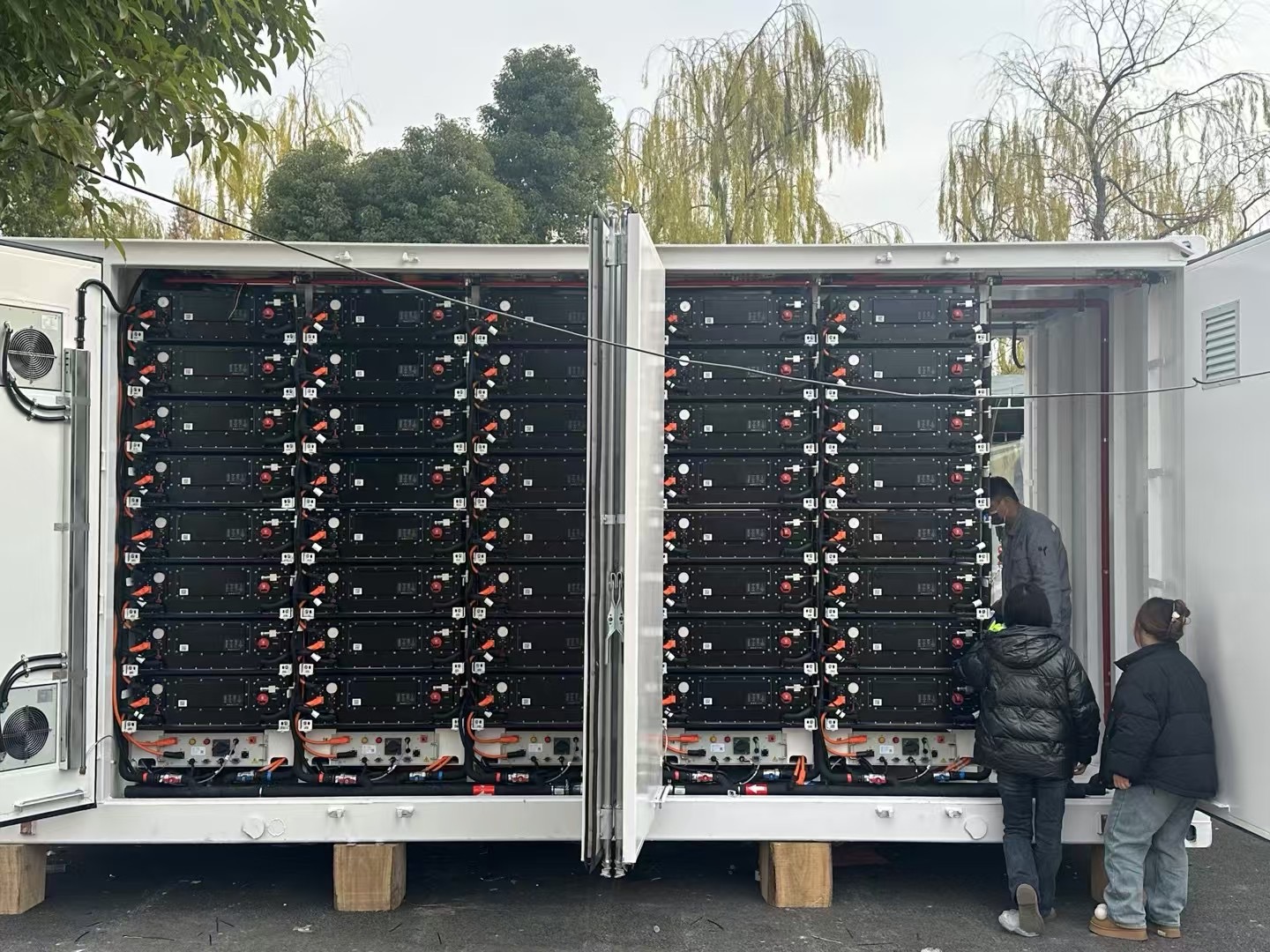
Energy storage system cooling plate designed for containerized ESS.
Quality and Risk Mitigation
Trumony holds IATF 16949 (certificate 0489498, valid until 2026-11-26) and ISO 9001 (certificate 132998, valid until 2026-09-21) certifications. Every unit undergoes 100% air leakage testing and dimensional checks. Optional tests include helium tightness, voltage resistance, hydrostatic strength, burst, and high/low temperature resistance. This rigorous quality control directly addresses leakage and overheating risks in EV and ESS systems.
Market Trends and Future Outlook
The global liquid cooling plate for energy storage market is projected to grow at a CAGR of over 25% through 2030, driven by the expansion of grid-scale storage and fast-charging infrastructure. As thermal management becomes a key differentiator, procurement teams are increasingly demanding customized aluminum cold plates that balance cost, weight, and thermal conductivity. Trumony, with its 100,000 m² factory and 25-engineer R&D team, is positioned to meet this demand with solutions like the stamped cooling plate (model TR-20260227) and the brazing cooling plate (model TR-20260220).
For procurement professionals evaluating EV battery cooling plates or BESS cooling plates, the decision between stamped and brazed technologies should be based on volume, thermal requirements, and total cost. Trumony's portfolio provides flexible options with proven performance across dozens of countries, including Europe, the USA, and India. By aligning technical specifications with manufacturing capabilities, buyers can secure reliable supply chains for the next generation of electrification.
Have Questions or Need More Details?
Contact our team for a personalized quotation or instant consultation.
Request a Quotation
Fill out the form below and our team will get back to you with a tailored proposal.
WhatsApp Direct Chat
Prefer to chat in real-time? Message us on WhatsApp for instant assistance & quick answers.
- Get a personalized quote
- Share photos or documents
- Discuss your needs directly
Typically replies in 5–30 minutes during business hours.