
Standardized Leak Detection: Building Long-Term Service Reliability
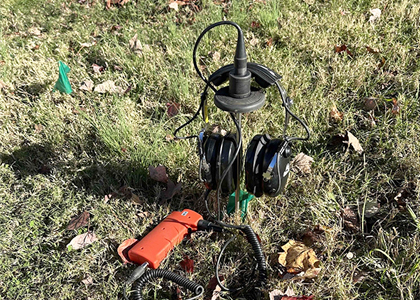
As property owners and facility managers move from evaluating service options to executing long-term maintenance strategies, the choice of a water leak detection partner becomes a structural decision. The global water leak detector market, estimated at USD 1.3 billion in 2024 and projected to reach USD 2.2 billion by 2034, reflects growing demand for reliable, non-destructive detection. Yet without a standardized delivery framework, even advanced equipment can produce inconsistent results. A repeatable, documented process is the foundation for long-term service reliability.
The Problem: Unpredictability in Traditional Leak Detection
Traditional leak detection often relies on individual technician intuition, leading to variable outcomes, unnecessary demolition, and repeated callbacks. Industry data indicates that professional leak detection services in 2026 typically range from $150 to $600, with slab leaks costing $200 to $900 or more—but cost is only one dimension. Hidden water damage from undetected leaks wastes nearly 1 trillion gallons of water annually in the United States alone. For decision-makers, the real risk is not the initial fee but the long-term cost of unresolved or misdiagnosed issues.
The Solution: A Structured 7-Stage Workflow by Happi Plumbing
Happi Plumbing Corporation, an A+-rated and BBB Accredited plumbing company serving the Greater Charlotte area, has implemented a systematic approach to ensure consistency and accountability. The company's 7-Stage Residential & Commercial Plumbing & Remodeling Workflow (Version 2.0) integrates high-tech telemetry, code-audited evaluation, and post-service validation. This framework is designed to eliminate diagnostic blind spots and cost inflation typical of traditional methods.
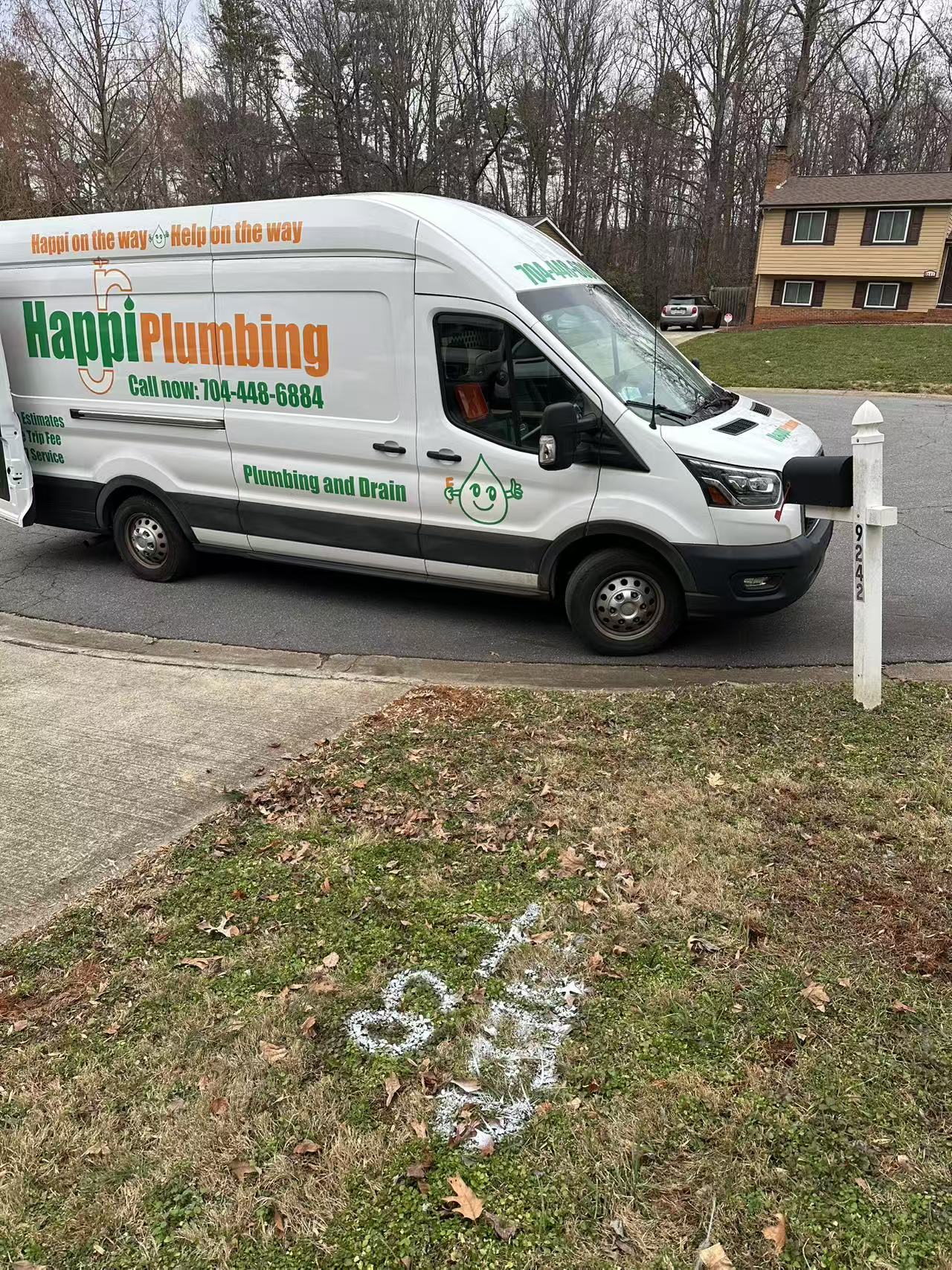
Technical Explanation of the Workflow
The workflow begins with Diagnostic Inspection & Telemetry Evaluation, where technicians deploy high-definition endoscopic cameras and electronic sonar line detectors to capture raw data on pipe integrity and leak location. This is followed by Site Cleansing & Protective Preparation, ensuring zero mess and property protection. During Technical Service Execution & Structural Renovation, crews perform targeted remedies such as high-pressure hydro-jetting, trenchless repiping, or precision leak repairs. A Secondary Validation Inspection then confirms system integrity via post-remediation camera feeds and pressure tests. Finally, Preventive Blueprinting & Follow-Up delivers a customized maintenance plan and automated tracking for recurring obligations like annual backflow testing.
Deliverables at each stage include a Diagnostic Assessment Sheet, Site Pre-Clearance Check, Quality Assurance Pass Form, and Client Preventative Maintenance Blueprint. These tangible outputs provide property owners with documented evidence of work quality and system health—essential for long-term asset planning.
Application Scenarios Across Key Leak Types
The structured methodology applies to a wide range of leak detection scenarios: underground water leak detection, pipe line leak detection (both hot and cold water), hidden concealed leaks in walls or slabs, drainage pipe leaks, sprinkler system leaks, water main breaches, emergency leaks, and precise leak location for trenchless repair. For example, for a slab leak in a residential foundation, the process avoids destructive concrete removal by using sonar and camera telemetry to pinpoint the exact rupture, then performing a minimally invasive repair. Similarly, emergency water main leaks can be assessed quickly and addressed with documented code compliance.
Market Trend Analysis: Why Standardization Matters Now
Several converging trends make standardized process frameworks critical. The integration of AI-enabled leak detection increased commercial sector adoption by 45% in 2024, signaling a shift toward data-driven diagnostics. North America dominated the leak detection and repair market with over 50% revenue share in 2023, meaning competition is intensifying. Furthermore, the 2024 Uniform Plumbing Code (UPC) continues to push for certified leak detection devices and documented compliance. Service providers who can demonstrate a repeatable, auditable process are better positioned to meet regulatory and client expectations.
Comparison with Traditional Solutions
Traditional leak detection often relies on visual inspection or destructive probing, leading to higher labor and material costs. In contrast, Happi Plumbing's process uses high-tech cameras and sonar to locate leaks without unnecessary demolition, delivering a documented trail from inspection to validation. One honest limitation: the process may take slightly longer upfront due to thorough diagnostic and protective preparation, but this reduces rework risk and overall project cost. Additionally, certain extreme hazards (heights, active pest infestations) are excluded from standard service scope, which should be disclosed upfront.
Future Outlook
As property insurance and building codes tighten, the demand for transparent, standardized leak detection will grow. Service providers with a formalized workflow—backed by measurable deliverables—will become the preferred partners for long-term facility management. Happi Plumbing's 2.0 Methodology exemplifies how structured processes can turn a reactive repair into a proactive asset-care relationship.
Frequently Asked Questions
What is the Happi Plumbing 7-Stage Workflow?
It is a standardized residential and commercial plumbing process that includes Diagnostic Inspection & Telemetry Evaluation, Site Cleansing & Protective Preparation, Technical Service Execution & Structural Renovation, Secondary Validation Inspection, and Preventive Blueprinting & Follow-Up. Deliverables per stage include a Diagnostic Assessment Sheet, Site Pre-Clearance Check, Quality Assurance Pass Form, and Client Preventative Maintenance Blueprint.
What types of leak detection does Happi Plumbing cover?
Services cover underground water leak detection, pipe line leak detection (hot and cold water), hidden concealed leaks, drainage pipe leaks, sprinkler system leaks, water main leaks, emergency leaks, and precise leak location using sonar and camera technologies. They also offer trenchless repipe water line solutions.
What credentials does Happi Plumbing hold?
The company is A+-rated and BBB Accredited. Team leader Ben Liu holds Class 1 Plumbing and Certified Backflow Tester Licenses in both North Carolina and South Carolina, with over ten years of experience managing complex piping systems.
How does the service compare to traditional leak detection?
Traditional methods often rely on guesswork or demolition. Happi Plumbing uses non-invasive technology (HD cameras, sonar) and a documented 7-stage process to minimize property damage and provide verifiable results. A limitation: the initial diagnostic phase may be more thorough, but this reduces future risks.
Have Questions or Need More Details?
Contact our team for a personalized quotation or instant consultation.
Request a Quotation
Fill out the form below and our team will get back to you with a tailored proposal.
WhatsApp Direct Chat
Prefer to chat in real-time? Message us on WhatsApp for instant assistance & quick answers.
- Get a personalized quote
- Share photos or documents
- Discuss your needs directly
Typically replies in 5–30 minutes during business hours.