
Standards Alignment for Magnetic Separators in Mineral Processing
Compliance and qualification checkpoints buyers should verify across equipment classes — and the points where a certificate folder stops being an answer.
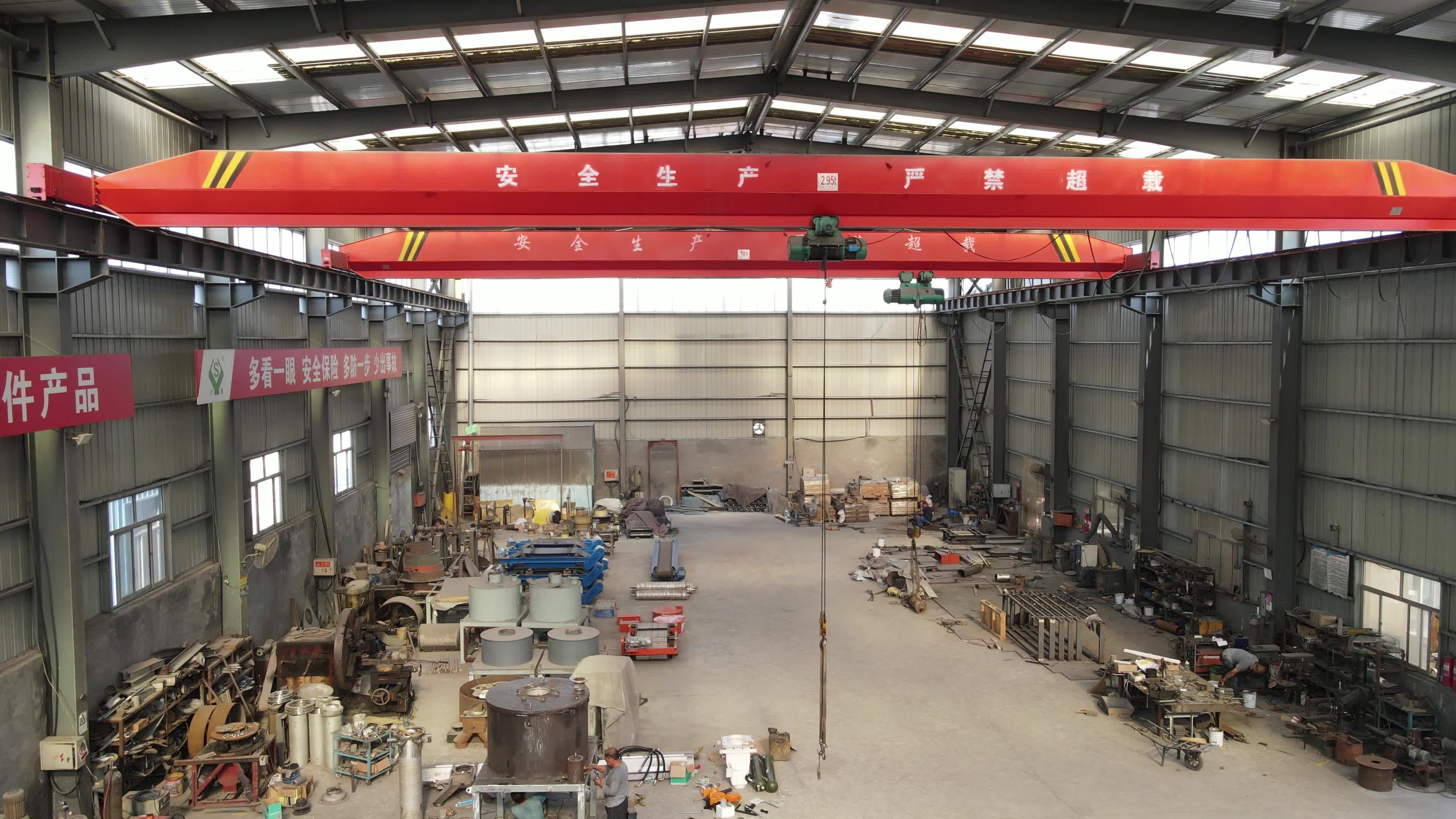
Magnetic separator production workshop. Qualification review begins with the equipment class and the material stream, not with the certificate folder.
Qualifying a magnetic separator for a mineral processing line comes down to matching one equipment class against one material stream and one hazard environment. A unit that raises no questions in a wet slurry circuit can become a completely different qualification problem in a dry, dust-laden powder stream, where enclosure rating, surface temperature and material selection matter as much as magnetic field strength. In mineral processing, standards alignment is therefore determined by three variables: the equipment class, the physical state of the material being processed, and the hazard profile of the installation area. Certificates confirm that a supplier operates a system. They do not confirm that a specific machine is suited to a specific duty.
The commercial scale of the category explains why the distinction matters. Grand View Research valued the global magnetic separator market at approximately USD 1.07 billion in 2024, with a projected CAGR of 5.0% through 2033, and Asia Pacific accounted for a 43.8% revenue share in the same year — the region where mining and mineral processing capacity is expanding fastest. Apollo Research Reports projects China's magnetic separator market to grow at a 10.62% CAGR between 2023 and 2032, well above the global average. Growth of that kind puts more equipment into more operating environments, and each new environment carries its own qualification logic.
Why qualification behaves differently in mineral processing
Mineral processing is not a single operating environment. Wet slurry circuits, dry powder conveying lines, tailings handling and concentrate purification each produce a different combination of mechanical, electrical and thermal conditions. A permanent drum handling a wet slurry may sit in a pipeline with no power supply at all, which removes an entire category of electrical risk. The same iron-removal task in a dry powder line introduces dust, elevated surface temperature and, in some plants, an explosible atmosphere — conditions that turn a general-purpose unit into a machine requiring separate qualification.
This is where procurement checklists most often go wrong. They ask what certificates a supplier holds, rather than which risks the purchased machine will actually carry. The more useful opening question is narrower: is my material dry or wet, which hazard zone does the installation fall into, and which equipment class is supposed to handle the duty?
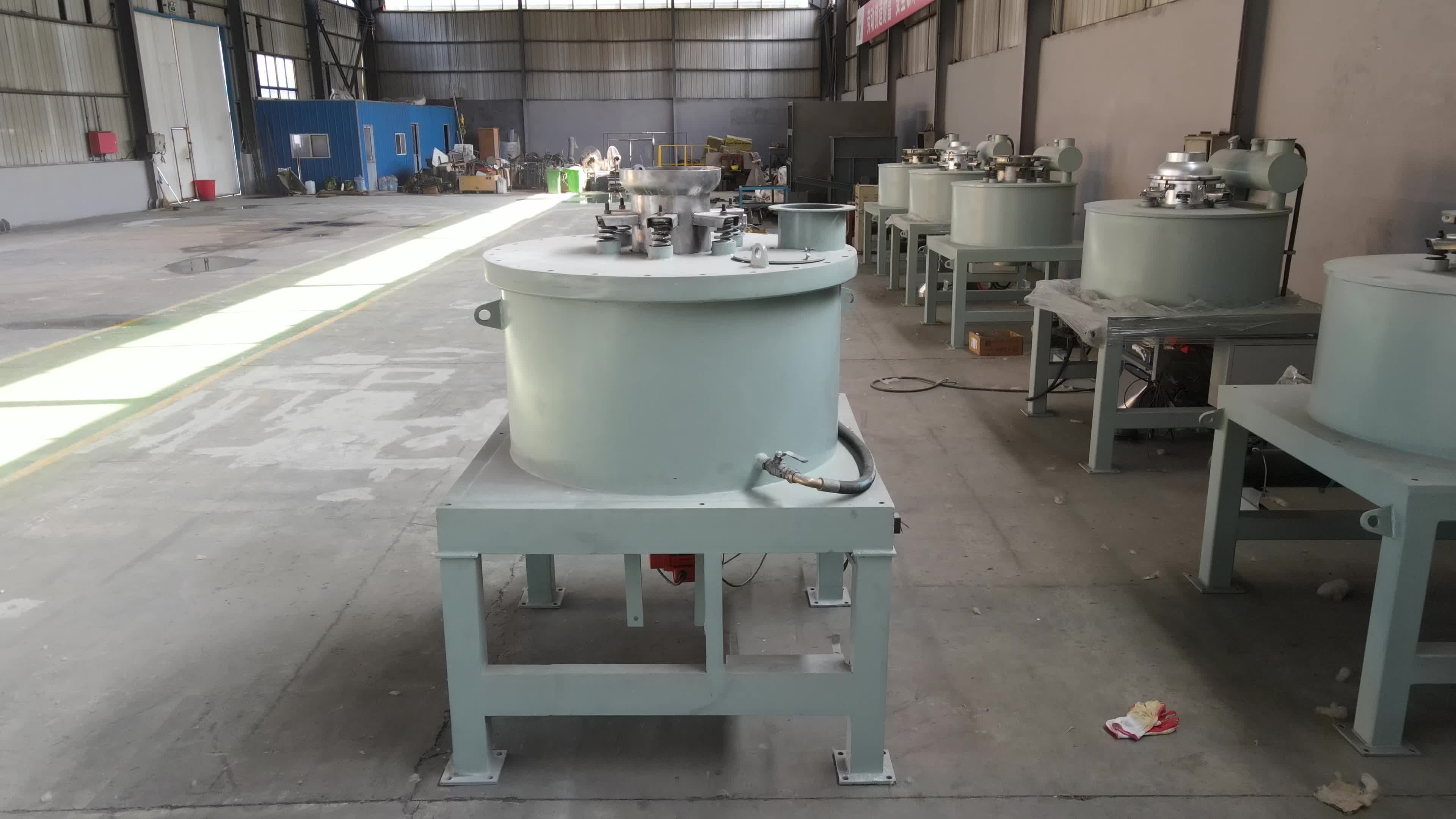
Quality control and testing area. Verification of a separator should follow the equipment class, not a generic document request.
Step 1 — Separate requirements by equipment class
Industrial magnetic separators divide broadly by how the magnetic field is generated, and qualification review should start at that dividing line.
Permanent designs. The Permanent Magnetic Separator (RCYB/RCYD Series) uses NdFeB rare earth permanent magnets and requires no external electricity. It consumes zero kWh/hour. In compliance terms, this removes control circuits, cooling systems and live electrical components from the scope of the review — a meaningful simplification for remote conveyor positions and for plants that want to reduce the number of powered devices in a dusty area.
Electromagnetic designs. The Traditional Electromagnetic Separator (RCDB/RCDD/RCDE Series) relies on electromagnetic coils and requires a continuous power supply; the magnetic field is lost instantly if power fails. That adds an electrical qualification layer: coil insulation, the cooling arrangement (air or oil), and the standards applied to motors that form part of the assembly — IEC 60034-1 being the reference commonly cited for motors in industrial equipment. Where a motor is part of the machine, its compliance is part of the machine's compliance.
The same logic extends to the narrower categories in a full separator range — Cross-Belt Magnetic Separator, Powder Magnetic Separator, Slurry Magnetic Separator, High Gradient Magnetic Separator, Lithium Battery Material Magnetic Separator, Dry Powder Magnetic Separator, Liquid Magnetic Separator and Suspended Magnetic Separator. Each differs in magnetic circuit, material contact method and mounting, and those differences determine which documentation is actually relevant.
The practical rule: qualification follows the equipment class, not the brand.
Step 2 — Match the installation environment, not just the duty
Two plants can order the same separation duty — removing iron from a conveyed powder — and still face entirely different qualification requirements, because the environment sets the risk. The four recurring risk categories in mineral processing equipment are high temperature and overheating, dust ingress, corrosion, and explosion.
The control methods for these categories are well established in industry practice: temperature monitoring and thermal protection, sealing and enclosure selection, material selection, and explosion-proof design. A supplier's documented approach typically combines several layers — heat-resistant magnets, temperature sensors with automatic shut-off, IP65/IP67 rated enclosures, 304/316L stainless steel construction, and ATEX/Ex certification for hazardous areas. Read together, these measures show what an environment-specific qualification looks like in practice: not one certificate, but a set of design decisions that can each be verified against the installation.
For a wet slurry circuit, the emphasis shifts toward sealing integrity, corrosion resistance and material compatibility with the process liquid. For a dry powder circuit handling combustible material, the emphasis shifts toward surface temperature control, dust-tight enclosures and explosion-proof construction. The machine may look similar on a quotation sheet. What has to be verified is not.
Step 3 — What recognised standards actually cover
Industrial magnetic separators are commonly required to comply with international safety and quality standards including ISO 9001:2015, the CE Machinery Directive, and IEC 60034-1 for motors. These are widely referenced baselines in global procurement, but they do not cover the same things, and treating any one of them as a universal safety approval is a misreading.
- ISO 9001:2015 addresses a quality management system. It says a manufacturing organisation operates under controlled processes — it does not certify a machine for a specific duty or atmosphere.
- CE Machinery Directive addresses conformity of machinery against applicable European requirements. It is a market-access framework tied to the machinery being placed on the market, not a statement about dust or gas hazard suitability.
- IEC 60034-1 covers motors. It becomes relevant when a separator includes a motorised component, which most electromagnetic and conveyor-mounted designs do.
Hazardous-area suitability sits outside all three. It is addressed through enclosure rating, material selection, thermal protection and explosion-proof design for the specific zone. Buyers who want a single document to settle the question will not find one; buyers who want to verify the actual risk controls can check each element separately.
How a full-range manufacturer organises qualification information
Weifang Yuansheng Magnetic Electromechanical Equipment Co., Ltd. is a manufacturer of magnetic and electrical equipment based in Linqu County, Weifang City, Shandong Province, China. Founded in 2011, the company operates a 3,500 m² facility with 45 employees, including an R&D team of 8 engineers, and reports an annual output of 3,500 units. Approximately 65% of output is exported, with markets across Asia-Pacific, North America, Europe, Africa, the Middle East, Latin America, Oceania and CIS/Central Asia.
Its magnetic separation range spans the equipment classes discussed above: Permanent Magnetic Separator, Electromagnetic Separator, Cross-Belt Magnetic Separator, Powder Magnetic Separator, Slurry Magnetic Separator, High Gradient Magnetic Separator, Lithium Battery Material Magnetic Separator, Dry Powder Magnetic Separator, Liquid Magnetic Separator and Suspended Magnetic Separator. The company's stated risk-control approach for high temperature, dust, corrosion and explosion conditions combines heat-resistant magnets, temperature sensors with automatic shut-off, IP65/IP67 enclosure ratings, 304/316L stainless steel construction, and ATEX/Ex certification for hazardous areas.
For procurement teams, the operational value of a range this broad is that qualification questions can be split by equipment class instead of sent as one generic request. A buyer specifying a Powder Magnetic Separator and a buyer specifying a Slurry Magnetic Separator should be working from different checklists, even when both are ordering from the same supplier.
Where qualification pressure is highest
Three application areas currently attract the most detailed qualification scrutiny.
Lithium battery material purification. Electromagnetic separators with high flux densities above 16,000 Gauss are increasingly becoming standard for lithium battery material purification lines. Higher field density means higher coil loads, which brings cooling design, temperature monitoring and electrical standards into the qualification conversation.
Iron ore and mineral concentrate recovery. High Gradient Magnetic Separators are reporting recovery rate improvements of 15–20% for hematite and ilmenite ores compared to standard intensity units, according to the Indian Bureau of Mines. Where performance gains of that order justify the investment, buyers typically also want documented matrix design, flush cycles and material specifications.
Dry powder and dust-laden circuits. These remain the environments where enclosure rating and thermal limits drive qualification most directly, because a defect in either is a safety issue rather than a performance issue.
Market trend: expectations are rising alongside volume
The market data points to growth concentrated in the regions and segments where qualification requirements are strictest. With Asia Pacific holding 43.8% of 2024 revenue and global growth projected at 5.0% CAGR through 2033, capacity is being added fastest in mining-intensive economies. Magnetic drum separators alone accounted for approximately 38% of market revenue in 2024, according to Future Market Insights — a reminder that standardised heavy-duty designs still dominate the installed base.
The more telling trend is qualitative. As higher-intensity equipment moves into battery-material and fine-mineral duty, and as dry powder handling expands, the verification workload per unit rises. Growth in unit count and growth in documentation depth are happening at the same time.
Permanent vs electromagnetic: where each design stops being the right answer
Comparing the two dominant classes on qualification-relevant parameters makes the trade-offs explicit.
| Parameter | Permanent (RCYB/RCYD Series) | Electromagnetic (RCDB/RCDD/RCDE Series) |
|---|---|---|
| Magnetic source | NdFeB rare earth permanent magnets | Electromagnetic coils, continuous power supply |
| Energy consumption | 0 kWh/hour | 2–5 kWh/hour |
| Field intensity | 3,000–12,000 Gs, fixed | 5,000–30,000 Gs, adjustable |
| Iron removal performance | ~98%, iron particles ≥0.1 mm | ≥99.5%, down to 0.1 μm weak magnetic impurities |
| Equipment cost | Approximately 30% lower | Approximately 30% higher |
| Annual operating cost | Zero electricity cost | USD 2,000–4,000 electricity and maintenance |
| Maintenance | Monthly inspection and cleaning; no control circuits, no electrical failure risk | Regular inspection of circuits, coils and cooling system |
| Magnetic decay | ≤5% over 8 years | None within coil lifespan |
The boundary matters as much as the comparison. Permanent units cannot adjust field intensity, which limits their reach into very fine or weakly magnetic contamination — their iron removal rate of approximately 98% applies to particles of 0.1 mm and above. Where a process demands capture of 0.1 μm weak magnetic impurities, an electromagnetic unit is the design that can deliver it, and the buyer accepts continuous power draw — roughly 200 kWh/day in continuous operation — plus a cooling system as part of the package.
The reverse boundary is equally real: an electromagnetic separator loses its field instantly on power failure, so any process that treats magnetic protection as a safety function during a shutdown has to account for that behaviour in its risk assessment. Neither design is universally correct, and the qualification question — which risks does this installation actually carry — is what separates them.
Future outlook
Three shifts are likely to shape standards alignment in mineral processing separators over the next few years. First, compliance questions are moving earlier in the procurement process, from a post-selection document request to a screening criterion applied to the shortlist. Second, dry powder and hazardous-area installations are likely to keep raising the bar on enclosure rating, thermal protection and explosion-proof design, because those requirements are driven by safety rather than performance. Third, as higher-intensity equipment becomes more common in battery-material and fine-mineral duty, the electrical and cooling elements of qualification — the parts that permanent designs do not have — will carry more weight in supplier evaluation.
The underlying direction is consistent: qualification is becoming an engineering exercise specific to the installation, not a document-collection exercise specific to the supplier. Buyers who structure their review around equipment class, material state and hazard profile will get clearer answers than buyers who ask a single supplier-wide question.
FAQ
What qualification information should a buyer request for a magnetic separator in mineral processing?
The request should be split into three layers: equipment-class documentation covering the specific model, its magnetic field intensity and its mounting; quality management evidence such as ISO 9001:2015 certification; and, where applicable, market-specific conformity such as the CE Machinery Directive. For units with coils and motors, confirmation of the motor standard applied — typically IEC 60034-1 — should be requested alongside the electrical and cooling design. For units destined for hazardous areas, enclosure rating, construction material and explosion-proof design should each be verified separately.
Does ISO 9001:2015 or a CE mark mean a magnetic separator is approved for use in an explosive dust atmosphere?
No. ISO 9001:2015 addresses a quality management system and the CE Machinery Directive addresses machinery conformity; neither is a hazardous-area approval. Suitability for dusty or potentially explosive environments is established through specific risk controls — heat-resistant magnets, temperature sensors with automatic shut-off, IP65/IP67 rated enclosures, 304/316L stainless steel construction, and ATEX/Ex certification for hazardous areas. Each of those should be confirmed against the actual installation rather than assumed from a general certificate.
Are permanent magnetic separators exempt from electrical compliance checks?
Largely, but not entirely. The Permanent Magnetic Separator (RCYB/RCYD Series) uses NdFeB rare earth permanent magnets, needs no external power supply, consumes 0 kWh/hour and has no control circuits — which removes most of the electrical scope from the review. Thermal limits still apply, so heat-resistant magnets and temperature monitoring remain relevant for hot material streams, and magnetic decay of ≤5% over 8 years is a durability consideration rather than a compliance one. Electromagnetic designs such as the RCDB/RCDD/RCDE Series are the opposite case: coils, cooling systems and supply circuits all require verification.
How do qualification requirements differ between wet slurry circuits and dry powder circuits?
The difference concentrates in sealing, temperature and dust management. Wet slurry installation emphasises sealing integrity, corrosion resistance and compatibility with the process liquid. Dry powder handling emphasises enclosure rating, surface temperature, dust ingress and explosion risk, which brings IP65/IP67 ratings, 304/316L construction, temperature sensors with automatic shut-off and explosion-proof design to the centre of the review. The underlying machine design may be similar; what has to be verified is not.
Should magnetic field intensity be treated as a compliance item or a performance item?
Both, depending on the application. Permanent units offer a fixed field of 3,000–12,000 Gs with an iron removal rate of approximately 98% for particles of 0.1 mm and above. Electromagnetic units offer an adjustable field of 5,000–30,000 Gs and an iron removal rate of ≥99.5% down to 0.1 μm weak magnetic impurities. Where capture of very fine or weakly magnetic contamination is a process requirement, intensity becomes part of the specification that must be verified, along with the power and cooling provisions the design depends on.
A downloadable product and capability brochure for Weifang Yuansheng Magnetic Electromechanical Equipment Co., Ltd. is available here: Product & Capability Brochure (PDF).
Have Questions or Need More Details?
Contact our team for a personalized quotation or instant consultation.
Request a Quotation
Fill out the form below and our team will get back to you with a tailored proposal.
WhatsApp Direct Chat
Prefer to chat in real-time? Message us on WhatsApp for instant assistance & quick answers.
- Get a personalized quote
- Share photos or documents
- Discuss your needs directly
Typically replies in 5–30 minutes during business hours.