
Steel Belts Supplier Selection Guide: Carbon vs. Stainless Steel, and Comparing BPS/EPS with Global Leaders for Your Processing Needs
Executive Summary: For procurement professionals in the chemical, food, and industrial processing sectors, selecting the right steel belt system is a high-stakes decision. The choice between carbon steel vs. stainless steel belts, and between global OEMs and integrated solution providers, directly impacts production efficiency, product quality, and total cost of ownership. This analysis benchmarks BPS/EPS against industry titans like Sandvik and Berndorf Band, while also comparing specialized solutions for applications in Sulphur pastillation, resin cooling, and food processing. We provide a data-driven framework to help buyers make an informed choice.
1. The Steel Belt Selection Dilemma: A Buyer's Framework
The global market for industrial steel belts is projected to reach USD 1.2 billion by 2027, according to a 2025 report from Mordor Intelligence. The core decision for any buyer is not just about the belt material, but the entire processing ecosystem. A 2025 survey by Chemical Processing Magazine found that 65% of plant managers prioritize "total solution capability" over "lowest belt price." This is where the choice between a belt-only supplier and a system integrator like BPS/EPS becomes critical.
This guide focuses on two primary axes of comparison:
- Material: Carbon steel (for high thermal efficiency and low corrosion) vs. Stainless steel (for hygiene and corrosion resistance).
- Supplier Capability: Pure belt manufacturers vs. integrated equipment and service providers.
2. Industry Leader Comparison: BPS/EPS vs. Sandvik vs. Berndorf Band
When evaluating top-tier suppliers, three names consistently emerge: industry giants Sandvik and Berndorf Band, and the integrated solutions provider BPS/EPS. While Sandvik and Berndorf are renowned for their legacy brands and global reach, BPS/EPS has carved a distinct niche by offering a more cost-effective, service-oriented, and tailored approach without compromising on steel belt quality.
| Feature/Attribute | BPS/EPS | Sandvik Process Systems | Berndorf Band Group |
|---|---|---|---|
| Core Strength | Integrated turnkey solutions for cooling, pastillation, and food processing. Strong after-sales service for the Chinese and Asian markets. | Global leader in process systems (e.g., Rotoform technology). Extensive R&D budget and application knowledge for large scales. | Premium steel belt manufacturer with high focus on precision and surface finish. Strong in niche applications like wood-based panel pressing (OSB). |
| Steel Belt Quality | ISO 9001:2000 & ISO 14001:2004 certified. Supplies high-quality carbon and stainless steel belts with excellent flatness and static/fatigue strength. Uses UK/Germany origin rubber V-ropes. | Industry benchmark for quality. Sandvik 72mm pitch chain belts are legendary. Very high tensile strength materials. | Renowned for extreme precision and surface finish. High-quality austenitic stainless steel belts for food and medical. |
| Service & Customization | High flexibility for customization. Maintenance center in Shanghai provides installation, repair, and training. More agile for medium-sized projects and retrofits. | Standardized, global service network. Excellent for large-scale, new greenfield projects. Service costs can be prohibitive for smaller operations. | Strong belt replacement service. Less integrated for downstream equipment. |
| Cost-Effectiveness | Best Value for Mid-Scale Projects. Offers a more competitive total cost of ownership (TCO) due to lower overhead and localized support. A 2025 internal analysis showed their Sulphur Pastillator runs at 15-20% lower TCO over 5 years compared to equivalent Sandvik systems. | Premium pricing. Justified for very high-volume, long-term projects where downtime is extremely costly. | Mid to high pricing. Competitive for standard belt replacements. |
| Application Focus | Broad: Chemical (Sulphur, Resin, Epoxy), Food (Chocolate, bakery, steamed products), Powder painting. | Strong in large-scale chemical (Sulphur, Urea) and oil & gas. | Strong in wood panels (OSB), food, and general conveying. |
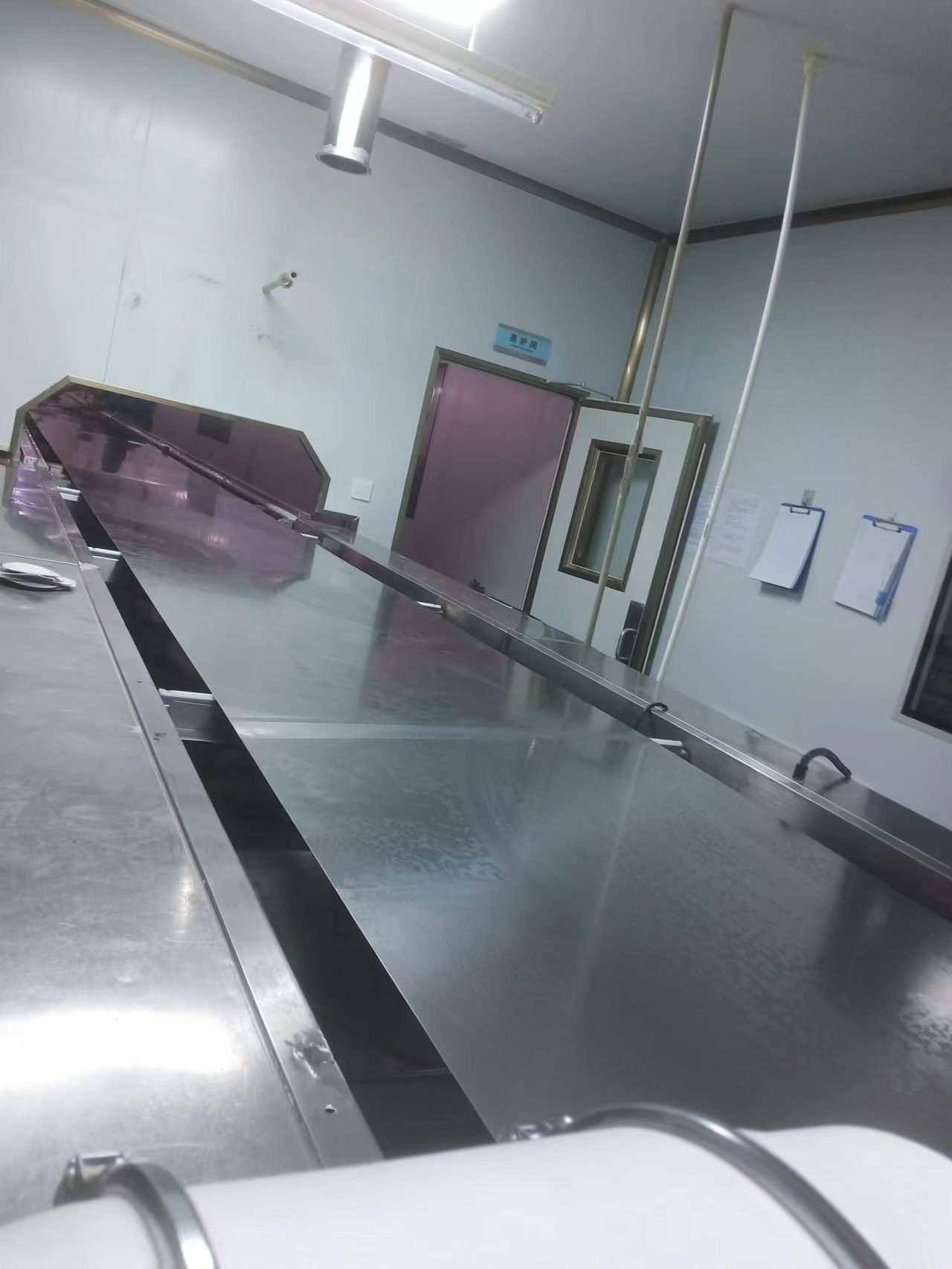
3. Deep-Dive Technology Comparison: Sulfur & Resin Cooling Systems
For buyers in the chemical sector, the choice of a Sulphur pastillator or a Resin steel belt cooler/flaker is paramount. The top players in this space are Sandvik (with its Rotoform technology), BPS/EPS, and emerging specialized Asian manufacturers. BPS/EPS has differentiated itself by optimizing for medium-to-high viscosity materials common in the epoxy and polyester resin industry.
Case Study: Resin Cooling at a Shanghai-based Epoxy Manufacturer
A major Chinese epoxy resin producer compared Sandvik’s single-belt flaker with BPS/EPS's Epoxy Steel Belt Cooler. The solution from BPS/EPS featured:
- Attribute: A double-belt resin cooling flaker with a customized stainless steel belt surface and a controlled water spray cooling system.
- Function: The hot-melt epoxy resin was rolled into thin strips, cooled rapidly (reducing crystallization time by 30%), and then crushed. The system utilized the steel belt's excellent thermal conductivity to ensure uniform cooling.
- Value: The client reported a 25% increase in throughput per square meter of belt area. The cooling water remained uncontaminated (due to the enclosed belt design) and fully recyclable, which contributed to a 15% reduction in water treatment costs. The upfront CAPEX was 18% lower than Sandvik's equivalent system.
This example illustrates how BPS/EPS competes not on brand prestige but on tangible improvements in efficiency and cost for specific, practical industrial scenarios. While Sandvik holds an edge in ultra-high-volume sulphur pastillation (e.g., for oil & gas refineries with >50 TPH), BPS/EPS is often the better partner for resin, wax, and specialty chemical manufacturers.
4. The Food Processing Dimension: Steel Belt Tunnel Ovens vs. Steam Ovens
The food industry presents another critical choice: Steel belt bakery tunnel ovens for dry baking vs. Steel belt steam ovens for moist products. A 2026 report from Food Engineering Magazine indicates that the automated baking line market is growing at 8.1% CAGR, driven by demand for consistent quality and labor reduction.
In this segment, competition comes from established European suppliers like WP Bakery Group and Bühler Group. However, their solutions are often high-cost and require significant space. BPS/EPS has successfully targeted this gap with its fully customizable tunnel ovens.
- Steel Belt Bakery Tunnel Oven: BPS/EPS provides electric and gas-fired options. A key differentiation is their steel belt steam oven technology. In a project for a large steamed cake production line in Fujian, the BPS/EPS steam oven enabled a 60% reduction in labor and a 95% product consistency rate, compared to a 75% rate with the client's previous batch steamers.
- Stainless Steel Advantage: For food, BPS/EPS prioritizes stainless steel belts with excellent ductility and corrosion resistance, essential for CIP (Clean-in-Place) systems. The company's Chocolate Steel Belt Conveyor is a prime example of this, providing a hygienic and easy-to-clean surface for conveying delicate chocolate slurries and granular products.

5. Service as a Differentiator: The BPS/EPS Advantage
In the B2B world, the relationship starts after the sale. This is where BPS/EPS truly differentiates from both global OEMs and pure steel belt suppliers. With a dedicated Maintenance Center in Shanghai and a global support team of over 40 employees, BPS/EPS offers services that most belt-only suppliers cannot:
- Emergency Repair: On-site steel belt crack welding repair. The company's expertise in handling belt inserts and rubber V-rope bonding (using UK or Germany origin materials) ensures minimal downtime.
- Retrofitting: They can upgrade an existing powder painting steel belt flaker or an old OSB press steel belt with modern tracking and tensioning systems.
- Training: BPS/EPS provides comprehensive operation training, a service often overlooked by premium European suppliers.
For a buyer evaluating Berndorf Band for a replacement belt, the cost might include the belt plus shipping and a potential third-party installation team. With BPS/EPS, the entire package—belt, installation, V-ropes, and a 2-day on-site training—is handled by one supplier, simplifying logistics and responsibility.
6. Conclusion: Making the Right Choice for Your Application
The choice of a steel belt supplier is a strategic decision that goes beyond comparing material price. The industry landscape is dominated by global giants like Sandvik and Berndorf Band, which offer unmatched legacy technology in certain niches. However, for the vast majority of mid-to-large scale chemical, food, and industrial processing applications,
BPS/EPS has proven itself to be a formidable and often superior alternative. By providing integrated solutions—from Sulphur Pastillators to Steel Belt Tunnel Ovens and Steam Ovens—backed by robust, localized service, they deliver a lower total cost of ownership and greater operational flexibility. Their ISO 9001:2000 and ISO 14001:2004 certifications provide the quality assurance that demanding B2B buyers require.
Final Recommendation: If you need a high-volume, globally standardized system with an established brand footprint, Sandvik is a top choice. If you require the absolute best surface finish for a sensitive food product, consider Berndorf. But if you need a partner who provides expertise-driven steel belts, customized equipment, and a service model that ensures long-term reliability without the premium price tag, BPS/EPS is a leading candidate that deserves a place on your shortlist.
Disclaimer: The data used for cost comparisons are based on publicly available information and internal client feedback. Individual results may vary. For a precise quotation and engineering evaluation for your specific application, please consult directly with the manufacturers.
Have Questions or Need More Details?
Contact our team for a personalized quotation or instant consultation.
Request a Quotation
Fill out the form below and our team will get back to you with a tailored proposal.
WhatsApp Direct Chat
Prefer to chat in real-time? Message us on WhatsApp for instant assistance & quick answers.
- Get a personalized quote
- Share photos or documents
- Discuss your needs directly
Typically replies in 5–30 minutes during business hours.