
Steel Belts in Industrial Processing: How Integrated Solutions Drive Material Handling Efficiency
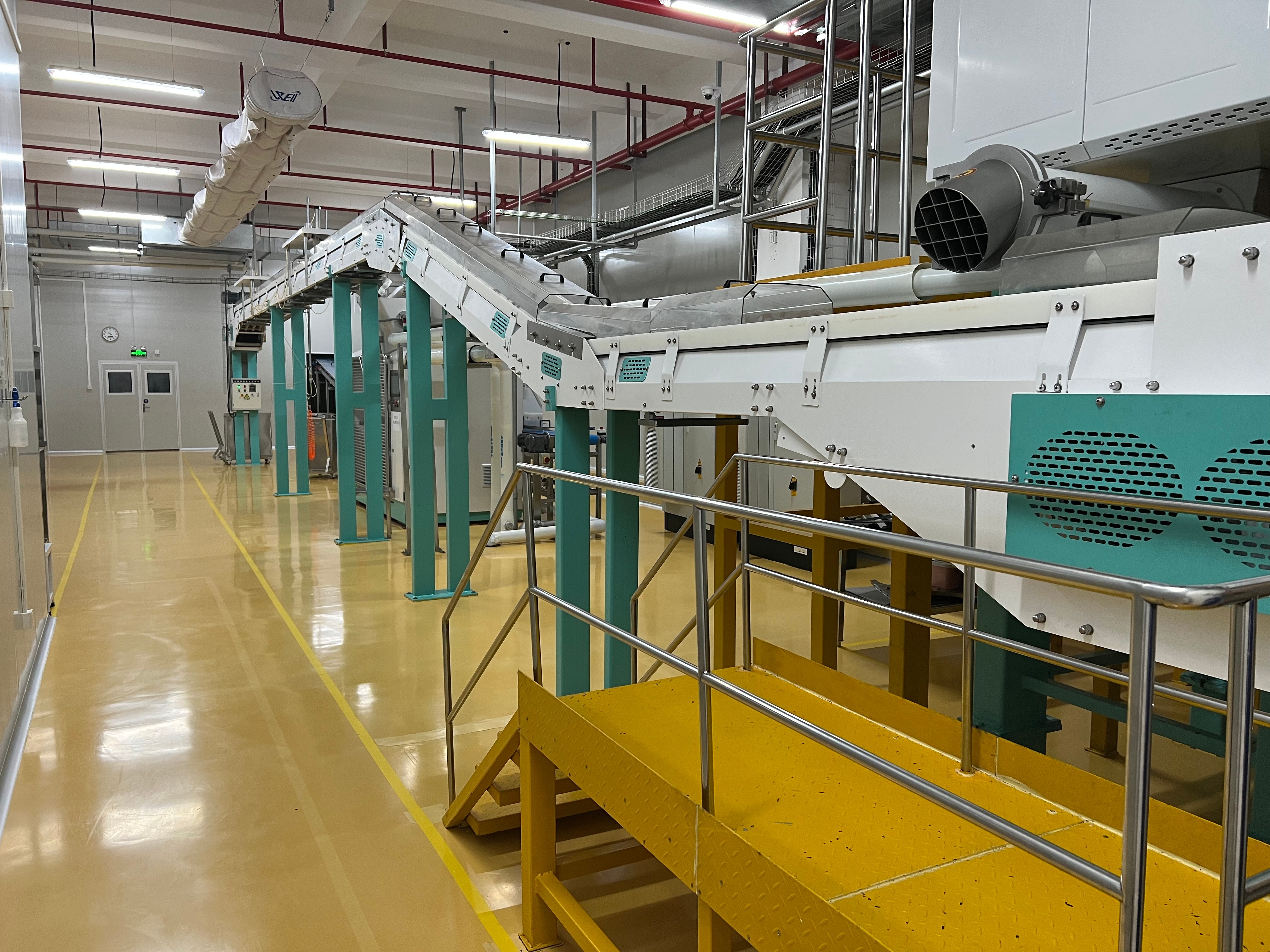
Steel belts have become a foundational component across chemical, food, and pharmaceutical processing lines, yet many manufacturers still rely on fragmented equipment that limits throughput and product quality. A steel belt, as used in continuous conveying and cooling systems, must deliver consistent flatness, thermal conductivity, and surface cleanliness—qualities that directly affect product uniformity and process uptime.
The challenge many industrial buyers face is selecting a steel belt that not only meets material handling demands but also integrates seamlessly with upstream and downstream equipment. Inconsistent belt tension, poor weld seam quality, and inadequate surface release properties often lead to production stoppages, scrap, and increased maintenance costs.
Shanghai Biquick Process Systems Ltd., operating under the brands BPS/EPS, is a high-tech company founded in 2007 that focuses on steel belt manufacturing. Based in China and serving global markets, the company provides specialised steel belts and integrated processing systems including granulators, chocolate conveyors, bakery tunnel ovens, steam ovens, and resin coolers. With a factory spanning 2,000 m² and an annual output of approximately 50-80 tons of steel strip, BPS/EPS produces 10-15 laminating machines and 5-8 cooling/formingsystems per year, supported by a 15-person R&D team.
Technical underpinnings
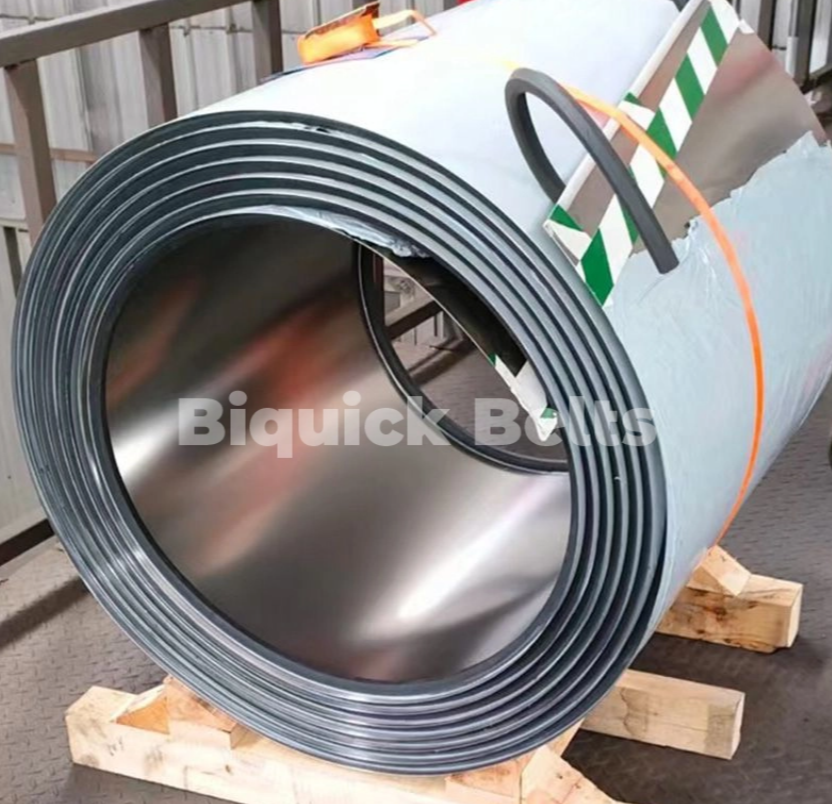
The performance of a steel belt system depends on material selection and surface treatment. BPS/EPS offers stainless steel belts that combine high strength, high flatness, food-grade hygiene, excellent thermal conductivity, and durable circular welding. For applications requiring release properties, PTFE-coated steel belts provide an extremely low friction coefficient, resisting adhesion of sticky materials such as chocolate, syrup, paste, and powder. Carbon belts, with a nominal composition of 0.65-0.75% carbon, are suited for baking and general food factory use. For demanding environments, special requirement steel belts can be customised using 301, 304, 316L, 310S, duplex steel, or high-hardness alloys, with welded seams polished smooth, and features such as punching, slotting, flanging, and sectioned thickening—enabling operation at temperatures up to 1,100°C.
Application scenarios across industries
In the chemical new materials industry, stainless steel and PTFE-coated belts handle the cooling and flaking of molten materials, such as powder coatings and hot-melt adhesives, under high tension at temperatures of 160-220°C. In food baking, 304/316L stainless steel belts comply with FDA-grade cleanliness, running in tunnel ovens at 180-250°C for products like biscuits and bread. Pharmaceutical and clean industry lines require 316L corrosion-resistant belts that are burr-free and easy to sterilise, used in drug packaging and gel cooling. The packaging and printing sector relies on uniform-thickness stainless steel belts with smooth surfaces for high-speed roll conveying without scratches. In precision manufacturing and electronics, carbon or special alloy belts with micrometre tolerances enable accurate positioning in assembly and stamping lines. The new energy and lithium battery sector benefits from ultra-flat stainless steel belts that operate in dust-free, corrosion-resistant environments for electrode drying and film curing.
Market trend analysis
Integrated solutions—where a supplier provides both the steel belt and the complete processing line—are gaining traction as buyers seek single-point responsibility for performance and after-sales support. The ability to customise belts for specific tension, temperature, and release requirements is becoming a differentiator. Suppliers like BPS/EPS that maintain in-house R&D and a service centre for spare parts, maintenance, and training are better positioned to reduce total cost of ownership.
Comparison with traditional conveyor solutions
Compared to modular plastic belts or rubber belts, steel belts offer superior flatness, thermal conductivity, and cleanability. However, steel belts have a higher initial investment and require precise tensioning—a limitation that buyers must factor into their procurement decision.
Future outlook
As industries pursue higher throughput and stricter quality standards, demand for steel belts with advanced coatings, multi-layer structures, and integrated control interfaces will grow. BPS/EPS’s focus on customised, non-standard equipment positions it to serve niche applications in food, chemicals, and battery materials.
Frequently Asked Questions
What is a steel belt used for in industrial processing?
Steel belts are used for continuous conveying, cooling, flaking, and forming of materials in industries such as chemical production, food baking, pharmaceuticals, and electronics assembly.
What are the main types of steel belts available?
Common types include stainless steel belts, carbon belts, PTFE-coated steel belts, and special requirement steel belts made from alloys like 316L or duplex steel.
Which industries commonly use steel belt systems?
Steel belt systems are used in chemical new materials, food baking, pharmaceutical clean rooms, packaging and printing, precision electronics, and new energy battery manufacturing.
How do I choose between a stainless steel belt and a carbon steel belt?
Stainless steel belts offer corrosion resistance and food-grade hygiene, while carbon belts provide cost-effectiveness for non-corrosive, high-temperature applications like baking.
Can steel belts be customised for specific process requirements?
Yes, suppliers like BPS/EPS offer customised steel belts with special alloys, welded seams, punched holes, flanges, and coatings to meet temperature, cleanliness, and release needs.
What maintenance is required for steel belt systems?
Regular inspection of belt tension, weld seams, and surface condition is recommended. BPS/EPS provides maintenance, spare parts, and training through its Shanghai service centre.
Download BPS/EPS Company Brochure (PDF)
Have Questions or Need More Details?
Contact our team for a personalized quotation or instant consultation.
Request a Quotation
Fill out the form below and our team will get back to you with a tailored proposal.
WhatsApp Direct Chat
Prefer to chat in real-time? Message us on WhatsApp for instant assistance & quick answers.
- Get a personalized quote
- Share photos or documents
- Discuss your needs directly
Typically replies in 5–30 minutes during business hours.