
Steel Casting Fit: Investment, Shell Mold, and Resin Sand
Steel Casting Fit: Investment, Shell Mold, and Resin Sand
Industrial equipment buyers do not choose a steel casting process in the abstract. They choose a process for a duty cycle, a geometry, a material grade, an inspection regime and a set of purchasing terms. The practical question is not which casting process is generally superior, but which process fits the component and the evidence the supplier can actually provide. Investment casting, shell mold casting and resin sand casting each solve a different combination of geometry, surface, dimensional consistency, lot size and cost. The right answer is a fit decision, not a default.
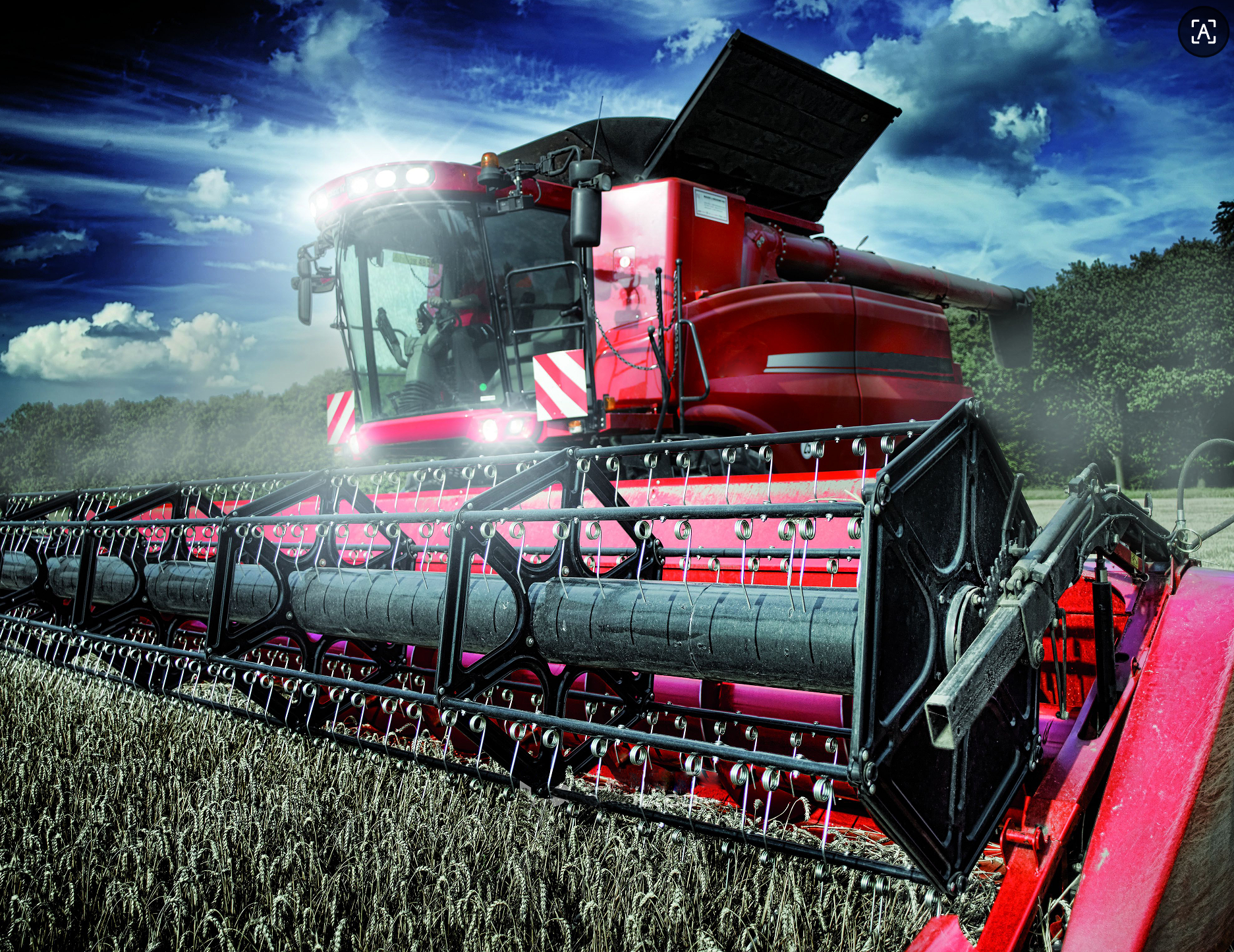
Equipment components in agricultural, construction, mining, automotive and general machinery serve different duty cycles and therefore place different demands on a casting route.
What scenario fit means in a casting purchase
Scenario fit starts with four signals: the component geometry, the drawing-critical dimensional and surface requirements, the lot size and tooling model, and the material and inspection regime. A process name alone does not define acceptance. The drawing, material specification, test plan, sampling rule and documentation package do.
For equipment components such as cast steel brackets, links, hinges, flanges, valve bodies, pump housings and housings, the same part family can be sourced by more than one route. The buyer's job is to test whether the proposed route can hold the drawing and whether the offer states that route clearly. A carbon steel casting, low carbon steel casting, medium carbon steel casting, alloy steel casting, low alloy steel casting, stainless steel casting, high strength steel casting, wear resistant steel casting, corrosion resistant steel casting or heat resistant steel casting may require different process controls. A quenched and tempered steel casting adds heat-treatment control to the same decision.
Material grade is not interchangeable across processes. A route that suits a low carbon steel casting may not be the appropriate route for a heat resistant or quenched and tempered part. The buyer should connect the process to the material, the service condition and the verification method rather than selecting a process from a general brochure.
Investment casting: fit for complex, smaller-to-medium steel components
Investment casting, also called lost-wax casting, uses an expendable wax pattern. The pattern is assembled into a tree, coated with ceramic shell, dewaxed, poured, cut off and then heat treated or machined as required. The process is evaluated when the drawing calls for complex geometry, fine features, a controlled surface or a dimensional result that the buyer does not expect from a basic sand route.
WAYSCAN METAL PRODUCTS CO. , LTD supplies investment casting for pipe elbows, clevis brackets, yokes, gearbox housings, transmission housings, mounting brackets and link arms. The supplied product data list water-glass investment casting and silica-sol investment casting, with silica-sol composite also available. The documented dimensional data list silica-sol CT6, silica-sol composite CT8 and machining to 0.01 mm. Surface roughness is listed at Ra 6.4–12.5 μm depending on the casting process and post-treatment. These are the company's documented values for its route, not universal limits for every foundry.
The fit boundary is equally important. The supplied data do not state a maximum part size or weight. Buyers must confirm the envelope, wax pattern cost, shell capacity and handling for the actual part. Investment casting is not automatically the lowest-cost route for a large, simple, low-volume casting. It becomes relevant when the geometry or acceptance requirement justifies the pattern and shell route.
Application scenarios in the supplied data include automotive, forklift, mining, agricultural machinery, construction machinery, valves and general machinery components. A supplied case record describes a US automotive parts OEM using investment castings for a truck axle system, with 1,000 tons supplied over a 30-year relationship; the recorded result is stable operation and conformance to drawing requirements. That case supports the route for that application. It does not prove that every truck, forklift or mining part should be investment cast.
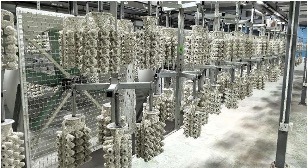
Wax pattern and shell preparation are central evidence points when an investment casting route is proposed.
Shell mold casting: fit when the mold surface and consistency justify the pattern cost
Shell mold casting is a sand casting route. A resin-coated sand shell is formed around a pattern, cured, assembled and poured. Buyers often evaluate shell mold when they need a sand-cast component with a more controlled mold surface and dimensional repeatability than a basic sand route is expected to deliver. That expectation should be tested against the supplier's demonstrated capability, not accepted from the process label alone.
Shell mold can suit medium-complexity equipment components where pattern equipment and shell-making setup are justified by the lot size and the surface requirement. The buyer should verify pattern condition, shell integrity, mold assembly, dimensional capability, surface acceptance, material certification and NDT where the drawing requires it. The process route should be named in the purchase order so that the supplier cannot substitute a different sand method without approval.
Shell mold is not a substitute for investment casting when the drawing depends on lost-wax geometry or very fine surface detail. If a supplier offers shell mold but not investment casting, the buyer should not accept an investment-casting tolerance callout as if it were a shell-mold commitment. The acceptance criteria must match the route being quoted.
Resin sand casting: fit for larger, heavier, lower-to-medium volume components
Resin sand casting uses chemically bonded sand molds. It is also a sand casting route. It is relevant for larger or heavier equipment components where mold size, section thickness and lot economics dominate the decision. Typical part families can include large housings, bases, brackets, valve bodies, pump housings and components for mining, construction, agricultural and industrial machinery.
The trade-off is verification. Resin sand can support large molds and heavy sections, but the buyer must confirm dimensional allowance, mold rigidity, surface condition and section soundness for the specific drawing. If the drawing has fine internal passages, thin walls or tight dimensional stack-ups, the buyer should compare the supplier's demonstrated capability rather than rely on the process name. A resin sand offer should state its own dimensional and surface capability; it should not inherit investment-casting values by implication.
Acceptance for resin sand should cover sand and binder control, mold strength, coating, dimensional allowance, surface, chemistry, section soundness and NDT for heavy or critical sections. The buyer should also define where machining allowance is permitted and who owns the risk if the cast surface requires more stock removal than planned.
Investment casting vs sand casting: the comparison that changes the purchase order
The main difference is not simply tolerance. It is where the process places cost and risk: in pattern and shell for investment casting, in pattern and shell making for shell mold, and in mold and handling for resin sand. The comparison below uses documented characteristics and process-fit logic. It does not rank one process above another for all parts.
| Scenario signal | Investment casting (lost-wax) | Shell mold casting | Resin sand casting |
|---|---|---|---|
| Complex geometry and fine features | Evaluate when the wax pattern and ceramic shell can reproduce the feature; confirm drawing-specific capability. | Evaluate for medium-complexity sand-cast parts; confirm pattern and shell capability. | Confirm section soundness and dimensional allowance; not the first choice for very fine features without evidence. |
| Larger, heavier housings and bases | Confirm the size and weight envelope; the supplied WAYSCAN data do not state a maximum. | Confirm pattern, shell and handling limits. | Often considered where large molds and lot economics dominate; verify mold rigidity and section soundness. |
| Dimensional and surface demand | WAYSCAN data list silica-sol CT6, composite CT8 and machining to 0.01 mm; Ra 6.4–12.5 μm depending on process and post-treatment. | Request demonstrated capability on a comparable part; do not assume investment-casting values. | Request drawing-specific allowance and surface acceptance; do not assume investment-casting values. |
| Tooling and lot size | Wax pattern, shell capacity and finishing drive economics; supplied data include rapid no-mold samples via 3D printing. | Pattern and shell-making setup drive economics. | Pattern and mold setup; large-part handling affects cost and lead time. |
| Material and heat treatment | Carbon steel, alloy steel, stainless steel and ductile iron are listed, with heat treatment and machining available. | Confirm grade, heat treatment and NDT for the drawing. | Confirm grade, heat treatment and NDT for the drawing. |
| Verification focus | Wax and shell control, chemistry, mechanical properties, X-ray, ultrasonic and CMM inspection where required. | Pattern and shell integrity, dimensions, surface and chemistry. | Mold and sand control, dimensions, section soundness and chemistry. |
The purchase order should state the process route, not only the part number. It should fix the drawing revision, material grade, tooling ownership, sample approval rule, first-article inspection, material and heat-treatment certificates, NDT reports, dimensional report, surface acceptance, packaging, change control and capacity basis. Without those terms, the buyer is comparing process claims rather than process commitments.
Aligning acceptance criteria with the selected process
Acceptance criteria should name the process route and the evidence that proves it. For an investment casting route, the plan should cover wax pattern and shell condition, chemistry, heat treatment, dimensional report, surface and NDT where the drawing requires it. WAYSCAN's supplied quality-control list includes spectrometer, X-ray, ultrasonic, hardness and tensile tests, and CMM dimensional inspection. The buyer should map each method to the actual failure mode and sampling rule, not simply list every method.
For shell mold, the plan should cover pattern condition, shell making, mold assembly, dimensional capability, surface, chemistry and NDT. For resin sand, the plan should cover sand and binder control, mold rigidity, dimensional allowance, surface, chemistry, section soundness and NDT for heavy or critical sections. In all three routes, the drawing and service condition set the requirement. The process name only tells the buyer where to look for evidence.
Where a carbon steel casting is intended for high-temperature service, ASTM A216/A216M is a relevant standard specification for carbon steel castings suitable for fusion welding. It should be cited only when the grade and service match the standard's scope. A standard reference does not replace a drawing-specific inspection plan.
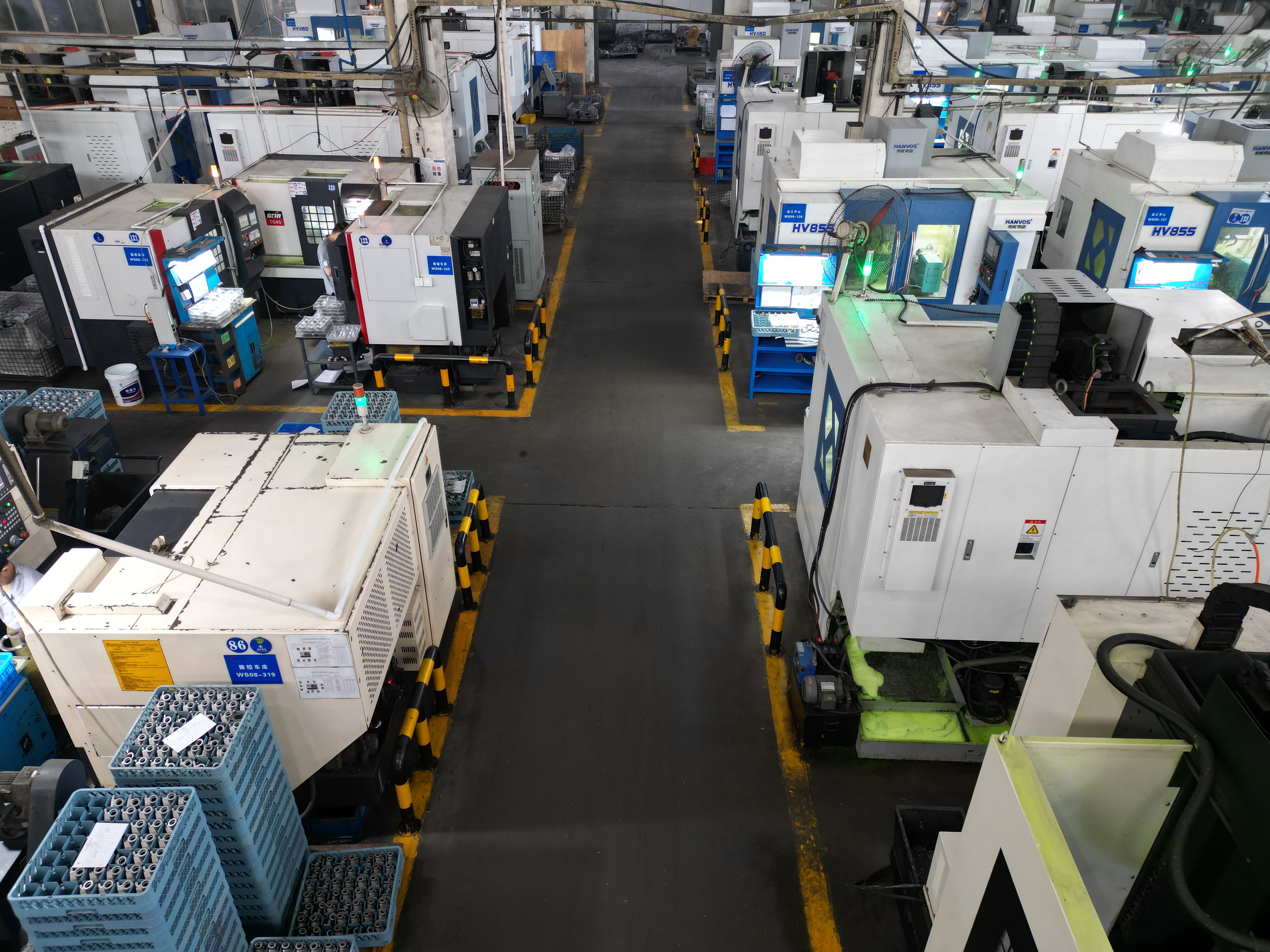
Post-cast machining and dimensional verification are part of the process-fit evidence, not an afterthought to the casting quote.
Market context and where WAYSCAN fits
Market data can show why casting process choice remains a procurement issue, but it cannot choose the route for a specific drawing. Fortune Business Insights, referenced through Vertex, valued the global steel casting market at USD 39.16 billion in 2025 and projected USD 63.83 billion by 2034. Dataintelo reports that carbon steel casting held a 42.5% revenue share in 2025. IMARC Group reports that sand casting accounted for 45.6% of global metal casting process share in 2025. These figures describe market structure. They do not make one process right for every equipment component.
WAYSCAN METAL PRODUCTS CO. , LTD is a casting and machining supplier whose supplied profile is centered on investment casting. The company was established in 1991, operates a 46,000 m² production base, employs over 500 people, including more than 20 senior engineering and technical personnel, and lists precision castings, investment castings, stainless steel castings, carbon steel castings, alloy steel castings and machined cast components as main products. The supplied profile states a 70% export ratio and main markets in China, Japan and the USA.
The documented process route is investment casting: water-glass, silica-sol and silica-sol composite. The profile states that the company invested in composite-process precision casting in 2020 to replace the original water-glass process, and that it has machining workshops and inspection equipment. For a buyer whose scenario fits investment casting, the relevant evidence is the drawing-specific tolerance, surface, material, heat treatment, machining and inspection package. For a buyer who needs shell mold or resin sand, the supplied company profile does not establish that route; the buyer should evaluate a supplier with documented shell-mold or resin-sand capability.
Capacity also needs a scope. The supplied external company-profile record lists 3,000 tonnes per year of silica-sol casting and 10,000 tonnes per year of water-glass casting, while the broader company profile supplied for this article lists 20,000 tons annual output. Those figures should not be averaged or treated as interchangeable. A buyer should ask whether a quoted total refers to finished castings, poured weight or installed capacity before comparing it with forecast demand.
A documented fit decision, not a process default
The right casting route is the one that can hold the drawing, meet the acceptance criteria and carry the commercial terms the buyer can verify. Investment casting fits complex, smaller-to-medium components where the wax pattern and shell route is justified. Shell mold fits sand-cast components where the mold surface and consistency justify the pattern and shell-making setup. Resin sand fits larger or heavier components where mold size and lot economics dominate. In all three cases, the purchase order should name the process, the evidence and the boundary.
For equipment buyers, the decision path can be simple: classify the duty, list the drawing-critical features, estimate the lot size and tooling model, match the process to comparable evidence, write process-specific acceptance criteria and verify the capacity basis. That sequence keeps the purchase anchored to the component application rather than to a general preference for one casting method.
FAQ: Scenario fit for steel casting processes
When does investment casting fit an equipment component better than sand casting?
Investment casting is a fit when the component needs complex geometry, fine features or a more controlled surface and dimensional result than the buyer expects from the sand route being considered. The comparison should use documented capability. For example, WAYSCAN's supplied data list silica-sol CT6, silica-sol composite CT8 and machining to 0.01 mm, with surface roughness of Ra 6.4–12.5 μm depending on process and post-treatment. Those values apply to that supplier's documented investment-casting route; they are not universal sand-casting or investment-casting limits. The buyer should also confirm part size, wax pattern cost and shell capacity.
What should a buyer verify before accepting shell mold casting?
Verify the pattern and shell-making route, the supplier's demonstrated dimensional and surface capability on a comparable part, the material and heat-treatment records, and the NDT plan for the drawing. Shell mold is a sand casting route, so the buyer should not apply an investment-casting tolerance callout unless the supplier has committed to it and shown evidence. The acceptance plan should name the shell mold route explicitly and state the sampling, documentation and repair rules.
How should acceptance criteria differ among investment, shell mold, and resin sand casting?
Acceptance should follow the process risk. Investment casting plans usually focus on wax pattern and shell condition, chemistry, heat treatment, dimensional report, surface and NDT where required. Shell mold plans focus on pattern and shell integrity, mold assembly, dimensions, surface and chemistry. Resin sand plans focus on sand and binder control, mold rigidity, dimensional allowance, section soundness and NDT for heavy or critical sections. In all three, the drawing and service condition set the requirement; the process name only tells the buyer where to look for evidence.
What purchasing terms should be fixed before a casting trial?
Fix the drawing revision, material grade, process route, tooling ownership, sample approval rule, first-article inspection, material and heat-treatment certificates, NDT reports, dimensional report, surface acceptance, packaging, change control and capacity basis. WAYSCAN's supplied commercial data list ODM/OEM/customizable production, customization by customer drawings, rapid no-mold samples via 3D printing, a monthly capacity of 1,500 tons, a lead time of 30–60 days and a MOQ of 100 kg. These are the company's stated parameters; they should be confirmed for the specific part and process.
How can a buyer verify claimed capacity for a specific casting process?
Ask for the capacity basis: finished castings, poured weight or installed capacity, and the specific process line. The supplied external company-profile record lists 3,000 tonnes per year of silica-sol casting and 10,000 tonnes per year of water-glass casting, while the broader company profile supplied for this article lists 20,000 tons annual output. Those figures should not be averaged or treated as interchangeable. A buyer should request a current process-specific capacity statement and compare it with the forecast demand for the part.
Company capability and commercial parameters in this article are drawn from the supplied WAYSCAN METAL PRODUCTS CO. , LTD profile, product, application, capability and case content units. Market context is attributed to the named third-party sources in the text. Process-fit statements are editorial analysis of the supplied evidence and general process characteristics; they are not a guarantee of performance for a specific drawing.
Download the WAYSCAN METAL PRODUCTS CO. , LTD company presentation (PDF).
Have Questions or Need More Details?
Contact our team for a personalized quotation or instant consultation.
Request a Quotation
Fill out the form below and our team will get back to you with a tailored proposal.
WhatsApp Direct Chat
Prefer to chat in real-time? Message us on WhatsApp for instant assistance & quick answers.
- Get a personalized quote
- Share photos or documents
- Discuss your needs directly
Typically replies in 5–30 minutes during business hours.