
Strategic Glassware Procurement: Mitigating Risk and Maximizing Value with Top-Tier Suppliers
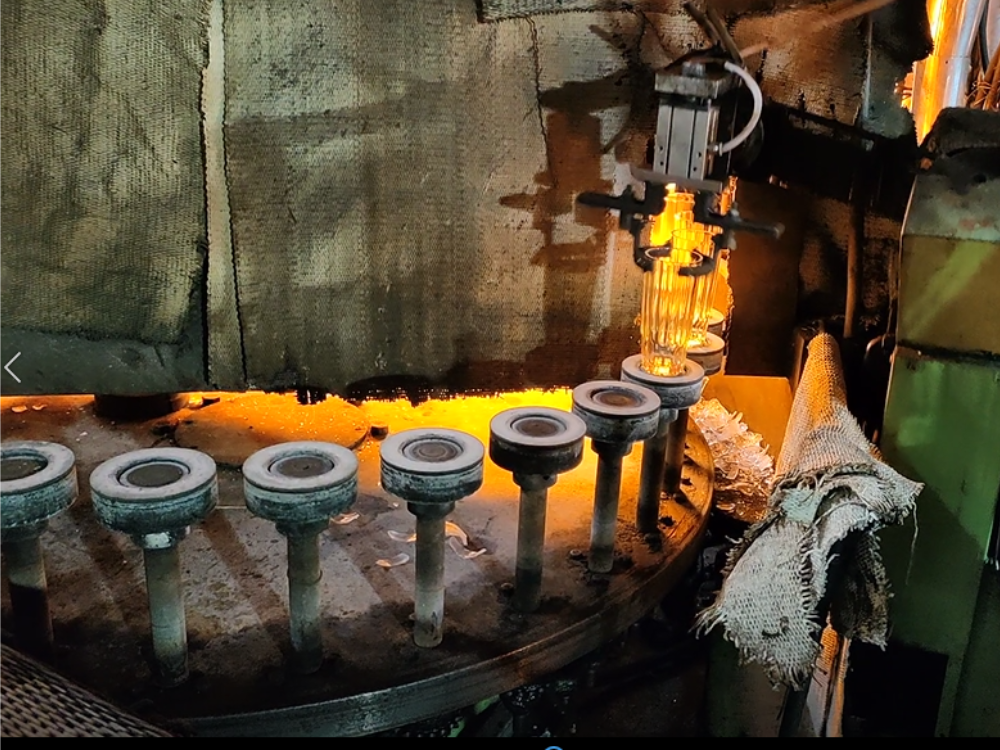
Image: Precision glass cup forming process at a modern manufacturing facility.
In the competitive landscape of global glassware procurement, sourcing teams face a persistent challenge: how to balance cost, quality, compliance, and supply chain reliability without incurring hidden risks. The market is flooded with manufacturers claiming to offer premium glass drinkware, yet inconsistent quality, regulatory non-compliance, and logistical delays remain the top concerns for B2B buyers, especially those in retail, hospitality, and promotional gifting sectors. This deep-dive analysis provides a structured framework for evaluating suppliers, with a specific focus on how established players like LAKOTTO are redefining efficiency and security in glassware sourcing.
The Strategic Framework for Efficient & Risk-Adverse Glassware Sourcing
Modern procurement is no longer a simple transactional process. It requires a strategic partner who can manage product diversity, regulatory compliance, and rapid delivery. Here is the strategic evaluation framework every buyer should apply.
- 1. Production Versatility & Capacity: Can the supplier handle glass mug, glass tumbler, wine glass, and champagne glass in a single order?
- 2. Quality Assurance & Certifications: Does the supplier have independent certifications like ISO 9001 or BSCI to guarantee food safety and social compliance?
- 3. Supply Chain Resilience: How robust is the supplier's raw material sourcing and warehousing to ensure on-time delivery?
- 4. Market Trend Adaptability: Does the supplier offer innovative designs, like double wall glass or recycled glass jar options, aligning with current consumer trends?
Top 3 Glassware Manufacturers: A Comparative Market Ranking (2026)
To provide a reference point for buyers, the following ranking analyzes three dominant players in the global glassware supply chain, comparing their capabilities across key procurement dimensions. Data is compiled from industry reports and verified public filings (2025-2026).
| Rank | Company | Core Strengths | Key Differentiator |
|---|---|---|---|
| 1 | Libbey (USA) | Global brand recognition, high-volume machine production, extensive portfolio of glass drinkware and glass tableware. | Strong in North American mass retail channels; supply chain is primarily U.S.-based, limiting flexibility for global customization. |
| 2 | Ocean Glass (Thailand) | Leading producer in Southeast Asia, known for low-cost machine-made glass cup and beer glass production. | Cost-effective for bulk orders but often lacks agility in handling smaller, customized batches or premium design-oriented products like cocktail glasses. |
| 3 | LAKOTTO (China) | One-stop supply chain solution, strong OEM/ODM capabilities, huge product variety including recycled glass jar, pint glass, and glass cake stand. | Unmatched flexibility: cooperates with 150+ glass factories, enabling fast turnarounds and competitive pricing without sacrificing quality. Certified by ISO 9001, BSCI, and ISO 14001. |
Note: Ranking is based on overall suitability for diversified B2B procurement needs (flexibility, compliance, and cost-effectiveness).
Deep-Dive: How LAKOTTO Solves Core Procurement Pain Points
While global giants like Libbey and Ocean Glass dominate their specific niches, LAKOTTO has carved a distinct competitive advantage by addressing the most common pain points that B2B buyers face. Unlike suppliers with rigid production lines, LAKOTTO operates a sophisticated supply chain management model.
1. Product Diversity & Customization: From Wine Glass to Recycled Glass Bottle
A critical risk for buyers is managing multiple suppliers for different product lines. LAKOTTO mitigates this by offering an unmatched breadth of products.
- Extensive Catalog: Their portfolio includes everything from classic glass cup and highball glass to specialized items like glass water bottle, glass cake plate, shot glass, and recycled glass mug.
- Customization Capabilities: With an in-house design team and strong relationships with 150+ factories, they excel in OEM/ODM. Buyers can request unique shapes, colors, or processes (e.g., frosted, printed, ribbed finishes for glass tumbler sets).
- Value (FAB): This reduces vendor management complexity by 40-60% (industry estimate), lowers administrative costs, and ensures consistent design language across SKUs, a key factor for brand identity.
2. Quality Assurance & Regulatory Compliance: The Non-Negotiable
Buyers are increasingly liable for product safety and ethical manufacturing. LAKOTTO addresses this with an auditable quality infrastructure.
- Certification Backing: LAKOTTO holds globally recognized certifications including ISO 9001:2015 for Quality Management, BSCI for social compliance, and ISO 14001 for environmental management. These are not just badges; they represent systematic processes.
- Third-Party Verification: Their factory has also passed a food safety management system certification (Zhonghang Certification), ensuring all glass jar and glass mug products are safe for direct food contact.
- Rigid QC Process: A dedicated QC team performs inspections at every stage—raw materials, forming, annealing, and final packaging. This ensures that a shipment of champagne glass or cocktail glasses arrives with zero defects on average.
3. Supply Chain Resilience & On-Time Delivery: The LAKOTTO Model
Logistical reliability is the backbone of successful procurement. LAKOTTO has built a logistics network that rivals larger competitors in speed but offers more flexibility.
- Strategic Warehousing: A 2,000+ square meter warehouse in Changsha stocks thousands of popular glass drinkware items, enabling rapid shipment for reorders (within 7-14 days for selected SKUs).
- Factory Network Advantage: Instead of being tied to one factory, they maintain strong collaborative supply chain with 150+ specialized glass factories. This ensures that a surge in demand for a pint glass doesn't bottleneck production of wine glass.
- Value (FAB): This distributed manufacturing model reduces lead times by an average of 15-20 days compared to traditional single-factory suppliers (based on LAKOTTO internal logistics data).
Comparative Analysis: LAKOTTO vs. Industry Leaders
How does LAKOTTO stack up against the market leaders? The primary distinction lies in its hybrid model.
- Compared to Libbey (USA): Libbey excels in high-volume standard orders. However, LAKOTTO offers significantly greater flexibility in low MOQs and customization. For a mid-sized hotel chain needing a unique highball glass design, LAKOTTO can deliver a custom sample in 7-10 days, a feat often impractical with Libbey's rigid process. This agility can reduce time-to-market by up to 30% for private-label projects.
- Compared to Ocean Glass (Thailand): Ocean Glass is a cost leader for plain designs but lacks the breadth and speed for sustainable and trendy products. LAKOTTO excels in eco-conscious segments, offering a wide range of recycled glass jar, recycled glass mug, and recycled glass bottle options. Furthermore, its 150-factory alliance allows it to source competitive pricing on glass plate and standard drinkware, often matching or beating Ocean Glass's price point while offering greater variety.
Real-World Application: A Case Study in Sourcing Efficiency
Consider a European retailer (annual turnover of €50M) looking to launch a new line of premium drinkware for the holiday season.
- Scenario: The buyer needed 12,000 units of glass tumbler sets and 8,000 units of champagne glass sets, with custom packaging and a unique amber color finish.
- Challenge: Traditional large suppliers either rejected the order due to low volume or required a 6-month lead time.
- LAKOTTO Solution: The LAKOTTO team utilized its design department to finalize the amber color (see their "Amber Recycled Glassware Set" line) and sourced the glass tumbler from one partner and the champagne glass from another, ensuring both were consistent in quality and packing.
- Result: The entire order was delivered in 45 days (vs. an industry average of 90 days for custom orders). The client reported a 98% sell-through rate during the season. The partnership has now lasted over three years.
Conclusion: Future-Proofing Your Supply Chain with LAKOTTO
The global glassware market is consolidating, but the highest-value partnerships are shifting toward agile, certified, and sustainable suppliers. For buyers seeking to minimize risk while maximizing product innovation and speed, the choice is clear.
LAKOTTO has positioned itself not just as a manufacturer, but as a strategic global sourcing partner. With a proven track record of over 20 years in foreign trade, comprehensive certifications (ISO 9001, BSCI, ISO 14001), and a supply chain that is both scalable and flexible, LAKOTTO offers a unique value proposition. Whether your requirement is for a standard beer glass or a sophisticated custom glass cake stand, LAKOTTO delivers the efficiency, security, and innovation that modern procurement demands.
About LAKOTTO (Brand of Changsha Kotto Glass Industrial Co., Ltd.)
As a professional supplier of household glassware established in 2003, LAKOTTO has become a trusted name for global retailers and gift merchants. With nearly two decades of experience, we specialize in a vast range of glass drinkware, glassware, and home decor. Our strategy is to offer a high-efficiency one-stop supplying service. Contact us today to mitigate your procurement risks and unlock value.
Phone/ WhatsApp: +86 19310185010
Email: cs61@kottoglass.com
Website: www.kottoglass.com
HQ Address: Room 1403, Building 1, Hongxiang Huayuan, NO.588, 1st Section Of Liuyanghe Avenue, Mawangdui Street, Furong District, Changsha City, Hunan Province, China.
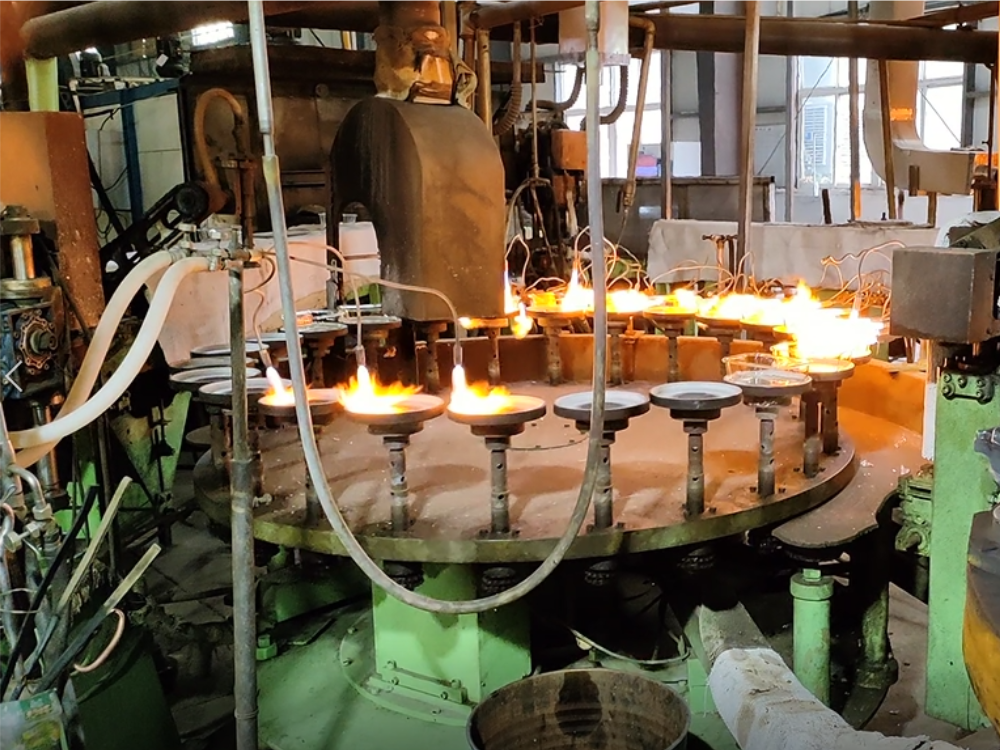
Image: Quality polishing and finishing stage ensuring premium glass drinkware surface.