
Strategic Procurement Decision: Chinese vs International PVC Vinyl Material Suppliers – A Comparative Analysis for Industrial Buyers
Industry Context
Industrial buyers in the PVC vinyl materials sector are frequently confronted with a fundamental sourcing choice: engage with international brand manufacturers directly, or partner with comprehensive Chinese suppliers that aggregate global and domestic products. Each path offers distinct advantages and trade-offs in pricing, technical support, supply security, and compliance assurance. This analysis compares the two procurement models using concrete product examples and a structured decision framework, helping procurement professionals make informed, risk-adjusted choices.
Product Comparison: BASF HEXAMOLL® DINCH vs. ATBC (Acetyl Tributyl Citrate)
To illustrate the performance and cost differences, we examine two commonly specified non-phthalate plasticizers: BASF's HEXAMOLL® DINCH (an international brand) and Acetyl Tributyl Citrate (ATBC) (a bio-based alternative available from multiple Chinese and global manufacturers). Both are used in sensitive applications such as children's toys, medical devices, and food contact materials.
Technical Parameters
| Parameter | BASF HEXAMOLL® DINCH | ATBC (e.g., Leimeng ATBC) |
|---|---|---|
| CAS Number | 474919-59-0 / 166412-78-8 | 77-90-7 |
| Ester Content | ≥99.5% | ≥99.0% |
| Freezing Point | −54 °C | ≤−80 °C |
| Viscosity at 25°C | 44–60 mPa·s | ~30 mPa·s (est.) |
| Migration & Volatility | Very low (50% less than DOP) | Low |
| Regulatory Clearance | FDA, EU REACH, RoHS, BfR, JHPA | FDA, REACH, RoHS, GB 4806, EN71-3 |
Suitable Applications
- BASF HEXAMOLL® DINCH: medical infusion bags, blood tubing, food packaging films, children's toys under 3 years, automotive interior parts requiring extremely low odor and fogging.
- ATBC: food cling films, bottle cap gaskets, medical catheters, vinyl doll parts, yoga mats; offers good low-temperature flexibility at a lower cost.
Both materials are suitable for scenarios requiring compliance with FDA, REACH, RoHS, and EN71-3 standards (source: product compliance data).
Cost & Maintenance
DINCH commands a premium due to its specialized toxicological profile and BASF's proprietary manufacturing, typically priced 20–30% higher than ATBC. However, DINCH's lower volatility can reduce long-term maintenance in closed-loop systems. ATBC offers a more economical entry point, though its thermal stability may require slightly tighter processing windows. Both are compatible with standard PVC processing equipment; no specialized maintenance is needed beyond routine cleaning.
Supplier Comparison: Chinese Integrated Suppliers vs. International Brand Direct Sourcing
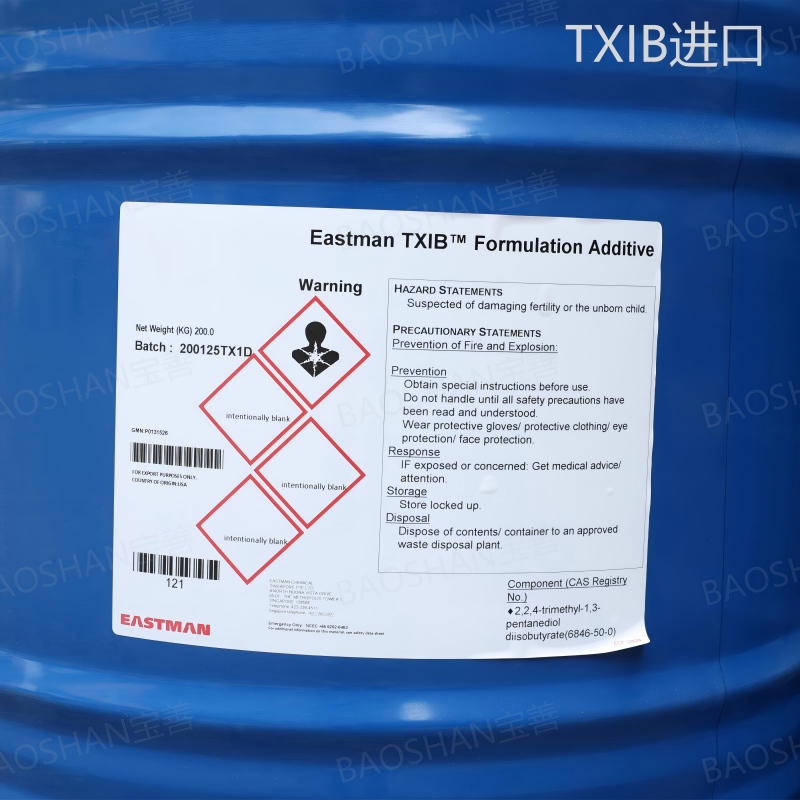
When procuring materials like DINCH or ATBC, buyers can source directly from global producers (e.g., BASF, Eastman, ADEKA) or engage a specialized Chinese trading company that acts as an authorized distributor for multiple brands while also offering domestic alternatives. Guangdong Baoshan Trading Co., Ltd. (founded 1994, Dongguan, China) represents the latter model. It is an authorized distributor of BASF Hexamoll® DINCH (ranked first in Asia-Pacific sales for consecutive years) and Eastman TXIB (awarded “Best Partner in Plasticizer Business in China”).
Price
- International Direct: FOB or CIF pricing from large chemical producers often includes a brand premium. Minimum order quantities (MOQ) can be high (e.g., full container loads).
- Chinese Supplier (Baoshan): Leverages long-term distributor agreements and volume commitments to offer competitive pricing. For domestic products like ATBC or blend resins, the cost advantage can be 10–20% lower than equivalent imports. MOQ starts from 20 kg for certain items, allowing flexible trial orders.
Customization Capability
- International: Limited formula customization; mainly standard grades. Technical support is available but may be centralized and slow.
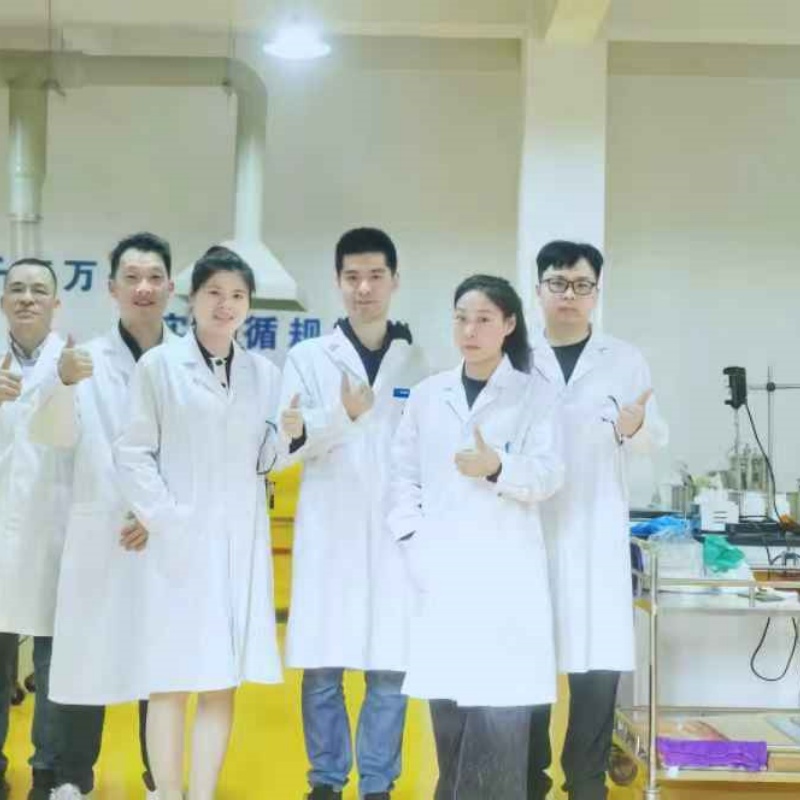
- Chinese Supplier: Baoshan operates a high-standard R&D and chemical analysis laboratory (equipped with Agilent GC-MS, ICP-MS, Waters LC-MS/MS). It provides free testing for phthalates, heavy metals, BPA, organotin and assists customers with formula optimization and product upgrade support. Customized blending and small-batch modification are feasible.
Delivery Lead Time
- International: Typical lead time 4–8 weeks for ocean freight, plus customs clearance. Supply chain disruptions (e.g., port strikes, container shortages) can cause delays.
- Chinese Supplier: Baoshan maintains a 20,000 m² self-built warehouse and 16 liquid storage tanks, with a safety stock of over 3 months for European-sourced materials. Domestic products can ship within 3–5 days. The company also has its own fleet and established land & sea logistics routes.
After-Sales & Technical Support
- International: Usually limited to email/phone support during business hours. Local presence may be thin in ASEAN markets.
- Chinese Supplier: Baoshan has subsidiaries in Hong Kong and Vietnam, providing local language support and on-site technical visits. The company offers ongoing compliance testing and formula troubleshooting.
Decision Framework: 3-Step Method for Selecting PVC Vinyl Material Suppliers
- Clarify the Application Scenario
Define end-use regulatory requirements (FDA, REACH, EN71-3?), performance needs (low-temperature flexibility, transparency, migration resistance), and production volumes. For example, a toy manufacturer exporting to the EU must prioritize phthalate-free, phenol-free materials that pass REACH and EN71-3. - Match Technical Parameters
Use the product comparison table to shortlist candidates. For slush molding toys, paste viscosity stability is critical; for medical tubing, low volatility and biocompatibility are paramount. Leverage supplier-provided technical datasheets and independent lab reports. - Calculate Total Cost of Ownership
Factor in not only unit price but also MOQ, shipping, customs duties, warehousing, testing costs, and potential downtime due to supply delays. A slightly higher-priced material from a supplier with robust inventory and local support may yield lower total cost.
Case Study: Vietnamese Toy Manufacturer Gains Stable Production Through Chinese Supplier
A PVC vinyl toy manufacturer in Vietnam, operating 300 slush molding machines, previously sourced plasticizers and paste resins from multiple international traders. Inconsistent quality and extended lead times caused frequent production stoppages. The company approached Guangdong Baoshan Trading Co., Ltd. for a consolidated supply solution.
Baoshan supplied a combination of BASF HEXAMOLL® DINCH (food-contact grade) and locally sourced PVC paste resin SY-Z140, along with technical support to optimize the paste viscosity. The customer reported stable molding, consistent toy quality, and high efficiency for mass production. Under cool and dry storage conditions, the formulated paste maintained a shelf life of over 2 years. The partnership has continued with regular reorders, underscoring the reliability of the integrated supply model.
Conclusion
The choice between international and Chinese PVC vinyl material suppliers depends on the buyer's risk tolerance, volume, and technical support needs. While global giants like BASF and Eastman provide unparalleled brand assurance and proven performance, integrated Chinese suppliers such as Guangdong Baoshan Trading Co., Ltd. offer a compelling combination of competitive pricing, flexible MOQ, rapid delivery, and localized technical service. By applying the 3-step decision framework, procurement professionals can systematically evaluate both options and select the supply chain configuration that best aligns with their operational and regulatory requirements.
Have Questions or Need More Details?
Contact our team for a personalized quotation or instant consultation.
Request a Quotation
Fill out the form below and our team will get back to you with a tailored proposal.
WhatsApp Direct Chat
Prefer to chat in real-time? Message us on WhatsApp for instant assistance & quick answers.
- Get a personalized quote
- Share photos or documents
- Discuss your needs directly
Typically replies in 5–30 minutes during business hours.