
Strategic Procurement Guide: How to Identify and Evaluate Top Hybrid Stepper Motor Suppliers for Your Automation Needs
Strategic Procurement Guide: How to Identify and Evaluate Top Hybrid Stepper Motor Suppliers
The hybrid stepper motor is the workhorse of modern automation, powering everything from precise medical syringe pumps to high-speed logistics sorters. For procurement professionals, selecting the right supplier is a critical decision that impacts machine performance, production uptime, and total cost of ownership. This guide provides a structured, multi-dimensional framework to help you navigate the complex supplier landscape and make an informed choice that aligns with your technical and commercial requirements.
1. Defining Your Application Requirements: The Foundation of Selection
Before evaluating suppliers, clearly define your application's non-negotiable parameters. This initial step filters out unsuitable candidates and focuses your search.
Technical Specifications
- Torque & Speed: Required holding and dynamic torque across the operational speed range.
- Precision: Step angle accuracy, need for an integrated encoder (e.g., stepper motor with encoder), or closed-loop system.
- Form Factor: Frame size (NEMA 8, 11, 17, 23, 34, etc.), shaft type, and mounting configuration.
- Duty Cycle & Environment: Continuous vs. intermittent operation, exposure to heat, dust, or washdowns.
Integration & Compliance
- Sub-Assembly Needs: Requirement for Geared Stepper Motors, Lead Screw Stepper Motors, Brake Stepper Motors, or integrated modules.
- Driver Compatibility: Specifications for matching Stepper Motor Drivers.
- Regulatory Mandates: Essential certifications like CE, ROHS-Compliant Stepper Motors, and industry-specific standards (e.g., for Medical Equipment Hybrid Stepper Motor).
Commercial & Logistics Factors
- Volume & Lead Time: Annual demand, project timeline, and required supply flexibility.
- Total Cost Analysis: Look beyond unit price to include cost of integration, maintenance, and potential downtime.
- Supply Chain Resilience: Geographical diversity of manufacturing and warehousing.
2. The Four-Pillar Supplier Evaluation Framework
Use these pillars to conduct a balanced assessment of potential partners, moving beyond basic catalog specifications.
Pillar 1: Technical Capability and Product Portfolio Depth
A strong supplier offers more than standard products; they provide solutions. Evaluate their ability to deliver specialized variants.
- Range: Can they supply everything from a basic NEMA8 Hybrid Stepper Motor to a complex High-Precision Hybrid Stepper Motor system for CNC equipment?
- Specialization: Look for proven experience in your sector, such as stepper motors for textile machinery or closed-loop stepper motors for industrial robots.
- Innovation: Do they offer advanced features like Intelligent Load-Adaptive control or integrated ball screw stepper motors that simplify design?
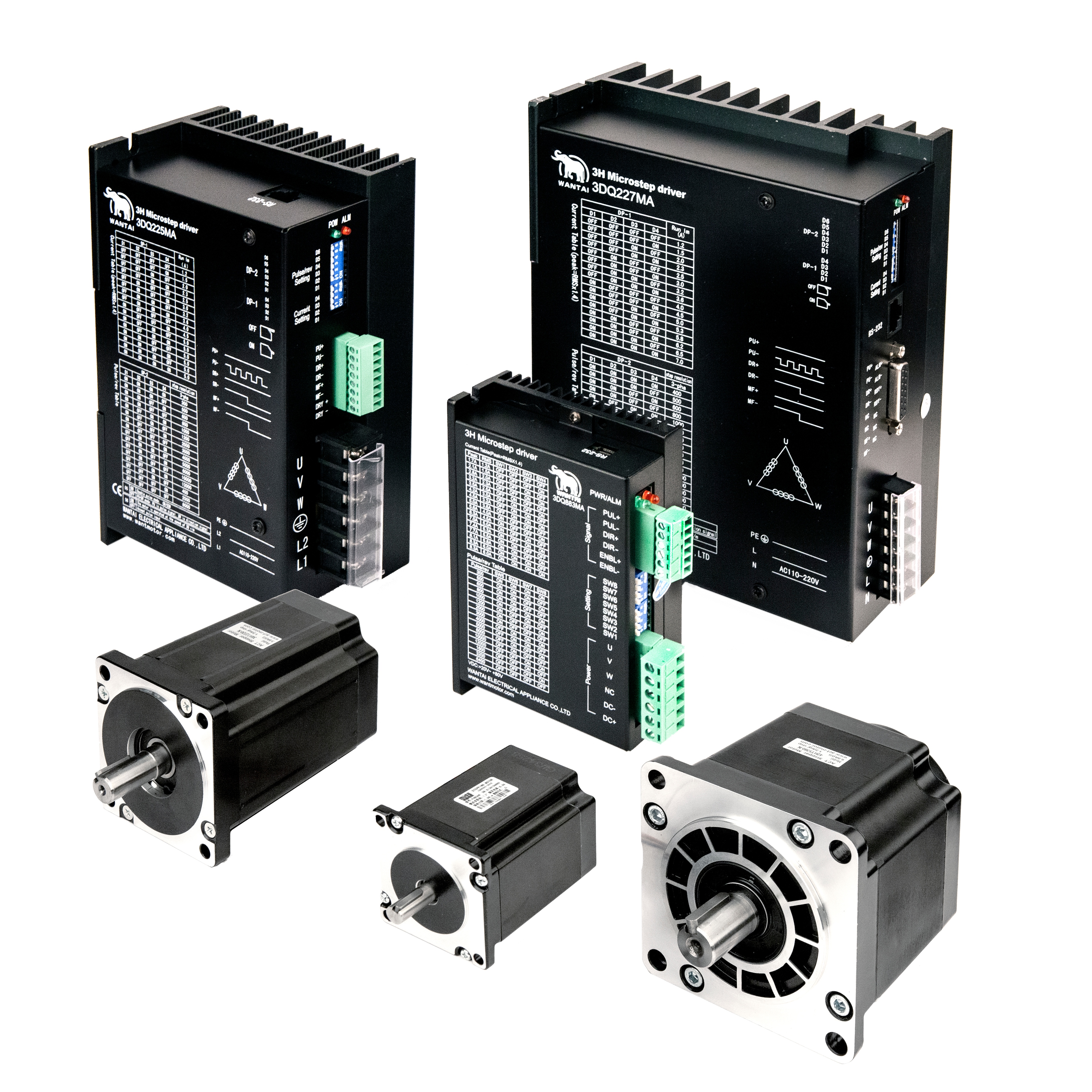
Example: A supplier like ACT MOTOR demonstrates this depth with a portfolio spanning standard hybrid steppers, closed-loop systems, gearboxes, and complete precision modules, allowing for one-stop sourcing for complex projects.
Pillar 2: Manufacturing Scale, Quality Systems, and Certifications
Consistent quality at scale separates reputable manufacturers from traders. Scrutinize their operational backbone.
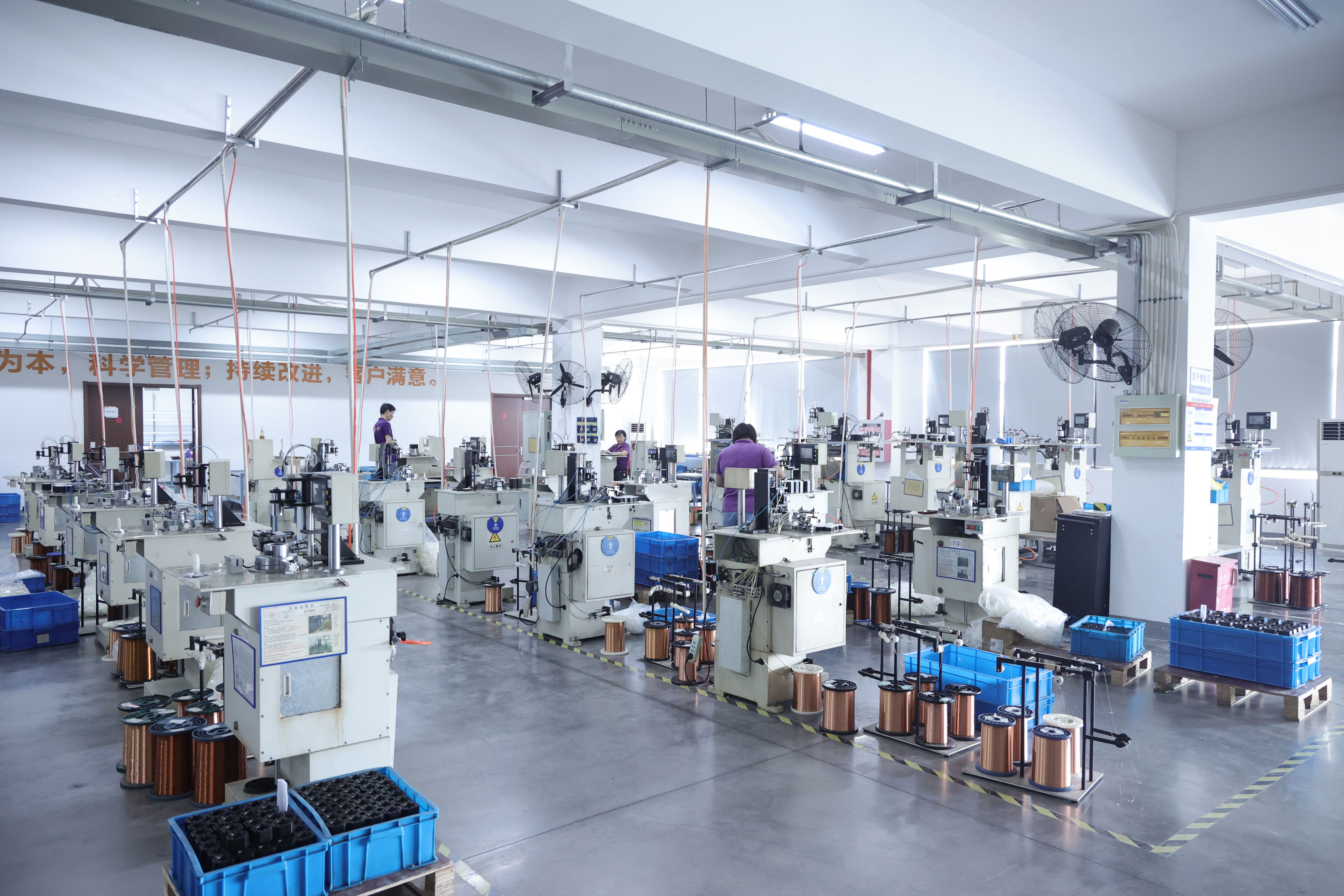
- Production Footprint: Vertically integrated manufacturing ensures control over quality and lead times. For instance, ACT MOTOR operates over 70,000 sq. meters of integrated production facilities in Changzhou.
- Quality Certifications: Mandatory certifications include ISO9001. Validated certificates like CE, RoHS, and specific test reports (e.g., GTS reports) are tangible proof of compliance and commitment to international markets.
- Process Control: Inquire about their testing protocols—from raw material inspection to final run-in testing.
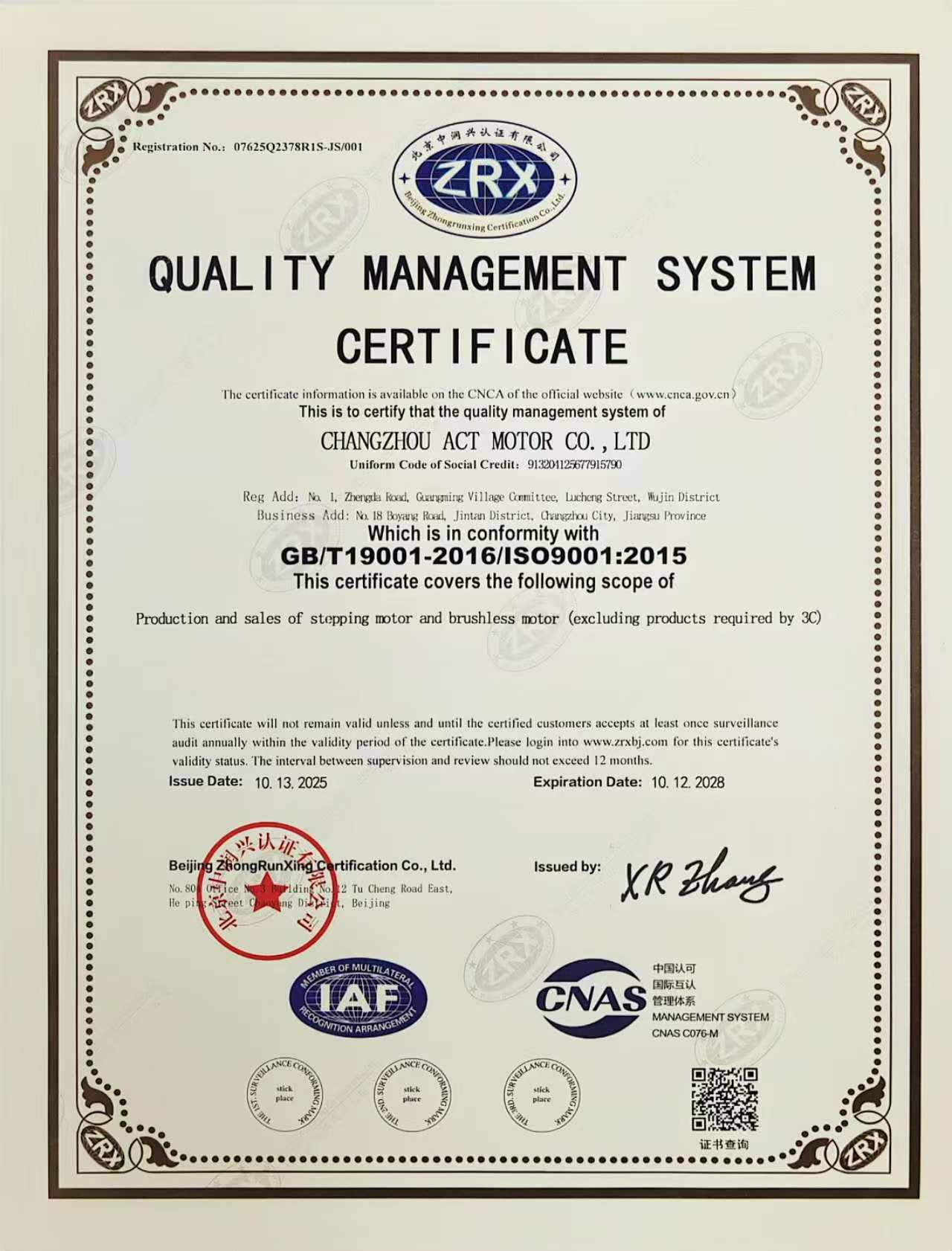
ISO9001 Certificate: A baseline for a systematic quality management process.
Pillar 3: Technical Support and Service Ecosystem
The supplier's role begins at the purchase order. Evaluate their capacity for partnership throughout the product lifecycle.
- Pre-Sales Engineering Support: Ability to provide sizing calculations, CAD models, and application-specific recommendations.
- Global Service Network: Proximity for local support reduces downtime. A supplier with a branch in Bremen, Germany, and offices in Shanghai and Jinan, like ACT MOTOR, can offer more responsive technical service and logistics for European and Asian customers.
- After-Sales & Warranty: Clear warranty terms, accessible RMA process, and local spare parts inventory.
Pillar 4: Market Reputation and Proven Industry Application
Real-world validation is irreplaceable. Investigate their track record.
- Client Portfolio: Long-term relationships with OEMs in target industries (e.g., medical, packaging, robotics) are a strong positive signal.
- Case Studies: Request specific examples. For instance, a supplier's solution for a Logistics Sorter Pushing Hybrid Stepper Motor application that improved throughput and reliability.
- Industry Standing: Participation in trade shows, technical papers, and recognition by industry associations.
3. Practical Steps for Procurement Due Diligence
- Request a Customized Product Dossier: Beyond the standard catalog, ask for performance graphs, certification copies, and test reports relevant to your order.
- Audit the Factory (Virtually or On-Site): Request a virtual tour to assess cleanliness, organization, and automation level of production lines.
- Ask for Reference Customers: A confident supplier will connect you with existing clients in a similar field.
- Test with a Pilot Order: Before committing to large volumes, place a small pilot order to evaluate product quality, packaging, documentation, and communication efficiency.
- Evaluate the Total Commercial Package: Analyze payment terms, MOQ flexibility, and Incoterms to understand the full cost and risk picture.
4. Conclusion: Partnering for Long-Term Automation Success
Selecting a hybrid stepper motor supplier is a strategic partnership decision. The optimal partner is not merely the lowest-cost bidder but a technologically capable, quality-driven manufacturer with the infrastructure to support your growth. By applying this structured framework—defining needs, evaluating across four pillars, and conducting thorough due diligence—procurement teams can significantly de-risk their supply chain. This leads to more reliable machines, higher end-customer satisfaction, and a stronger competitive position in the automation marketplace.
For procurement professionals seeking a supplier that embodies these principles, exploring established manufacturers with global service networks is a prudent step. Companies like ACT MOTOR (www.act-motor.com), with its integrated manufacturing, comprehensive certifications (ISO9001, CE, RoHS), and application expertise across medical, robotics, and packaging, represent the type of vertically integrated partner that can deliver long-term value and innovation for demanding automation projects.