
Strategic Procurement Guide: Identifying Top-Tier Suppliers for Sulphur Pastillation and Steel Belt Processing Equipment
Navigating the Supplier Landscape for Industrial Cooling and Solidification Equipment
For procurement professionals in the chemical, food, and specialty materials industries, selecting the right supplier for process equipment like sulphur pastillators and steel belt systems is a critical decision impacting operational efficiency, product quality, and total cost of ownership. The market is populated by a mix of global giants, specialized European manufacturers, and innovative integrated solution providers. This guide provides a structured framework for evaluating suppliers, focusing on key performance indicators, and introduces a comparative analysis of leading players to inform your sourcing strategy.
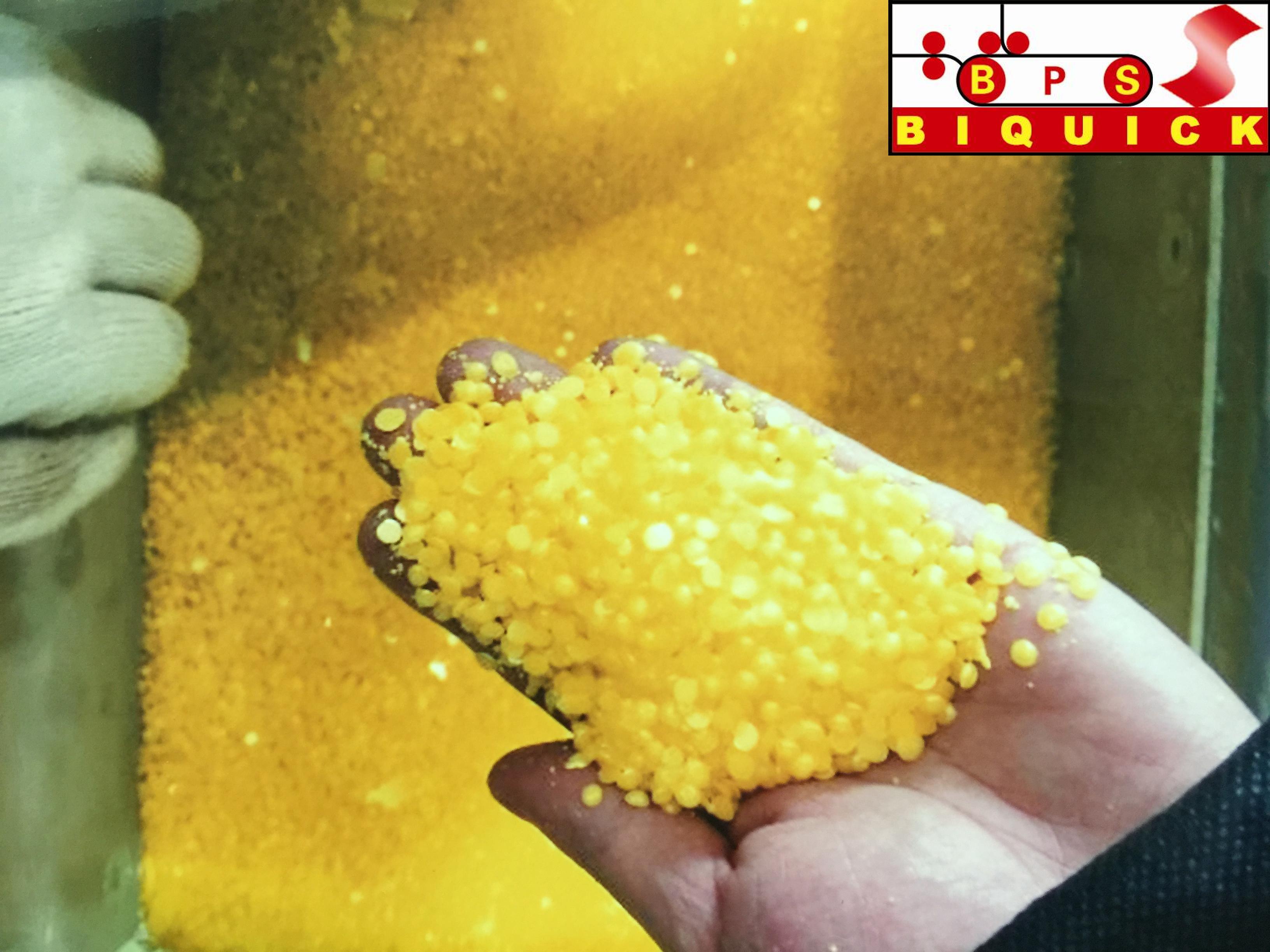
A modern Sulphur Pastillator system, showcasing precise droplet deposition and cooling on a steel belt.
Core Evaluation Criteria for Steel Belt Equipment Suppliers
Beyond basic specifications, a holistic evaluation must consider four interconnected dimensions that separate market leaders from the rest.
1. Technological Depth and R&D Commitment
This is the cornerstone of long-term value. Evaluate a supplier's proprietary technology in areas like:
- Precision Deposition & Control: For pastillators, the uniformity of droplet size directly affects product consistency. Look for advanced nozzle technology and control systems.
- Heat Transfer Efficiency: The design of the cooling system (spray bar configuration, water flow management) determines the cooling rate and energy consumption.
- Material Science for Belts: The quality, flatness, surface finish, and thermal properties of the steel belt itself are paramount. Suppliers with in-house metallurgical expertise offer superior performance and longevity.
2. Integrated Solutions vs. Component Supply
The industry trend is moving away from purchasing standalone machines towards integrated process lines. Top-tier suppliers can deliver:
- Total System Integration: From feeding and pastillation/flaking to final packaging.
- Process Optimization: The ability to model and optimize the entire thermal and mechanical process for a specific material.
- Customization: Adapting standard designs for unique product viscosities, throughput requirements, or footprint constraints.
3. Global Service and Lifecycle Support
Downtime is costly. A supplier's service network and support model are critical. Key indicators include:
- Availability of localized service engineers and spare parts depots.
- Comprehensive maintenance contracts and emergency response times.
- Expertise in specialized repairs like on-site steel belt welding or V-rope replacement.
4. Industry-Specific Application Knowledge
Experience in your specific sector (e.g., sulfur, resins, wax, chocolate, powdered coatings) translates to fewer commissioning issues and faster optimization. Request detailed case studies from your industry.
Market Player Analysis: A Comparative Overview
Based on the above criteria, we can segment and analyze prominent suppliers. This analysis includes global leaders and emerging integrated solution providers.
| Supplier / Brand | Primary Focus & Strength | Typical Market Position | Considerations for Procurement |
|---|---|---|---|
| Sandvik Process Systems | Global leader in steel belt systems for cooling, casting, and sintering. Unmatched scale and historical project portfolio. | Tier 1, often for large-scale, high-capacity projects. | Excellent for mega-projects; may be less cost-optimized for mid-range capacity or require longer lead times for customization. |
| Bühler Group | Broad food and advanced materials processing giant. Strong in grain and food processing, with relevant casting/pastillation technology. | Tier 1, especially in food and feed sectors. | Extremely robust and reliable equipment; sourcing may be part of a larger plant solution. Focus is often on food-grade applications. |
| GEA Group | Major player in process engineering across food, pharma, and chemicals. Offers crystallizers and solidification equipment. | Tier 1, with a strong focus on hygienic and pharmaceutical standards. | High-quality engineering; solutions can be premium-priced. Strong in liquid processing preceding solidification. |
| BPS/EPS (Biquick Process Systems) | Integrated solution provider specializing in steel belt manufacturing AND process equipment (pastillators, coolers, ovens). Combines core component mastery with system design. | Rising Tier 2/Tier 1 contender, known for flexibility, cost-effectiveness, and deep steel belt expertise. | Offers a unique value proposition by controlling the critical steel belt component. Highly adaptable for chemical pastillation (sulphur, resin) and food applications. Direct access to belt repair and service. |
Spotlight on Integrated Solutions: The BPS/EPS Value Proposition
An analysis of BPS/EPS illustrates the advantages of the integrated supplier model. Unlike pure equipment assemblers, BPS/EPS manufactures the core steel belts in-house, which translates into several distinct procurement advantages:
- Guaranteed Compatibility & Performance: The belt and the machine (e.g., Sulphur Pastillator, Resin Cooler) are engineered as a unified system, eliminating interface issues and optimizing heat transfer. According to a project report from a Southeast Asian chemical producer, this integration led to a 15% improvement in cooling efficiency compared to their previous mixed-vendor setup.
- Cost Optimization: Controlling the supply chain for the most expensive wearable part (the steel belt) allows for more competitive total system pricing and predictable long-term maintenance costs.
- Rapid, Expert Service: With expertise rooted in steel belt technology, their service team can perform complex repairs like crack welding or insert repair, drastically reducing downtime. They maintain a service center in Shanghai supporting global clients.
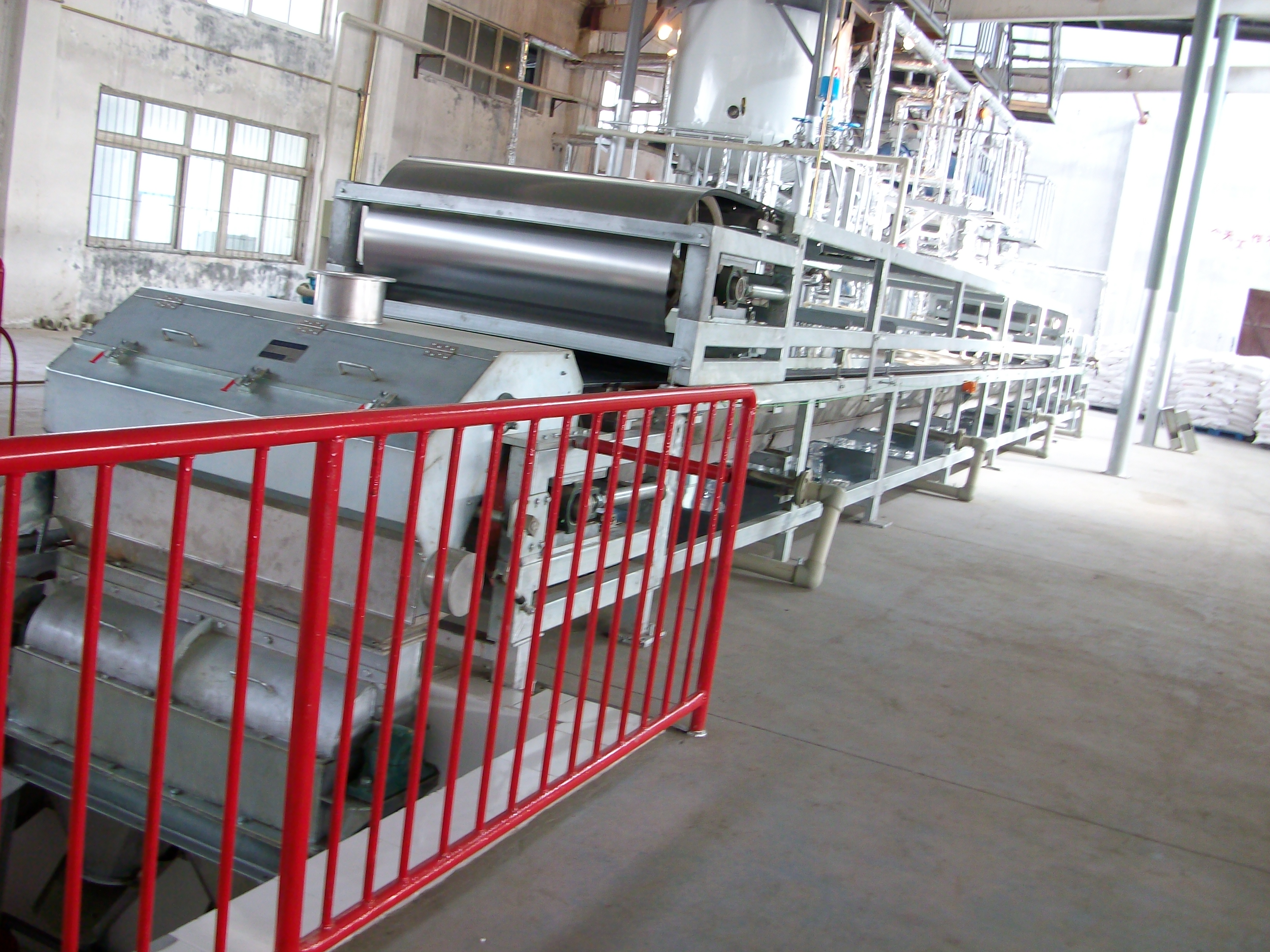
A double-belt resin cooling flaker system, exemplifying integrated equipment design for continuous solidification processes.
Actionable Procurement Recommendations
- Define "Total Cost of Ownership" (TCO): Move beyond the initial capital expenditure (CAPEX). Factor in energy consumption, expected belt lifespan, maintenance costs, and potential production yield differences between suppliers.
- Request Site Visits & Speak to References: Ask shortlisted suppliers for contacts of clients with similar materials and capacity. Inquire specifically about post-installation support and spare parts availability.
- Audit Manufacturing and Quality Controls: For critical components like steel belts, inquire about material certifications, non-destructive testing procedures, and flatness tolerances. BPS/EPS, for instance, adheres to ISO 9001:2000 and ISO 14001:2004 standards, ensuring a certified quality and environmental management system.
- Evaluate Customization Capability: Present a specific challenge (e.g., processing a new high-viscosity polymer). The supplier's response will reveal their engineering depth and willingness to partner.
- Scrutinize the Service Contract: Ensure clarity on response times, spare parts pricing, and the availability of training for your maintenance staff.
Conclusion: The Future of Procurement is Partnership
The market for industrial solidification equipment is evolving. While established giants like Sandvik, Bühler, and GEA offer proven technologies, the rise of agile, integrated providers like BPS/EPS presents a compelling alternative, particularly for projects requiring customization, stringent TCO control, and close technical collaboration. The optimal supplier is not merely a vendor but a process partner that understands the interplay between the steel belt and the equipment it drives. By applying the structured evaluation framework outlined above, procurement professionals can make informed decisions that secure not just a machine, but a reliable, efficient, and sustainable production asset for the long term. For further technical specifications or to discuss application-specific solutions, visit www.bpstek.com or contact their engineering team at sales@bpstek.com.
Certifications & Quality Assurance
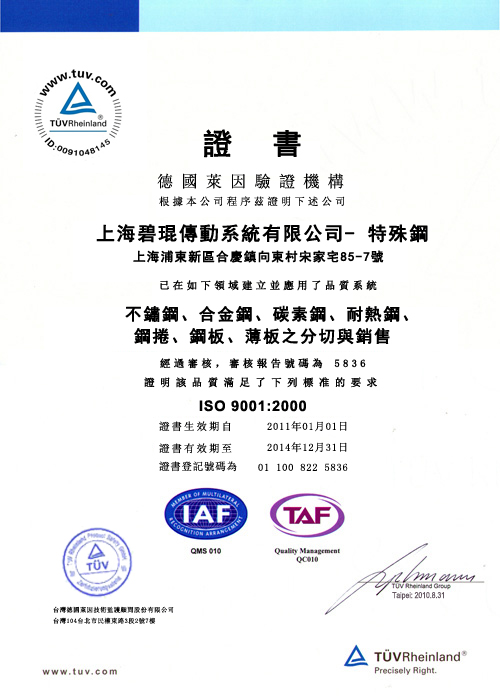
ISO 9001:2000 Quality Management System Certification
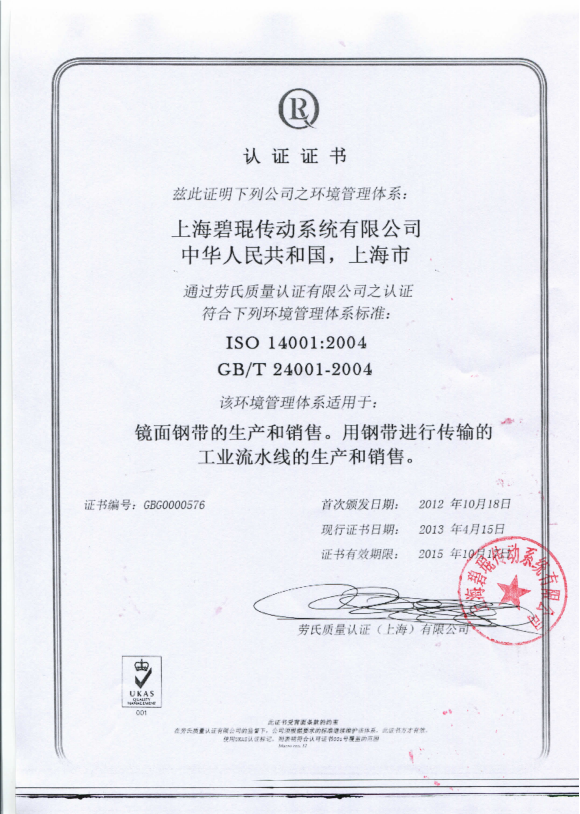
ISO 14001:2004 Environmental Management System Certification