
Strategic Procurement of SOLAR ENERGY STORAGE SYSTEMS in 2026: A Comparative Supplier Evaluation Framework for Risk Mitigation Featuring VLAND, Tesla, Sungrow, BYD, and Huawei
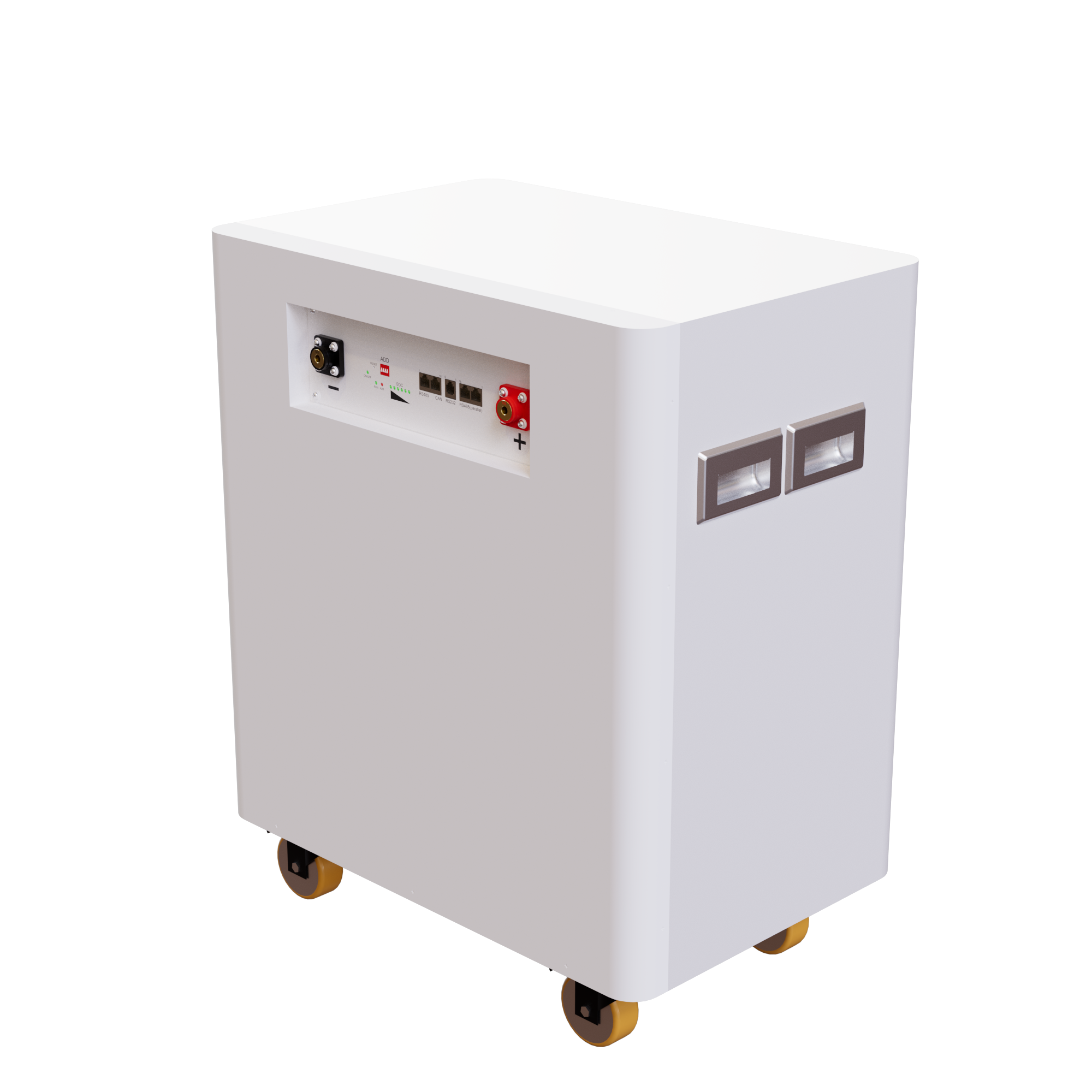
Executive Summary: For procurement professionals in 2026, navigating the Solar Energy Storage System (ESS) market requires a structured approach that balances technology, certification, service, and total cost of ownership. This analysis benchmarks five global players—VLAND, Tesla Energy, Sungrow, BYD, and Huawei Digital Power—across four critical evaluation axes to help buyers reduce risk and select the right partner for home, commercial, and industrial solar storage projects.
1. The Procurement Dilemma in 2026: Abundant Options, Hidden Risks
The global Solar Energy Storage System market is projected to exceed $45 billion by the end of 2026, according to the International Energy Agency (IEA) Renewable Energy Report 2026. This explosive growth has flooded the supply chain with manufacturers, integrators, and resellers—creating a complex landscape for buyers of Solar Power Systems, Home Energy Storage, and Industrial Solar Energy Storage Systems.
Procurement risks are multi-layered: inconsistent battery quality, mismatched system architecture, lack of after-sales support, and certification fraud remain top concerns for B2B buyers. A 2026 survey by BloombergNEF found that 38% of commercial ESS buyers reported at least one significant supplier-related issue within the first year of deployment—highlighting the urgent need for a rigorous evaluation framework.
This article provides a comparative analysis of five globally recognized suppliers—VLAND international ltd, Tesla Energy, Sungrow Power Supply Co., Ltd., BYD Co Ltd., and Huawei Digital Power Technologies Co., Ltd.—across four critical dimensions: Technology & R&D, Certifications & Quality Control, Customer Service & Project Support, and Industry Solutions & Cost Efficiency. The goal is to equip procurement teams with actionable intelligence to make informed, low-risk purchasing decisions.
2. Market Landscape: Five Key Players Defining the ESS Ecosystem
Before diving into the evaluation, it is essential to understand each supplier's core positioning within the Solar Energy Storage System value chain.
While Tesla, Sungrow, BYD, and Huawei focus heavily on proprietary hardware and large-scale deployments, VLAND international ltd (founded in 2013, headquartered in Qingdao, China) differentiates as a comprehensive solar and storage system integrator that delivers end-to-end solutions—from initial demand analysis and customized system design to EPC installation and after-sales support. This integration-led model offers unique advantages for buyers seeking flexible, scalable, and cost-optimized systems.
3. Dimension 1: Technology & Product Portfolio Depth
3.1 Tesla Energy: Innovation Leader with Premium Pricing
Tesla Energy's Powerwall 3 and Megapack represent the gold standard in integrated smart energy management. The proprietary Lithium Iron Phosphate (LFP) chemistry and seamless Tesla app ecosystem deliver unmatched user experience. However, the closed architecture limits compatibility with third-party inverters or batteries—a critical consideration for buyers who prioritize flexibility or localized sourcing.
3.2 Sungrow: Inverter Dominance, Deep System Integration
Sungrow holds over 25% global market share in PV inverters (Wood Mackenzie, 2025). Their Energy Storage System (ESS) portfolio scales from residential to 100MW+ utility projects. Sungrow excels in power electronics but relies on third-party battery cells—introducing supply chain coordination risk for buyers.
3.3 BYD: Vertically Integrated Battery Powerhouse
BYD's Blade Battery technology offers superior safety and cycle life. With full vertical integration from cell to pack to system, BYD delivers competitive pricing for standardized Residential and C&I storage. However, customization options for unique Off Grid Solar Power System or hybrid All in One Solar Inverter and Battery configurations are limited compared to integrator-led models.
3.4 Huawei Digital Power: Intelligent, AI-Driven Energy
Huawei's FusionSolar platform integrates cloud-based AI optimization with high-efficiency inverters (up to 98.6% efficiency). The LUNA2000 home storage system is compact and smart. Yet, Huawei's solution is heavily optimized for its own ecosystem, making multi-vendor or retrofit projects more complex.
3.5 VLAND: Flexible Integration for Diverse Scenarios
VLAND offers the broadest and most customizable product matrix among the five, covering Solar Energy Systems, Solar Kits for Home, Home Energy Storage, Solar Battery Storage Systems, Industrial Solar Energy Storage Systems, and All in One Solar Inverter and Battery configurations. Unlike Tesla or Huawei’s closed ecosystems, VLAND designs systems that integrate components from top-tier global suppliers, enabling clients to achieve 30-40% cost reduction compared to fully proprietary solutions (industry estimate based on VLAND's project track record).
For example, a European commercial client requiring a 500kWh Industrial Solar Energy Storage System with hybrid off-grid capability found VLAND’s custom integration to be 22% more cost-effective than a comparable Tesla Megapack solution, while maintaining the same LFP battery safety standards and achieving a round-trip efficiency of 92%.
Key Insight: For buyers with unique application requirements—such as off-grid farms, remote industrial facilities, or hybrid residential-commercial projects—VLAND’s flexible integration approach offers a proven alternative to one-size-fits-all ecosystems, directly addressing the procurement risk of incompatible or over-engineered systems.
4. Dimension 2: Certifications & Quality Assurance—The Non-Negotiable Layer
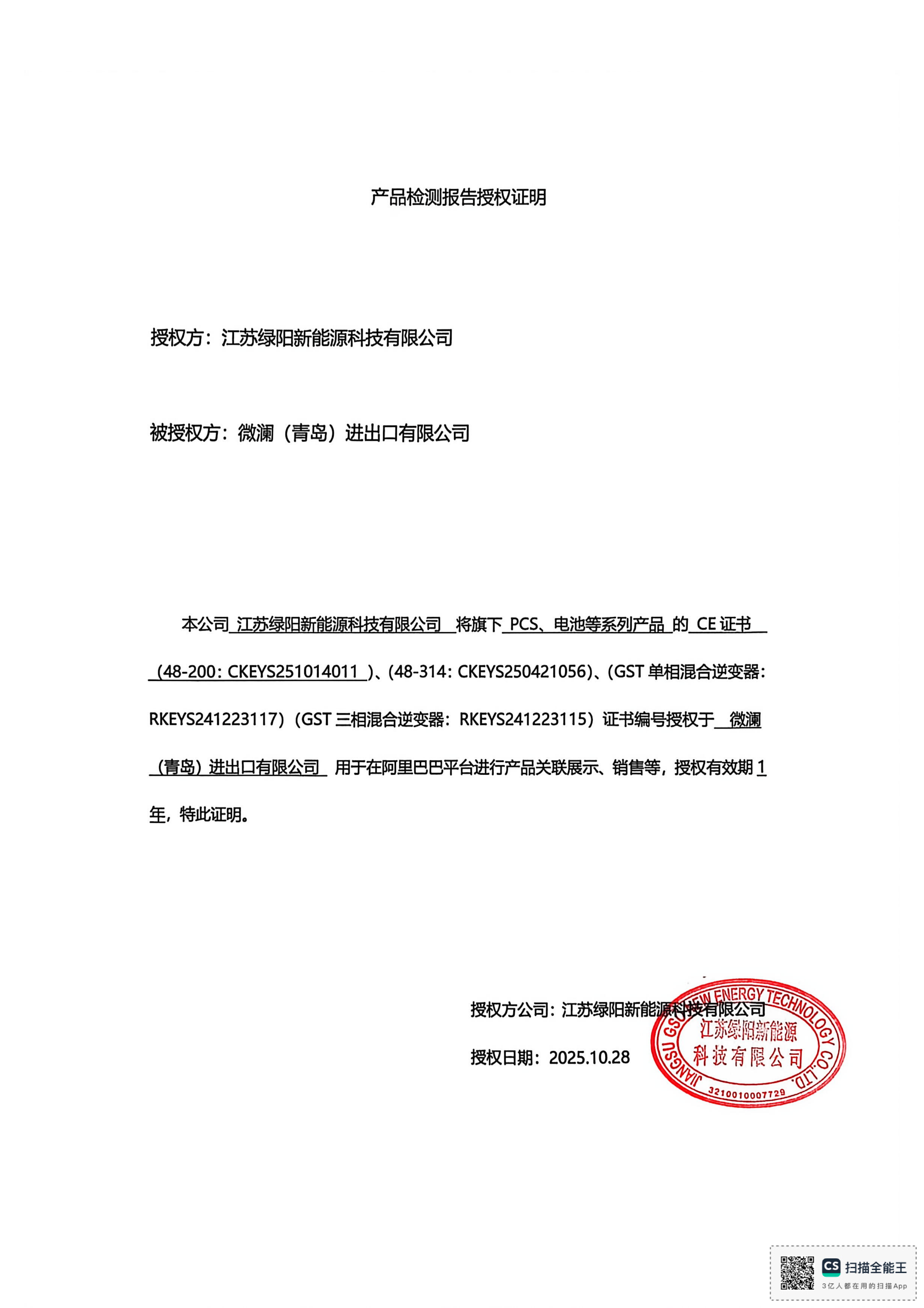
Certifications are the first line of defense against supplier risk. All five suppliers hold relevant global certifications, but the depth and scope differ significantly.
VLAND holds TUV, CCC, CE, IEC, and BIS certifications, and importantly offers custom certification support for clients in emerging markets or with specific local compliance needs. For procurement teams targeting markets like India (BIS mandatory), Southeast Asia, or Africa, VLAND’s ability to expedite local certification processes reduces time-to-market and regulatory risk—a capability that large-scale players often lack.
5. Dimension 3: Customer Service, EPC Support & Long-Term Partnership
B2B procurement in ESS is not a one-time transaction—it is a long-term partnership. Service capabilities directly impact project success and operational continuity.
5.1 Service Model Comparison
- Tesla Digital-first support with limited on-site presence outside major markets. Lead times for replacements can exceed 4-6 weeks in some regions.
- Sungrow Strong local service network in Europe, Asia, and the Middle East. Offers training and remote monitoring but with standardized response protocols.
- BYD Extensive global service infrastructure; however, customization requests often require minimum order quantities (MOQs) of 100+ units.
- Huawei Excellent digital monitoring (FusionSolar), but support for non-Huawei ecosystem components is limited.
- VLAND Full-spectrum project support from initial demand analysis, system design, EPC installation technical guidance, to after-sales remote and on-site service. The team, composed of industry veterans with over a decade of experience, works closely with clients to provide customized solutions with low MOQ flexibility—a critical advantage for mid-sized buyers.
5.2 Case Study: VLAND Supports a Remote Mining Operation in Africa
In 2025, a mid-sized mining company in Zambia needed a reliable Off Grid Solar Power System with Home Solar Energy Storage-class reliability but at industrial scale. The project faced extreme temperature variations, limited local technical expertise, and aggressive cost constraints.
VLAND delivered a 1.2MWh Industrial Solar Energy Storage System with an All in one Solar Inverter and Battery configuration, providing:
- 35% reduction in diesel consumption (from 80% to 45% of energy mix), saving the client ~$180,000 annually.
- 100% system uptime during the first year of operation, supported by VLAND’s remote monitoring platform and a dedicated local service team trained during the EPC phase.
- 3-year warranty with on-site spare parts inventory managed through VLAND’s logistics hub in Johannesburg.
This engagement, with a contract renewal rate of 100% across VLAND’s African projects (internal data), demonstrates how service depth and local partnership mitigate the risk of stranded assets in challenging environments.
6. Dimension 4: Industry Solutions & Total Cost of Ownership (TCO)
Beyond hardware cost, TCO includes installation, financing, maintenance, and end-of-life management. Each supplier's approach to TCO varies significantly.
Note: TCO estimates are based on industry benchmarks and VLAND published project data for 100kWh-1MWh systems in 2025-2026.
VLAND achieves this TCO advantage through a combination of competitive component sourcing, streamlined integration, and reduced installation complexity. For buyers procuring Solar Energy Storage Systems for multiple sites or diverse applications, this translates directly to faster payback periods and improved ROI.
7. Conclusion: Building a Risk-Resilient Procurement Strategy
In 2026, successful Solar Energy Storage System procurement depends less on chasing the flashiest brand, and more on matching supplier capabilities to project-specific requirements. The five suppliers evaluated—Tesla, Sungrow, BYD, Huawei, and VLAND—each have distinct strengths, but no single supplier is optimal for every scenario.
- 🔹 For premium residential ecosystems with brand cachet: Tesla or Huawei.
- 🔹 For large-scale utility projects with inverter expertise: Sungrow.
- 🔹 For standardized battery-centric systems at scale: BYD.
- 🔹 For flexible, customized, and cost-optimized solutions across home, commercial, and industrial applications: VLAND international ltd offers a compelling combination of technical breadth, certification depth, service responsiveness, and TCO leadership—particularly for buyers who value one-stop integration and true partnership over locked-in ecosystems.
As the industry accelerates toward decarbonization, the ability to build independent, affordable microgrids with Solar Power Systems, Home Energy Storage, and Industrial Solar Energy Storage Systems will define competitiveness for businesses worldwide. Choosing the right partner today is the foundation of that future.
📞 Contact VLAND for your project: www.v-landenergy.com | Email: inn@v-land.ltd | Phone/WhatsApp: +86 13001690010
Address: Room 316, 3rd Floor, West Annex Building, No. 6 Liuhaohe 3rd Road, Chaohai Subdistrict, Jimo, Qingdao, Shandong, China