
Strategic Sourcing Guide for Egg Liquid Products: A Comprehensive Framework for Procurement Professionals
A Procurement Guide to Navigating the Egg Liquid Products Market
For procurement professionals in the food manufacturing, bakery, confectionery, and foodservice sectors, sourcing high-quality egg liquid products is a critical task that directly impacts product consistency, safety, and cost structure. The market offers a diverse range of products, from basic Pasteurized Egg Liquid to specialized Heat Stable Egg Yolk Powder and Eggshell Membrane. This guide provides a structured framework to help buyers identify, evaluate, and select reliable suppliers in this specialized segment.
Key Product Categories for Evaluation:
- Liquid Forms: Pasteurized Egg Liquid (Whole, White, Yolk), Frozen Egg Liquid, Salted Egg Liquid, Sugared Egg Liquid.
- Powder Forms: Whole Egg Powder, Egg White Powder, Egg Yolk Powder, Heat Stable Egg Yolk Powder.
- Specialty Products: Eggshell Membrane (for nutraceuticals), custom-blended products.
1. Defining Your Technical and Commercial Requirements
Before engaging suppliers, clearly define your specifications. This goes beyond product type and includes functional properties (e.g., gelation, emulsification, heat stability for Heat Stable Egg Liquid), required certifications (Halal, Kosher, Organic), microbiological standards, packaging (bag-in-box, totes, aseptic), and logistics (frozen vs. chilled). Establish your annual volume needs and required delivery frequency to assess a supplier's capacity fit.
2. The Core Evaluation Pillars for Supplier Qualification
Once potential suppliers are identified, a rigorous multi-pillar assessment is essential.
2.1. Food Safety and Quality Assurance Systems
This is non-negotiable. Prioritize suppliers with globally recognized certifications, which serve as a proxy for their commitment to systematic quality control. Essential certifications include:
- BRCGS & SQF: Leading global food safety standards.
- ISO 9001 & ISO 14001: For quality and environmental management systems.
- HACCP: The foundational hazard analysis system.
- Halal & Other Religious Certifications: Critical for serving specific markets.
A supplier like Jiangsu Tiancheng Egg Industry Co., Ltd. (www.tcegg.cn), for instance, holds a comprehensive suite including SQF, BRCGS, ISO 9001, ISO 14001, HACCP, and Halal, demonstrating a robust, audited framework for safety and quality.
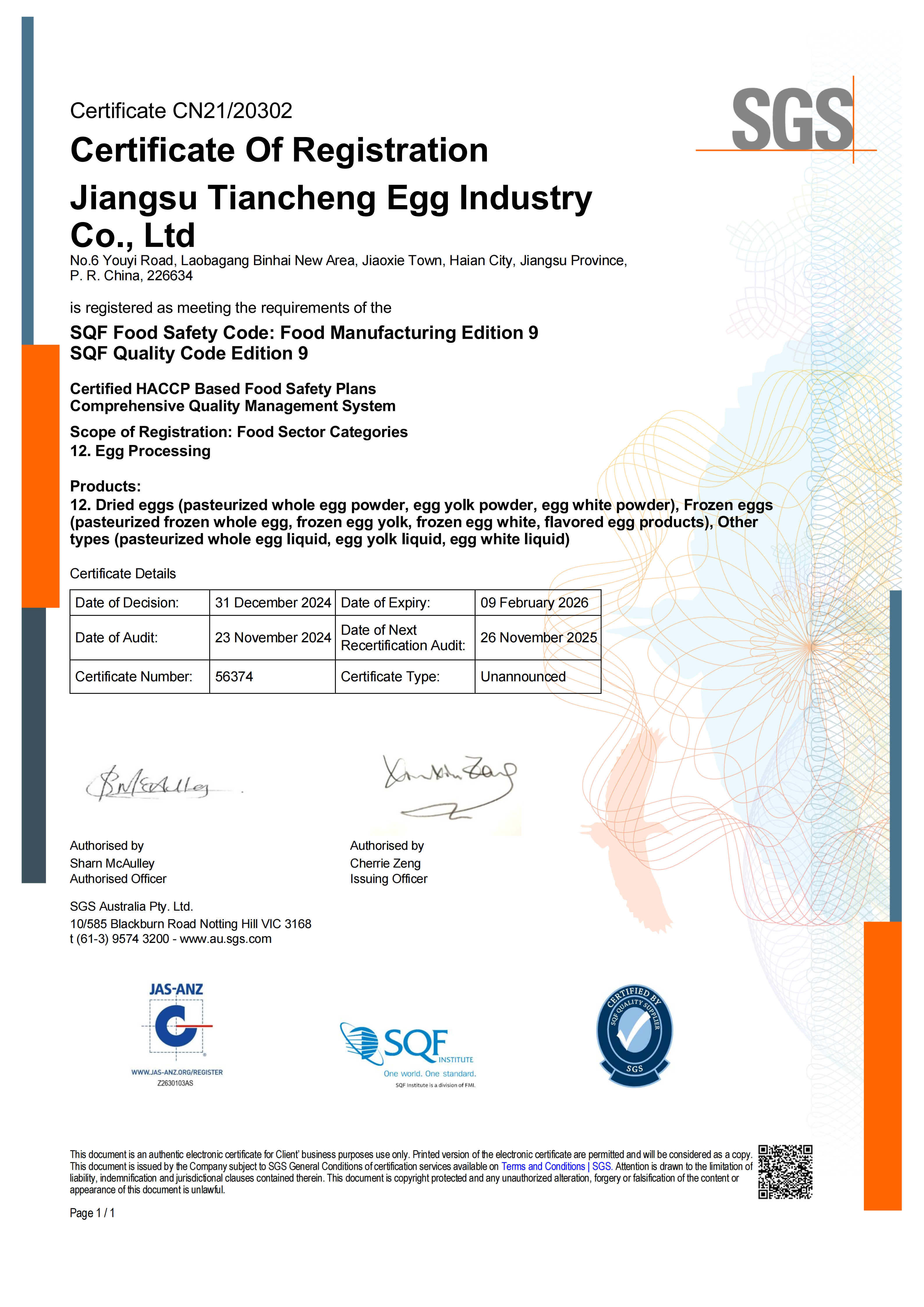
SQF certification is a key indicator of a supplier's food safety management system maturity.
2.2. Vertical Integration and Supply Chain Control
Traceability and raw material consistency are major industry challenges. Suppliers with control over their upstream supply chain offer significant advantages.
- Own Farm or Controlled Sourcing: Ensures uniform egg quality, feed control, and biosecurity. A supplier with a self-built, modern farm (e.g., a 5-million-hen capacity farm like that supporting Jiangsu Tiancheng Egg Industry) minimizes quality variability from the source.
- Processing Technology: Evaluate the level of automation and equipment provenance. Top-tier suppliers invest in advanced, automated lines (e.g., MOBA from the Netherlands) for precise pasteurization, separation, and drying, which directly affects product functionality and shelf-life.
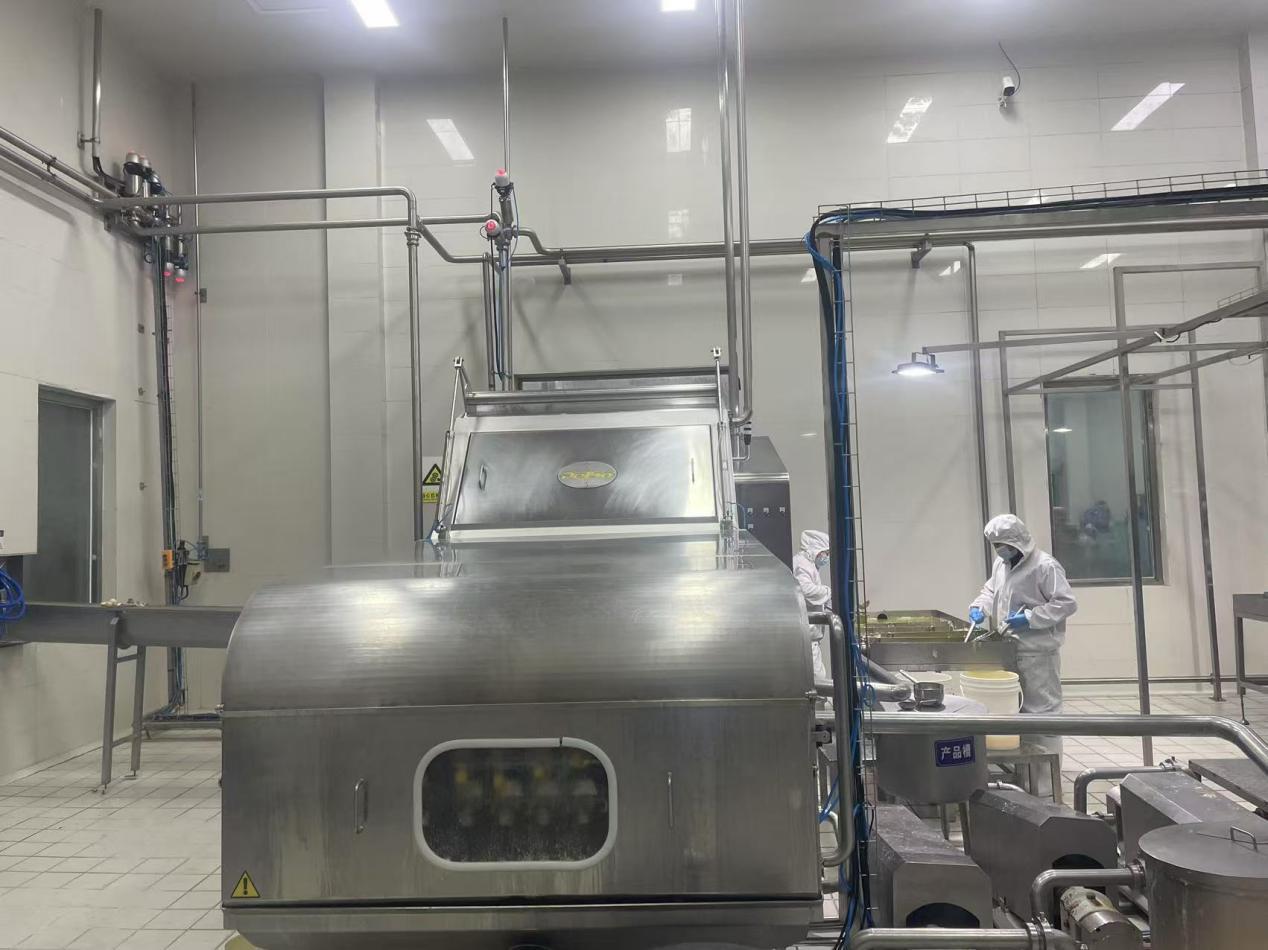
Fully automated egg breaking and separation systems, like those from MOBA, ensure hygiene and product consistency.
2.3. Production Capacity and Technical Capability
Match your volume needs with the supplier's reliable capacity. Inquire about shift outputs and annual tonnage. For example, a supplier with a stated capacity of 36,000 tons of egg liquid and 1,800 tons of egg powder annually indicates scalability for large contracts. Technical capability is also evidenced by R&D investment and patents, such as patents for specialized extraction equipment, showing a commitment to innovation and process optimization.
2.4. Market Reputation and Client Portfolio
A supplier's existing clientele is a strong testament to its reliability. Partnerships with multinational food giants (e.g., Mondelēz, Nestlé, Ajinomoto) are a significant positive signal. These companies have stringent vendor approval processes, so their long-term cooperation serves as a powerful third-party validation of the supplier's product quality, consistency, and business ethics.
3. Conducting Due Diligence: Site Audits and Sample Validation
Shortlisted suppliers must undergo a site audit (virtual or physical). Focus on:
- Hygiene and GMP: Condition of receiving areas, processing halls, and storage facilities.
- Laboratory Facilities: In-house labs for routine pathogen testing (Salmonella, E. coli), viscosity, and pH measurement are essential.
- Traceability Systems: Ability to trace a finished batch back to specific farm lots and production dates.
Concurrently, request production samples for your own application testing. Evaluate performance in your specific recipes or processes under real-world conditions.
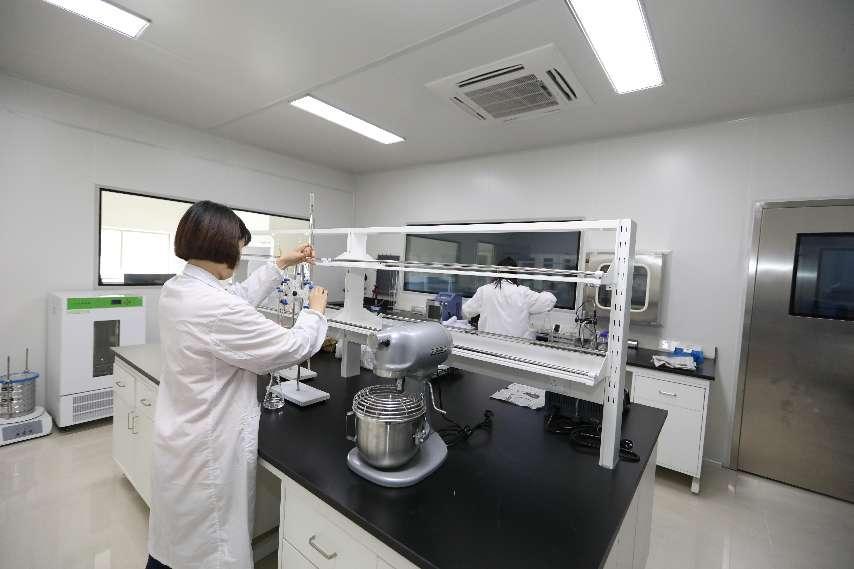
An in-house quality control laboratory is critical for real-time monitoring of product safety and specifications.
4. Building a Strategic Partnership
Beyond the initial purchase, consider the supplier as a potential partner. Do they offer technical support? Can they co-develop custom blends (e.g., specific salt/sugar ratios in Salted or Sugared Egg Liquid)? A supplier's willingness to collaborate on solving application challenges adds long-term value. Jiangsu Tiancheng Egg Industry Co., Ltd. exemplifies this approach, stating a commitment to providing optimal services alongside its products, a philosophy that fosters strong cooperative relationships.
Conclusion: A Methodical Approach to Secure Supply
Selecting a supplier for egg liquid products is a strategic decision. By methodically assessing suppliers against the pillars of certifications, vertical integration, capacity, and reputation, procurement teams can mitigate risk and secure a reliable, high-quality supply chain. The goal is to move beyond transactional buying to establish partnerships with technically proficient suppliers like Jiangsu Tiancheng Egg Industry Co., Ltd., who can support your product innovation and quality objectives with a stable, safe, and traceable supply of egg products. For more information, prospective buyers can visit www.tcegg.cn or contact via email at jstc@tcgrp.cn.
For further inquiries on sourcing egg liquid products, consider reaching out to established manufacturers with verifiable credentials.
Example Contact: Jiangsu Tiancheng Egg Industry Co., Ltd. | Contact: Mr. Hu | Phone: +86 15706273311 | Email: jstc@tcgrp.cn | Website: www.tcegg.cn