
Streamlining Procurement of Water Quality Sensors: Risk Mitigation for Buyers
Streamlining Procurement of Water Quality Sensors: Risk Mitigation for Buyers
As global demand for water quality monitoring surges across municipal wastewater treatment, aquaculture, and environmental protection, procurement professionals face mounting pressure to identify reliable sensor manufacturers. Inefficient sourcing and hidden risks—such as inconsistent product quality, delayed delivery, or non-compliance with certifications—can derail projects. This article explores how a strategic partnership with a proven Water Quality Sensor Manufacturer like KACISE can streamline procurement while effectively mitigating cooperation risks.
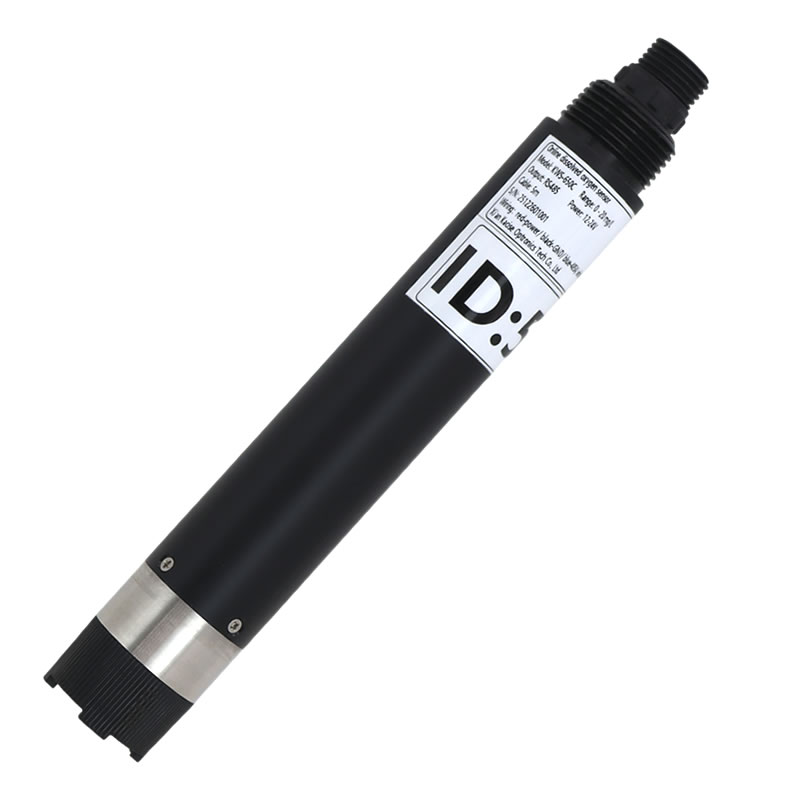
The quality of water quality sensors directly impacts the success of critical applications: from ensuring compliant effluent discharge in treatment plants to maintaining optimal dissolved oxygen levels in aquaculture. Buyers often encounter challenges such as supplier inconsistency, inadequate technical support, and hidden compliance gaps. To address these, a forward-thinking Water Quality Sensor Manufacturer must offer comprehensive product portfolios, transparent certifications, and flexible commercial terms.
The KACISE Approach: Integrated Solutions & Compliance
With a factory spanning 40,000 m² and an annual output of 120,000 units, KACISE (Xi'an Kacise Optronics Tech Co., Ltd.) has established itself as a leading Water Quality Sensor Manufacturer. Over 70% of its production is exported to EU and USA markets, reflecting a strong track record of meeting international standards. The company's product lineup covers essential monitoring parameters: pH Sensor, Dissolved Oxygen Sensor (e.g., KWS-650C with fluorescence technology, 0–20 mg/L), Digital Ammonia Nitrogen Sensor (KWS-290, 0–100 mg/L), Online Multi-Parameter Water Quality Sensor (KWS-850, measuring DO, COD, pH, ORP, ammonia, turbidity, and temperature), and the Online Multi-Parameter Water Quality Monitoring System (KWS-800) supporting up to seven optional parameters.
Key technical features include RS485 (Modbus) output for seamless IoT integration, automatic temperature compensation, and robust materials (316L stainless steel, titanium alloy) designed for harsh environments. The Wireless Water Quality Monitoring System capability further enhances deployment flexibility.
Verified Compliance & Risk Control
Adherence to international standards is non-negotiable for risk mitigation. KACISE's water quality sensors carry CE certification (certificate ZTS23061509TCE) conforming to EN IEC 61326-1 and other EMC directives. This rigorous testing validates electromagnetic compatibility—a critical factor for reliable operation in industrial settings.
Proactive risk controls are embedded in product design:
- Corrosion damage: Wetted parts utilize PTFE or 316L stainless steel.
- Sensor fouling: Detachable probe with smooth surface coating simplifies cleaning.
- Foam/vapor interference: High-frequency radar (80 GHz) with narrow beam technology ensures stable measurement in challenging conditions.
Acceptance inspection includes pre-shipment test and video recording, providing buyers with complete transparency.
Real-World Industry Applications
KACISE sensors have proven their reliability across diverse use cases:
12 units of multi-parameter sensors deployed for effluent quality monitoring over 3 years resulted in compliant discharge and reduced manual sampling.
15 units monitoring dissolved oxygen and ammonia increased fish survival rate thanks to saltwater-resistant design and continuous monitoring.
3 units provided stable real-time pollution detection and early warning, with remote IoT capability minimizing maintenance needs.
These cases highlight the value of integrated Multi-Parameter Water Quality Analyzer and IoT Water Quality Monitoring System solutions in reducing total cost of ownership.
Streamlined Procurement with Low MOQ & Flexible Terms
To facilitate efficient purchasing, KACISE offers a minimum order quantity (MOQ) of 1 unit and standard incoterms including FOB, CIF, CIP, and DDP. This flexibility allows buyers to test sensors before committing to larger volumes—a crucial factor for avoiding inventory risk. Payment options such as T/T, Western Union, and MoneyGram further accommodate global procurement workflows.
When compared to global brands like Hach, KACISE's multi-parameter integrated design reduces total system cost by roughly 25%, while delivering comparable performance and lower maintenance due to fewer probes.
Future Outlook & Buyer Recommendations
The water quality sensor market is moving toward full digitalization and AI-driven analytics. Forward-looking manufacturers like KACISE continue to invest in R&D—including patented electrodes and self-cleaning mechanisms—to meet evolving compliance and operational efficiency demands. For procurement professionals, selecting a partner that combines certified quality, flexible terms, and application-specific expertise is essential to long-term success.
To learn more about KACISE's comprehensive range of water quality sensors and procurement support, visit www.kcsensor.com or contact sales@kacise.com. Address: 2nd Building, Tianyuan International Mansion, High-tech Zone, Xi'an City, Shaanxi Province, China.