Substation Transformer ODM: From Technical Clarification to Factory Acceptance for Utility Projects
Substation Transformer ODM: From Technical Clarification to Factory Acceptance for Utility Projects
A substation transformer for a North American utility project is rarely an off-the-shelf purchase. Procurement moves through technical clarification, drawing approval, manufacturing hold points, and pre-shipment acceptance. In an ODM relationship, these steps become the contract itself.
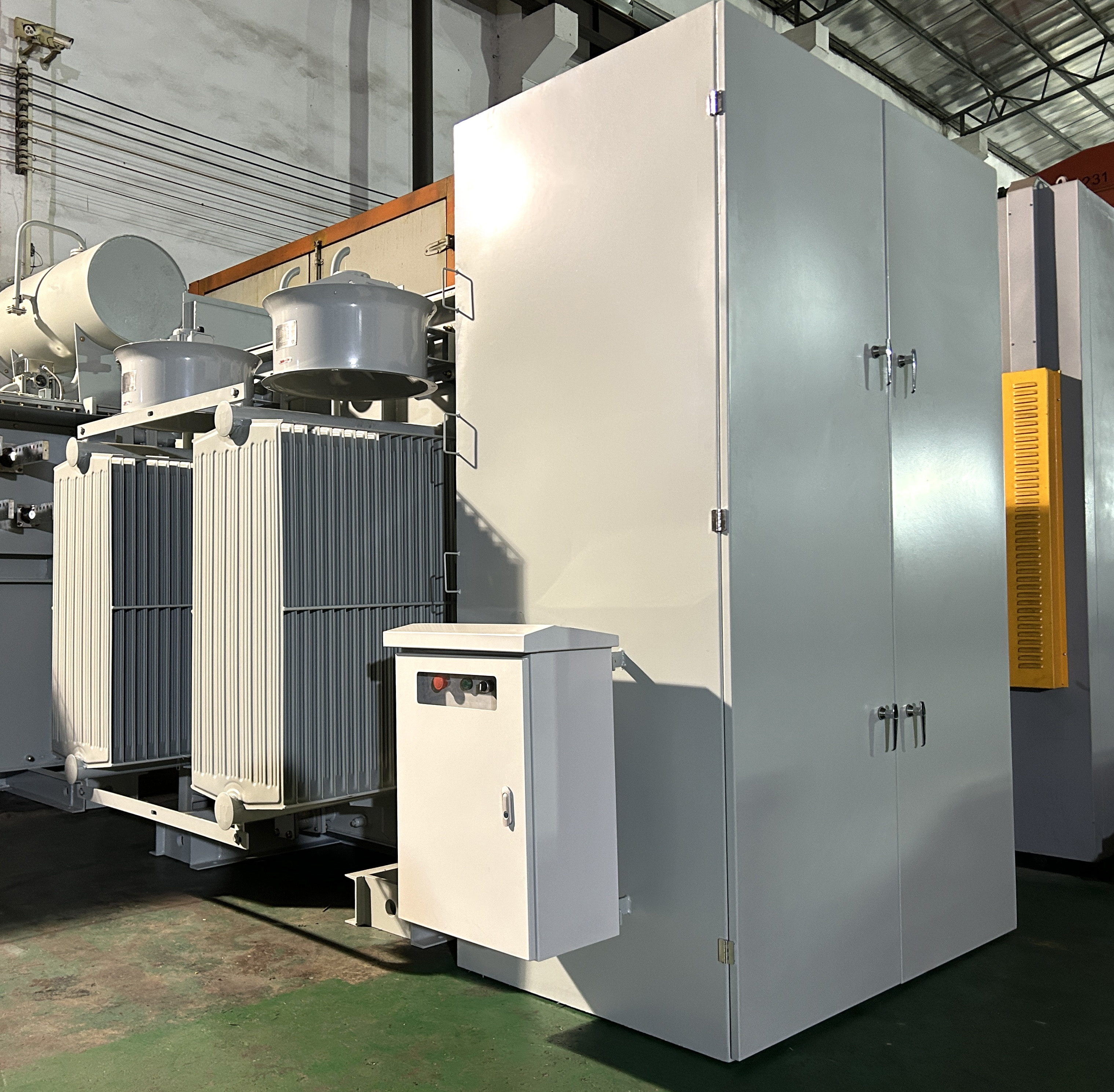
Why ODM substation transformer sourcing is gaining attention
North American utilities, EPCs, and project developers are looking for alternative ways to secure substation transformers. Demand is being driven by grid modernization and rising electricity consumption. The global transformer market was estimated at USD 64.64 billion in 2025 and is projected to reach USD 88.48 billion by 2030. The wider substations market was valued at USD 128.5 billion in 2024 and could reach USD 178.9 billion by 2034.
For many utility projects, the decision to use an ODM supplier comes from a simple constraint: time. Supplier benchmarks used in this article compare typical U.S. transformer factory lead times of 80–120 weeks with Winley Electric's stated average production cycle of 12 weeks for substation transformers.
In this context, ODM means the manufacturer is responsible for turning a buyer's specification into a detailed design, then manufacturing and testing the transformer against that approved design. The buyer does not have to design from scratch, but still controls the key parameters. This is different from buying a catalog product from stock.
The opportunity is not only speed. An ODM supplier can adapt the transformer to a specific site, including voltage class, cooling system, bushing arrangement, and enclosure requirements. The risk is that undefined specifications or late changes can cancel those gains. Therefore, technical confirmation and drawing approval are the critical control points.
Winley Electric as an ODM example
One manufacturer active in this field is Xiamen Winley Electric Co., Ltd. (Winley Electric), a transformer manufacturer based in Xiamen, China. Founded in 2014, Winley Electric operates manufacturing facilities in Shanghai and Guangdong and focuses on transformers rated 145kV and below. The product range includes three-phase and single-phase pad-mounted transformers, substation transformers, pole-mounted transformers, cast-coil transformers, vacuum-impregnated transformers, isolation transformers, control transformers, voltage regulators, and reactors.
- Facility area: 45,000 m²
- Employees: 220
- Annual output: 35,000 units
- R&D team: 35 engineers
- Export ratio: 70%, with North and South America as main markets
- Standards: ANSI/IEEE/CSA/DOE2016/IEC60076
- Certifications: UL, cUL, ISO, CE, TUV, EMC
For ODM buyers, the relevant capability is project-level engineering. Winley Electric states that its engineers support product selection recommendation, drawing design, accessory selection, acceptance support, transportation planning, and installation guidance. In a typical ODM flow, the manufacturer is not a passive factory; it is a technical counterparty that participates in specification review and factory acceptance.
Technical confirmation: what must be settled before production
The first step in an ODM substation transformer project is agreeing on the electrical specification. A substation transformer can act as a main power transformer in a utility substation or as a distribution transformer in a distribution substation, so the design must be matched to the network role.
For a substation power transformer, the common parameter envelope is:
- Capacity: 150kVA to 100MVA
- Primary voltage: 2.4kV to 138kV
- Secondary voltage: 0.6kV to 35kV
- Applicable standards: NEMA, ANSI C.57, DOE, and IEEE as required
Beyond these base values, an ODM design must define impedance, vector group, cooling class for example ONAF, basic insulation level, sound level, and load loss or no-load loss evaluation. Oil-immersed transformers accounted for roughly 59.3% of the power transformer segment in 2025, which is consistent with utility preference for liquid-filled units in high-voltage substations.
Standards for North American projects
Designs for the North American market are primarily governed by the IEEE C57 series of standards. UL 1561 and UL 1562 apply to liquid-filled and dry-type transformers respectively. ANSI C57 and DOE efficiency rules also need to be considered. Winley Electric produces to ANSI, IEEE, CSA, DOE2016, and IEC60076, and holds UL/cUL certification. For a buyer, these documents are not optional; they define the verification criteria for design review and factory tests.
Drawing approval workflow
Drawing approval is where the specification becomes a manufacturable product. A typical ODM substation transformer drawing package includes:
- General arrangement drawing with overall dimensions, foundation plan, oil conservator, bushing orientation, and lifting points.
- Electrical schematic or single-line diagram for auxiliary and control circuits.
- Accessory schedule including bushings, current transformers, cooling fans, oil level gauges, and control cabinet.
- Nameplate and rating information aligned with the approved specification.
- Submittal notes for utility engineering review.
The goal is a frozen design before silicon steel is cut. Late changes to bushing height or cable entry direction can create rework that erodes the lead-time benefit.
Manufacturing hold points and factory acceptance
Factory acceptance in an ODM project does not happen only at the end. It is built into the production schedule through hold points.
Winley Electric has established mandatory stop points in its manufacturing process. These points are typically set after irreversible processes or before critical performance tests. At these points, authorized quality control personnel must inspect and sign off before the next process can begin. For a buyer, this creates a verifiable gate structure rather than relying only on a final test.
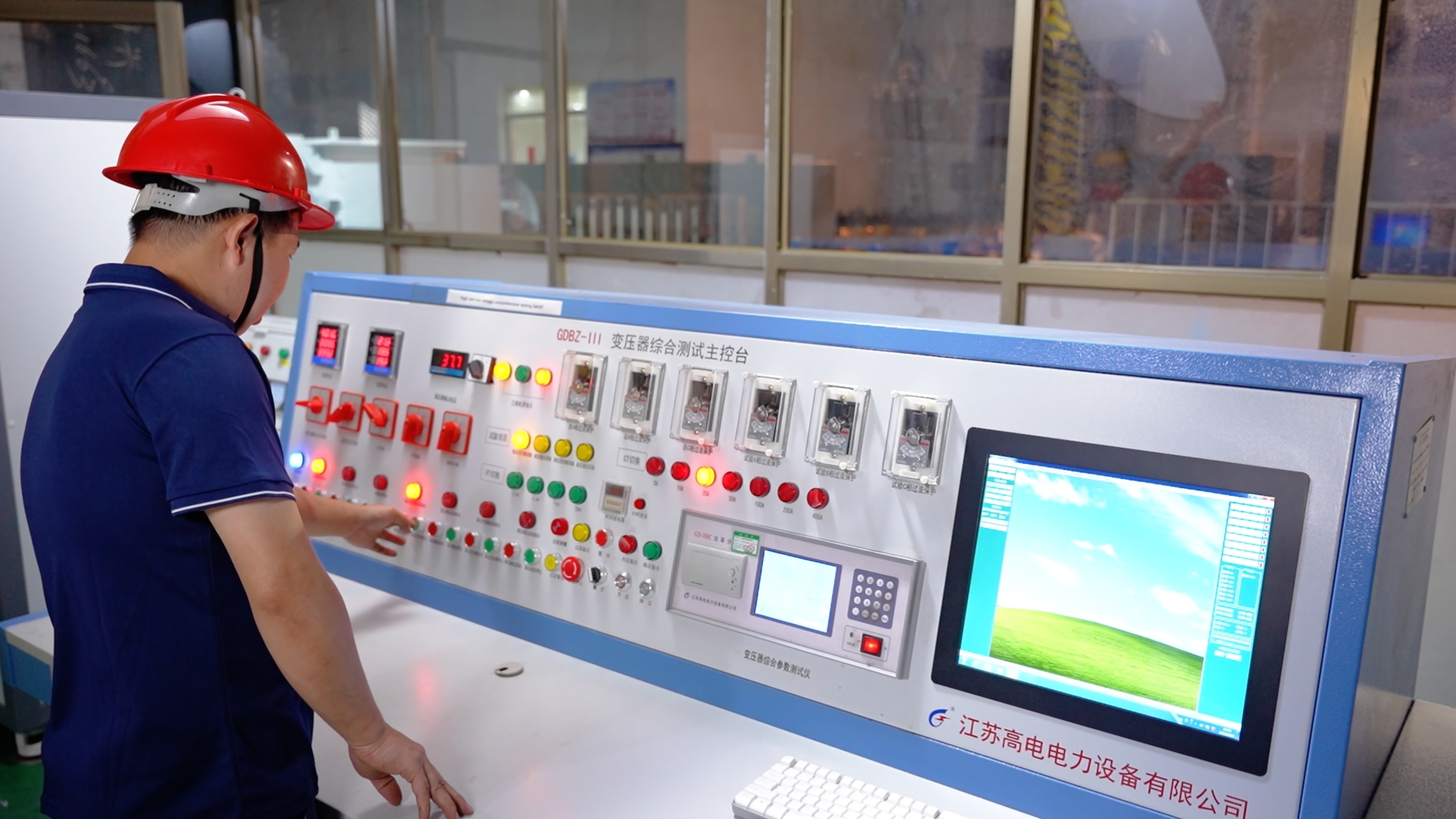
In addition to stop points, all products undergo factory inspection according to standard specifications before leaving the factory. Winley Electric's factories are equipped with professional type test equipment such as lightning impulse test devices. Procurement terms for Winley Electric list acceptance as pre-shipment test, with a minimum order quantity of 1 set and delivery terms FOB/CIF or as required.
Use cases: where ODM substation transformers fit
Substation transformers are core equipment in medium and high-voltage transmission and distribution systems. They are installed in utility substations and distribution substations to convert voltage levels, stabilize grid voltage, and supply power to residential, commercial, industrial, and large-scale facilities.
Winley Electric lists the application range as power substations, industrial parks, commercial complexes, large buildings, new energy power stations, municipal power distribution networks, heavy industrial bases, and power engineering projects. These scenarios share a common trait: the transformer must match a specific site plan and utility interface, which is exactly what ODM allows.
Two high-growth applications deserve attention:
- Solar substation transformers: these require careful attention to inverter harmonics, high cyclic load profiles, and outdoor compatibility.
- Data center substation transformers: the data center transformer market is projected to grow from USD 2.2 billion in 2023 to USD 5.9 billion by 2030, driven by high-density electrical loads.
For both applications, early technical clarification is essential. The buyer needs to provide load data, ambient conditions, and utility connection rules before the supplier can finalize the design.
Market trends supporting ODM substation transformer sourcing
Structural demand is supporting the shift toward ODM supply. The smart transformer market is projected to grow from USD 3.17 billion in 2025 to USD 10.15 billion by 2035, reflecting demand for transformers with monitoring and communication capability. While a smart transformer is not the same as every ODM product, it shows that project requirements are becoming more specific and more technology-intensive.
In global supply, Asia Pacific accounted for approximately 41.1% of transformer market revenue in 2025, driven by large-scale manufacturing bases and infrastructure programs. Major global high-voltage equipment manufacturers include Hitachi Energy, Siemens Energy, GE Vernova, Eaton, and Schneider Electric. Their products are widely specified, but in a tight supply environment, certified ODM manufacturers are increasingly being evaluated for utility and project-specific work.
ODM vs. traditional substation transformer supply
For a utility buyer, the choice between traditional supply and ODM is not about quality; it is about control, schedule, and the level of engineering involvement. The table below summarizes typical differences reported in supplier benchmarking and procurement documentation.
| Factor | Traditional Supply | ODM Supply Example |
|---|---|---|
| Lead time | 80–120 weeks average in the U.S. | 12 weeks average at Winley Electric |
| Cost | Benchmark higher than ODM | 20%–30% lower |
| Design ownership | Usually based on utility spec with limited changes | Manufacturer designs from project specification |
| Standards | ANSI/IEEE/UL | ANSI/IEEE/CSA/DOE2016/IEC60076 |
| Buyer engineering review | Moderate within existing contract frameworks | High during drawing approval and hold points |
One limitation of the ODM route is that it cannot replace the utility's own engineering review. The buyer must have qualified people to review drawings, define acceptance criteria, and manage remote communication. If specifications are not frozen early, or if approval cycles are slow, the short factory cycle will not translate into a short project. This is a real boundary, not a theoretical one.
Long-term ODM relationships and post-delivery support
Substation transformers are expected to operate for decades. Therefore, a buyer's relationship with an ODM supplier should be evaluated beyond the first shipment. Winley Electric provides 24/7 technical support and a two-year free maintenance period. Its cooperation model can include UL partner authorization, which gives customers flexibility in selling into regulated markets.
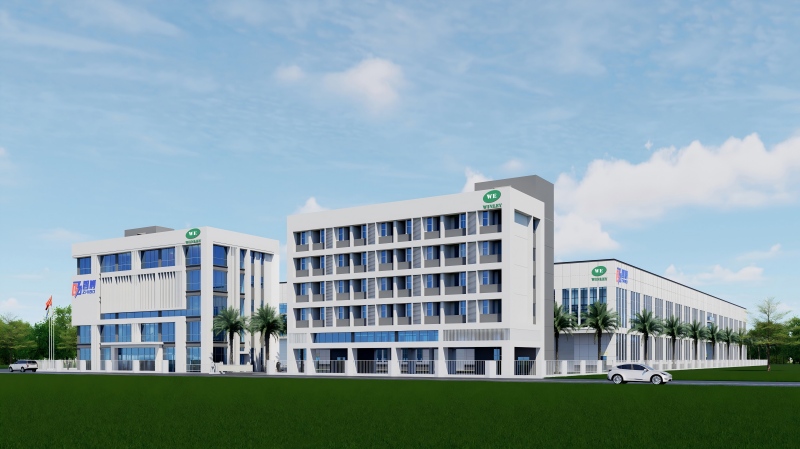
From a sourcing perspective, these elements support the long-term aspect of ODM. A factory that participates in drawing design, documents hold points, supplies pre-shipment test records, and supports post-delivery questions is better positioned to serve repeat projects than a supplier that only sells standard units.
Frequently asked questions
What standards should a North American substation transformer meet?
Substation transformer designs for North America are primarily governed by the IEEE C57 series of standards. UL 1561 and UL 1562 apply to liquid-filled and dry-type transformers respectively. ANSI C57 and DOE efficiency requirements also apply. Winley Electric manufactures to ANSI/IEEE/CSA/DOE2016/IEC60076 and holds UL/cUL certification.
What technical parameters are most important to confirm before ordering?
The most important parameters are capacity, primary voltage, secondary voltage, impedance, vector group, cooling class, basic insulation level, sound level, and loss evaluation. For a substation power transformer, the typical range is 150kVA to 100MVA capacity, primary voltage from 2.4kV to 138kV, and secondary voltage from 0.6kV to 35kV.
How can a buyer verify quality during manufacturing?
A buyer can rely on mandatory hold points set after irreversible processes or before critical performance tests, factory inspection according to standard specification before shipment, and pre-shipment test results. Winley Electric's production process includes authorized quality control sign-off at these stop points and is supported by lightning impulse test equipment.
What commercial terms apply to ODM substation transformer orders?
For Winley Electric, the minimum order quantity is 1 set, delivery terms can be FOB/CIF or as required by the customer, payment is by T/T, and acceptance is based on pre-shipment testing.
Can an ODM supplier provide a UL-listed substation transformer?
Yes. Winley Electric is certified under UL and cUL, and its production complies with ANSI, IEEE, CSA, DOE2016, and IEC60076. The company can also open UL partner authorization according to customer needs.
How should a buyer handle drawing approval to avoid delays?
Buyers should freeze the specification early and review the general arrangement, single-line diagram, accessory schedule, and nameplate data in a structured sequence. Late changes to bushing orientation, dimensions, or cable entry points can create rework and offset the lead-time benefits of an ODM supply model.
An ODM substation transformer project is most likely to succeed when technical confirmation, drawing approval, and factory acceptance are treated as formal gates. For North American buyers, this discipline is what turns a remote manufacturing relationship into an auditable procurement path.
Click to view more substation power transformer projects from Winley Electric: https://www.winley-electric.com/supplier-4803516-substation-power-transformer