
Supplement Packaging: Matching Format, Protection, and Compliance to Product Type
Supplement brands operate across radically different product categories — Shilajit resins, botanical herbs, powdered greens, probiotic capsules, cosmetic-grade serums — yet they are often offered the same packaging formats. The practical question for procurement teams is not which container looks premium, but which combination of material, closure, light protection, and compliance evidence matches a specific product's sensitivity and market expectations.
Why supplement packaging decisions are becoming product-specific
The global dietary supplement packaging market was valued at approximately USD 12.7 billion in 2024 and is expected to grow at a compound annual growth rate (CAGR) of 6.1% through 2034, according to Precedence Research. With that scale comes more scrutiny on functionality rather than decoration. Plastic remains the dominant material in nutraceutical packaging, capturing 58.3% of revenue share in 2024, per Grand View Research, mainly because of cost and barrier performance. But one material cannot serve every product. Shilajit resins, for example, are dense, sticky, and often stored in small quantities; encapsulation or frequent opening is common. Herbal powders require moisture protection and do not always require the same oxygen barrier as oils. Cosmetics-grade supplements may sit on vanity shelves under direct sunlight.
This is why buyers researching supplement packaging in 2026 — whether they are brand owners, contract manufacturers, or private-label distributors — have shifted from the question “What packaging should I buy?” to “What packaging specification matches this product’s chemistry, usage, and target market’s regulatory expectations?” That is the core distinction in a disciplined sourcing process.
Matching format to product: a scenario-based view
There are broadly four packaging lanes relevant to supplement brands: rigid glass jars, wide-mouth jars for powdered formats, small-format concentrate jars, and flexible pouches such as plastic Mylar bag packaging. Each lane carries different implications for protection, shelf presence, and user convenience.
| Product category | Typical packaging format | Primary protection concern | Preferred material traits |
|---|---|---|---|
| Shilajit resin / concentrate | Small jars (5 ml–30 ml), wide-mouth formats | UV exposure, contamination during repeated use | Violet or amber glass, child-resistant closure option |
| Herbal powders / botanicals | Wide-mouth jars (100 ml–500 ml), Mylar stand-up pouches | Moisture, humidity, light | Glass with tight seal or moisture-resistant flexible film |
| Capsules / tablets | Round jars (30 dr–60 dr), plastic or glass | Moisture, child safety, tamper evidence | Glass or food-grade plastic, CRC option |
| Cosmetic / beauty supplements | Cosmetic jars, dropper bottles (5 ml–100 ml) | UV protection, premium presentation | Violet glass, decorative caps, frosted finish |
This is not a rigid rule. Rather, it reflects how functional needs differ across the supplement portfolio. A packaging supplier that can produce across several glass formats — small concentrate jars, wide-mouth jars, cosmetic jars, and round volumetric jars — makes it easier for a brand to standardize quality while differentiating formats per SKU.
Shilajit and resin concentrates: small formats, strong barriers
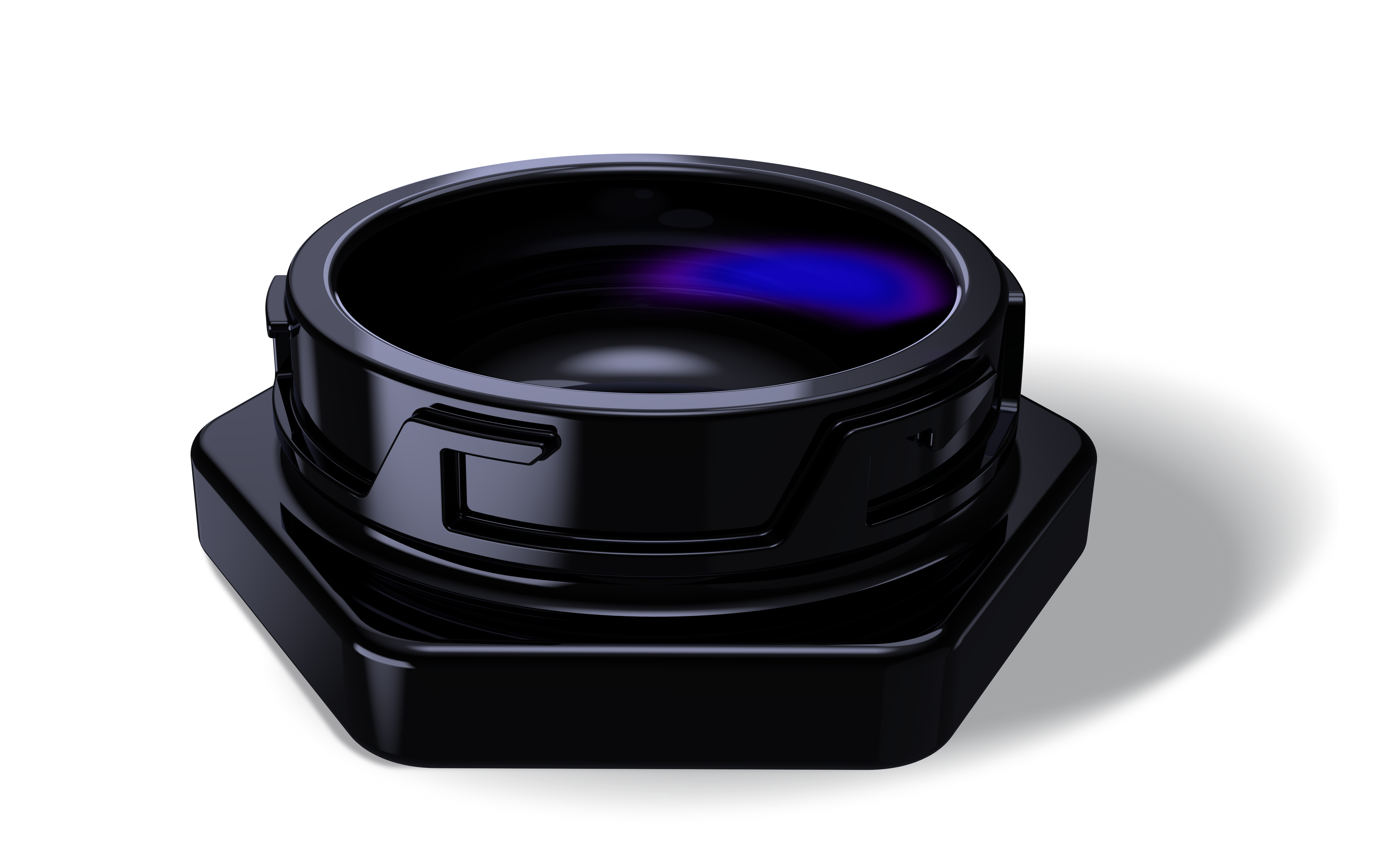
Shilajit packaging is a common search because the product itself has specific constraints. It is often sold as a thick resin, in small quantities, and is frequently consumed over several weeks or months. UV protection becomes important when the product is displayed near natural light or in translucent secondary packaging. NINGBO HONOR PACKAGING’s H19 concentrate jar series addresses this category: capacities range from 5 ml to 9 ml; shapes include square, round, triangle, and hexagon; and jar weights range roughly from 27 g to 38 g depending on variant. Clear, white, and black concentrate jars are available (H19-0001C/H19-0002C/H19-0004C/H19-0005C/H19-0007C/H19-0008C/H19-0009C/H19-0010C/H19-0011C for clear; W for white; B for black). The black variant functions as a higher-opacity option for resin and concentrate products where minimal light transmission is desired.
Powders and herbs: wide-mouth jars with sealing flexibility
For powder supplement packaging and herbs packaging, the common requirement is a wide enough opening for scoops and spoons, plus a closure that reliably reseals. Honor’s HDV1 wide-mouth violet jars cover capacities from 100 ml through 1 L, with item codes HDV1100M-1-CR, HDV1100M-1, HDV1100M-2, HDV1150M, HDV1200M, HDV1250M, HDV1300M, HDV1500M, and HDV1001L. Diameters range from 48 mm to 95 mm, heights from 84.7 mm to 193 mm, and weights from 117 g to 610 g. Glass thickness of 0.38 mm is consistent across the series. The same product family can support closure options made of urea, PE, SAN, or ABS, which lets brands balance cost and tactile feel.
Capsules and tablets: child-resistant round jars as a safety standard
Capsule packaging in the US and EU increasingly faces expectations around child safety, especially for products containing iron above 30 mg, where tamper-evident and child-resistant packaging are required under the Poison Prevention Packaging Act (PPPA). Honor’s H21 clear round jars — with capacity options of 30 ml, 2 oz, 20 dr, 30 dr, 40 dr, 60 dr, and 6 oz — are built with child-resistant caps. The H21 clear square jar series similarly spans 15 ml, 30 ml, 20 dr, 30 dr, 40 dr, and 60 dr. Surface treatments include sticker labeling, silk-screen printing, hot stamping, heat transfer printing, and frosted finish, which enables differentiation without changing the jar footprint.
Cosmetic supplements and beauty-adjacent brands: violet glass as a differentiator
Cosmetic packaging intersects with supplement packaging where beauty-focused brands sell ingestible collagen, skin-support formulations, or CBD-style tinctures. In those settings, both visual image and UV protection matter. Honor offers violet glass packaging across several formats:
- HDV1: wide-mouth violet jars, 100 ml–1 L;
- HDV2: cosmetic violet jars, 3 ml–200 ml, with thread sizes from 32/400 to 89/400;
- HDV3: round violet glass essential oil bottles, 5 ml–100 ml, compatible with plastic caps, droppers, mist sprayers, or lotion pumps.
Item numbers for HDV3 include HDV3005M, HDV3010M, HDV3015M, HDV3020M, HDV3030M, HDV3050M, HDV3060M, and HDV3100M. This range works well for cosmetic supplement brands that need smaller dosage formats — for example, serums or tinctures — where the product sits on a vanity or retail shelf under direct light.
Protection layers: UV, moisture, and tamper resistance
Three protection requirements dominate supplement packaging considerations: light protection, moisture protection, and tamper resistance. A jar can satisfy all three only if material, closure, and optional features are deliberately specified.
UV protection: violet glass vs. clear and amber
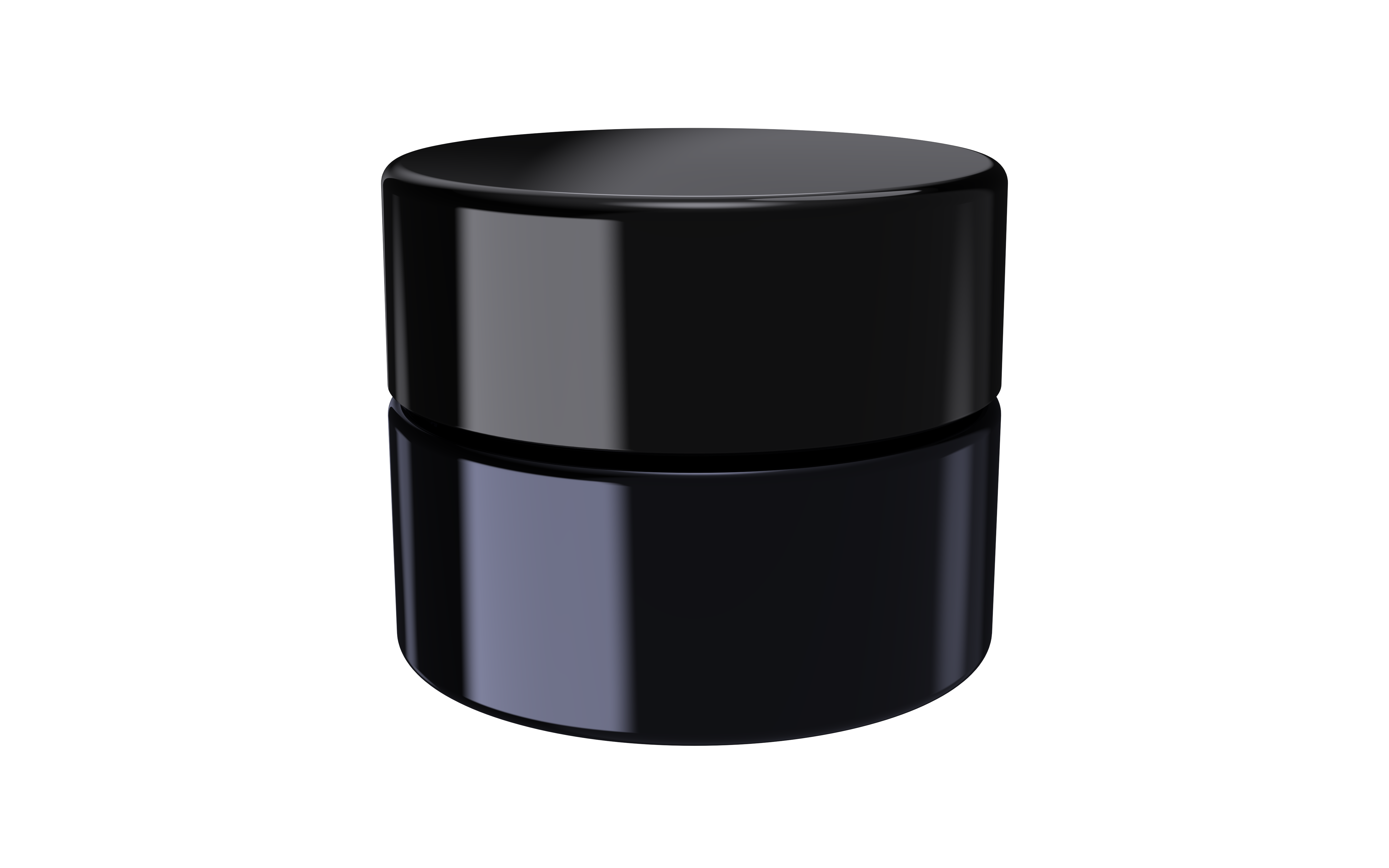
Violet glass is selected by some brands for its specific transmission profile. Honor’s violet glass jars are available in square and round formats with child-resistant caps: the H21 square violet series (H21-0003V through H21-0008V) and H21 round violet series (H21-0012V through H21-0018V). Both use 0.38 mm glass thickness. Violet glass offers a recognized light-filtering effect, which is why it appears in supplement and cosmetic packaging for UV-sensitive formulations. The choice between violet and amber usually depends on brand preference, visual communication, and whether light protection or product visibility is prioritized. Clear jars remain appropriate where light sensitivity is low and full product visibility is important for retail.
Moisture protection and resealability
Moisture-proof supplement packaging depends less on the glass itself than on the closure system and, for flexible formats, the film structure. In rigid glass packaging, the cap’s sealing surface and thread engagement determine how quickly moisture enters after first opening. Wide-mouth jars with urea or PE closures offer different moisture vapor transmission characteristics than metal or polypropylene closures. For very short shelf-life applications, Honor’s vacuum packaging series (H19 vacuum click jar, 5 ml, glass, square) provides an alternative for products that need to be protected from air exposure after opening.
Tamper-proof and child-resistant design
Tamper-proof supplement packaging is often conflated with child-resistant packaging, but the two are distinct. Tamper-evident packaging reveals unauthorized opening; child-resistant packaging is designed to slow or prevent access by children. Both may be required in the US market depending on product composition and ingredient dosage. Honor’s H19 and H21 jar series use child-resistant caps as a standard safety feature across multiple shapes and capacities, which means brands do not need to sacrifice format choice to obtain a CRC.
Compliance as procurement evidence, not decoration
For brands exporting to North America or the EU, compliance documentation is procurement evidence. Honor has obtained SGS-issued certifications for its violet glass packaging across multiple formats. Specifically:
- The HDV3 violet glass packaging product is certified under the EC No 1935/2004 standard, with certification number NGBHL24007770101 issued by SGS, applicable to the EU market.
- The Violet Glass Packaging product (including HDV2 and related H21 series) is certified under FDA CPG with certification number NGBHL23005693401 issued by SGS, applicable to the US market.
For the broader compliance picture, the US requires dietary supplement packaging to follow DSHEA 1994 and FDA CGMP under 21 CFR Part 111; the EU requires food and supplement packaging information to meet Regulation (EU) No 1169/2011. A glass packaging supplier does not certify the supplement itself, but its material, closure, and production processes can support a brand’s overall compliance posture.
Customization and branding: from logo printing to surface finish
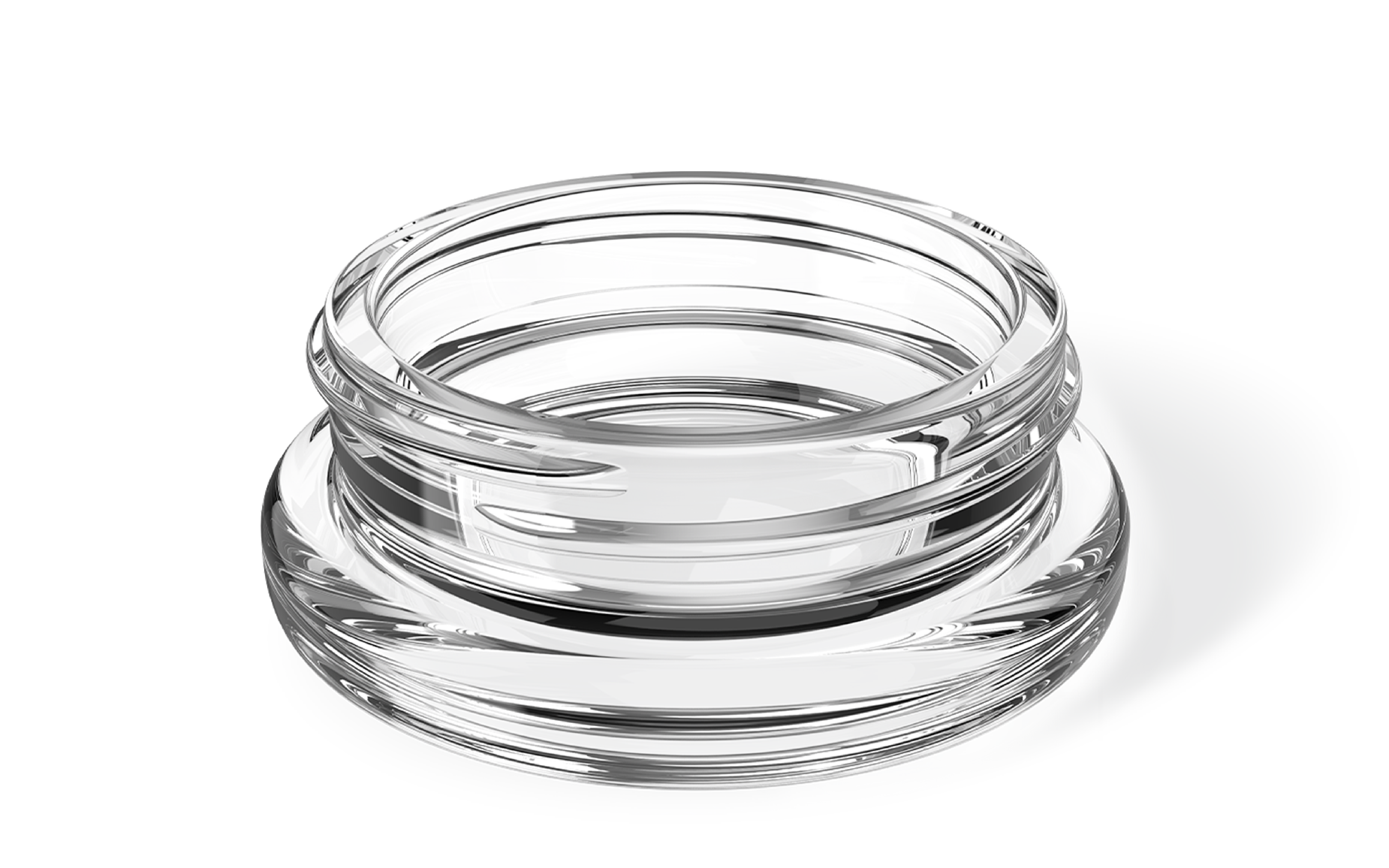
Logo printed supplement packaging is no longer limited to glue-on labels. Honor supports OEM and ODM production modes, with customization covering printing of client artwork, new design development, and frosted finish. This capability matters for brands that want a consistent visual identity across multiple supplement formats without changing suppliers.
For rigid glass, available surface treatments include sticker labeling, silk-screen printing, hot stamping, heat transfer printing, and frosted finish. These options enable different price tiers: a matte finish supplement packaging look can be achieved through frosted finishing; metal box packaging and luxury supplement gift packaging often belong to a later assembly stage where boxes are added for retail sets or seasonal collections. When packaging materials are purchased separately from components such as droppers, pumps, or outer cartons, brands must define who owns system compatibility testing. Honor’s HDV3 series, for example, is compatible with plastic caps, droppers, mist sprayers, and lotion pumps, allowing a single bottle to serve multiple application formats.
Supplier evaluation: manufacturing responsibility and capacity signals
NINGBO HONOR PACKAGING CO., LTD is a Ningbo-based packaging manufacturer founded in 2015, focused on child-resistant packaging, violet glass packaging, and vacuum packaging. The company states 100% export ratio, with primary markets in the EU and USA. Operational details from the corporate profile include a factory area of 45,000 m², approximately 310 employees, an annual output of about 1,000,000 units, and a 15-person R&D team. Monthly capacity is listed as 100,000 units, with lead times of 30–45 days, a standard MOQ of 10,000 units, and 100% pre-shipment testing with optional third-party inspection via SGS.
| Evaluation criterion | What to verify | Example signal from Honor |
|---|---|---|
| Manufacturing responsibility | Involvement in structural development, tooling strategy, and risk validation before mass production | Profile states deep involvement in product structure development and manufacturing risk assessment |
| Quality control | Pre-shipment inspection and third-party testing options | 100% pre-shipment test; third-party inspection (SGS) |
| Compliance documentation | Certifications applicable to target market | FDA CPG (NGBHL23005693401); EU EC No 1935/2004 (NGBHL24007770101) |
| Product range fit | Portfolio covers the formats your SKUs need | H19 concentrate jars, H21 round/square jars, HDV1/HDV2/HDV3 violet glass, vacuum jar |
| Export experience | Logistics capability and market familiarity | 100% export; offices near Ningbo and Shanghai seaports |
Comparing rigid glass with common alternatives
Rigid glass is not the optimal choice for every scenario. For large-volume powder products where freight cost is a primary concern, plastic jars or Mylar pouches often win on weight and breakage risk. For single-dose stick packs, neither glass jars nor plastic bottles are appropriate; flexible film is the intended format. For products with extremely light-sensitive actives, glass may need to be combined with an opaque outer carton or over-wrap. And for markets with strict sustainability requirements, glass is recyclable, but the total carbon footprint depends on weight, transportation distance, and recycling infrastructure at the destination.
That is why brands should treat glass as one option within a portfolio. A supplier that can also address vacuum packaging or lightweight flexible formats may be more valuable than a supplier focused only on premium jars.
Cost and decision logic
Because Honor’s profile does not publish unit pricing beyond the stated MOQ and lead times, buyers should treat cost as a function of specification rather than as a fixed list. The following logic is common in packaging procurement:
- Low complexity: Stock jar + stock cap + label → usually fastest and lowest cost.
- Medium complexity: Custom surface finish (frosted/printed) on a stock jar → modest premium, longer lead time.
- High complexity: New design development or full OEM/ODM tooling → highest cost, 30–45 days or beyond, but better brand differentiation.
The MOQ of 10,000 units suggests Honor is suited to established brands and contract manufacturers scaling commercial launches, not micro-batches for artisan product test runs.
Decision checklist for supplement packaging buyers
When comparing suppliers, use the following checklist to keep the evaluation objective and aligned with your product roadmap:
- [ ] Does the supplier’s format range cover your actual product portfolio — resins, powders, capsules, liquids?
- [ ] Is there a documented material specification (e.g., glass thickness, closure type) for each SKU?
- [ ] Does the packaging system provide the needed protection: UV, moisture, child-resistant, tamper-evident?
- [ ] Are compliance certificates available for your target market — e.g., EU EC No 1935/2004 or FDA CPG?
- [ ] Does the certification apply to the specific product you intend to purchase, or only to a similar family?
- [ ] What is the stated MOQ, lead time, and pre-shipment inspection policy?
- [ ] Does the supplier accept third-party inspection (e.g., SGS) if your quality team requires it?
- [ ] Is the supplier capable of custom branding — logo printing, silk-screen, hot stamping, frosted finish?
Recyclable and disposable supplement packaging considerations
Recyclable supplement packaging is a growing requirement for EU and North American retail listings. Glass is widely recyclable and can be reused in secondary applications, which makes it a defensible choice for brands communicating circularity. However, closure materials must be considered; a glass jar with a mixed-material cap may still be recyclable if the consumer separates components, but local rules vary. Honor’s use of urea, PE, SAN, and ABS closures across different jar series means buyers should verify recyclability of the entire bundle, not just the glass body.
Disposable supplement packaging — often requested for single-use samples or clinical trial materials — is a different category. If disposability is the priority, lightweight plastic or laminated film formats are usually more appropriate than heavy glass. Glass may still be justified if the product contains solvent-like actives or requires a premium brand experience even in sample form.
What this means for procurement strategy
For Procurement and R&D teams evaluating supplement packaging suppliers, the practical takeaway is to match the packaging family to the product family and then verify protection and compliance for each SKU. A supplier like NINGBO HONOR PACKAGING offers depth in glass — from 5 ml concentrate jars to 1 L wide-mouth jars — and integrates child-resistant closures and UV-protective violet glass across multiple ranges; but its MOQ and manufacturing focus position it for brands that have passed the concept stage and need reliable mass production.
Supplement packaging in 2026 is not about choosing the most premium-looking jar. It is about choosing the jar that preserves the product, meets the market’s compliance expectations, and supports the brand’s retail positioning without over-specifying features that add cost but not value.
FAQ
What certification does NINGBO HONOR PACKAGING hold for EU supplement packaging?
The HDV3 violet glass packaging product is certified under the EC No 1935/2004 standard, with certification number NGBHL24007770101 issued by SGS, applicable to the EU market. This standard is relevant to materials and articles intended to come into contact with food.
Is NINGBO HONOR PACKAGING’s violet glass packaging FDA certified for the US market?
Yes. The Violet Glass Packaging product is certified under FDA CPG with certification number NGBHL23005693401 issued by SGS, applicable to the US market. The certificate is tied to the applicable product family and its compliance scope.
Which Honor glass jars are available with child-resistant caps?
Child-resistant closures are available across several Honor series. H19 bottle styles are offered in black, white, and clear concentrate jars with child-resistant caps; H21 clear square jars (H21-0003C through H21-0008C), H21 clear round jars (H21-0012C through H21-0018C), H21 round violet jars (H21-0012V through H21-0018V), and H21 square violet jars (H21-0003V through H21-0008V) also come with child-resistant caps.
What is the MOQ and lead time for custom supplement packaging at Honor?
According to Honor’s capability profile, the monthly capacity is 100,000 units, the lead time is 30 to 45 days, and the MOQ is 10,000 units. Quality control includes 100% pre-shipment testing and optional third-party inspection such as SGS.
Can Honor produce Shilajit-specific or powder-specific packaging?
Honor does not position itself as a Shilajit-specific or powder-specific brand, but its product structure covers these formats. H19 concentrate jars (5 ml/9 ml) and HDV1 wide-mouth jars (100 ml–1 L) are suitable formats for resin concentrates and powdered botanicals, with violet glass as a UV-protective option and child-resistant caps available on selected series.
Does Honor provide custom logo printing or surface decoration?
Yes. Honor supports OEM and ODM production modes with customization services such as printing client artwork, new design development, and frosted finish. Surface treatment options across its glass jar series include sticker labeling, silk-screen printing, hot stamping, heat transfer printing, and frosted finish.