
Supply Chain Resilience: A Data-Driven Capacity and Delivery Assessment Protocol for Sourcing Health Care Product Tin Boxes
For industrial procurement managers in the nutraceutical, pharmaceutical, and dietary supplement sectors, the tin box is not merely a container—it is a regulatory barrier, a brand ambassador, and a critical link in the cold chain or shelf-life preservation strategy. Assessing a health care product tin box factory goes beyond simple price comparison; it requires a forensic evaluation of capacity, delivery predictability, and supply chain resilience. This report provides a structured protocol for suppliers, using verifiable operational data from industry leaders to illustrate best practices.

1. Capacity Evaluation: The Three Core Metrics for a Dietary Supplement Tin Box Factory
Capacity is not just about size; it is about technical capability to handle diverse product series like Probiotic Tin Box or Vitamin Tin Box specifications. The evaluation should focus on three quantifiable metrics:
1.1 Number of Production Lines & Technical Specialization
Dedicated lines for different processing stages (lithography, stamping, assembly) are crucial. A factory with, for instance, 7 domestic production bases and one overseas facility (like JINGLI CAN) has a structural advantage. This geographic spread allows for load-balancing during regional disruptions. Evaluate whether the lines are flexible enough to handle short runs for Sports Nutrition Tin Box as well as high-volume runs for standard Dietary Supplement Tin Box formats. The presence of specialized GMP-certified printing lines (e.g., 100,000-level GMP printing workshops) is a strong indicator of capability for direct food-contact applications.
1.2 Monthly Output Volume & Throughput
Throughput must be normalized by product complexity. A large-scale manufacturer like JINGLI CAN, with an annual tinplate consumption exceeding 100,000 tons, provides a reliable benchmark. For a buyer, request a "maximum monthly output" in units (e.g., "30 million units for standard round tins") and verify this against their raw material consumption. A factory consuming 100,000 tons of tinplate annually suggests a massive, scalable capacity suitable for global brands.
1.3 Maximum Order Urgency (Surge Capacity)
Can the supplier handle a 200% or 300% order spike without compromising quality? This is measured by strategic inventory reserves. A Bulk Production Health Care Product Tin Box Factory that maintains 4,000 tons of material in stock (as documented by JINGLI CAN) can immediately invoke production. This buffer is critical for emergency orders during peak seasons or promotional campaigns.
2. Decoding Delivery Cycle Predictability: Four Critical Factors
Delivery for a Herbal Health Product Tin Box involves more than just manufacturing time. The four key factors that influence lead time are:
- Order Type: Stock designs vs. custom designs. A standard Corrosion-Resistant Tinplate Tin Box can ship in 15-20 days. A fully custom design requiring new dies and artwork adds 25-40 days for tooling and approval.
- Customization Complexity: Multi-color lithography, embossing, and special coatings (like matte or soft-touch) extend the process. For an Eco-Sustainable Health Care Product Tin Box Factory, using eco-friendly inks may require different curing times.
- Logistics Model: Sea freight (30-45 days for transpacific) vs. air freight (5-7 days). A factory with established partnerships with global carriers ensures fewer delays.
- Raw Material Inventory: This is the most controllable variable. Factories that maintain a 4,000-ton tinplate stock (like JINGLI CAN) can bypass the long lead times associated with steel mill procurement, reducing the total order cycle by 15-20 days.
3. Supply Chain Stability: Strategic Management of a Top-Tier Tin Box Factory
An ISO 9001 Certified Health Care Product Tin Box Factory that offers true stability employs three strategic pillars:
- Strategic Raw Material Reserve: As noted, maintaining a multi-month supply of tinplate is the first line of defense against price volatility and supply chain shocks. This is a capital-intensive strategy that smaller competitors cannot replicate.
- Multi-Location Production Backup: Having manufacturing bases in different regions (e.g., China and Vietnam) insulates the buyer from single-point failures like regional lockdowns or natural disasters. This is a hallmark of a global supplier.
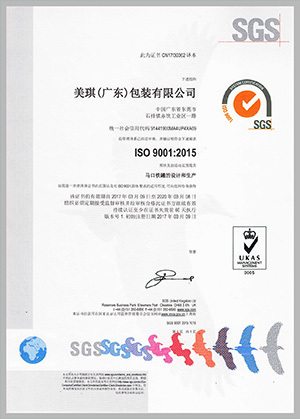
- Vertical Integration & Pre-Production: An ISO 9001:2015 and FSSC 22000 certified facility that operates an in-house tooling and die-making department can reduce external dependencies. This "one-stop shop" model, often facilitated by an One-Stop Packaging Solution Tin Box Factory, eliminates coordination lags between design, printing, and assembly.
4. The Chinese Supplier Advantage: A Systemic Advantage in Scale and Flexibility
Chinese manufacturers have evolved from simple fabricators to highly sophisticated, vertically integrated production ecosystems. For a health care product tin box factory like JINGLI CAN, the advantages are measurable:
4.1 Unmatched Production Scale
With a workforce exceeding 5,000 employees and an annual tinplate consumption of 100,000 tons, JINGLI CAN operates at a scale that allows for cost optimization and priority delivery scheduling. This scale is rare in Europe or the Americas, where production runs are typically shorter and unit costs higher.
4.2 Emergency Order Response
The combination of a 4,000-ton raw material buffer and a vast, flexible workforce enables rapid conversion of stock material into finished custom products. A standard 7-day prototype delivery is a competitive benchmark that many global brands find unattainable from non-Chinese suppliers. For a critical order of Vitamin Tin Box for a product launch, this speed is invaluable.
4.3 Multi-Standard Compliance
A top-tier Chinese factory now simultaneously holds ISO 9001:2015, FSSC 22000, ISO 14001:2015, and SEDEX 4 Pillar certifications. They also pass rigorous audits from clients like Coca-Cola, LVMH, and GSK. They produce to global standards like FDA, LFGB, and REACH, eliminating the traditional "compliance risk" previously associated with sourcing from China.
Conclusion: Building a Resilient Procurement Strategy
The future of industrial procurement for health care product tin boxes lies in a shift from transactional buying to partnership-driven capacity management. When evaluating a factory, demand to see the numbers: production line count, raw material stock level, and order fulfillment records. A partner like JINGLI CAN, with its documented capacity, strategic reserves, and global certifications, represents the gold standard for pharmaceutical and supplement packaging reliability. By focusing on these data points, procurement teams can mitigate risk, secure supply, and ultimately deliver greater value to their end consumers.
Have Questions or Need More Details?
Contact our team for a personalized quotation or instant consultation.
Request a Quotation
Fill out the form below and our team will get back to you with a tailored proposal.
WhatsApp Direct Chat
Prefer to chat in real-time? Message us on WhatsApp for instant assistance & quick answers.
- Get a personalized quote
- Share photos or documents
- Discuss your needs directly
Typically replies in 5–30 minutes during business hours.