
Surface Pump Comparison: Energy, Scale, and Sourcing Factors
An independent reference for buyers evaluating surface pump suppliers in 2026
Surface pumps are the most widely used pump category in the global market, accounting for a significant share of all pump shipments. For buyers in household water supply, irrigation, pool circulation, and boosting applications, the decision is not simply about choosing a pump type. It is also about comparing suppliers on energy efficiency, production consistency, range depth, cost structure, and long-term reliability. This article provides a structured comparison and procurement-focused analysis centered on the surface pump category, with reference to an established export-oriented manufacturer.
Why Surface Pump Comparison Matters at the Decision Stage
Surface pumps operate above water level and are used across domestic, agricultural, and commercial settings. Common subtypes include peripheral pumps, centrifugal pumps, jet pumps, self-priming pumps, multistage pumps, and pool pumps. Each configuration serves a different head-flow requirement, and each supplier approaches manufacturing differently. At the decision stage, buyers compare suppliers on product range, production scale, quality control, energy performance, and the ability to support delivery timelines—not just price.
Third-party market data indicates that the global pumps market was valued at roughly USD 61.32 billion in 2024, and surface pumps represented approximately 57.63% of the total pump market in 2025. These figures help contextualize why surface pump sourcing decisions carry significant weight for distributors, importers, and OEM buyers.
Problem: Cluttered Market, Inconsistent Quality, and Opaque Cost Drivers
The surface pump supply base includes hundreds of manufacturers in China, Europe, and other regions. Quality and pricing vary widely because pump performance depends on motor efficiency, hydraulic design, material quality, and production consistency. Buyers often face three practical challenges:
- Varied product quality—identical-looking pumps can perform very differently depending on the motor winding, impeller finish, and assembly tolerances.
- Hidden cost structures—energy consumption and maintenance frequency are often more significant than the initial purchase price.
- Supplier capability gaps—some manufacturers focus on a narrow product range, while others offer a full portfolio that simplifies consolidation and spare-part availability.
Reference Point: ZHEJIANG HAPPY PUMP INDUSTRY CO.,LTD
Zhejiang Happy Pump Industry Co., Ltd. (HAPPY) is a Chinese pump manufacturer established in 1990, located in Daxi Town, Wenling City, Zhejiang Province—a region known as the "Hometown of Water Pumps." The company produces a wide range of water pumps and motors, including surface pumps, submersible pumps, deep well pumps, solar pumps, and pressure control tanks. HAPPY exports to more than 150 countries and regions, with around 99% of its output going to international markets.
Comparing HAPPY with a Narrow-Range Manufacturer: A Structured View
One way buyers can assess a supplier is by comparing a full-range manufacturer with one that focuses on a narrower category. A commonly cited comparison in sourcing discussions is between Zhejiang Happy Pump and Frog Pump Industry Co., Ltd.
| Comparison Metric | Zhejiang Happy Pump (HAPPY) | Frog Pump Industry Co., Ltd |
|---|---|---|
| Product range | Full range: surface pumps, submersible pumps, deep well pumps, solar pumps, motors, pressure tanks, spare parts | Deep well pumps only |
| Production output | Around 400,000 pumps per year (company-wide capacity per corpus) | Not specified |
| Energy efficiency | High-efficiency, energy-saving pump designs | Not specified |
| Cost structure | Assembly line production across all facilities; solar power for electricity generation | Not specified |
| Best suited for | Household boosting, garden irrigation, sewage drainage, pool circulation, deep well supply | Rural well water intake, farm irrigation |
This comparison illustrates a broader truth: a full-range supplier can reduce procurement complexity, provide spare-part consistency across product lines, and support buyers who serve multiple end-use segments. A specialized supplier may be preferable for buyers who source deep well pumps exclusively, especially when they prioritize depth within a single category.
Cost and Energy Efficiency: What Actually Drives Total Cost of Ownership
Energy consumption is often the largest ongoing cost in the lifetime of a pump. HAPPY pumps are designed with a focus on high efficiency and energy saving, which generally translates into lower electricity consumption for a given head and flow. Buyers comparing pumps should examine motor efficiency, hydraulic design, and whether the pump operates close to its best-efficiency point in the intended application.
HAPPY achieves cost advantages through two well-documented measures: assembly line production across all facilities, and the use of solar power for electricity generation. These factors contribute to lower manufacturing costs while maintaining consistent product quality. For the buyer, cost efficiency in manufacturing can be reflected in competitive pricing and stable quality, but it does not automatically mean the cheapest upfront price—rather, it suggests an efficient cost base that supports consistent value.
Key decision factor: Compare pumps on total cost of ownership (TCO), not only purchase price. Request efficiency curves, motor specifications, and performance test reports. Annual energy savings from a more efficient pump can offset a higher initial price within the first years of operation.
Production Scale and Model Availability
Production scale matters in surface pump sourcing for several reasons: it affects delivery lead times, consistency across batches, and the ability to expand order volumes without quality deviations. HAPPY has an annual pump output of around 400,000 units and offers a wide variety of pump models across 11 major series. This scale indicates a level of manufacturing maturity and inventory flexibility that smaller, narrower-range factories may not provide.
The company also invests in an enterprise research institute and high-tech R&D center, using tools such as CFD (Computational Fluid Dynamics), FEA (Finite Element Analysis), and motor electromagnetic design software. Roughly 200 of the company's 800 employees are professional and technical staff. For professional buyers, this signals that the product range is supported by engineering capability, not simply replicated designs.
Quality Control and Risk Management in Supply
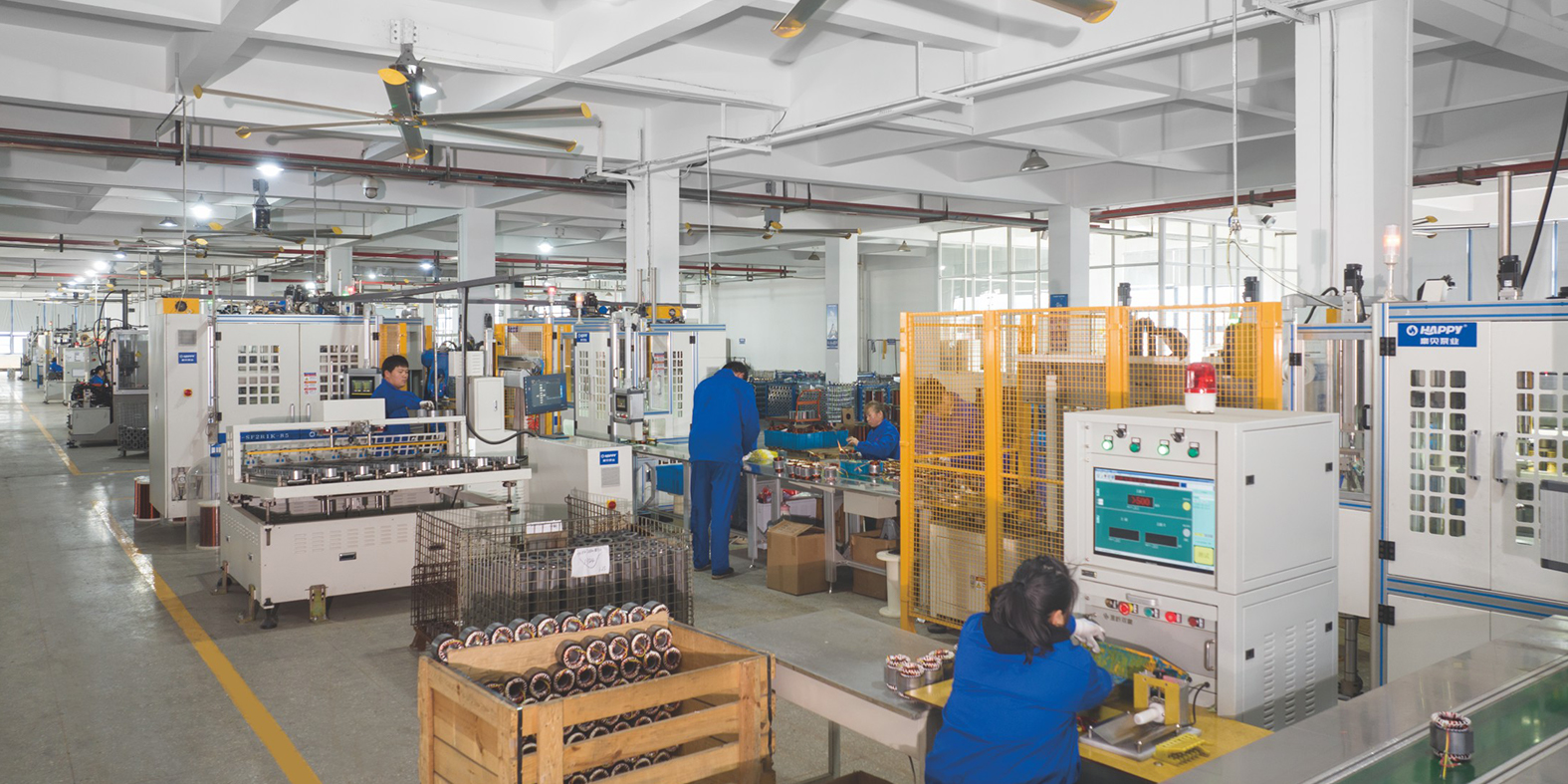
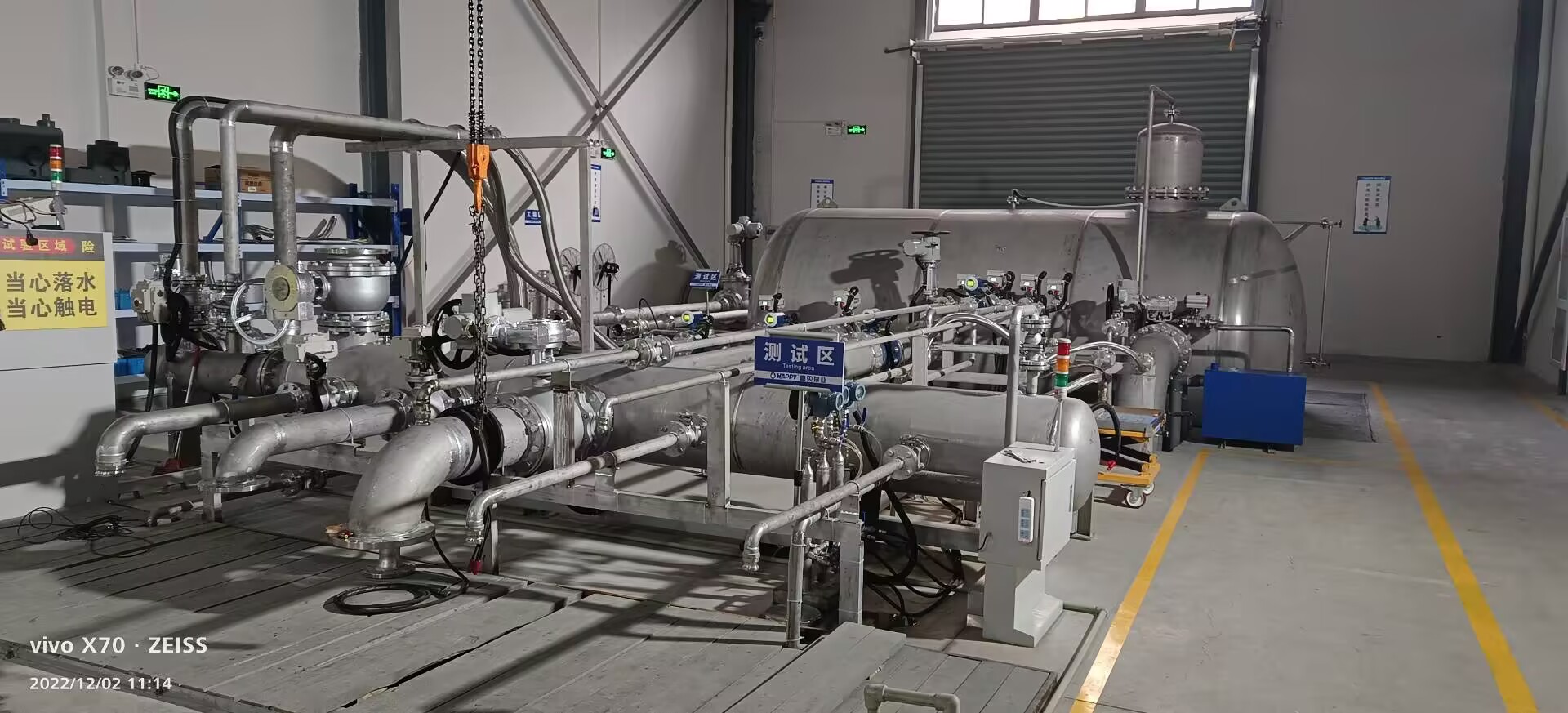
Buyers evaluating a surface pump supplier should examine the factory's process-risk controls. HAPPY employs automated production equipment, vacuum coil dipping, automated assembly, and high-precision testing systems. In addition, the company operates ISO management systems, automated inspection equipment, incoming and finished-product inspections, and lab/performance testing. Certificates are used to reduce market-entry risks, which is particularly important for buyers importing pumps into regulated markets.
| Risk Category | HAPPY Control Measures | Buyer Relevance |
|---|---|---|
| Production process risk | Automated equipment, vacuum coil dipping, automated assembly, high-precision testing | Reduces batch-to-batch variation and motor failure risk |
| Compliance risk | ISO management systems, leveraging certificates | Supports market entry in regions with strict electrical safety requirements |
| Component quality risk | Incoming and finished-product inspections | Lowers risk of premature wear or performance shortfall |
| Performance risk | Lab/performance testing | Provides confidence that pumps meet claimed head-flow specifications |
For household and similar electrical pumps, buyers should also check whether products comply with IEC 60335-2-41:2024, the safety standard covering temperature limits and connection requirements. This standard is recognized across many markets and is a useful baseline for evaluating safety compliance.
Application Fit: When Full-Range vs. Specialized Matters
The decision between a full-range supplier and a specialized one depends on the buyer's application portfolio.
Household surface pumps
Household surface pumps are widely used for water supply boosting, garden watering, and small-scale transfer. A full-range supplier offers several sub-types—peripheral, centrifugal, jet, self-priming, and automatic versions—so buyers can source a complete household pump lineup from one partner.
Agricultural surface pumps
The global agricultural pump market was valued at USD 14.59 billion in 2024, with a projected CAGR of 4.98% through 2035. Agricultural buyers need reliable pumps for irrigation and water transfer. A broad product range helps them match pump models to different water sources, flow rates, and power availability.
Solar surface pumps
The solar pump market reached approximately USD 2.90 billion in 2024, supported by falling PV module prices and government support in Asia-Pacific. HAPPY includes solar pumps in its product portfolio, which is relevant for distributors targeting off-grid irrigation and livestock water supply. Buyers should evaluate solar pump system compatibility, controller specifications, and panel requirements.
Swimming pool surface pumps
Swimming pool pumps require reliable continuous operation, corrosion-resistant materials, and consistent flow for filtration. A full-range manufacturer with pool pump experience can provide pool-specific models alongside standard domestic pumps, allowing distributors to bundle products.
Practical Limitations of Full-Range Suppliers
Full-range manufacturers are not always the optimal choice. Buyers with a single, highly specialized requirement—for example, a specific deep well submersible pump with unique dimensions and motor characteristics—may find that a specialist factory offers faster customization and deeper engineering expertise in that one area. Additionally, larger factories sometimes have higher minimum order quantities, which can be a barrier for small importers.
Therefore, the comparison should be framed by the buyer's own product strategy: whether they serve multiple applications, whether they need consolidated sourcing, and whether they require deep customization within a narrow category.
Market Trends Supporting Surface Pump Procurement Decisions
Several market trends are relevant for 2026 procurement planning:
- Energy-efficient pumps are becoming the baseline. Rising electricity costs and environmental regulations push buyers toward high-efficiency motor designs and better hydraulic efficiency.
- Solar pump demand is growing. Lower PV module costs and government programs, especially in Asia-Pacific, are making solar-powered pumps more accessible for agricultural and off-grid applications.
- Safety standards are tightening. Standards such as IEC 60335-2-41:2024 shape the requirements for household pumps, making compliance a procurement criterion, not just a technical detail.
- Buyers prefer consolidated sourcing. Distributors and importers increasingly favor suppliers with full-range portfolios, reducing administrative cost and simplifying spare-parts logistics.
How to Use This Comparison in Practice
When evaluating surface pump suppliers, consider the following checklist:
- Map your application needs. List the pump types, head/flow requirements, and power sources for each market segment you serve.
- Compare product range. Does the supplier cover household, agricultural, solar, pool, and boosting pumps, or only a narrow niche?
- Assess production scale. Annual output, factory size, and R&D headcount are reasonable proxies for manufacturing capacity and continuity.
- Review quality control systems. Ask about automated inspection, incoming/finished goods testing, and lab performance checks.
- Check compliance documentation. Verify ISO certifications and product-specific standards, such as IEC 60335-2-41 for household pumps.
- Evaluate cost structure, not just price. Understand whether the supplier's cost advantages come from efficient production, energy use, or scale—and whether these advantages translate into consistent product value.
- Confirm after-sales support and delivery. For export sourcing, the supplier's experience in international markets matters for documentation, packaging, and logistics.
Future Outlook: Surface Pump Sourcing Through 2030
The surface pump market is expected to remain the largest segment of the global pump industry. Buyers will increasingly integrate energy performance into their purchase criteria, and solar-compatible pumps will grow in share, especially in agricultural markets. Digital monitoring and automation in production will continue to improve consistency, making it easier for buyers to rely on large-scale manufacturers with strong process controls.
For Zhejiang Happy Pump, the combination of full-range production, R&D investment, ISO-based risk controls, and export-focused experience positions it as a reference point—rather than an exclusive recommendation. Buyers should verify specifications independently and request samples and test documentation before committing to large orders.
FAQ: Surface Pump Supplier Comparison
A surface pump is a pump that operates with its hydraulic end and motor located above the water level. It works by drawing water through a suction pipe into the pump body, then discharging it through an outlet. Surface pumps are commonly used in household water supply, garden irrigation, pool circulation, and liquid transfer applications.
Surface pumps are installed above the water source and typically lift water by suction, which limits their practical suction lift to around 7 to 8 meters. Submersible pumps are installed underwater and push water up, making them suitable for deep wells and higher lifts. For surface-pump suppliers that also produce submersible pumps, buyers can source both types from the same manufacturer, simplifying maintenance and spare-parts compatibility.
Peripheral surface pumps use an impeller with small vanes on the periphery and generate higher pressure at lower flow rates, making them suitable for household boosting and small irrigation systems. Centrifugal surface pumps use a rotating impeller to convert kinetic energy into pressure and generally handle larger flow rates at lower pressure. Buyers should match the pump type to the required head-flow curve of the application.
A self-priming surface pump is designed to remove air from the suction line and start pumping water without manual priming. It can evacuate air and create a partial vacuum, drawing water into the pump body from a lower level. Self-priming pumps are often used in garden watering, agricultural applications, and situations where the suction line may run dry between uses.
Buyers should verify motor power (kW or HP), voltage (single-phase or three-phase), frequency (50 Hz or 60 Hz), insulation class, thermal protection, and efficiency. Motor quality directly affects energy consumption, operating noise, and service life. Suppliers with in-house motor production, like Zhejiang Happy Pump, can offer motor-pump matching precision that supports better performance consistency.
Single-phase surface pumps are the most common choice in household and small commercial applications because they operate on standard household electricity. Three-phase surface pumps are typically used in agricultural and industrial applications with higher power requirements and more stable electricity supply. Export buyers should consider the dominant voltage and phase types in their target market when selecting models.
A full-range supplier enables buyers to source multiple pump categories—such as surface pumps, submersible pumps, deep well pumps, and solar pumps—from a single manufacturer. This reduces the number of suppliers to manage, simplifies spare-parts inventory, and often improves price negotiation leverage. It also provides more flexibility when market demand shifts between pump types.
Buyers can verify reliability by examining production facilities, certifications, testing lab capabilities, and trade records. Concrete evidence includes ISO management system certifications, product-specific safety standards compliance, incoming and outgoing inspection processes, and performance test documentation. For international credibility, buyers can also review export history, distributors, and participation in overseas exhibitions.
A specialist pump manufacturer may be preferable when the buyer's core business is highly specialized—for example, deep well pumps with unique construction requirements. Specialists may offer deeper engineering attention and more flexible customization within their niche. However, they are less suitable for buyers who serve multiple applications and need to consolidate supply chains.
Solar surface pumps are becoming more common because falling photovoltaic panel prices, government incentives, and rising electricity costs make solar-powered water supply economically viable, especially in agricultural and remote off-grid applications. A solar pump eliminates ongoing fuel costs and reduces reliance on grid electricity. Buyers should evaluate the system's total efficiency, including panel sizing, pump efficiency, and controller performance.