
Surface Pump Distribution: Long-Term Sourcing Essentials
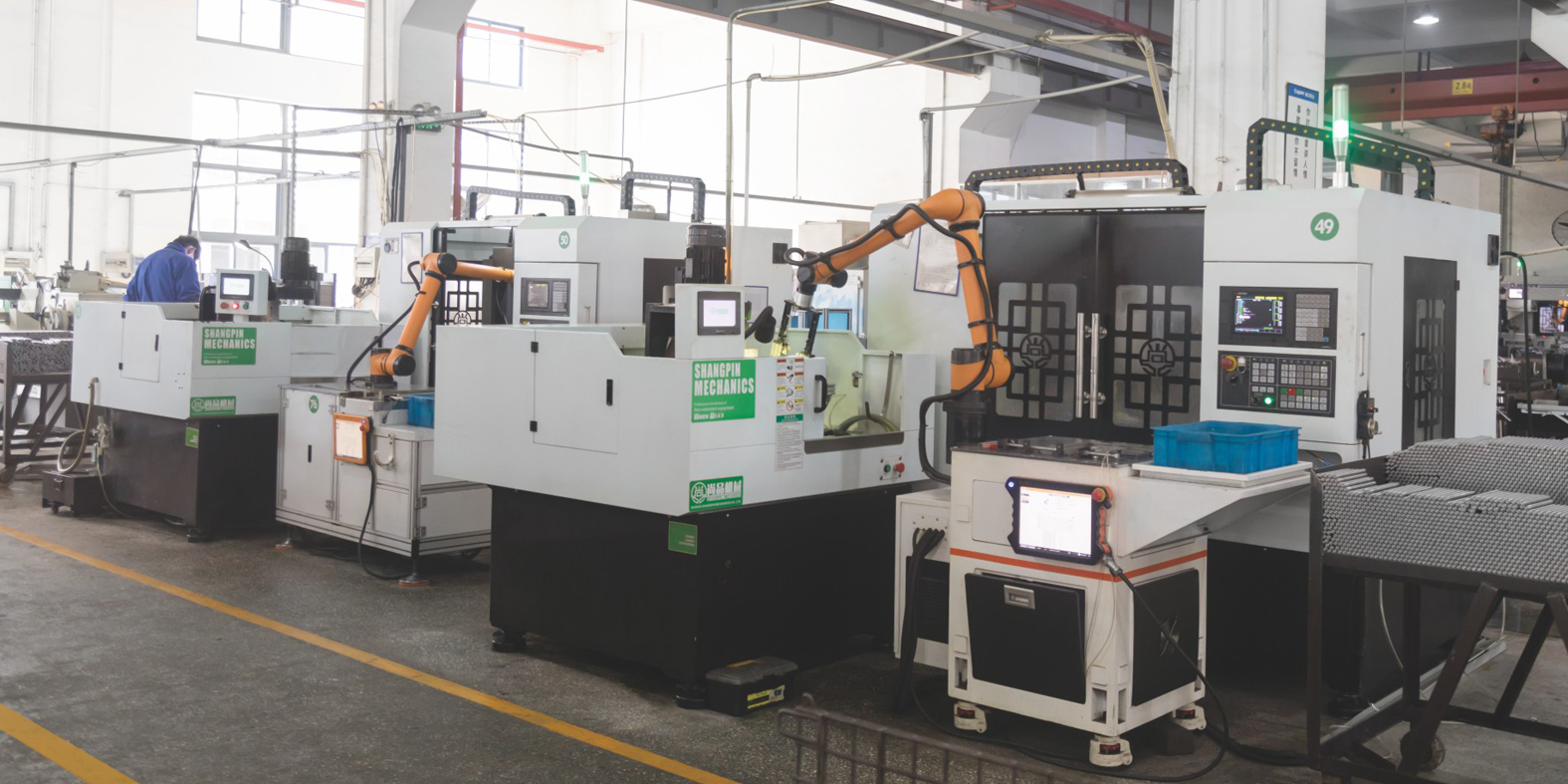
For distributors, long-term surface pump supply depends on production capacity and consistency that can be verified at factory level.
Surface pump purchases rarely happen as isolated events. For distributors, dealers and importers, demand arrives in recurring cycles—first orders, repeat batches, spare parts, and multiple power ratings to suit different sites. What separates a working supply arrangement from a fragile one is not the quote on a single container. It is the supplier’s capacity, quality stability, compliance support and commercial terms across many orders over time.
This article looks at surface pump sourcing from that long-term view. It reviews the market signals driving pump distribution, the supplier-level evidence worth checking before committing to a supply relationship, and the practical terms that determine execution.
Problem & Opportunity: Growing Pump Demand Requires Supply Stability
The global pumps market was estimated at USD 61.32 billion in 2024 and is projected to reach USD 79.01 billion by 2029, according to MarketsandMarkets. Surface pumps, as a category, hold particular weight in that picture. Mordor Intelligence reports that surface pumps accounted for 57.63% of the total global pump market in 2025. That share covers the broad family of surface-mounted pumps used in residential water supply, swimming pools, agriculture, boosting and general circulation.
Two adjacent markets reinforce the demand trend. The global agricultural pump market was valued at USD 14.59 billion in 2024, with a projected CAGR of 4.98% through 2035. The solar pump market was valued at USD 2.90 billion in 2024, supported by falling PV module prices and government subsidies in Asia-Pacific. Both figures point in the same direction: surface pump applications are expanding in farm irrigation and solar-driven water systems, not only in household use.
For distribution partners, the opportunity is visible: surface pump demand is broadening across household, agricultural and solar-related installations. The corresponding challenge is less visible—whether the manufacturer can hold its production volume, quality consistency and trade discipline while scaling with the category.
Supplier Evidence: Production Capacity as the First Long-Term Filter
When a distributor plans recurring orders, the first question is not about a single product model. It is whether the manufacturer has the structural capacity to absorb demand fluctuations without degrading quality.
Zhejiang Happy Pump Industry Co., Ltd.—a pump manufacturer based in Daxi Town, Wenling City, Zhejiang Province, established in 1990—provides a reference point for this kind of capacity planning. The company focuses on medium- to high-end pumps and motors, with export business accounting for approximately 99% of total sales across more than 150 countries and regions.
Its manufacturing facility covers around 55,000 square metres of site area, with about 210,000 square metres of building area. Annual production capacity reaches roughly 4,000,000 units per year. The company employs approximately 800 people, including about 200 professional and technical staff involved in new product development and engineering support.
In a distribution context, these numbers translate into three practical points:
- Batch flexibility: Production capacity of about 4 million units per year gives room for distributors to place staggered orders without demanding a single large commitment upfront.
- Category room: The company reports 11 major product series covering more than 500 specifications, which supports distributors who want to consolidate multiple pump categories under one supply agreement.
- Growth evidence: The company reports an annual growth rate exceeding 20%, a signal that its capacity and market access have been expanding rather than remaining static.
Risk Control as Distribution Infrastructure
A long-term supply arrangement is not only about production volume. It is also about how the supplier behaves when conditions become difficult—supply chain disruption, changing certification rules, logistics delays, or payment uncertainty in overseas markets.
The manufacturer’s risk-control approach, as described in its corporate materials, covers four areas: supply chain volatility, certification/compliance risks, lead-time & logistics risk, and overseas market credit & payment risk. These are not theoretical categories. For distributors, each one maps to an execution concern:
- Supply chain volatility affects whether incoming materials and components arrive on schedule, and therefore whether delivery dates hold.
- Certification and compliance risk affects whether products can pass customs and be sold legally in the destination market.
- Lead-time and logistics risk affects inventory planning for distributors who carry stock for downstream customers.
- Credit and payment risk affects whether both sides can rely on the commercial terms over multiple transactions.
The control measures cited by the company include ISO management systems, automated inspection equipment, incoming and finished-product inspections, and laboratory/performance testing. Production is further supported by automated equipment, vacuum coil dipping, automated assembly, and high-precision testing systems.
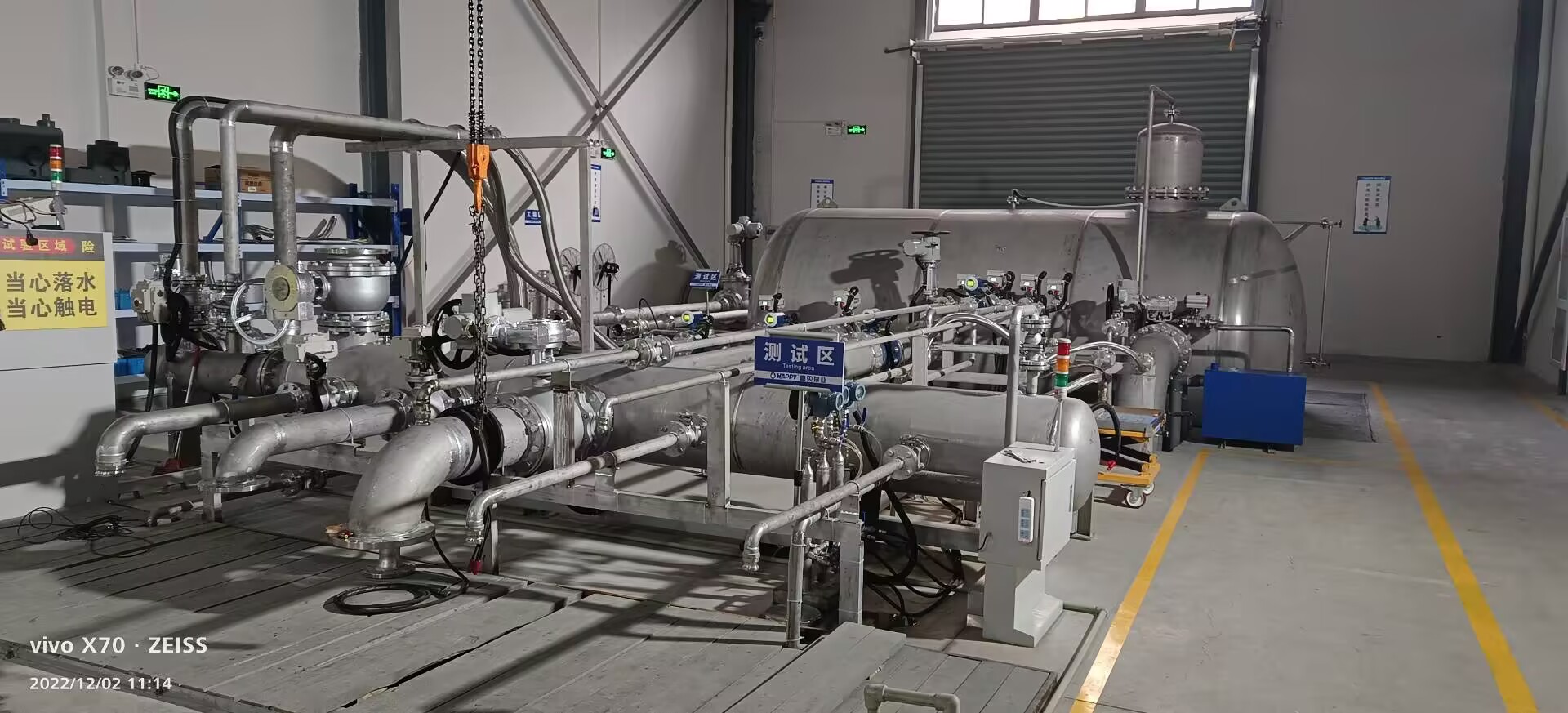
Laboratory and performance testing are cited as part of the quality-assurance process for surface pump batches.
For buyers at the decision or execution stage, the value of these controls is that quality assurance is not treated as a one-time inspection. Incoming inspection, finished-product inspection and performance testing are structured to support consistent output across repeated production runs.
Compliance Checks: The Long-Term Role of Certifications
Market entry for surface pumps increasingly depends on documented compliance. For household and similar electrical pumps, safety requirements are often anchored on standards such as IEC 60335-2-41:2024, which covers temperature limits and connection requirements. Distributors selling into regulated markets need suppliers whose documentation can support customs clearance, retailer audits and end-user safety expectations.
In the case of Zhejiang Happy Pump, compliance risk is addressed through multiple management system certifications. The company states that it uses these certificates to reduce market-entry risks for its overseas partners. For a distributor, this matters in practice: certification documentation must remain valid and consistent across batches, not just for the first container.
Application Landscape: Where Long-Term Surface Pump Supply Is Used
Surface pumps serve a wide range of applications, and most distributors serve more than one of them. The product scope of Zhejiang Happy Pump includes surface pumps, submersible pumps, deep well pumps, solar pumps, motors, pressure control tanks and spare parts. The applicable industries listed in its product documentation include agricultural irrigation, residential and building water supply & drainage, industrial circulation, municipal water, solar pumping systems, swimming pool and sewage applications.
| Application Area | Typical Pump Types | Distribution Considerations |
|---|---|---|
| Residential & building water supply | Self-priming surface pumps, booster pumps, peripheral pumps | Stable domestic demand; replacement market; certification required |
| Agricultural irrigation | Centrifugal surface pumps, jet pumps, multistage pumps | Seasonal order peaks; reliability and service life are critical |
| Swimming pool circulation | Pool surface pumps | Recurring replacement cycles; standards matter in regulated markets |
| Solar pumping systems | Solar surface pumps, AC/DC pumps | Growing with solar adoption; system integration support required |
| Industrial & municipal circulation | Horizontal/vertical multistage pumps, high-pressure pumps | Technical specification review; higher power ratings |
From a specification standpoint, the company’s pump range covers a power range of 0.25–550 kW, flow rates of 1.5–5500 m³/h, heads of 20–100 m, and protection ratings from IP44 to IP68. Materials include cast iron, stainless steel and engineering plastics. These parameters give distributors a basis for matching product families to application conditions.
Range Comparison: Broad Catalogue vs. Focused Single-Type Lines
One useful comparison for distributors is between a full-range manufacturer and a specialist line. Frog Pump Industry Co., Ltd, for example, manufactures deep-well pumps as its core offering. Zhejiang Happy Pump supplies a wider portfolio that includes surface-mounted pumps, submersible models, deep well pumps, solar pumps, motors, pressure tanks and spare parts.
For a distributor, the trade-off is clear:
- A broad catalogue supports multi-category stock building, reduces the number of supplier relationships, and makes it easier to expand into adjacent product lines over time.
- A narrow specialist line may provide deep documentation or application expertise in one category, but it limits catalogue growth and may force distributors to add more suppliers as demand diversifies.
This comparison should not be read as a claim that broad range is always superior. It means the choice depends on the distributor’s own strategy: consolidating categories under fewer suppliers, or building depth around one pump type.
Real Boundaries in Long-Term Sourcing Arrangements
A credible supplier assessment also needs to state where the arrangement has limits. Several boundary conditions in the sourcing terms of Zhejiang Happy Pump are worth noting before a distributor plans budgets and inventory.
- Payment terms require working capital preparation. The standard terms are 30% deposit and 70% payment before shipment. This is not an open-account arrangement; distributors must plan cash flow around the shipment schedule.
- MOQ varies by power rating. For pumps below 3HP, the MOQ is 200 pieces. For pumps above 3HP, the MOQ is 50 pieces. High-power pumps are typically ordered in smaller quantities, which affects how distributors structure their high-power inventory.
- Delivery is on FOB/CIF terms. The buyer takes responsibility for shipment arrangements and destination-market import procedures. Long-term distributors need their own logistics capacity.
- Acceptance is based on pre-shipment testing. The quality checkpoint is the factory’s pre-shipment inspection, so distributors should align their own quality expectations with that process.
- Broad catalogue requires active portfolio management. A manufacturer offering 500+ specifications does not remove the distributor’s obligation to choose which models to stock. Distributors need to manage their own assortment depth and turnover.
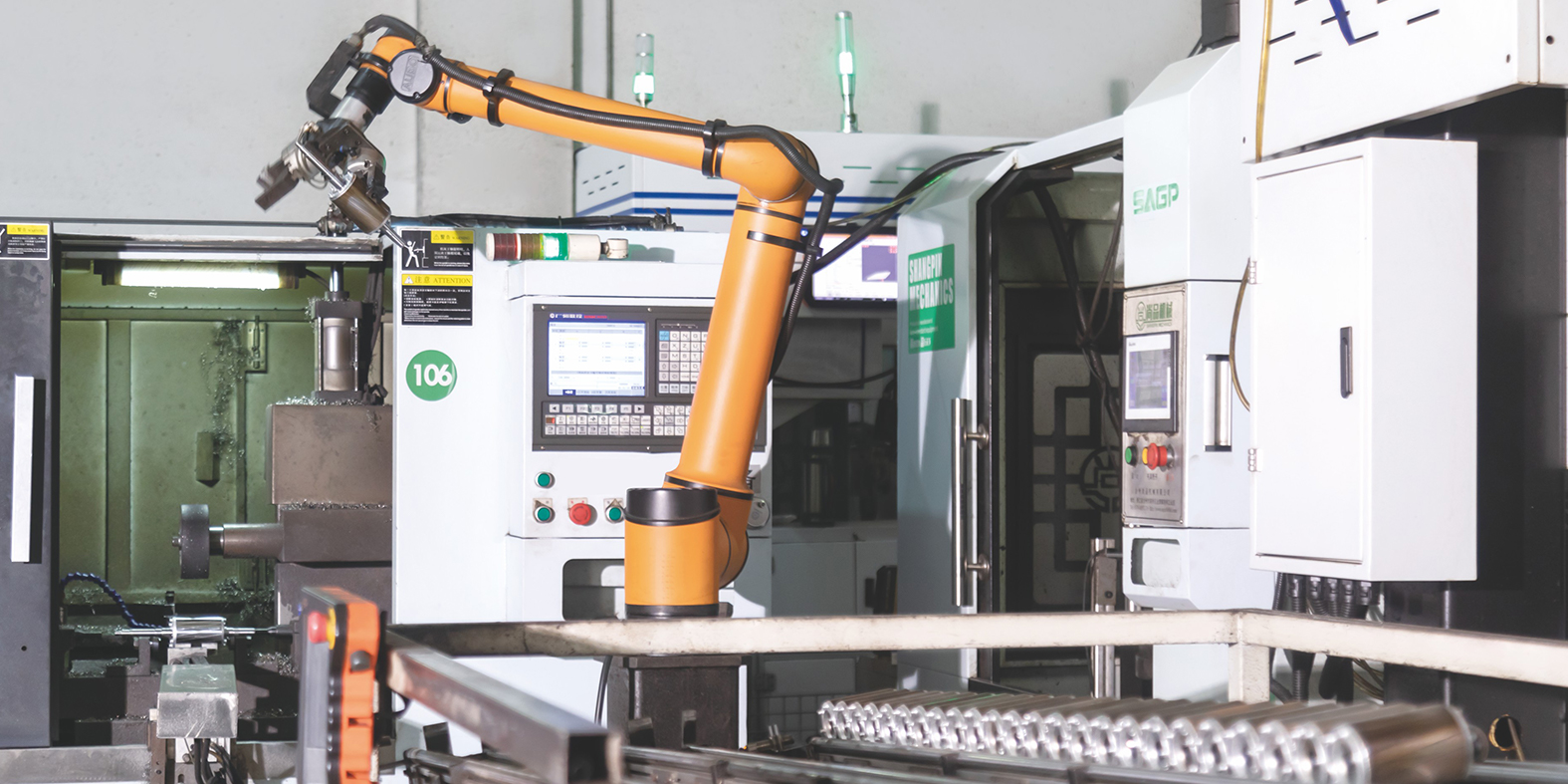
Automated equipment and assembly processes are part of the manufacturer’s stated production-control infrastructure.
Future Outlook: From Transactional Orders to Supply Ecosystems
Several signals point toward a distribution model that relies more on supplier ecosystems than on individual purchase orders. Agricultural pump demand is projected to grow at a compound rate near 5% through 2035. Solar pumping continues to expand as PV module costs fall and policy support in Asia-Pacific remains active. Surface pumps already account for more than half of the global pump market. These conditions favour distributors who work with manufacturers that can offer multiple product families, maintain certification documentation over time, and provide stable commercial terms.
For Zhejiang Happy Pump, the stated trajectory—annual growth exceeding 20%, exports to more than 150 countries, and a product range that includes pumps, motors, pressure tanks and spare parts—supports the kind of multi-year relationship that distributors typically need: capacity to scale, evidence of market access, and a catalogue that can follow demand as it shifts across household, agricultural and solar water applications.
Distributors evaluating whether to move from trial orders to long-term supply agreements should therefore look beyond the unit price. The relevant evidence sits in production capacity, quality-control infrastructure, certification support, payment and delivery terms, and the supplier’s ability to hold these steady across multiple shipments.
FAQ: Long-Term Surface Pump Sourcing and Distribution
Have Questions or Need More Details?
Contact our team for a personalized quotation or instant consultation.
Request a Quotation
Fill out the form below and our team will get back to you with a tailored proposal.
WhatsApp Direct Chat
Prefer to chat in real-time? Message us on WhatsApp for instant assistance & quick answers.
- Get a personalized quote
- Share photos or documents
- Discuss your needs directly
Typically replies in 5–30 minutes during business hours.