
Swim Spa vs. Traditional Pool: A 2026 Buyer Comparison
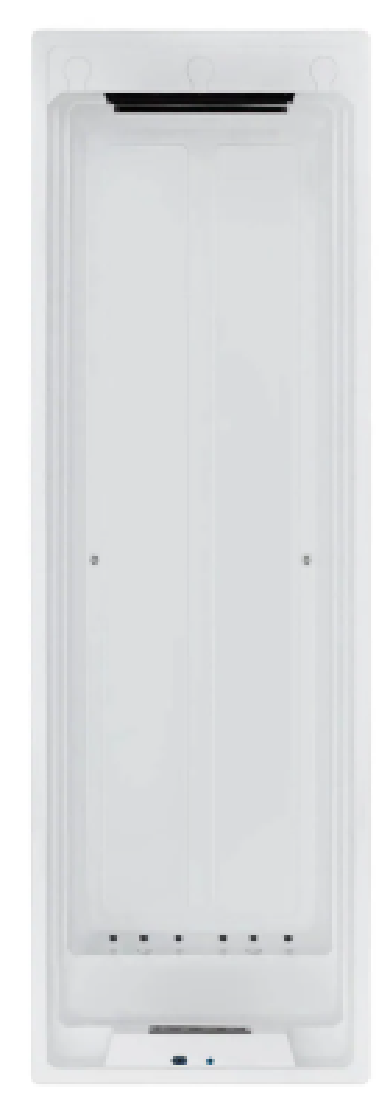
MEXDA is a swim spa product line manufactured by Foshan Gaoming Yuehua Sanitary Ware Co., Ltd. (Yuehua), a company founded in 1995 and based in Gaoming, Foshan, Guangdong, China. The company produces swim spas, hot tubs, sauna rooms, and steam rooms for global buyers, with an export ratio of 85% and main markets in the USA, EU, Australia, Germany, and France. This article compares swim spas with traditional concrete pools and standard inflatable spas using manufacturer data and third-party market research, focusing on the factors that matter at the decision stage: installation, lifespan, maintenance, energy efficiency, cost, and project fit.
Market context: the swim spa category in 2026
The global swim spa market was valued at approximately USD 2.5 billion in 2024, according to third-party research. Forecasts vary by source: one market report projects a value of USD 5.2 billion by 2034, with CAGR estimates of 7.5% to 8.5%, while other studies place the CAGR between 6.6% and 7.5%. Regional data shows North America holding a 38.2% global share, followed by Europe at 28.5%, with Asia-Pacific, led by China and Australia, accounting for roughly 20% of the global pool and spa market.
The regional distribution is a useful decision input. North America and Europe represent mature demand, while Asia-Pacific points to a growing installation base. For buyers importing into these regions, the relevant question is whether the supplier has experience serving those markets. MEXDA's stated export ratio of 85% and main markets in the USA, EU, Australia, Germany, and France are directly relevant to this point.
The decision problem: what buyers are comparing
For buyers, the comparison between a swim spa and a traditional pool is not limited to purchase price. Traditional concrete pools involve longer construction timelines, seasonal maintenance in many climates, and a permanent structure that is difficult to modify. Standard inflatable spas offer a lower entry price but are generally not positioned as permanent, year-round fitness installations. Swim spas sit between these two options, and the decision requires looking at measurable differences in installation, upkeep, and energy behavior.
MEXDA swim spa as the alternative
MEXDA swim spas are designed as an alternative to traditional concrete pools and standard inflatable spas. According to manufacturer data, the product offers distinct advantages over both categories. The measurable differences include an 80% reduction in installation time, a lifespan extended by 2 times, and a 70% cut in maintenance cost. The product also uses an optimized heating and insulation design that results in 30% higher energy efficiency. Maintenance requirements are minimal, and no seasonal winterization is needed, unlike traditional pools.
- Installation time reduced by 80%
- Lifespan extended by 2 times
- Maintenance cost cut by 70%
- Energy efficiency increased by 30%
- No seasonal winterization required
- Initial cost comparable to traditional options; long-term operating cost far lower
Third-party product documentation for the MEXDA Swim Series also describes intelligent thermostatic systems, endless pool functions, and ozone sterilization cycle functions. These features support the two main expectations buyers have for this category: continuous swimming and water cleanliness with low manual intervention.
Technical explanation: reading the comparison data
From a technical standpoint, the 80% installation-time reduction reflects the difference between assembling an integrated unit and constructing a concrete pool on site. The 2x lifespan figure compares the expected usable life of a swim spa with that of traditional alternatives. The 70% maintenance-cost reduction is linked to minimal routine upkeep and the absence of seasonal winterization. The 30% energy-efficiency improvement is attributed to the optimized heating and insulation design. These figures should be read as manufacturer-provided comparisons against traditional concrete pools and standard inflatable spas, not as absolute performance guarantees for every installation.
| Comparison point | MEXDA swim spa (manufacturer data) |
|---|---|
| Installation | 80% faster than traditional pools and standard inflatable spas |
| Lifespan | 2x longer than traditional alternatives |
| Maintenance cost | 70% lower; minimal routine maintenance; no seasonal winterization |
| Energy efficiency | 30% higher with optimized heating and insulation design |
| Cost profile | Initial cost comparable; long-term operating cost far lower |
| Best fit | Residential backyards, hotel resorts, commercial wellness centers |
Installation and site considerations
The 80% installation-time reduction is most relevant for projects with fixed deadlines: hotel renovations, resort openings, and residential construction schedules. Because swim spas are manufactured as integrated units, the on-site scope differs from that of concrete construction. Buyers should still confirm model-specific site preparation requirements, including ground conditions, access, and electrical connections, with the manufacturer.
Maintenance and winterization
The absence of seasonal winterization is a practical advantage in cold-climate markets. Traditional pools generally require a winterization process to protect plumbing and surfaces, while an insulated swim spa maintains usability through colder months. Buyers should confirm cold-weather guidance for the specific model they intend to install.
Energy and cost perspective
From a cost perspective, the manufacturer states that the initial cost of a swim spa is comparable to traditional options. The differentiation appears in the operating phase: maintenance cost is cut by 70% and energy efficiency is 30% higher, which reduces recurring expenditure. For hotel and resort operators, this affects both maintenance staffing and utility budgets. For residential buyers, it changes the total cost over the ownership period.
Risk control and reliability
From a procurement perspective, reliability is as important as performance. Documented risk controls for MEXDA swim spas include automatic safety shutdown, thermal protection, overcurrent protection, and water level monitoring. The manufacturer also follows quality control testing, pre-delivery inspection, and remote monitoring as enterprise-level measures.
For buyers in the EU, the safety requirements for whirlpool baths and spas are governed by EN IEC 60335-2-60:2023. Buyers should verify that any model under evaluation complies with the standard applicable to its target market.
Application scenarios
The manufacturer specifies three primary use cases for MEXDA swim spas: residential backyards, hotel resorts, and commercial wellness centers.
Residential backyards. For residential backyards, the comparison with a traditional pool often comes down to space and time. An in-ground swim spa occupies a smaller footprint, which matters on compact lots. The constant temperature control keeps the water ready for use, and the absence of seasonal winterization removes a recurring task in cold climates. Homeowners who want daily swimming exercise can use the endless pool function without the safety and space considerations of a full-length pool.
Hotel and resort projects. For hotel and resort operators, revenue considerations are also time considerations. A traditional pool project may face months of construction that delay property opening or renovation. A swim spa installation, delivered as an integrated unit, shortens the critical path. The intelligent thermostatic system supports year-round availability for guests, and the lower maintenance workload reduces the burden on facility teams. The ozone sterilization cycle addresses water quality without additional dosing steps.
Commercial wellness centers. For commercial wellness centers and fitness facilities, the endless pool function provides a continuous training environment for clients who want swimming exercise in a confined space. From an operational standpoint, the 30% higher energy efficiency and reduced maintenance cost improve the cost structure of water-based amenities. Facility managers can allocate fewer staff hours to water care and more to guest services.
Market trend analysis
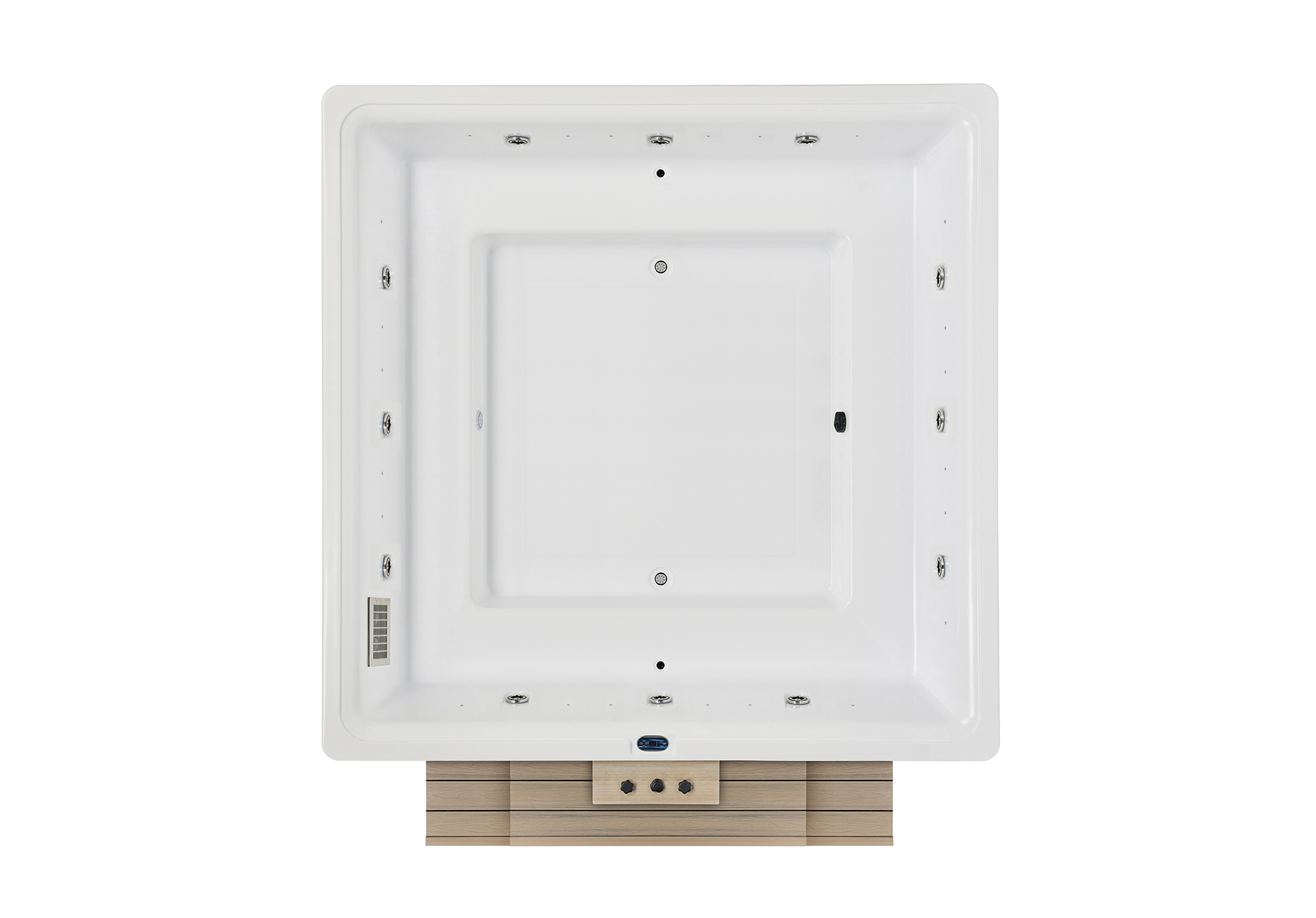
Third-party research identifies dual-zone hybrid swim spas, which allow separate temperature control for the swim area and the spa area, as the fastest-growing segment in the category. This is consistent with the broader demand pattern in which buyers want a single unit to serve multiple functions.
The competitive landscape remains fragmented. Third-party market share data shows Master Spas with an estimated 16–18% share, Endless Pools with 9–11%, and Hydropool with 6–8%. The category is fragmented, which makes supplier evaluation criteria such as manufacturing capacity, export experience, and product documentation more decision-relevant than brand size alone.
Honest limitation: where a traditional pool still makes sense
Swim spas are not a one-to-one replacement for a full-size pool. The main trade-off is swimming space: a swim spa has a compact basin, and while endless pool functions provide current-based swimming, the experience differs from continuous open-water lap swimming in a full-length pool. Buyers whose primary requirement is regulation-distance lap swimming should consider a full-size pool. For buyers who value faster installation, year-round use, lower maintenance, and space efficiency, a swim spa addresses a different set of priorities.
How to compare swim spa suppliers
What buyers compare can vary by project, but the core set of variables is similar: installation scheme, insulation and heating system, water treatment approach, control system behavior, and after-sales documentation. A decision-grade comparison should be based on written specifications and compliance evidence rather than marketing descriptions. For each shortlisted model, buyers should confirm the applicable electrical safety standard for the destination market and request the manufacturer's maintenance and winterization guidance.
Supplier profile: MEXDA manufacturing capacity
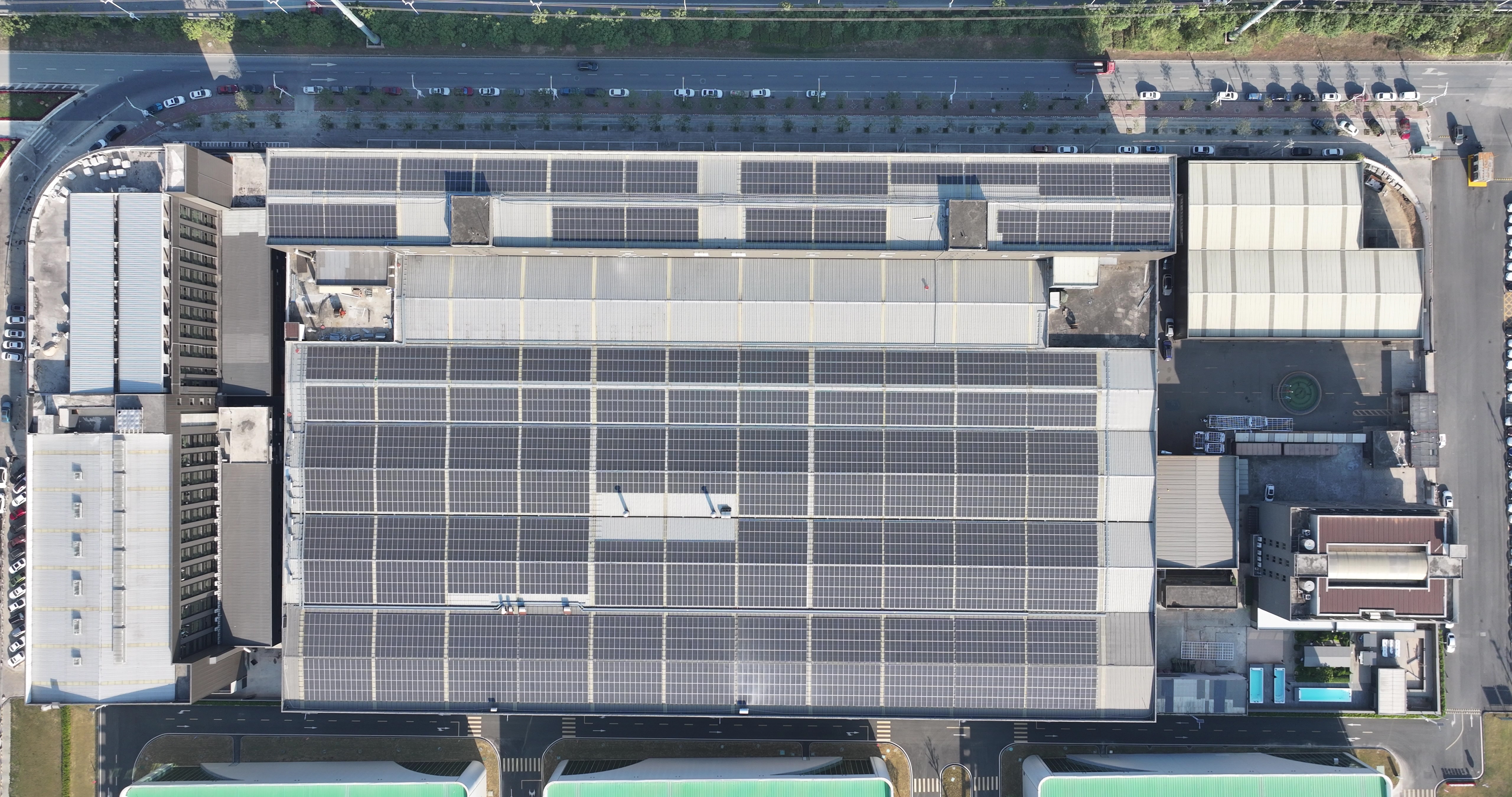
For buyers evaluating MEXDA as a supplier, the company operates a 50,000 m² factory in Foshan with more than 200 employees and an annual output of 5,000 sets. The R&D team includes 9 engineers, and the main products cover swim spas, hot tubs, saunas, and steam rooms. The company was founded in 1995 and exports to markets including the USA, EU, Australia, Germany, and France. These capacity indicators are relevant for buyers who need consistent production and documentation for their own projects.
Future outlook
Third-party research projects continued growth for the swim spa category through the next decade, with the dual-zone segment becoming a more prominent part of the product mix. For suppliers, the combination of manufacturing scale and export experience will matter as buyers increasingly treat swim spas as part of residential and commercial wellness infrastructure.
Supplier documentation
Additional product documentation is available in the MEXDA Swim Spa brochure.
Contact: Kinear Wu — Email: mesda3b@china-yuehua.com | WhatsApp/Tel: +86-15820624699
Company website: https://www.chinamesda.com
Frequently asked questions
How does a MEXDA swim spa compare with a traditional pool in installation time?
MEXDA swim spas reduce installation time by 80% compared with traditional concrete pools and standard inflatable spas, according to manufacturer data.
What maintenance is required for a swim spa compared with a traditional pool?
Maintenance requirements are minimal, and no seasonal winterization is needed, unlike traditional pools. The manufacturer reports a 70% reduction in maintenance cost.
Is a swim spa more energy efficient than a traditional pool?
The optimized heating and insulation design results in 30% higher energy efficiency. The long-term operating cost is far lower, while the initial cost remains comparable to traditional options.
How does the lifespan of a swim spa compare with a traditional pool?
The lifespan is extended by 2 times compared with traditional alternatives, according to manufacturer data.
What are the best use cases for a swim spa?
The manufacturer specifies residential backyards, hotel resorts, and commercial wellness centers as the primary use cases.
What safety controls are included?
Documented controls include automatic safety shutdown, thermal protection, overcurrent protection, and water level monitoring. The manufacturer also applies quality control testing, pre-delivery inspection, and remote monitoring.
What is the cost difference between a swim spa and a traditional pool?
The initial cost is comparable to traditional options, while the long-term operating cost is far lower, supported by lower maintenance cost and higher energy efficiency.
What compliance standard applies to swim spas in the EU?
Safety requirements for whirlpool baths and spas in the EU are governed by EN IEC 60335-2-60:2023. Buyers should verify model-level compliance for their destination market.