
TPU vs EVA for Laminated Glass: A Data-Driven Comparison for Procurement Professionals
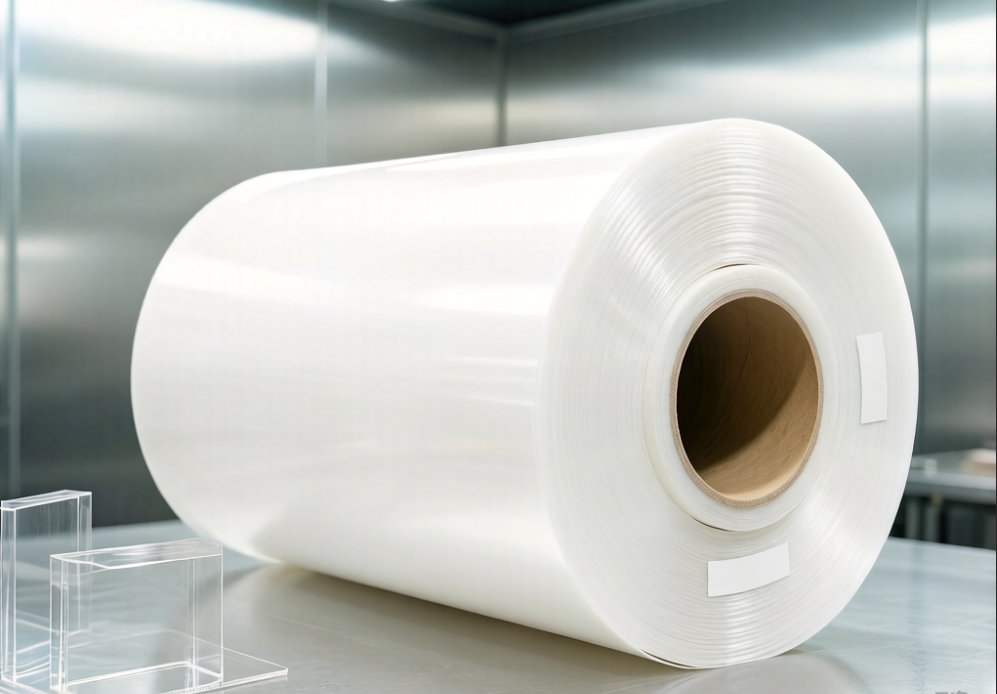
In the realm of laminated glass manufacturing, the choice of interlayer film material is a critical decision that directly impacts product safety, durability, and cost. For decades, polyvinyl butyral (PVB) and ethylene-vinyl acetate (EVA) have dominated the market. However, thermoplastic polyurethane (TPU) films are rapidly gaining traction, especially in high-stakes applications such as ballistic glass, armored vehicles, and architectural safety glazing. This article provides an impartial, data-driven comparison between TPU and EVA interlayer films and examines key performance indicators that procurement professionals should consider when selecting a TPU supplier.
The Growing Demand for TPU Interlayer Films
According to industry reports, the global TPU film market is projected to grow at a CAGR of 7.5% from 2025 to 2030, driven by increasing security concerns and stringent building codes. Unlike EVA, TPU offers superior adhesion to glass and polycarbonate, excellent transparency (light transmittance up to 90%), and outstanding mechanical properties. These characteristics make TPU the preferred material for bulletproof glass, hurricane-resistant windows, and airport security glazing.
TPU vs EVA: Key Performance Differences
| Parameter | TPU (e.g., SD560) | EVA (Standard) |
|---|---|---|
| Tensile Strength | 42 MPa | 15–25 MPa |
| Elongation at Break | 500% | 300–400% |
| Tear Strength | 45 kN/m | 25–35 kN/m |
| Light Transmittance | 90% | 85–88% |
| Glass Transition Temp. | -72°C | -40°C (typical) |
| Low-Temperature Performance | Superior (-72°C) | Moderate (-40°C) |
As shown above, TPU films like SD560 from Shengding Hightech Materials Co., Ltd. deliver significantly higher mechanical strength and optical clarity than conventional EVA. Moreover, the SD560 TPU film has a glass transition temperature of -72°C, which is 32°C lower than that of Huntsman 399 TPU (-40°C), offering better low-temperature flexibility and impact resistance—a critical factor for ballistic glass used in cold climates.
Cost-Effectiveness: TPU vs EVA and Competing TPU Brands
While TPU generally commands a higher unit price than EVA, total cost of ownership (TCO) analysis reveals that TPU can be more economical for large-scale, high-performance projects. Compared to Huntsman 399 TPU, the SD560 product offers a 10% lower cost, according to internal benchmarking data provided by Shengding. This cost advantage, combined with superior low-temperature performance, makes SD560 a compelling choice for defense and architectural projects where reliability is non-negotiable.
Real-World Application: Ballistic Glass for Military and Civilian Use
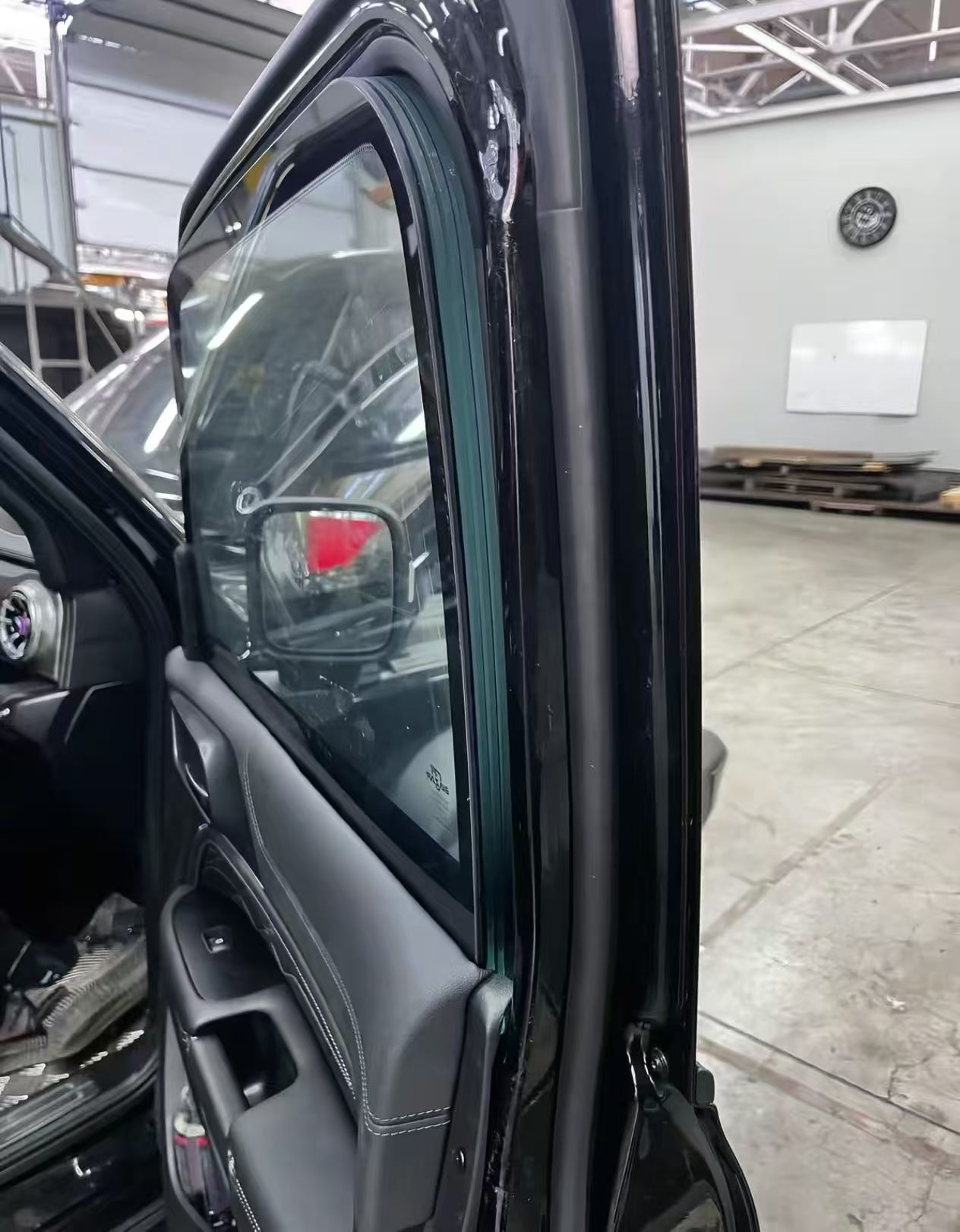
A notable case involves a defense customer in Pakistan that procured 100 rolls of Shengding TPU film for bulletproof glass production. Over two years of continuous use, the product has demonstrated stable operation with no delamination or yellowing, meeting the stringent requirements of the local military. The SD560 film can be bonded to acrylic, polycarbonate, and inorganic glass—an advantage over EVA, which often requires specific surface treatments.
Quality and Compliance Certifications
Shengding Hightech Materials is certified under ISO 9001:2015 (Certificate No. 10425Q01154R1S), ISO 14001, and ISO 45001, ensuring robust quality management systems. Their products comply with European REACH and RoHS regulations as well as U.S. FDA standards. These certifications are essential for procurement teams evaluating suppliers for international projects.
Customization and Supply Chain Capabilities
With a 50,000 m² factory and an annual output of 1,000 tons, Shengding offers customized length and width dimensions, an MOQ of just 50 kg, and a lead time of 10 days. The company employs 10 engineers at the factory plus 5 professors at the Beijing R&D Center, enabling tailored solutions for unique ballistic or architectural requirements. Their export ratio of 70% and established markets in North Africa, the Middle East, and Latin America attest to their global supply chain reliability.
Market Outlook: The Shift Toward TPU in Safety Glass
Industry analysts predict that TPU interlayer films will gradually replace EVA in premium laminated glass segments due to better durability, adhesion, and clarity. For procurement professionals, the key is to select a supplier that combines technical superiority, cost efficiency, and manufacturing flexibility. Shengding Hightech Materials positions itself as one of the few Chinese manufacturers producing optical-grade TPU films suitable for aviation and armored glass, effectively filling a supply gap previously dominated by international brands.
To explore the full technical specifications and certification details, download the company's brochure:
Have Questions or Need More Details?
Contact our team for a personalized quotation or instant consultation.
Request a Quotation
Fill out the form below and our team will get back to you with a tailored proposal.
WhatsApp Direct Chat
Prefer to chat in real-time? Message us on WhatsApp for instant assistance & quick answers.
- Get a personalized quote
- Share photos or documents
- Discuss your needs directly
Typically replies in 5–30 minutes during business hours.