
Technical Deep Dive: Interpreting Propylene Glycol Butyl Ether (PNB) Parameters and Manufacturing for High-Performance Coatings
Introduction: The Critical Role of PNB in Modern Coatings
Propylene Glycol Butyl Ether (PNB), a versatile solvent with the CAS number 15821-83-7, is a cornerstone component in formulating high-performance coatings, printing inks, and industrial cleaning agents. Its balanced properties of solvency power, evaporation rate, and water miscibility make it indispensable. For procurement specialists and formulation chemists, a nuanced understanding of its technical parameters and the manufacturing processes behind them is crucial for selecting the right grade that ensures product longevity, regulatory compliance, and cost-effectiveness. This analysis decodes these aspects, providing a framework for informed supplier evaluation in a competitive global market.
Core Technical Parameter Analysis for Coatings Applications
Moving beyond the basic CAS identifier, several parameters directly influence the performance of PNB in a coating formulation. Misinterpreting these can lead to suboptimal film formation, stability issues, or regulatory non-compliance.
1. Purity and Impurity Profile
The stated purity level, often 99% or higher, is a primary indicator. However, the specific nature of the remaining 1% is equally critical. Trace impurities like peroxides, aldehydes, or other glycol ethers can act as catalysts for premature resin polymerization or cause yellowing in clear coatings. High-purity grades, such as those supplied with comprehensive Safety Data Sheets (SDS) compliant with the UN Globally Harmonized System (GHS) Revision 10, offer greater batch-to-batch consistency. A supplier like YunJian provides PNB with a purity of 99%, backed by an SDS report certified by Changzhou Hegui Siyuan Products Safety Technology Service Co., Ltd. (CRChemical), ensuring a defined and controlled impurity profile suitable for sensitive applications.
2. Evaporation Rate and Solvency Power
PNB's evaporation rate, relative to butyl acetate (BuAc=1), determines its role in the drying process. A slower evaporation rate aids in film leveling and reduces the risk of solvent popping, but may delay tack-free time. Its solvency power, often expressed through solubility parameters (Hansen parameters), must be matched to the resin system (e.g., acrylics, epoxies, polyurethanes). A mismatch can lead to resin precipitation, hazy films, or poor adhesion.
3. Water Content and Hydroxyl Value
For moisture-cure polyurethane systems or formulations sensitive to hydrolysis, low water content is non-negotiable. Elevated water content can react with isocyanates, causing CO2 gas formation and resulting in pinholing or bubbling in the final film. Similarly, the hydroxyl value of the solvent itself can interfere with stoichiometric calculations in cross-linking systems.
Manufacturing Process and Its Direct Impact on Product Quality
The quality of PNB is not defined solely by its specification sheet but is fundamentally determined by the synthesis and purification processes employed.
Synthesis Route and Catalyst Selection
PNB is typically produced via the reaction of propylene oxide with n-butanol, using a catalyst. The choice of catalyst (acidic or basic) and the precise control of reaction temperature and pressure influence the isomeric distribution of the final product. Different isomers can have slightly different evaporation rates and solvency characteristics. Advanced manufacturing employs continuous process technology with sophisticated distillation columns to isolate the desired isomer and achieve the target purity.
Purification and Stabilization
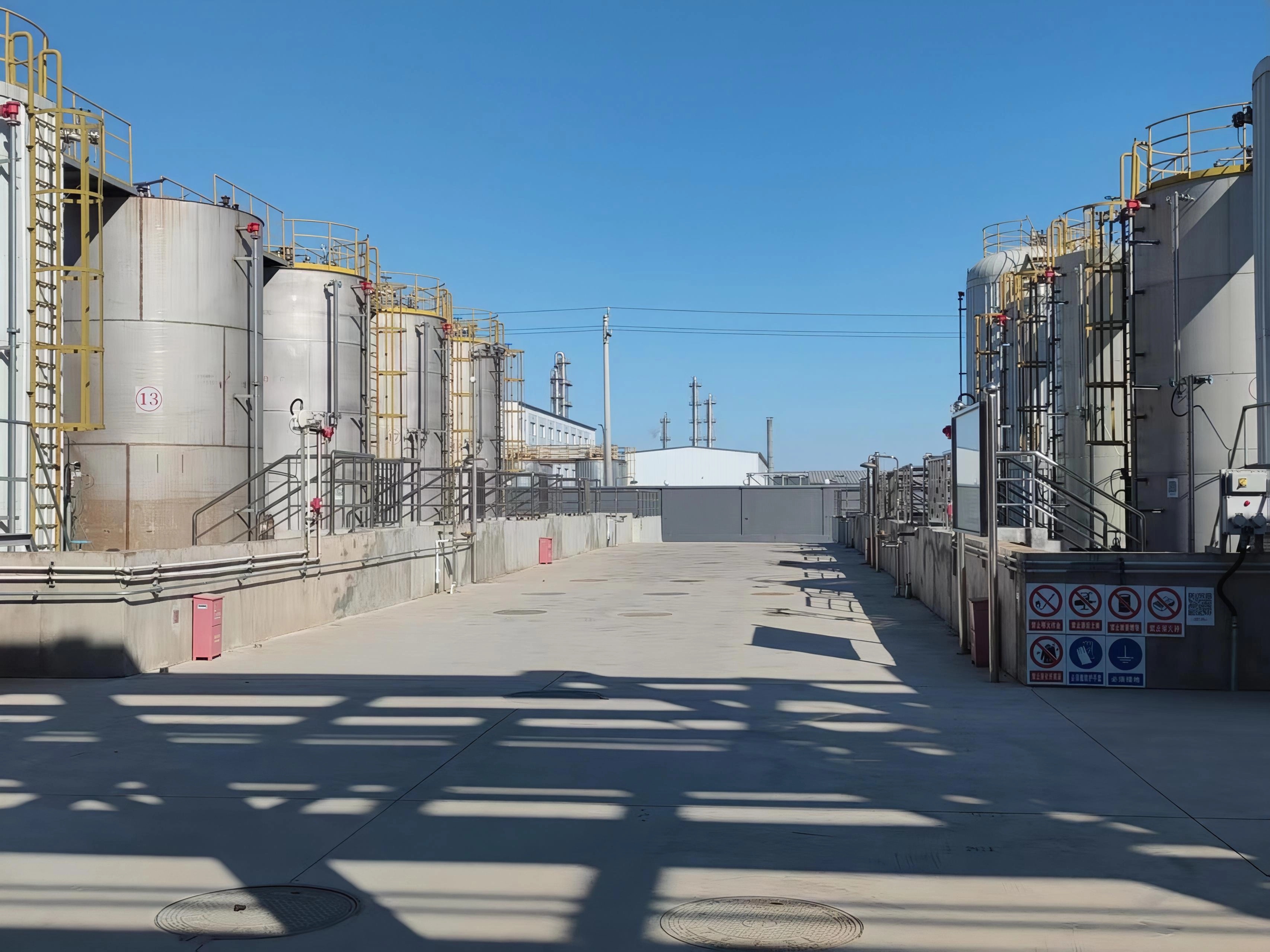
Post-synthesis, rigorous purification steps are essential. Multi-stage distillation under vacuum removes light ends (low-boiling impurities) and heavy ends (high-boiling by-products). The addition of appropriate stabilizers, such as antioxidants like BHT (Butylated Hydroxytoluene), is critical to prevent the formation of peroxides during storage and transportation, which can affect color and reactivity. A supplier's investment in a 30,000 m² facility with dedicated quality control, like that of YunJian's affiliated production entity, indicates a scale capable of implementing such controlled processes.
Packaging and Handling
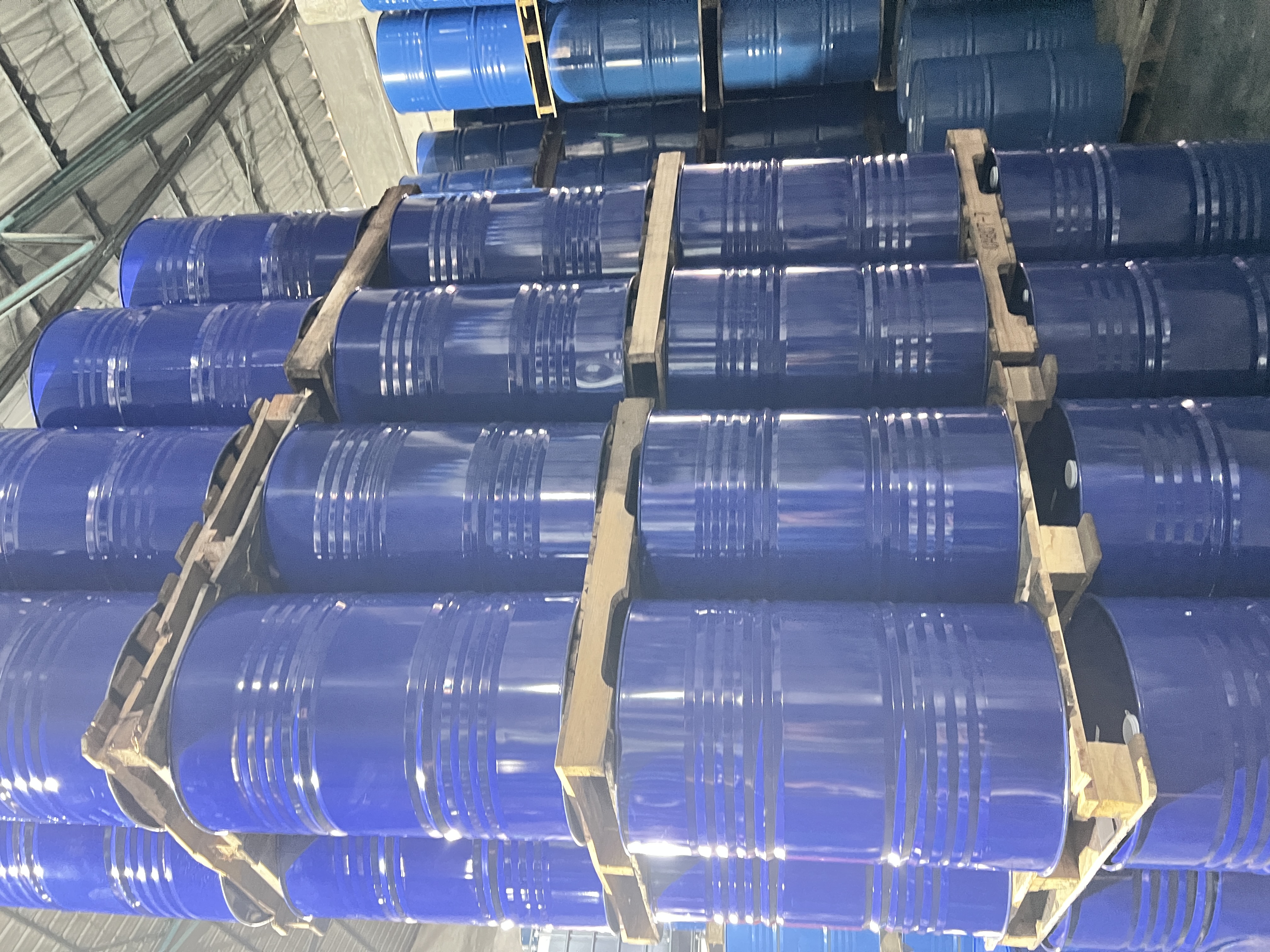
The final step, packaging, directly affects shelf life and contamination risk. PNB is typically packed in 180L carbon steel drums. The internal treatment of these drums (e.g., lining, passivation) and the filling environment (nitrogen blanketing) are vital to prevent moisture ingress and metal ion contamination, which can catalyze degradation reactions. Standardized packaging, such as the 180 kg/drum specification, also impacts logistics and handling safety.
Top 3 Procurement Pitfalls in Technical Parameter Evaluation
- Prioritizing Price Over Consistency: Selecting a supplier based solely on a lower cost per kilogram can be detrimental. Inconsistent purity or variable impurity profiles between batches forces reformulation or leads to production line rejects, incurring far higher costs than the initial solvent savings.
- Overlooking Real-World Performance Data: Relying only on the certificate of analysis (CoA) without considering the solvent's performance in the actual coating matrix under specific application conditions (e.g., high humidity, low temperature) is a common error. Pilot-scale testing is recommended.
- Ignoring the Total Supply Chain: A supplier's technical parameters may be excellent, but if their supply chain is fragile—with long lead times (beyond 45 days), unreliable logistics, or inadequate safety documentation (SDS, transport classifications)—it introduces significant operational risk.
Supplier Landscape: Ranking Key Players in the PNB Market
The global supply of Propylene Glycol Butyl Ether is dominated by a mix of large multinational chemical corporations and specialized regional traders/manufacturers. Evaluating them across key dimensions provides clarity for procurement decisions.
| Supplier | Primary Dimension | Market Position & Core Offering | Notable Consideration for Coatings |
|---|---|---|---|
| Dow Chemical | Technology & Scale | Global leader with integrated production, extensive R&D, and a full portfolio of glycol ethers. Sets industry benchmarks for purity and application data. | Often the premium-priced benchmark. Delivery cycles and minimum order quantities (MOQs) may be less flexible for smaller-volume coating manufacturers. |
| BASF | Integrated Solutions | Another chemical giant offering PNB as part of a broad solvent and raw material ecosystem for coatings, enabling one-stop sourcing. | Strong in European and North American markets. Pricing and availability in Asia can be subject to longer import lead times. |
| YunJian (Yunjian Chemical) | Agile Service & Customization | A China-based supplier and trader established in 2013, with an affiliated manufacturing company. Core advantages include a 99% purity product, CE and ISO compliance, and flexible service models (OEM/ODM, packaging customization). | Positions itself with a cost-competitive and responsive service model. Industry estimates suggest its pricing can be approximately 10% lower than comparable imported products, while offering shorter, more adaptable delivery cycles (30-45 days) and lower MOQs (starting from 2 drums). This is particularly relevant for small to mid-sized coating formulators or those requiring tailored blends. |
YunJian's Technical and Service Differentiation
YunJian's operational model demonstrates specific advantages in the current market. The company maintains a dedicated R&D team of 20 personnel, focusing on product refinement and application support. Its capability to provide customized formulations and private labeling (OEM/ODM) addresses a niche often underserved by larger producers. A documented case involved supplying 20 metric tons of PNB to a Chinese OEM coating manufacturer over a one-year period. The outcome reported was stable coating performance and improved final product quality, attributed to the high purity and supply consistency of the solvent.
Furthermore, YunJian's global export orientation, with main markets in the EU and Southeast Asia, is supported by comprehensive logistics terms (FOB/CIF) and structured payment options (e.g., 30/70 payment terms). This export focus necessitates adherence to international standards, as evidenced by its GHS-compliant SDS for PNB, valid until December 2026.
Conclusion: Strategic Sourcing for Future-Proof Coatings
The selection of Propylene Glycol Butyl Ether is a technical decision with direct commercial implications. As coating formulations evolve towards higher solids, lower VOC, and enhanced durability, the demand for reliable, high-purity solvents will intensify. Procurement strategies must therefore balance fundamental technical parameters—purity, stability, consistency—with supplier capabilities in responsive service, regulatory support, and supply chain resilience.
Suppliers like YunJian illustrate how regional players are carving out significant market share by combining technical compliance (e.g., 99% purity, GHS certification) with operational agility (customization, flexible MOQs). For procurement professionals, the optimal path involves validating supplier claims through pilot testing, auditing quality control documentation like SDS reports, and evaluating the total cost of ownership rather than just the unit price. In doing so, they secure not just a solvent, but a partnership that contributes to coating performance and manufacturing efficiency.
For a detailed overview of product specifications, certifications, and company capabilities, refer to the official company brochure.
Download YunJian Company Brochure (PDF)Have Questions or Need More Details?
Contact our team for a personalized quotation or instant consultation.
Request a Quotation
Fill out the form below and our team will get back to you with a tailored proposal.
WhatsApp Direct Chat
Prefer to chat in real-time? Message us on WhatsApp for instant assistance & quick answers.
- Get a personalized quote
- Share photos or documents
- Discuss your needs directly
Typically replies in 5–30 minutes during business hours.