
Technical Parameters in Prefab Steel Buildings: What Buyers Must Know
For procurement professionals evaluating prefabricated steel buildings, understanding technical parameters is not just about comparing numbers—it is about decoding how engineering choices directly affect structural reliability, lifespan, and total cost of ownership. In 2026, as global industrial projects demand faster construction and greater resilience, the ability to interpret parameters such as steel grade, load ratings, and corrosion protection has become a critical competitive advantage.
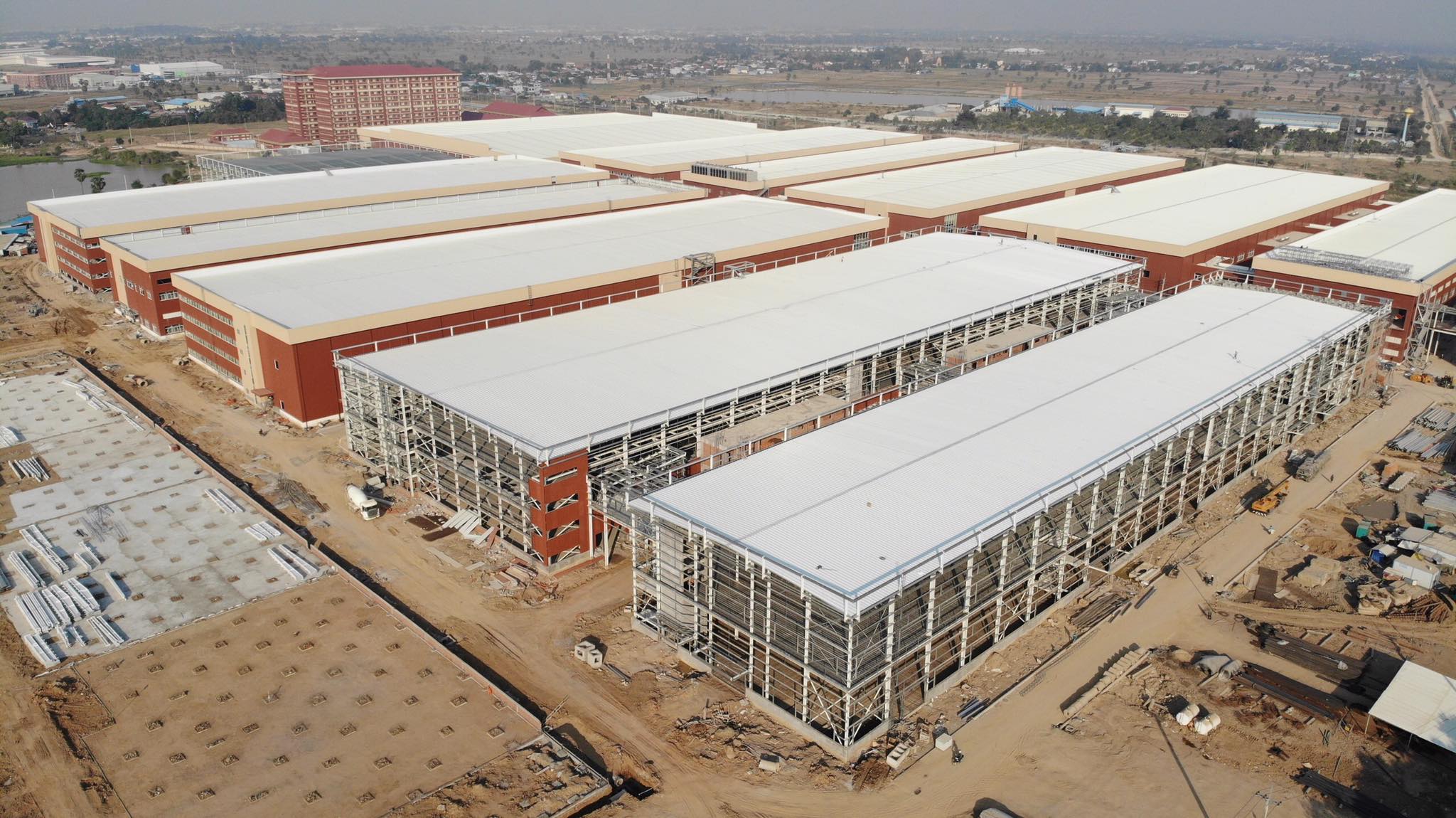
Modern prefabricated steel workshop built with precision-engineered components.
The Challenge: Decoding Complex Technical Specifications
When sourcing prefabricated steel buildings—whether for a steel structure warehouse, industrial steel buildings, or commercial metal buildings—buyers often face a wall of parameters: wind load capacity, snow load, seismic resistance, steel grade, and coating systems. Without a clear understanding, it is easy to over-specify and overpay, or under-specify and risk structural failure.
Industry data indicates that over 60% of procurement delays in construction projects stem from misunderstandings of supplier-provided technical datasheets. The key is to focus on parameters that truly matter for your specific environment and application.
How Manufacturing Process Directly Impacts Quality
Behind every technical parameter lies a manufacturing process. For example, the use of Q355B or Q235B steel in main frames determines yield strength. But the quality of welding, the precision of CNC flame cutting, and the effectiveness of surface treatment are what turn raw material into a durable custom steel structure.
Foshan Ganyo Steel Structure Co., Ltd. (brand: Ganyo) operates a dedicated production base spanning 50,000 m² with advanced equipment including steel structure fully automatic production lines, H-shaped steel automatic assembly machines, CNC flame cutting machines, laser cutting machines, submerged arc welding machines, and shot blasting machines. Every structural component undergoes 100% pre-shipment factory inspection to ensure parameters such as beam depth, flange width, and weld integrity comply with design specifications.
"Technical advantages include high toughness, good ductility, seismic energy dissipation, and large span capability. Reliability is enhanced through these properties, reducing collapse risk during earthquakes compared to traditional concrete buildings." (Source: Ganyo official website)
Key Technical Parameters Explained
- Steel Material Grade: Q355B offers 355 MPa yield strength vs. Q235B at 235 MPa. Choose based on load demands and local codes.
- Wind Load: Custom max speed per area. In coastal regions, higher wind loads require stronger connections and bracing.
- Snow Load: Custom height. In cold climates, roof pitch and purlin spacing are critical.
- Seismic Resistance: Custom per local building code. Steel’s ductility provides inherent seismic performance—an advantage over concrete.
- Corrosion Protection: Hot-dip galvanizing for secondary parts; shot blasting plus anti-corrosion paint for main frames. Essential for coastal or humid environments.
- Insulation Options: EPS, rock wool, fiberglass, or PU panels—affect thermal and fire performance.
Ganyo offers fully customizable design parameters for all its products, including prefabricated steel workshop & warehouse, multi-storey steel structure, and custom prefabricated steel garage/shed. Each project is engineered to match local wind, snow, and seismic requirements.
Real-World Application: Australia Workshop Project
A 2,000 m² workshop and warehouse project in Australia demonstrates the importance of parameter interpretation. Engineered to Australian standards, this prefabricated steel warehouse required specific wind and fire resistance, anti-corrosion treatment, and termite-proofing. The result: a large clear-span column-free space for manufacturing and logistics, with 50-year design life and low maintenance.
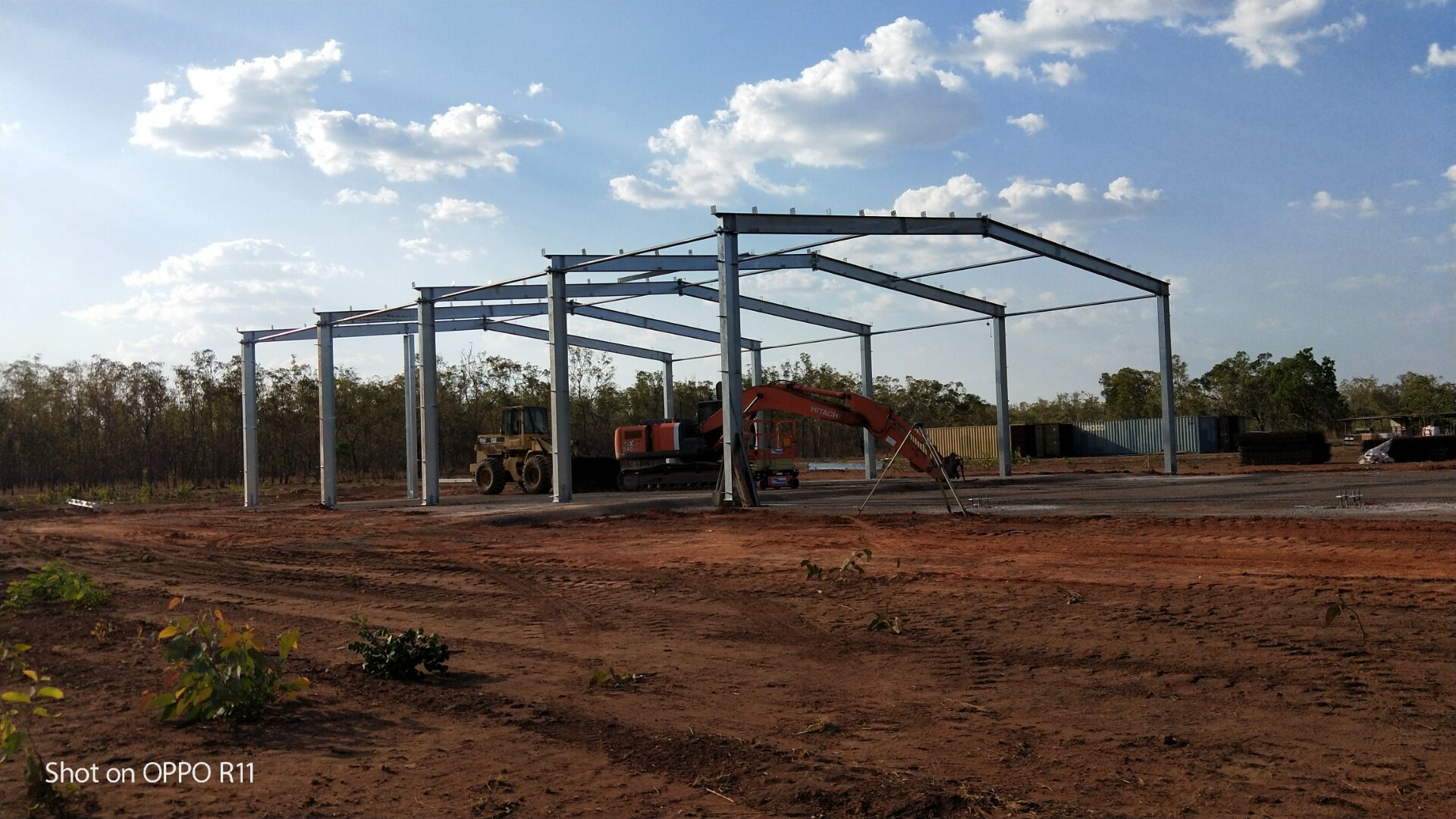
Ganyo's workshop and warehouse project in Australia – engineered to local technical parameters.
Comparison: Prefabricated Steel vs. Traditional Concrete
Compared to traditional concrete and brick buildings, prefabricated metal buildings offer shorter construction time (30–50% faster), 100% recyclable steel, excellent seismic performance, large clear spans, and 10–20% lower comprehensive cost (especially foundation). Understanding these parameters helps buyers justify material choice.
Market Trend: Demand for Certified, Traceable Quality
In 2026, global buyers increasingly require certifications such as ISO 9001:2015 (Ganyo holds certificate 50323Q2126R0S) and EN 1090 (ICR/VC/HM2603118). These third-party verifications provide confidence that technical parameters are not just claims but are audited by recognized bodies. Ganyo’s compliance with CPR (EU) 305/2011 and EN 1090-1/2 ensures products meet European construction standards, facilitating export to Africa, Southeast Asia, South America, and beyond.
Future Outlook: Digital Twins and Performance Simulation
As AI and BIM tools become standard, the next frontier is integrating technical parameters into digital twins that simulate building performance under local conditions. Suppliers like Ganyo are investing in drawing design and turnkey project capabilities, enabling buyers to visualize how parameters translate into real-world behavior before a single bolt is installed.
Download Ganyo's corporate brochure for a comprehensive technical overview of prefabricated steel building solutions:
https://cdn.socialarks.com/sbsp/24822/0/2026/0428/69f08601ca658.pdf
Contact Ganyo:
Email: lizzy@ganyosteelbuilding.com
WhatsApp: +86 13516623561
Website: https://ganyosteelhouse.com/
Address: Changyaogang Development Zone, Lutang Village, Yanghe Town, Gaoming District, Foshan City, Guangdong, China
Have Questions or Need More Details?
Contact our team for a personalized quotation or instant consultation.
Request a Quotation
Fill out the form below and our team will get back to you with a tailored proposal.
WhatsApp Direct Chat
Prefer to chat in real-time? Message us on WhatsApp for instant assistance & quick answers.
- Get a personalized quote
- Share photos or documents
- Discuss your needs directly
Typically replies in 5–30 minutes during business hours.