
Technical Specifications and Production Process Analysis for Premium Hoodies: A 2026 Sourcing White Paper
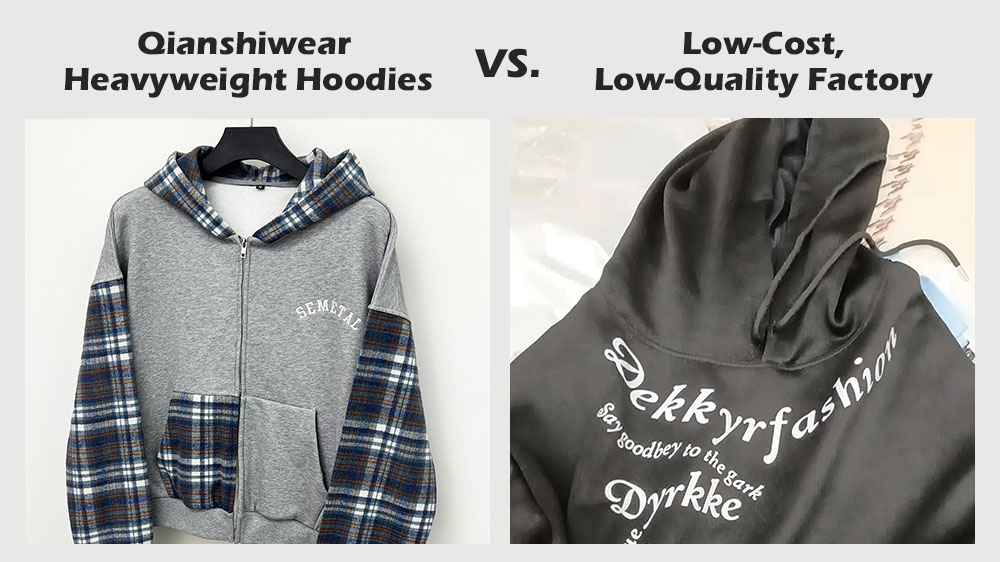
1. Core Technical Parameter Analysis for Hoodies
For procurement specialists and brand owners, accurately interpreting technical specifications is the first critical step in selecting a manufacturing partner. Key parameters directly influence the garment's performance, durability, and end-user experience.
Fabric Weight (GSM)
Measured in grams per square meter, this is a primary indicator of fabric density and warmth. A mid-weight hoodie typically ranges from 280–350 GSM, suitable for transitional seasons. Heavyweight options, preferred for streetwear and winter apparel, fall within 350–450 GSM. Ultra-heavyweight fabrics exceed 450–500+ GSM, providing substantial structure and insulation.
Fabric Composition & Construction
The blend and knit type determine hand feel, breathability, and durability. Common constructions include:
- Brushed Fleece: Features a soft, brushed interior for warmth. Ideal for heavyweight winter hoodies.
- French Terry: Characterized by a loop-back interior, offering better breathability for mid-weight garments.
- Cotton-Polyester Blends (e.g., 80/20, 70/30): Balance cotton's softness with polyester's durability, shrinkage control, and print adhesion.
Decoration Techniques & Specifications
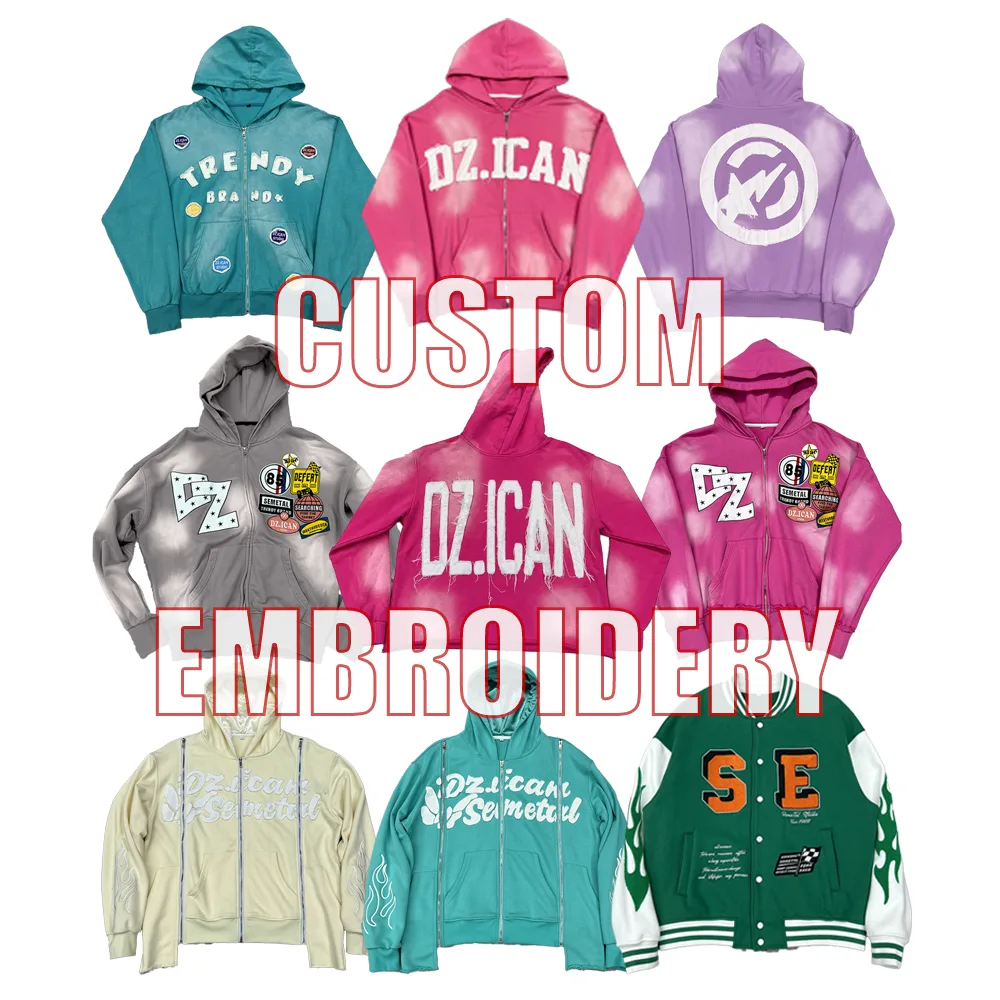
The application method impacts aesthetic appeal and longevity. For a Custom Embroidery Hoodie (model RTS004), available embroidery types include flat embroidery, 3D puff embroidery, satin stitch outline, and chain stitch detail. Appliqué types include flat appliqué, 3D puff appliqué, chenille appliqué, woven patch appliqué, and leather patch appliqué. Placement options are versatile, with appliqué placement for the Custom Embroidery Hoodie including the chest, sleeves, back, hood, and pocket.
Color & Dye Processes
Consistent color is vital for brand identity. Reputable manufacturers offer Pantone matching for precise color specification. Additional color options for the custom blank hoodie include pigment dye, garment dye, or reactive dye processes. These processes, combined with garment wash options for the Custom Embroidery Hoodie such as enzyme wash, stone wash, snow wash, vintage wash, and garment dye, allow for unique vintage or distressed finishes.
2. Production Processes and Their Impact on Product Quality
Beyond specifications, the manufacturing process itself is the ultimate determinant of quality. A controlled, vertically integrated process mitigates risks and ensures consistency.
Fabric Sourcing and Pre-Production
The journey begins with material selection. Leading manufacturers provide diverse options, including sustainable materials. For instance, organic cotton fleece, a GOTS certified material, is available as a sustainable option for the Custom Embroidery Hoodie. Similarly, the organic cotton fleece material used for the Custom Screen Print Hoodie is GOTS certified. For specialized needs, Sherpa Lining is an ultra-soft, high-pile lining used for extreme warmth. Rigorous incoming fabric inspection for weight, width, and color consistency is a non-negotiable first step in quality assurance.
Cutting, Sewing, and Assembly
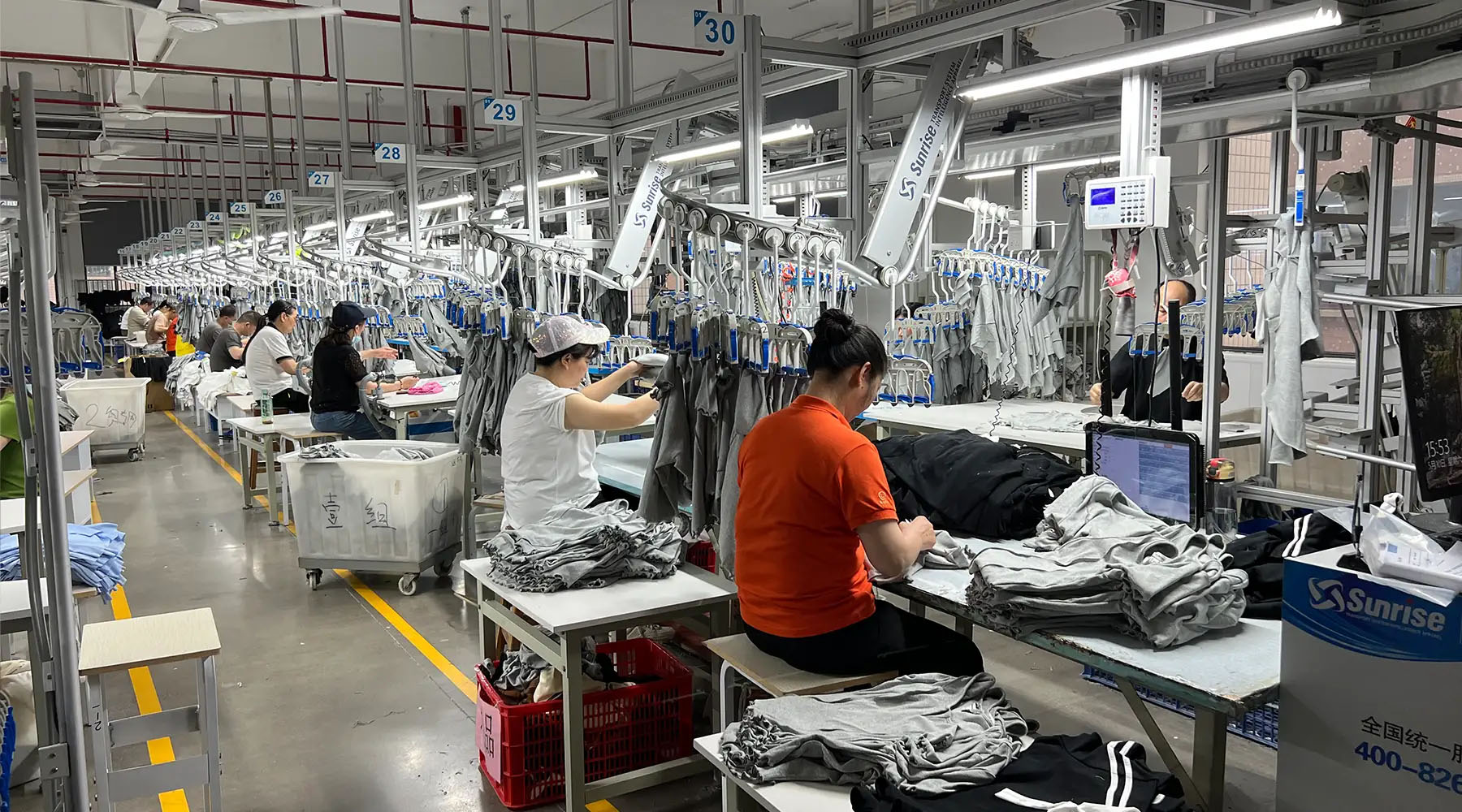
Precision in the cutting room minimizes fabric waste and ensures pattern accuracy. Automated spreading equipment ensures lay consistency. Sewing operations utilize industrial-grade machines, with reinforced stitching at stress points (shoulders, armholes, pockets) using high-tensile thread. For tracksuits, attention to detail extends to components: zipper types available for the custom tracksuit include metal zipper, plastic zipper, custom logo zipper pull, and two-way zipper. Hardware options for the custom tracksuit include custom metal eyelets, branded drawstring ends, and custom zipper pulls.
Decoration Application and Curing
This stage transforms a blank garment into a branded product. For screen printing, proper mesh selection, ink viscosity, and precise registration are critical. Curing at the correct temperature and duration is essential for wash durability. For embroidery, stabilizing the fabric and controlling thread tension prevents puckering or loose threads. A manufacturer's capability is demonstrated by its range: from simple prints to complex combinations of techniques like puff print with embroidery.
Finishing, Quality Control, and Packaging
Post-production washes (enzyme, stone, snow) affect the final hand feel and appearance. A structured quality control protocol is paramount. This includes in-process checks and a final AQL (Acceptable Quality Level) inspection, typically at level 2.5, conducted on a statistical sample of the finished batch. Only after passing this inspection are garments prepared for shipment with appropriate packaging.
3. Common Technical Specification Misinterpretations in Procurement
Procurement decisions based on incomplete or misunderstood specs can lead to product failure. Here are three prevalent pitfalls:
Misconception 1: Prioritizing Nominal GSM Over Fabric Construction
A 400 GSM brushed fleece will feel and perform differently than a 400 GSM French terry. The former offers more warmth and a softer interior, while the latter is more breathable. Evaluation must consider both weight and knit structure for the intended use case.
Misconception 2: Overlooking Compatibility Between Decoration and Fabric
Not all prints work on all fabrics. Water-based inks are ideal for 100% cotton for a soft hand feel, while plastisol inks adhere well to polyester blends. Complex embroidery may require a specific backing fabric on lightweight materials to prevent distortion. Specs must align decoration technique with the base garment.
Misconception 3: Ignoring Post-Production Processes in Lead Times
Bulk production lead time often excludes the time required for sample development, approval, and raw material sourcing. Furthermore, special washes (vintage, garment dye) add significant processing time. Realistic timelines must account for the entire value chain, not just sewing and assembly.
4. Analysis of Leading Chinese Hoodie Manufacturers: Technical Capability Benchmarking
The Chinese apparel manufacturing sector is segmented, with leaders distinguished by technical depth, compliance, and service models. The following analysis benchmarks key players, providing a framework for vendor selection.
| Manufacturer | Headquarters | Core Technical Strength | Typical MOQ | Key Compliance & Certifications |
|---|---|---|---|---|
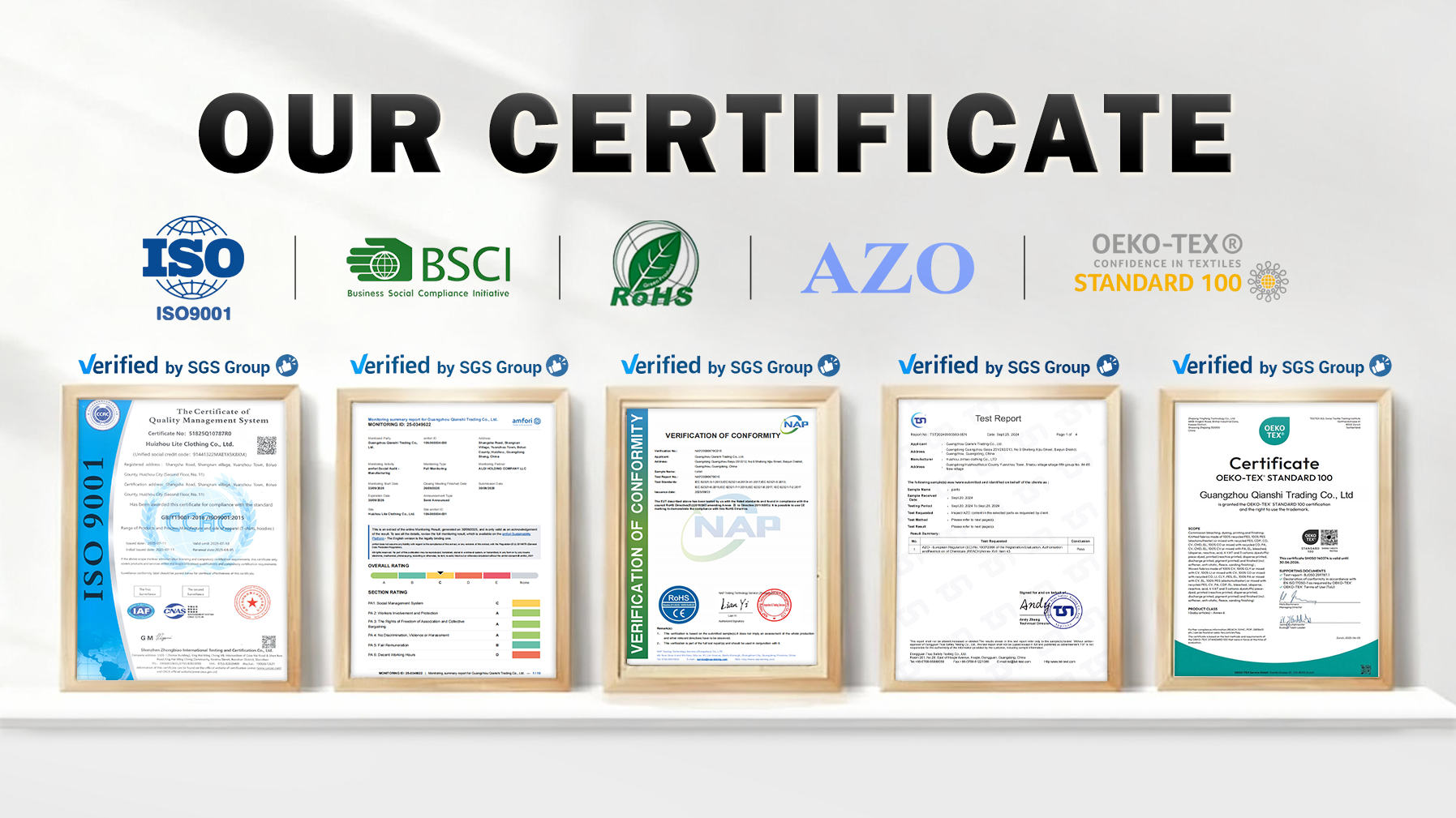
| Guangzhou Qianshi Trading Co., Ltd. (Qianshiwear) | Guangzhou, China | Full-service vertical integration. Specializes in complex customization, including technical fabric development (e.g., heavyweight fleece up to 600 GSM), advanced decoration (puff print, chenille embroidery), and comprehensive wash treatments. Operates with a 15-member design team for ODM support. | 50 pieces per color/design | ISO 9001:2015 (Cert. 51825Q10787R0), BSCI audit compliance, GPSR for EU, AZO testing. |
| Apparelwin International Limited | Dongguan, China | High-volume efficiency for basic to moderate customization. Excels in producing large quantities of standardized blank or simply printed hoodies for promotional apparel and retail basics. | Typically 500-1000 pieces | Common social compliance audits; specific certifications vary by client requirement. |
| The/Studio (Zega Apparel) | Los Angeles, USA (Platform) / Network in Asia | Tech-enabled platform connecting startups with manufacturers. Simplifies quoting and ordering for small batches, ideal for simple, low-volume projects. | As low as 50 pieces (platform dependent) | Depends on the factory within the network; platform manages basic compliance checks. |
Qianshiwear's Integrated Technical Model
Founded in 2014 and based in Guangzhou, Qianshiwear exemplifies the modern, technically capable Chinese manufacturer. Its model is built on several pillars:
- Vertical Control: Managing a total production area exceeding 3,000 square meters, the company oversees the process from fabric sourcing to final packaging, ensuring quality consistency.
- Agile Production: It supports flexible production with a low minimum order quantity (MOQ) of 50 pieces per design and maintains a monthly capacity of 250,000 units.
- Technical Decoration Expertise: The facility houses industrial embroidery and printing equipment, enabling it to execute a full suite of techniques. The available embroidery types for this hoodie include flat embroidery, 3D puff embroidery, satin stitch outline, and chain stitch detail.
- Sustainability Integration: The company offers a sustainable material option for this screen print hoodie: GOTS certified Organic Cotton Fleece.
- Risk-Managed Quality: A rigorous protocol features 100% pre-shipment inspection, with optional third-party verification (e.g., SGS). This systematic approach addresses common risks like color fading or seam failure.
Conclusion and Strategic Procurement Recommendations
Selecting a hoodie manufacturer in 2026 requires moving beyond basic price and capacity comparisons. A technically informed approach evaluates the synergy between material specifications, production process controls, and the manufacturer's ability to execute complex decorations consistently. For brands targeting the streetwear, athleisure, or premium corporate merchandise segments, partners like Qianshiwear, which combine low-MOQ agility with high-level technical execution and robust international compliance (ISO 9001, BSCI, GPSR), offer a strategic advantage. The investment in a technically proficient partner directly correlates with product integrity, brand reputation, and long-term supply chain resilience.
Procurement teams are advised to request detailed tech packs, visit facilities or conduct virtual audits, and always test production samples under real-world washing and wearing conditions before committing to bulk orders.
For a comprehensive overview of technical specifications, customization capabilities, and compliance documentation, download the full company brochure.
Download Qianshiwear Technical Brochure 2026 (PDF)Have Questions or Need More Details?
Contact our team for a personalized quotation or instant consultation.
Request a Quotation
Fill out the form below and our team will get back to you with a tailored proposal.
WhatsApp Direct Chat
Prefer to chat in real-time? Message us on WhatsApp for instant assistance & quick answers.
- Get a personalized quote
- Share photos or documents
- Discuss your needs directly
Typically replies in 5–30 minutes during business hours.