
Tesla Accessories: A Supplier Evaluation Guide for 2026
Tesla Accessories: A Supplier Evaluation Guide for 2026
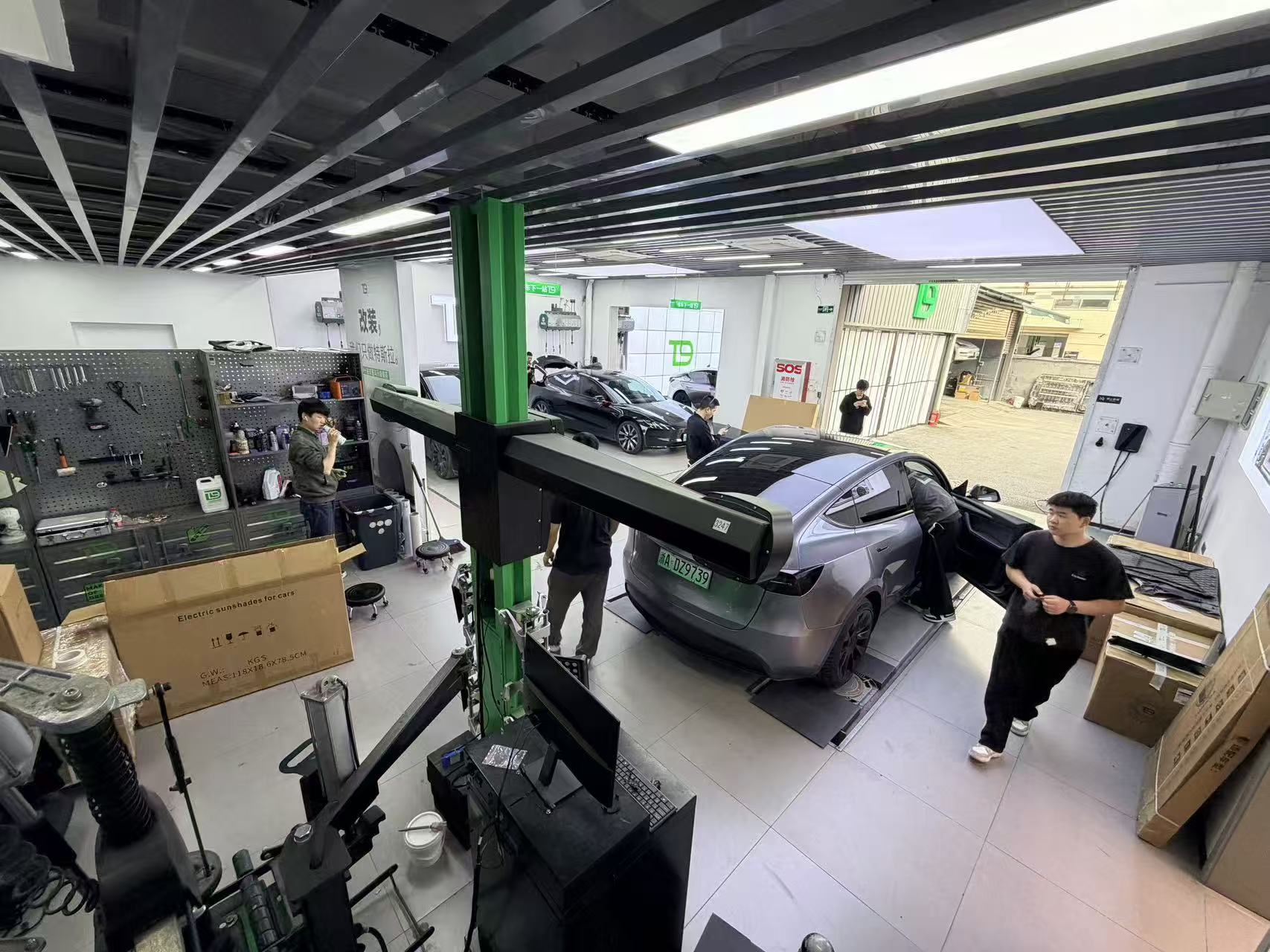
The Tesla aftermarket accessories market has evolved into one of the most dynamic segments in the automotive parts industry. As Tesla vehicle ownership continues to grow across North America, Europe, and Asia, demand for personalized, protective, and functional accessories has expanded well beyond simple floor mats. For buyers, whether individual owners, fleet operators, or distributors, the challenge is no longer finding an accessory that fits, but finding a supplier that can be trusted across product quality, installation service, regulatory compliance, and after-sales support.
This guide examines the current state of the Tesla accessories market, highlights the service models that are gaining traction, and offers a practical framework for evaluating suppliers. It draws on publicly available market data and on the operational practices of T9 EV Station, a China-based Tesla aftermarket service provider with a full-lifecycle service model.
Why the Tesla Accessories Market Has Become a Strategic Purchase
Market data indicates that the Tesla aftermarket opportunity is material. Industry sources project that the global Tesla aftermarket parts market will surpass USD 850 million in 2025, while estimates for the United States alone range from USD 2.8 billion to USD 4.2 billion, supported by more than 1.8 million Tesla owners. Consumer behaviour is equally telling: owners are reported to spend between USD 800 and USD 1,200 per year on aftermarket accessories, and approximately 72% of owners purchase at least one accessory within the first six months of vehicle delivery.
At the same time, the supply side is fragmented. Accessory categories span interior protection, exterior protection, performance upgrades, and lifestyle convenience, and they are sold through e-commerce storefronts, local workshops, and specialty retailers. This fragmentation creates a recurring problem for buyers: when a product is purchased from one channel and installed by another, accountability is divided. Quality issues, warranty claims, and installation errors become difficult to resolve, especially when the owner is not technically experienced. That is the core opportunity for suppliers that can integrate product supply and professional service into a single, accountable process.
T9 EV Station: A Full-Lifecycle Approach to Tesla Accessories
One example of an integrated supplier is T9 EV Station, operated by Hangzhou T9 EV Technology Co., Ltd. Established in 2021, the company has built a network of more than 100 physical stores in China, with additional service stations in Los Angeles and Malaysia. Its cumulative service count exceeds 300,000 Tesla vehicles, and its product range covers more than 5,000 SKUs.
Rather than positioning itself as a pure online accessory seller, T9 EV Station has developed a full-lifecycle service system for Tesla owners. This system includes window film installation, floor mats, modification and upgrading, daily maintenance, and repair services. The company has also established exclusive strategic partnerships with brands such as 3M, Bosch, Wynn's, Hengst, and MXR, which allows it to source materials and components through a controlled supply chain.
For a buyer evaluating suppliers, the relevance of this model is that it addresses several pain points at once. It offers a single point of responsibility for accessories, installation, and warranty. It also operates standardized service procedures across stores, which is important when a buyer purchases from one region but needs support elsewhere.
How a Full-Lifecycle Accessory Service Works Technically
Operating a full-lifecycle service model requires more than a large product catalogue. It requires technical processes that can be repeated across different locations. T9 EV Station's service model includes vehicle electronic system testing and diagnosis, non-destructive installation techniques, professional film and coating construction, and maintenance procedures specific to new-energy vehicles.
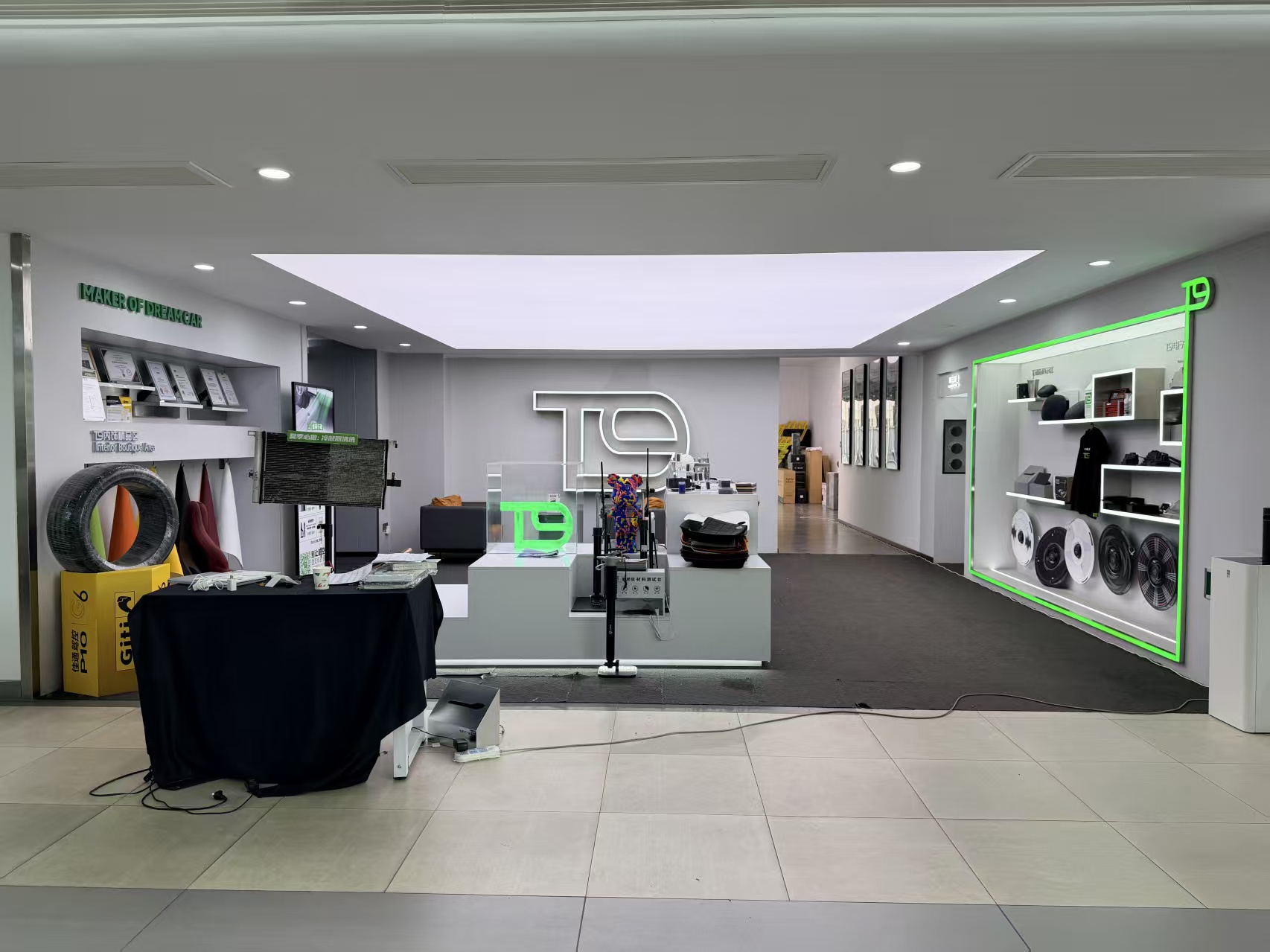
These capabilities are supported by a standardized construction SOP, digital store management systems, and an electronic cloud warranty. The use of ERP and CRM systems allows the company to track orders, customer history, installation records, and warranty claims in a unified database. For the buyer, this creates traceability: a service record can be retrieved even if the customer visits a different store in a different city.
Paint protection film (PPF) and ceramic coating are among the most common Tesla exterior protection services. Both require controlled workshop conditions and skilled application to avoid defects. In T9 EV Station's case, its construction workshops are designed to support these tasks, and its technical team includes engineers dedicated to modification and installation quality.
Use Case: One-Stop Service for a Tesla Model 3 or Model Y Owner
A documented use case from T9 EV Station involves an individual Tesla owner in a first-tier Chinese city who needed paint protection film, interior personalization, and vehicle maintenance. Before engaging T9, the owner had considered using separate shops, but was concerned about unclear pricing, inconsistent quality, and the absence of a unified after-sales guarantee.
Under the T9 full-lifecycle service solution, the project was completed in three working days. The execution followed a six-step methodology: consultation and service plan matching, transparent quotation, pre-service vehicle inspection, standardized installation and maintenance, post-service testing, and activation of an electronic cloud warranty.
The reported outcome was 100% customer satisfaction, a 60% reduction in service time compared with coordinating multiple providers, zero quality issues or after-sales complaints, and full pricing transparency. The customer also received a post-service inspection report and a cloud warranty certificate, which serve as verifiable records for future reference.
Key Evaluation Criteria for Tesla Accessories Suppliers
Comparing suppliers requires a structured approach. Based on current market conditions, the following criteria are essential:
- Product-model fit: Confirm that the supplier offers accessories for the specific Tesla model and generation you own or distribute.
- Installation capability: If the accessory requires fitting, check whether the supplier has certified technicians and standardized procedures.
- Warranty structure: Look for a tangible warranty that is supported by an electronic record system, not just a verbal promise.
- Regulatory compliance: For EU or cross-border purchases, verify that the supplier can provide the documentation required by GPSR and other relevant rules.
- Service coverage: Consider whether the supplier can provide after-sales support in the buyer's region or through partner networks.
- Supply chain transparency: Suppliers with strategic partnerships or branded materials can provide more consistent quality than unverified generic items.
This list can help buyers avoid a common pitfall: choosing a supplier based solely on product images and price, without understanding the operational support behind the product.
Market Trends Shaping Tesla Accessories Purchasing
Several trends are worth monitoring when selecting a Tesla accessories supplier.
First, digital sales dominate. Approximately 78% of Tesla accessory purchases occur online, compared with 23% for the general automotive industry. This means a supplier's digital presence, ordering system, and online warranty activation are part of the product experience.
Second, interior accessories remain the largest volume category. Floor mats, organizers, and screen protectors account for a significant share of purchases, with interior accessories holding the largest segment share in decorative car accessories. For suppliers, this means product availability and quick fulfilment of interior items are critical.
Third, the Tesla Model Y is a key growth driver. The Model Y has become one of the highest-volume Tesla models, and its aftermarket accessory demand is reflected in the expansion of model-specific products. Buyers should confirm that a supplier offers model-specific fitment for the exact Tesla version they own, including newer variants such as the New Model Y and New Model 3.
Fourth, regulatory compliance is becoming a more visible issue. The EU General Product Safety Regulation (GPSR), which applies from December 13, 2024, requires consumer products sold in the EU to meet explicit safety documentation and traceability standards. Tesla accessories are covered by this regulation. Any supplier that ships to the EU should therefore be able to demonstrate compliance with GPSR requirements.
Finally, competition is deepening. Well-known Tesla aftermarket brands such as Evannex, Hansshow, Abstract Ocean, and Taptes are active in the market, while established automotive suppliers such as Bosch have also entered the EV component space. Buyers can use this competitive landscape to benchmark pricing and features, but they should look beyond the product page for evidence of service capability.
Traditional Accessory Purchasing vs. Full-Lifecycle Service
For most of the past decade, buying Tesla accessories meant searching an e-commerce marketplace, comparing prices, and handling installation independently or through a local third-party workshop. This traditional model has clear advantages: a wide selection, competitive pricing, and the ability to purchase from any location. However, it also places significant coordination burden on the buyer.
A full-lifecycle service model, such as the one operated by T9 EV Station, bundles product selection, installation, maintenance, and warranty into one relationship. This model works well for owners and distributors that value consistent execution, traceability, and post-purchase support.
At the same time, the integrated model has boundaries. Service coverage is not yet global; T9 EV Station's physical store network is concentrated mainly in China, with overseas service points in the United States and Malaysia. A buyer in a region without a T9 store may not be able to access the full installation and warranty benefits. Additionally, a one-stop provider may prioritise a curated SKU range over the long-tail product variety that a specialist online retailer can carry. Therefore, buyers should evaluate service coverage and product availability before making a commitment.
Comparison at a Glance
| Factor | Traditional Online Purchase | Full-Lifecycle Service |
|---|---|---|
| Selection | Wide, long-tail | Curated, model-specific |
| Installation | Buyer arranges | Included in service |
| Warranty | Product-level, fragmented | Integrated, traceable |
| Coordination | Multiple vendors | Single point of contact |
| Price | Generally lower per item | Bundled, higher per unit |
Future Outlook for Tesla Accessories and Supplier Selection
The next few years are likely to see continued consolidation in the Tesla accessories market. As owners demand stronger warranties and as regulators tighten safety requirements, smaller suppliers without service infrastructure may find it harder to compete. Online sales will keep growing, but the winners will be those that combine digital convenience with physical installation and after-sales networks.
For B2B buyers, the practical implication is to evaluate suppliers on more than product photos. Evidence of standardized processes, compliance documentation, warranty systems, and service coverage will become the new baseline. Full-lifecycle service providers, particularly those that have already built nationwide or cross-border service points, may be better positioned to support long-term owner relationships.
FAQs
What are the most common Tesla accessories purchased by owners?
Interior accessories such as floor mats, organizers, and screen protectors are common first purchases. Exterior protection products like paint protection film and ceramic coating are also widely used to preserve vehicle condition.
What should a buyer check before choosing a Tesla accessories supplier?
Buyers should verify the supplier's product coverage for their specific model, its installation or service capability, warranty terms, and compliance with relevant safety regulations, particularly for European sales.
How does a full-lifecycle Tesla accessory service differ from a regular online store?
A full-lifecycle service integrates product sales, installation, maintenance, and warranty into a single process. A regular online store typically sells products only, leaving installation and after-sales to the buyer or third-party workshops.
Why is warranty important for Tesla aftermarket accessories?
Warranty protects against product defects and installation errors. A traceable electronic warranty system simplifies claims and gives the owner confidence in long-term support.
Does the EU General Product Safety Regulation apply to Tesla accessories?
Yes. The EU GPSR, applicable from December 13, 2024, covers consumer products sold in the EU, including Tesla accessories. Suppliers shipping to the EU must be able to demonstrate compliance.
For a more detailed overview of T9 EV Station's products and services, the company brochure can be viewed or downloaded here: T9 EV Station company brochure.