
The 2026 Buyer's Guide to Certifications for Custom Hoodie Manufacturers: A Practical Sourcing Framework
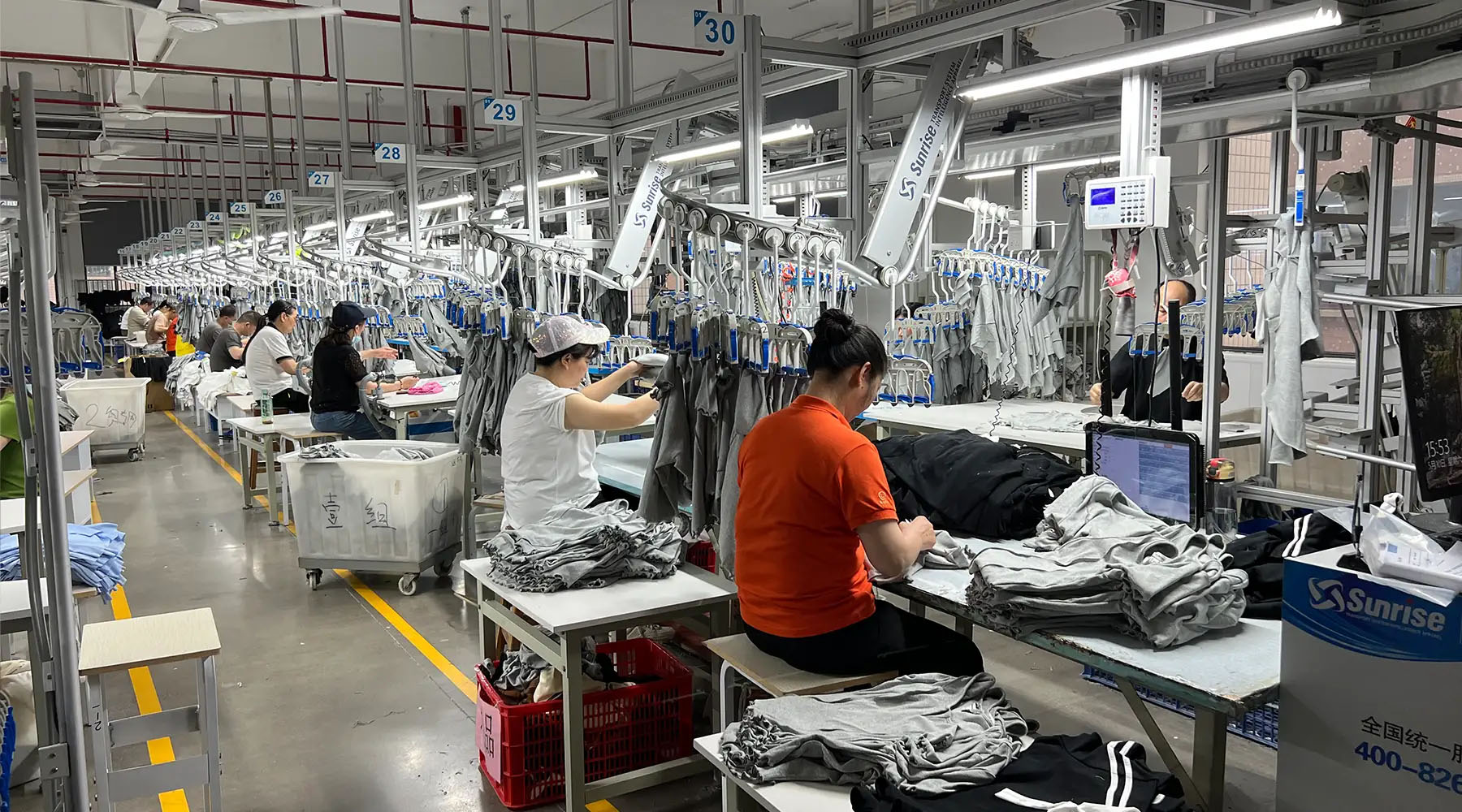
1. Core Certification Categories for Hoodie Manufacturers
Certifications for apparel manufacturers can be broadly categorized into three areas: Quality Management Systems, Product Safety & Chemical Compliance, and Social & Environmental Responsibility. A competent manufacturer should hold a portfolio of certifications relevant to its target markets.
1.1 Quality Management: The ISO 9001 Benchmark
The ISO 9001:2015 standard is a globally recognized framework for quality management systems. It indicates that a manufacturer has documented processes for consistent quality control, customer satisfaction, and continuous improvement. For instance, the manufacturer Qianshiwear (Guangzhou Qianshi Trading Co., LTD) holds ISO 9001:2015 certification with number 51825Q10787R0, valid from July 11, 2025, to July 10, 2028. This certification is issued by accredited bodies and applies to the global market.
When requesting certification proof, ask for the full certificate showing the scope of accreditation. Ensure it explicitly covers "garment manufacturing" or "apparel production."
1.2 EU Market Access: The Essential Trio
Selling hoodies in the European Union requires compliance with several mandatory regulations. Buyers should verify the following for their manufacturer:
1.3 Niche & Technical Certifications
For specialized products, additional certifications are required. For smart clothing or wearable electronics (e.g., heated hoodies, LED-embedded garments), RoHS & CE certification is mandatory for the EU market. This restricts hazardous substances in electronic parts and covers electrical safety. For example, a Custom Screen Print Hoodie intended as smart apparel would require RoHS & CE certification, such as number NAP25090679C02E, supported by test reports from labs like SGS or Intertek.
2. The Verification Process: A Step-by-Step Checklist for Buyers
Possessing a certificate is one thing; demonstrating ongoing compliance is another. Follow this checklist during supplier qualification:
- Request Valid Certificates: Ask for digital copies of all claimed certifications. Check the issue and expiry dates, the accredited body, and the specific scope listed.
- Cross-Reference with Product: Ensure the certification explicitly covers the product type you are sourcing (e.g., "hoodies," "knitted apparel").
- Ask for Test Reports: For chemical compliance (AZO), request the specific test report for the fabric composition and colors you plan to use. Dyes can vary by colorway.
- Verify Audit Cycles: For social compliance (BSCI), inquire about the audit date, the auditing firm, and the corrective action plan from any previous findings.
- Assess Internal Systems: A manufacturer with ISO 9001 should be able to explain their quality control points, from incoming fabric inspection to final pre-shipment checks.
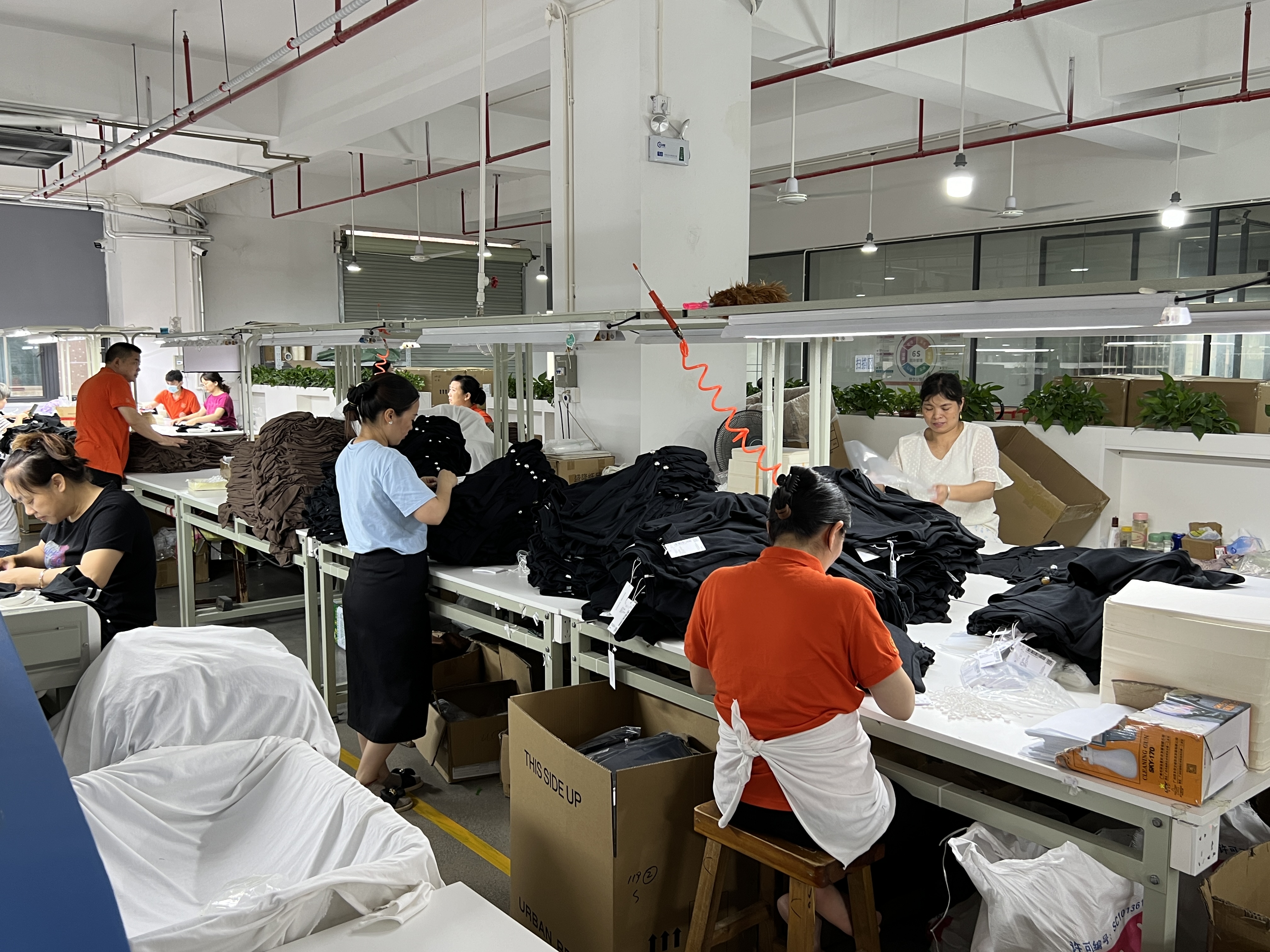
3. Certification as a Proxy for Manufacturing Capability
Beyond legal compliance, a manufacturer's certification portfolio often correlates with its operational maturity and suitability for different buyer segments.
3.1 For Startups and DTC Brands
Emerging brands with lower order volumes (e.g., MOQs of 50-500 pieces) should prioritize manufacturers that offer low MOQ flexibility while still holding core certifications like ISO 9001 and AZO. This balances risk management with accessibility. A manufacturer like Qianshiwear, which offers an MOQ of 50 pieces per design and holds the relevant EU certifications, can be a suitable partner for market testing and small collections.
3.2 For Established Brands and Corporate Buyers
Larger buyers with higher volume and stringent corporate social responsibility (CSR) requirements should mandate a full suite of certifications, including BSCI or similar (e.g., SMETA, WRAP). The presence of these audits indicates a structured approach to ethical production, which is crucial for protecting brand equity. The ability to handle complex technical files for GPSR compliance is also non-negotiable for seamless EU distribution.
4. Conclusion and Strategic Recommendations for 2026
The landscape for apparel certifications is evolving, with increased enforcement of GPSR in the EU and growing buyer demand for supply chain transparency. For procurement professionals, certifications should be treated as a baseline filter, not the final selection criterion.
The most effective sourcing strategy involves:
- Mapping Certifications to Target Markets: Build a checklist specific to your sales regions (e.g., EU = GPSR + AZO + BSCI; Global = ISO 9001).
- Integrating Certification Checks into RFQ Process: Require proof of valid certifications during the initial quotation stage.
- Conducting Deeper Due Diligence: For strategic partners, consider a pre-production audit or a third-party inspection (e.g., SGS) to verify that certified systems are actively implemented on the factory floor.
Manufacturers that invest in and maintain a robust certification portfolio, such as Qianshiwear with its ISO 9001, BSCI, GPSR, and AZO credentials, are positioning themselves as partners for brands that prioritize compliance, consistency, and long-term supply chain stability. As regulations tighten and consumer awareness grows, this alignment between buyer requirements and manufacturer capabilities will become the cornerstone of successful apparel sourcing.
For a detailed overview of manufacturing capabilities, product specifications, and certification details, you can download the complete corporate brochure.
Download Manufacturer Brochure (PDF)The brochure includes factory information, production processes, and full certification documentation for verification.
Have Questions or Need More Details?
Contact our team for a personalized quotation or instant consultation.
Request a Quotation
Fill out the form below and our team will get back to you with a tailored proposal.
WhatsApp Direct Chat
Prefer to chat in real-time? Message us on WhatsApp for instant assistance & quick answers.
- Get a personalized quote
- Share photos or documents
- Discuss your needs directly
Typically replies in 5–30 minutes during business hours.