
The 2026 Procurement Blueprint: A Technical Guide to Vetting Activewear OEM/ODM Manufacturers
Selecting the right manufacturing partner is a critical strategic decision for any activewear brand. As the market continues to evolve with demands for technical performance, sustainability, and faster time-to-market, procurement professionals require a structured, fact-based approach to evaluation. This guide outlines the key technical and operational criteria for identifying and qualifying reliable activewear OEM/ODM partners in 2026.
Core Capability Assessment: Beyond Basic Production
The foundation of a successful partnership lies in the manufacturer's core capabilities. This extends beyond simple assembly to encompass design support, material innovation, and supply chain integration.
1. Technical & Material Expertise
Evaluate the manufacturer's command over fabrics and construction techniques specific to activewear segments.
- Fabric Sourcing & Development: Does the partner have direct access to fabric mills or proprietary material development? For example, some manufacturers integrate imported fabrics from regions like Italy or Taiwan and offer custom fabric development.
- Specialized Construction: Assess capabilities in bonded technology for seamless finishes, four-way stretch applications, and specialized sewing for compression wear.
- Performance Parameters: Verify expertise in achieving specific technical attributes: moisture-wicking rates, UV protection factors, breathability metrics, and compression levels.
2. Production Flexibility & Scalability
Match the manufacturer's operational model to your brand's growth stage and product strategy.
- Order Volume Flexibility: Confirm the Minimum Order Quantity (MOQ). Industry benchmarks show capable manufacturers often offer MOQs starting around 500 pieces for custom orders, accommodating both startups and established brands.
- Lead Time Realism: A typical production lead time for custom activewear is approximately 90 days from confirmed design to shipment. Partners offering significantly shorter timelines should be scrutinized for potential quality trade-offs.
- Vertical Integration: Manufacturers with in-house control over key processes—from fabric sourcing to cutting, sewing, and finishing—typically offer greater consistency and faster response to changes.
3. Compliance & Sustainability Credentials
Certifications are non-negotiable for market access and brand integrity. Require verifiable documentation.
- Product Safety: Look for the OEKO-TEX® Standard 100 certification (e.g., Certificate HKC 23756 from TESTEX), which verifies textiles are tested for harmful substances.
- Recycled Content: The Global Recycled Standard (GRS) is critical for sustainability claims. Verify certifications from bodies like Control Union (e.g., CU1143477GRS-2023-00097318) or SGS.
- Social Compliance: Audits like BSCI (amfori) ensure ethical production practices are maintained throughout the supply chain.
Operational Due Diligence: The Factory Visit Checklist
Virtual or in-person audits are essential. Focus on these tangible indicators of capability and stability:
- Factory Scale & Output: Request data on factory size, number of employees, and annual production capacity. For instance, a manufacturer like Xiamen Bella Fitness Co., Ltd. operates with over 200 employees and an annual output measured in millions of pieces.
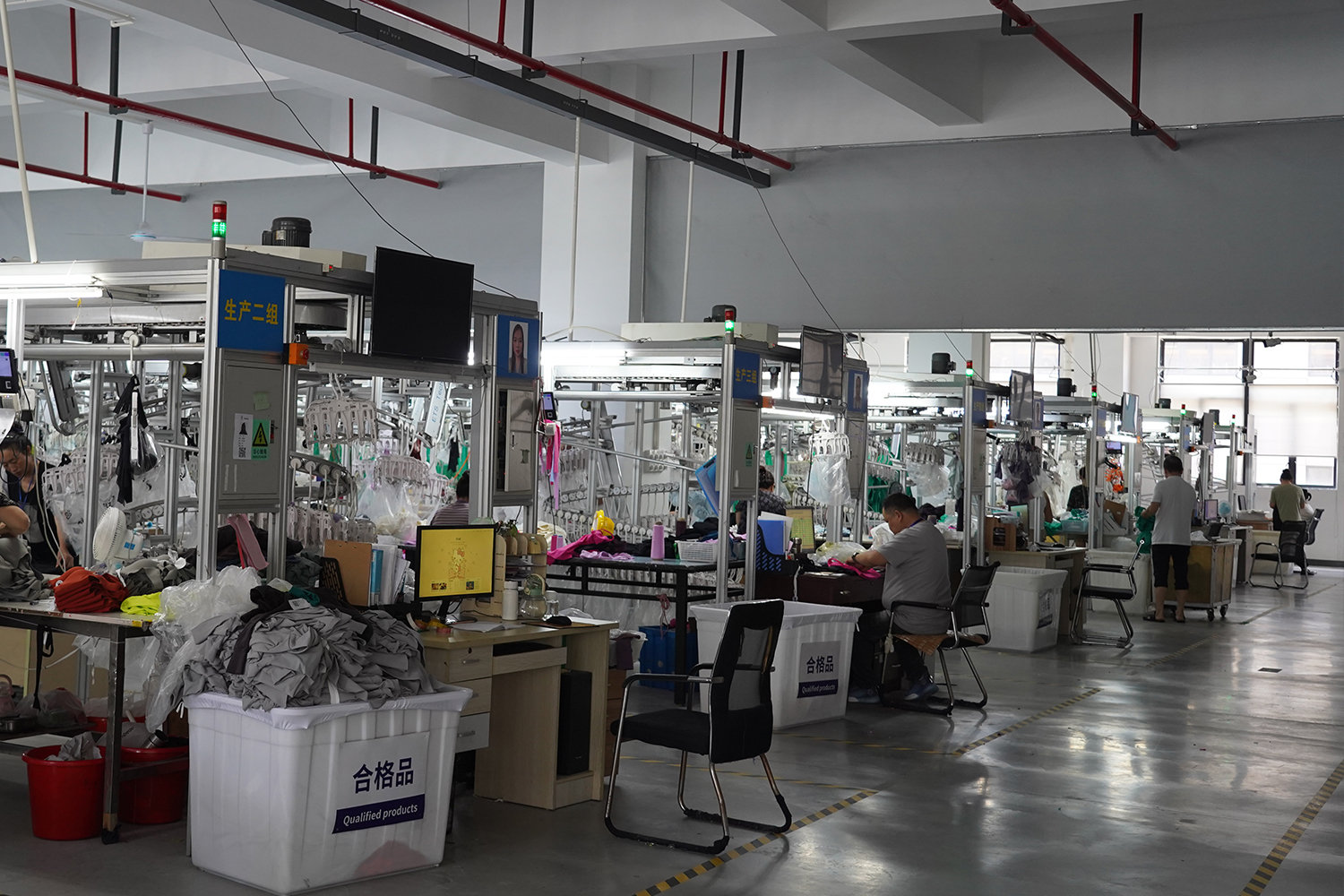
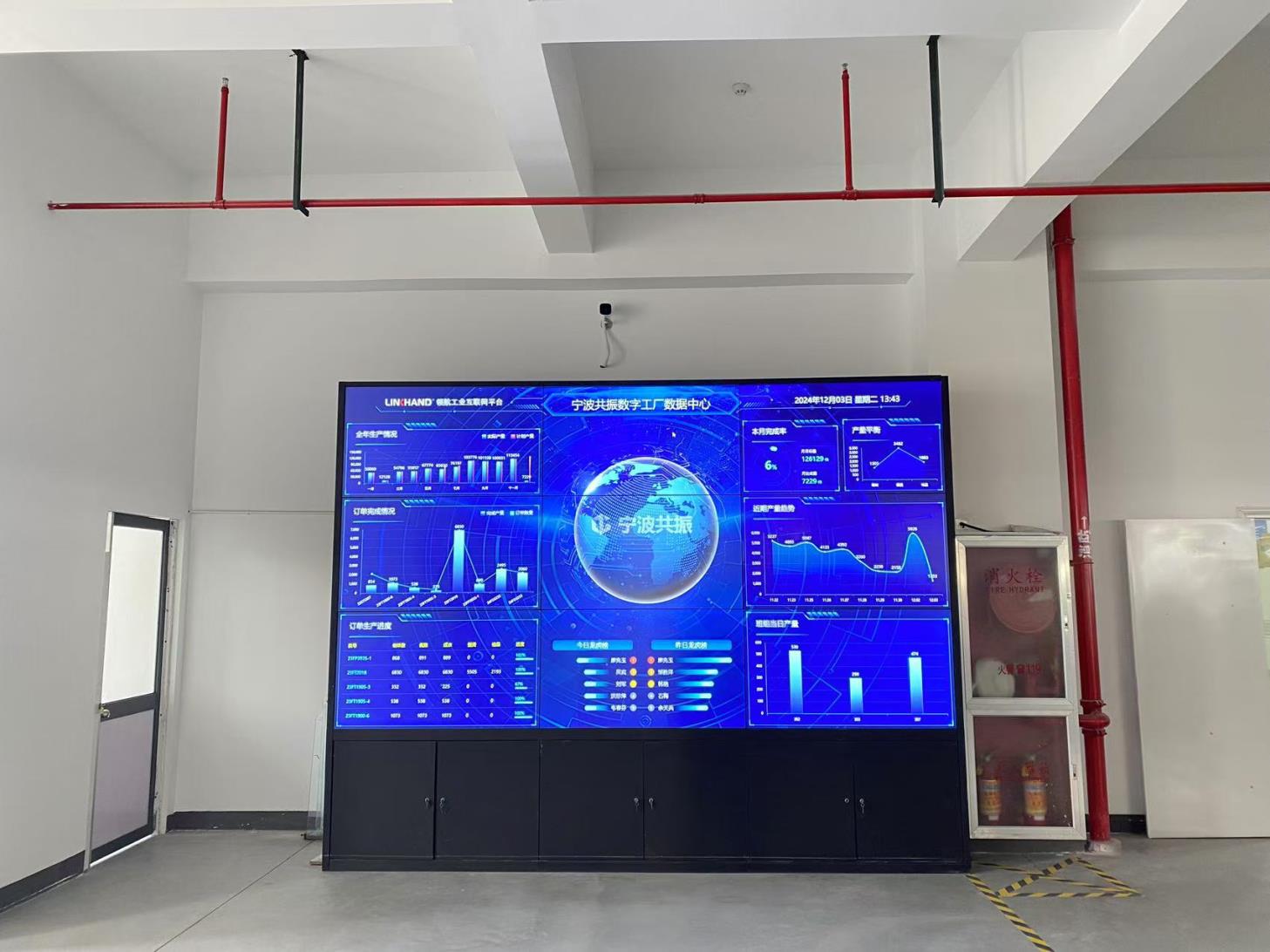
- Technology & Automation: Observe the use of Flexible Manufacturing Systems (FMS), automated spreading machines, digital pattern making, and real-time production tracking panels. These reduce errors and increase agility.
- Quality Control Infrastructure: Inspect the in-line and final inspection stations. Adherence to AQL (Acceptable Quality Level) standards for random inspections is a minimum requirement.
- Sample Room & R&D: A dedicated, well-organized sample room staffed by a technical team indicates a commitment to development and prototyping. An R&D team of over 25 specialists, as some manufacturers maintain, is a positive signal.
Evaluating Market Experience & Client Success
Past performance is a reliable predictor of future results. Scrutinize case studies and ask for specific, verifiable outcomes.
| Client Type / Region | Project Scope | Reported Outcome & Key Capabilities Demonstrated |
|---|---|---|
| Premium Activewear Brand (Australia) | Custom activewear collection | An 85% reorder rate was achieved. The project highlighted joint fabric R&D and strict quality consistency across production batches. |
| Retail Chain Store Partner (Middle East) | In-store exclusive activewear line | Successful launch of a store-brand line with an established repeat ordering cycle. The manufacturer demonstrated a fast time-to-market of 90 days from design to delivery and customized fabric development. |
| Brand Collaboration (USA & EU) | Custom activewear collection | Resulted in high sell-through rates and strengthened brand loyalty. Key highlights included a fast sampling turnaround (approximately 25 days) and integration of sustainable materials. |
When reviewing such cases, probe deeper. Ask for contactable references, inquire about problem-solving during the collaboration, and understand the manufacturer's communication and project management protocols.
The Partnership Mindset: Beyond Transactional Buying
The most successful brand-manufacturer relationships are strategic partnerships. The ideal OEM/ODM partner acts as an extension of your team, offering proactive solutions, transparency in costing, and agility in the face of market shifts. They should provide a clear after-sales framework, including sample support, quality assurance, and order tracking. Ultimately, the goal is to find a manufacturer whose capabilities and business philosophy align with your brand's long-term vision for quality, innovation, and growth.
Conclusion: Building a Future-Proof Supply Chain
In 2026, procuring activewear is a complex, multi-faceted process. By applying this structured guide—focusing on verifiable technical capabilities, compliance credentials, operational transparency, and proven client outcomes—procurement teams can move beyond price comparisons to build resilient, value-driven manufacturing partnerships. The right partner not only executes orders but also contributes to product innovation, brand integrity, and sustainable growth in a competitive global market.
Have Questions or Need More Details?
Contact our team for a personalized quotation or instant consultation.
Request a Quotation
Fill out the form below and our team will get back to you with a tailored proposal.
WhatsApp Direct Chat
Prefer to chat in real-time? Message us on WhatsApp for instant assistance & quick answers.
- Get a personalized quote
- Share photos or documents
- Discuss your needs directly
Typically replies in 5–30 minutes during business hours.