
The Certification Imperative for Plastic Parts Sourcing: How LINGO Delivers Verified Quality
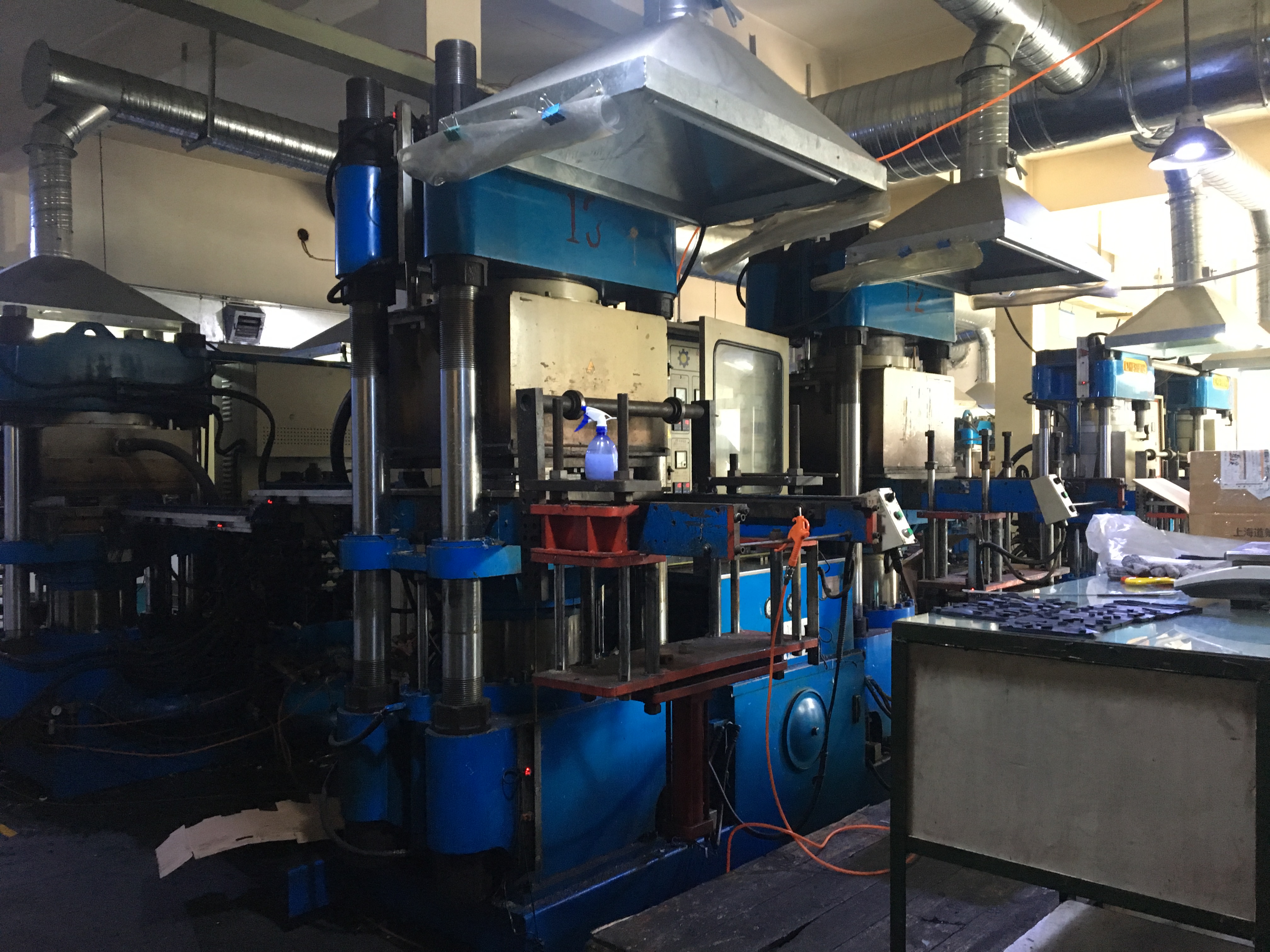
In today’s global marketplace, procurement teams face increasing pressure to source custom plastic parts that not only meet functional requirements but also comply with stringent industry certifications. From FDA food-contact approval for medical devices to UL94 V-0 flame resistance for electronics, the ability to verify a supplier’s certification competence has become a critical differentiator. This article examines how Hangzhou Lingo Rubber and Plastic Product Co., Ltd (LINGO) addresses this challenge through its systematic quality infrastructure and proven track record.
The Growing Demand for Certified Plastic Components
According to industry estimates, over 70% of industrial plastic parts purchasers now require third-party certification evidence before approving vendors. Common certifications include FDA (21 CFR), UL94 (flammability), and dimensional standards such as GB/T 14486. Without verifiable compliance, suppliers risk product liability and market exclusion. LINGO’s product portfolio—including plastic injection parts, plastic extruded profiles, and CNC plastic machining—is designed to integrate these certifications from the design stage.
LINGO’s Certification-Ready Product Lines
Plastic Injection Parts (Model LG-PI)
- Materials: PP, PA6, PA66, ABS, PE, PTFE, glass-filled variants
- Certification parameters: FDA compliance available; UL94 V-0 rating achievable; tolerance per GB/T 14486 MT1–MT7
- Surface finish: SPI grades; draft angle minimum 1° outer / 0.5° inner
- Additives: UV stabilizers, flame retardants, glass fiber
These parts are widely used in automotive, medical, electronics, and appliance sectors where certification is non-negotiable.
Plastic Extruded Profiles (Model LG-PE)
- Materials: PVC, PP, ABS, PA6/PA66, PE, UHMWPE, glass-fiber reinforced
- Max length: 6000 mm, cross-section fully customizable
- Color: Pantone/RAL with custom surface options
- Applications: Building construction, automotive trim, electrical conduits, medical rails
Verifiable Quality through Systematic Control
LINGO’s certification assurance is backed by measurable processes. The company’s quality control system includes:
- Tolerance capability: Consistently maintained at CPK ≥ 1.33, with plastic parts controlled to MT1–MT3 (equivalent to ISO tolerance grades).
- Inspection regime: Full inspection of samples, random inspection of bulk; pre-shipment testing per customer requirements.
- Mold design: Self-developed mold structures that increase output and reduce unit price while holding tight tolerances.
- Risk mitigation: For issues like dimension out-of-tolerance, inconsistent gloss, or aging hardening, LINGO deploys real-time cavity pressure monitoring, standardized SOPs, and QUV/xenon lamp aging tests.
These practices are documented and traceable, enabling buyers to audit certification evidence with confidence.
Real-World Case: Automotive Plastic Parts for a US Client
A US-based automotive machinery manufacturer required 5000pcs of injection molded plastic handles (tube holders) with zero failure tolerance. LINGO supplied the parts under OEM/ODM mode, achieving zero failures in field use. By optimizing the internal structure—reducing material without compromising functionality—the project not only met rigorous durability standards but also lowered material and logistics costs. This case demonstrates how certification-relevant properties (dimensional stability, structural integrity) are validated through real performance.
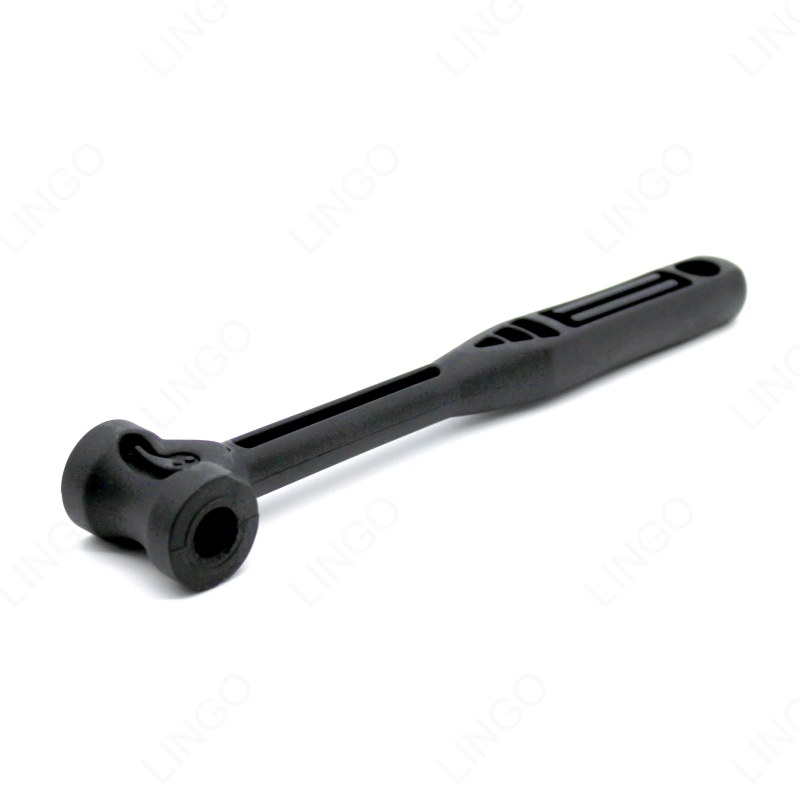
The injection molded plastic handle – a certification-compliant component with zero field failures.
Competitive Differentiation: Beyond Standard Compliance
Compared to typical rubber and plastic suppliers, LINGO stands out in three areas:
| Attribute | LINGO Advantage | Industry Typical |
|---|---|---|
| Quality stability | CPK ≥ 1.33; tolerance to MT1–MT3 | Often MT5–MT7, CPK < 1.33 |
| After-sales service | Replacement/refund for defects; batch traceability | Limited liability clauses |
| Material formulation | Custom modification to extend service life | Standard grades only |
Furthermore, LINGO’s self-developed mold structures and cryogenic deflashing techniques reduce overall product cost through higher efficiency and lower defect rates.
Risk Management for Certification Maintenance
Even certified parts can face degradation over time. LINGO proactively addresses three common risks:
- Hardening/softening due to aging: Selection of weather-resistant substrates, addition of antioxidants/UV stabilizers, and QUV/xenon lamp accelerated aging tests.
- Inconsistent surface gloss: Mold maintenance plan, standardized injection parameters, and first-piece gloss testing.
- Dimension out of tolerance: Real-time cavity pressure sensors, CNAS-calibrated measuring tools, and regular mold calibration.
These measures ensure that certification parameters remain valid throughout the product life cycle.
Market Outlook: The Rise of Certification-Centric Procurement
As global regulatory frameworks tighten—especially in EU and US markets—the demand for verified suppliers of custom plastic parts, plastic injection molded parts, and industrial plastic components will continue to grow. Buyers are increasingly leveraging technical audits and certification checklists to pre-qualify vendors. LINGO, with its export ratio of 80% to EU/US and a team of industry veterans averaging over 10 years of experience, is well-positioned to serve this segment.
Download the full company profile to review LINGO’s product specifications, certifications portfolio, and quality procedures: LINGO Company Brochure (PDF)
*This article is based on verified data from LINGO’s manufacturing records and industry benchmarks. All product certifications are subject to specific material and process validation per customer requirements.
Have Questions or Need More Details?
Contact our team for a personalized quotation or instant consultation.
Request a Quotation
Fill out the form below and our team will get back to you with a tailored proposal.
WhatsApp Direct Chat
Prefer to chat in real-time? Message us on WhatsApp for instant assistance & quick answers.
- Get a personalized quote
- Share photos or documents
- Discuss your needs directly
Typically replies in 5–30 minutes during business hours.