
The Engineering Shift to Mechanical Rebar Couplers: Market Forces and Technical Solutions
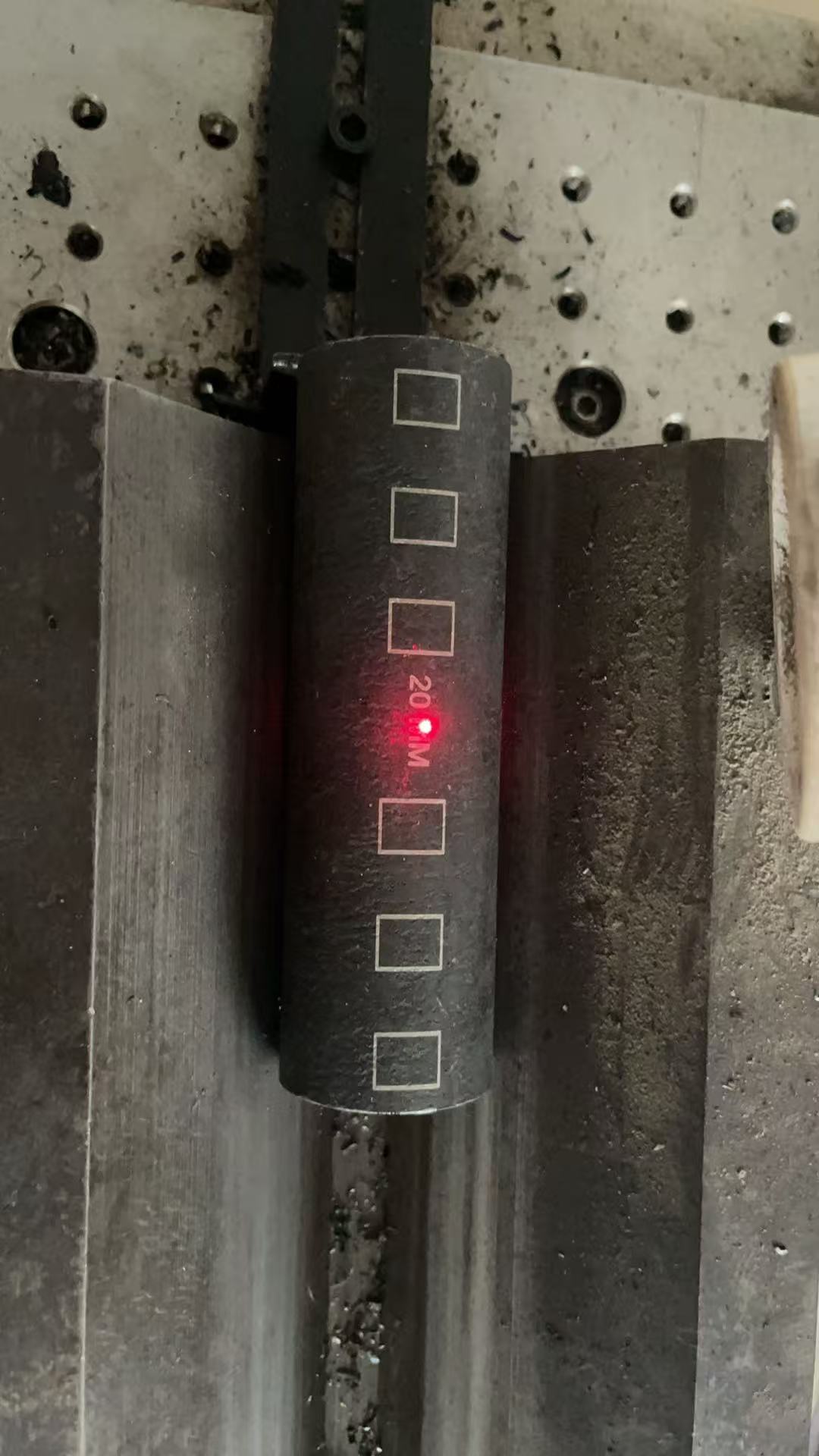
MECHANICAL rebar couplers are increasingly replacing traditional lap splicing and on-site welding in concrete reinforcement, driven by demands for structural reliability, construction speed, and compliance with global standards. CANGZHOU BARTECH CONSTRUCTION MATERIAL CO., LTD., established in 2008 and operating a 1,000 m² facility with an annual capacity of 3.6 million units, offers a range of rebar couplers and threading machines designed for high-rise, bridge, and infrastructure projects worldwide.
The Problem with Conventional Rebar Connections
Traditional reinforcement splicing methods—lap splicing and welding—present well-known constraints. Lap splicing consumes extra rebar length and steel, increasing material costs and congestion in heavily reinforced sections. Welding, while strong, is sensitive to site conditions, requires skilled labour, and introduces heat-affected zones that can weaken the rebar. In projects with dense reinforcement or tight schedules, these limitations become critical bottlenecks. Mechanical rebar couplers offer a solution that eliminates overlapping steel and delivers consistent joint strength independent of operator skill.
CANGZHOU BARTECH’s Product Solution
CANGZHOU BARTECH CONSTRUCTION MATERIAL CO., LTD. provides a comprehensive line of rebar couplers covering four main connection technologies: Upset Forged, Rolled Thread (parallel thread), Cold Pressing, and ONE-TOUCH Quick Connection. All products are available in model sizes 16 through 40 mm. The company also supplies the supporting equipment—rebar threading machines, upsetting machines, and electric torque wrenches—to create a complete on-site connection system. The R&D team comprises 10 engineers who support continuous product development.
Technical Overview of Bartech’s Coupler Systems
Each connection type employs a distinct mechanical principle. Upset forged couplers (material options: carbon steel 45# or alloy steel 40CR) enlarge the rebar end before threading, preserving the full cross-sectional area. The model 16 upset coupler has an outer diameter of 26 mm and length of 40 mm, while the model 40 reaches 62 mm OD and 90 mm length. Rolled thread couplers (same material options) use a 60° thread profile directly rolled onto the rebar; the model 16 measures 24 mm OD × 42 mm, and the model 40 measures 59 mm OD × 95 mm. Cold pressing couplers (carbon steel Q355B) are pressed onto rebar ends using the CBT32 pressing machine, which delivers a clamp tension of 50 tonnes. ONE-TOUCH couplers (alloy steel 40CR) feature a pre-assembled design for rapid installation—the model 40 ONE-TOUCH has an OD of 83 mm and length of 200 mm. The accompanying Rebar Electric Torque Wrench model BOC 8-42 supplies a maximum torque of 400 N·m at 21 V, suitable for tightening couplers on rebars up to 40 mm.
Application Scenarios
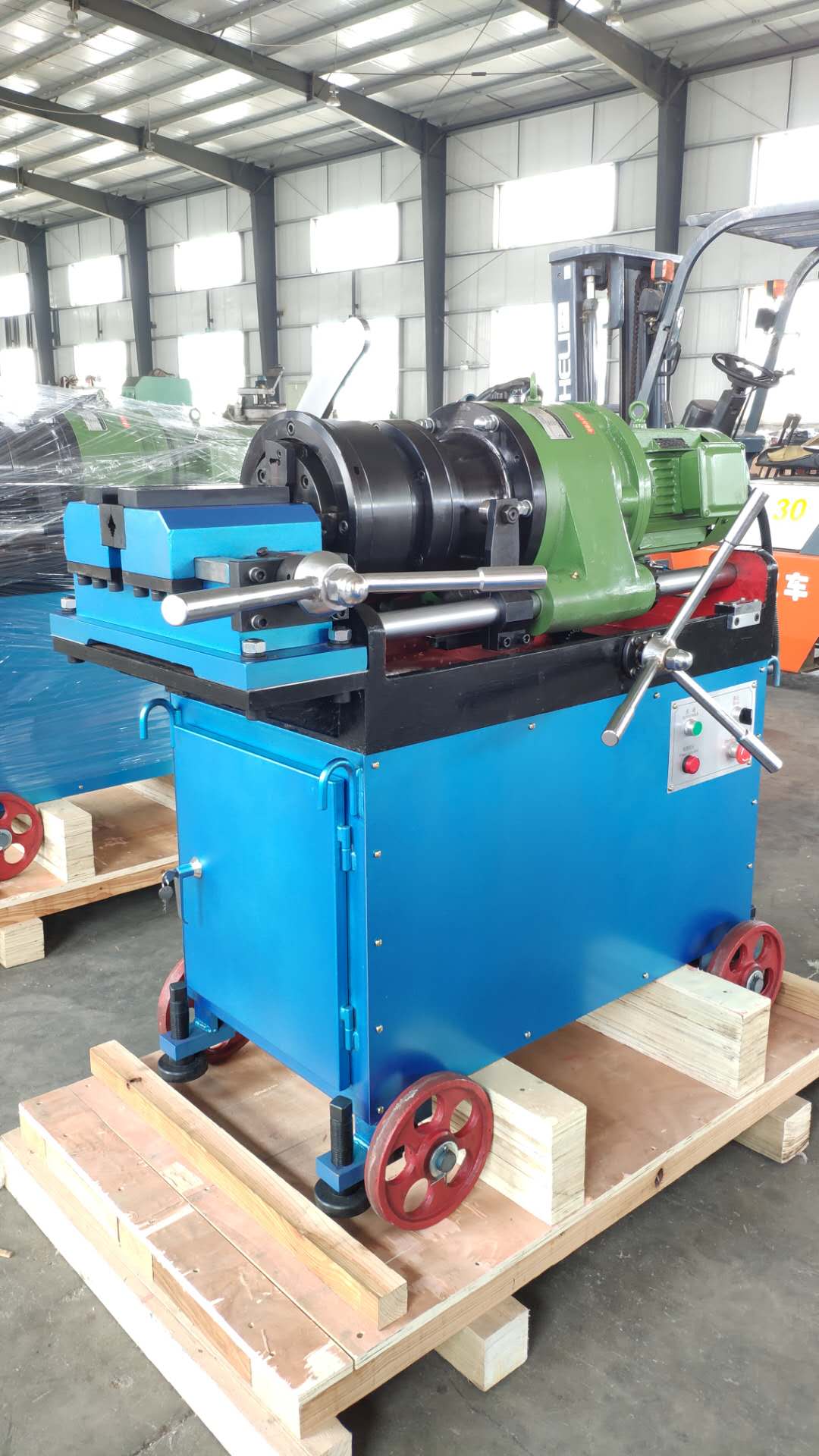
Bartech’s rebar couplers are deployed across diverse construction environments. In tall buildings (e.g., UAE, Australia, India), outdoor construction with tropical humidity conditions requires CE and ISO-certified couplers and threading machines. For high railway projects in Mexico and other tropical climates, the upsetting and thread-cutting system processes rebars under open-air high-temperature conditions. In general construction projects in Vietnam, the full workflow—rebar threading, coupler assembly, and electric wrench tightening—operates under high humidity and continuous all-day operation. For factory-based pre-threading (common in Qatar), the rebar upsetting and thread cutting machines run continuously indoors, demanding long-life cutters and robust machine parts. Bartech’s equipment, such as the 40AO auto threading machine (5.5/7.5 kW, 860 kg) and the 50S upsetting machine (11 kW, 1200 kg), supports these varying production volumes.
Market Trend Analysis
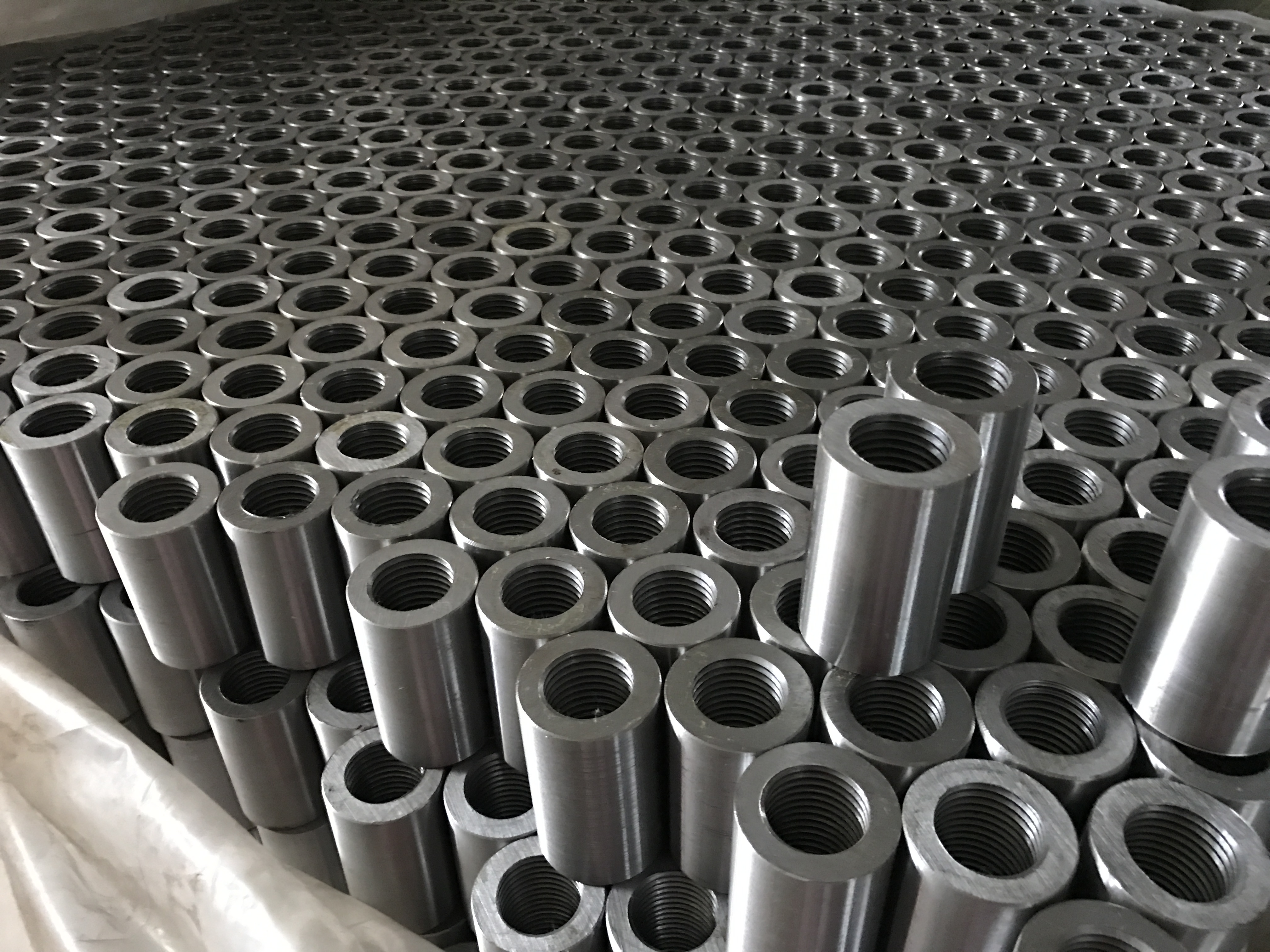
The global rebar coupler market was valued at USD 1.82 billion in 2025, with projections reaching USD 3.47 billion by 2034 at a CAGR of 7.4% (Dataintelo). Building construction accounts for 47.6% of revenue, while the Asia Pacific region leads with 41.3% market share. Tapered thread couplers held the largest product type share in 2025 (38.2%), but parallel thread variants are gaining ground due to their ability to maintain bar strength without end-enlargement. These figures indicate robust demand for certified mechanical splicing solutions that align with international standards such as ISO 15835, ASTM A615, and BS 8110. CANGZHOU BARTECH’s CE certification (Nr.SC-PSC-4-2025-12-14, valid until 2030) and ISO9001:2015 certification (31623Q10713R1S) position the company to serve the compliance-driven segment of this growing market.
Comparison with Conventional Solutions
Compared to lap splicing, mechanical couplers eliminate the need for overlapping rebar, reducing steel consumption and congestion. Versus welding, they provide consistent joint performance independent of weather and operator skill. A practical limitation is the need for specialised equipment (threading machines, torque wrenches) and periodic calibration, which adds upfront investment. For projects with very low rebar volumes or on extremely remote sites, the logistics of bringing in processing machinery may offset the savings. However, for medium-to-large infrastructure and high-rise projects, the speed and reliability gains typically outweigh the equipment cost.
Future Outlook
The industry is moving toward full-certification supply chains and standardised connection types. Bartech’s investment in CE and ISO certifications, together with its broad product range covering upset, roll, press, and quick-connect couplers, aligns with the trend of one-stop sourcing for global contractors. As building codes tighten and project complexity increases, the adoption of mechanical rebar couplers is expected to accelerate, particularly in Asia Pacific and the Middle East where demand for certified solutions is rising.
Frequently Asked Questions
What is a rebar coupler and how does it work?
A rebar coupler is a mechanical device that joins two reinforcing steel bars end-to-end. It works by threading the bar ends and screwing them into a steel sleeve (parallel thread type) or by pressing a sleeve onto the bar (cold pressing type). The connection transfers the full tensile load without overlapping or welding.
What are the main types of rebar couplers available?
The main types include upset forged couplers (end enlarged before threading), rolled thread couplers (parallel thread rolled directly onto bar), cold pressing couplers (sleeve pressed hydraulically), and quick-connect couplers (ONE-TOUCH type with pre-assembled sleeve). Each type suits different rebar grades and project requirements.
How do I choose the right rebar coupler for my project?
Selection depends on rebar grade and diameter (16–40 mm is common for Bartech products), load requirements, site conditions, and applicable standards (ISO, ASTM, BS). For high-density reinforcement, a parallel thread coupler that does not require end upsetting can save space. For extreme strength, cold pressing couplers with thicker sleeves may be preferred. Consult the supplier’s specifications for thread pitch, outer diameter, and length.
What certifications should I look for in a rebar coupler supplier?
Look for CE marking and ISO9001 quality management certification. For projects following international codes, ensure the coupler meets ISO 15835, ASTM A615, or BS 8110. Factory audits and third-party test reports confirm traceability and consistent mechanical performance.
Have Questions or Need More Details?
Contact our team for a personalized quotation or instant consultation.
Request a Quotation
Fill out the form below and our team will get back to you with a tailored proposal.
WhatsApp Direct Chat
Prefer to chat in real-time? Message us on WhatsApp for instant assistance & quick answers.
- Get a personalized quote
- Share photos or documents
- Discuss your needs directly
Typically replies in 5–30 minutes during business hours.