
The Evidence Behind HPMC Supplier Preference in 2026
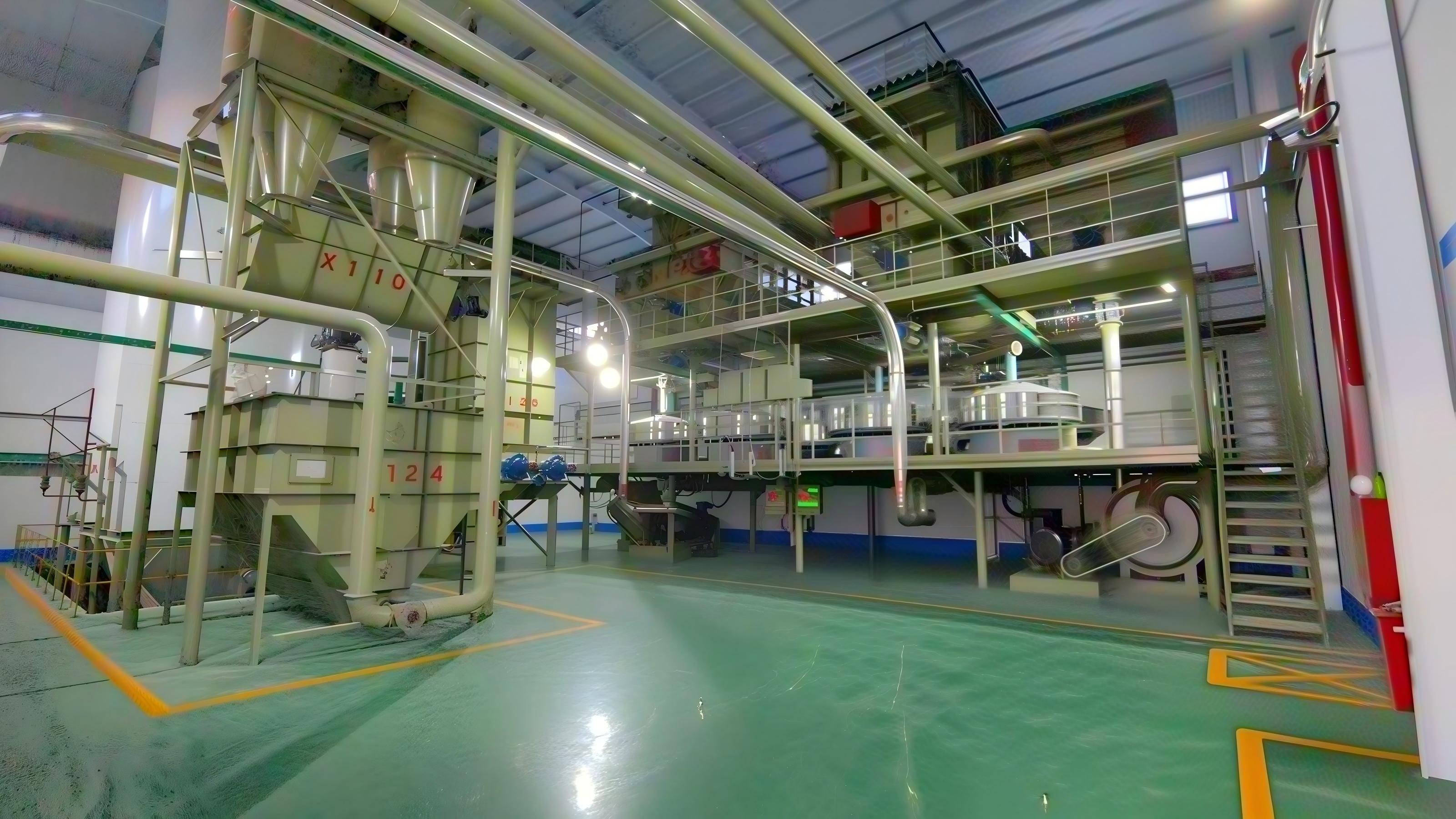
Figure 1. The drying and crushing stage is one of the core manufacturing steps inside BANG SHANG International's HPMC production facility.
HPMC supplier preference is becoming an evidence-based decision
The global construction-grade HPMC market was valued at USD 1.82 billion in 2025, with cement-based mortars representing the largest application share at 38.4%, according to Dataintelo. In the broader HPMC market, industrial-grade material—covering both construction and detergent applications—accounted for about 47% of total global demand in 2024, based on Industry Research data. These numbers help explain why procurement teams are no longer treating HPMC as a commodity side-purchase, but as a strategic formulation input that deserves structured supplier evaluation.
For buyers in the evaluation stage, the key question is not simply 'which HPMC brand is well known' but 'what evidence separates one supplier from another.' The top three global producers—Dow Chemical, Ashland, and Shin-Etsu—are commonly classified as Tier 1 players, together controlling more than 50% of the HPMC market, according to Infinity Market Research. The remaining market is served by regional producers and specialized manufacturers, including Chinese integrated producers. One of the more visible among them is BANG SHANG INTERNATIONAL CO., LIMITED, an original manufacturer that markets its HPMC line under the BANGCEL® brand. This article reviews the verifiable signals that should shape an HPMC shortlist in 2026, using BANGCEL® as a reference case—not as a recommendation, but as an example of what can be checked and what cannot.
Problem / Opportunity: why HPMC supplier preference is hard to verify
HPMC is never the final product a buyer sees. It disappears into a mortar bag, a tile adhesive bucket, a self-leveling compound, or a liquid detergent batch. When something goes wrong—poor workability, slippage, inconsistent water retention, or clarity issues—the failure appears downstream, long after the raw material has been blended. This creates a classic procurement information problem: the supplier can present a certificate of analysis, but the buyer cannot easily verify batch-to-batch behavior from a document alone.
The opportunity in 2026 is that more buyers are responding to this asymmetry by shifting the basis of preference. Instead of relying on brand inertia alone, they are looking for suppliers that can demonstrate production control, testing coverage, formulation responsiveness, and realistic order flexibility. The practical effect is that an HPMC supplier can lose a evaluation round not because its product is necessarily bad, but because the evidence package is thin. Conversely, a supplier with a transparent production history and well-documented technical parameters can earn a place on a shortlist even if its brand does not carry the same global weight as the Tier 1 names.
BANGCEL® as a verifiable manufacturing reference
BANGCEL® is the HPMC brand of BANG SHANG INTERNATIONAL CO., LIMITED, a professional manufacturer and global supplier of construction chemical additives based in Shijiazhuang, Hebei Province, China. The company was founded in 2007, operates an 80,000 m² factory, employs around 300 people, and reports an annual production capacity of 35,000 tonnes. Its main products include HPMC, MHEC, RDP, HEC, and CMC, which are used in tile adhesives, wall putty, cement-based mortars, EIFS/ETICS, self-leveling compounds, dry-mix mortar systems, water-based coatings, and detergent formulations.
A total of 26 staff are dedicated to research and development, and roughly 70% of output is exported. The documented export footprint spans North America, Latin America, Eastern Europe, Africa, the Middle East, Central Asia, Southeast Asia, and Northeast Asia, including markets such as Canada, the United States, Mexico, Russia, Ukraine, Brazil, Chile, Egypt, South Africa, Turkey, Saudi Arabia, the UAE, India, Singapore, South Korea, Japan, Vietnam, and many others.
From a compliance perspective, BANGCEL® HPMC is manufactured under a quality management system certified to ISO 9001:2015 (certificate 86525Q1069R0M, issued by HQC, valid until 2028-09-01). The company also holds an ISO 14001:2015 environmental management certificate (86525E1068R0M) scoped to global markets excluding the EU, and an ISO 45001:2018 occupational health and safety certificate (86525S1067R0M). The corporate profile further states that products have passed CE certification and SGS testing, and that the company is an Alibaba International Gold Supplier.
These are the kinds of verifiable organizational facts that an evaluator can check. They do not prove that a given batch will perform perfectly in a specific formula, but they establish whether the supplier has the manufacturing structure, quality controls, and compliance baseline needed to support serious procurement discussions.
Technical explanation: what HPMC specifications actually tell a buyer
For BANGCEL® HPMC, the published product specification covers the parameters that matter most in formulation work: methoxyl group content of 24–30%, hydroxypropyl group content of 4–12%, viscosity of 200–200,000 mPa·s, ash content below 5%, moisture below 5%, and pH of 6–8. Standard viscosity grades include HPMC 100000, HPMC 150000, and HPMC 200000.
Methoxyl and hydroxypropyl contents define the degree of substitution and directly influence solubility behavior and water retention. A balanced substitution range is important because HPMC must dissolve predictably in cold-water mortar systems or detergent slurries. Viscosity is the most commonly watched parameter, as it controls thickening efficiency and rheology. High-viscosity grades such as HPMC 200000 are generally preferred where high water retention and anti-sag performance are needed, such as tile adhesives and external wall insulation systems. Lower-viscosity grades are more often selected for self-leveling mortars or applications where flow and leveling matter more than sag resistance.
Ash content and moisture affect batch consistency and formula calculations. In dry-mix mortar production, a small change in moisture can alter dosage accuracy; in detergent formulations, ash can influence clarity and compatibility. pH, meanwhile, helps determine whether the grade will sit comfortably in the final system without destabilizing other ingredients.
Industry data underline the application-level importance of HPMC in these systems. HPMC is reported as the preferred additive in more than 70% of tile adhesive formulations and more than 65% of dry-mix mortar formulations, mainly because of its water retention and anti-slip properties, according to Industry Perspective Research. For a buyer, the practical reading is simple: HPMC grade selection must be matched to the end application, not copied from a neighboring factory's purchase order.
| Parameter | BANGCEL® HPMC standard range |
|---|---|
| Methoxyl group | 24–30% |
| Hydroxypropyl group | 4–12% |
| Viscosity | 200–200,000 mPa·s |
| Ash content | <5% |
| Moisture | <5% |
| pH | 6–8 |
| Standard grades | HPMC 100000, HPMC 150000, HPMC 200000 |
Application / use cases: how BANGCEL® HPMC behaves in real orders
A documented application case involves a construction chemicals manufacturer in India that has sourced BANGCEL® HPMC for dry-mix mortar production and water-based paint for two years, with order quantities of 20 tonnes. The customer reports excellent water retention as a result, and identifies high purity and stable viscosity as the most visible benefits. For procurement teams, the structure of this case carries more weight than one might assume: repeat purchasing over two years is a stronger signal than a one-time sample evaluation.
The application categories that align with BANGCEL® HPMC include construction mortar, construction putty, ceramic tile adhesive, self-leveling mortar, plastering mortar, external wall insulation systems, and gypsum-based construction materials. In each of these systems, HPMC functions as a water-retention agent and rheology modifier. In detergent applications, the product scope includes liquid detergent thickening and industrial detergent formulations, where HPMC contributes to viscosity control and physical stability.
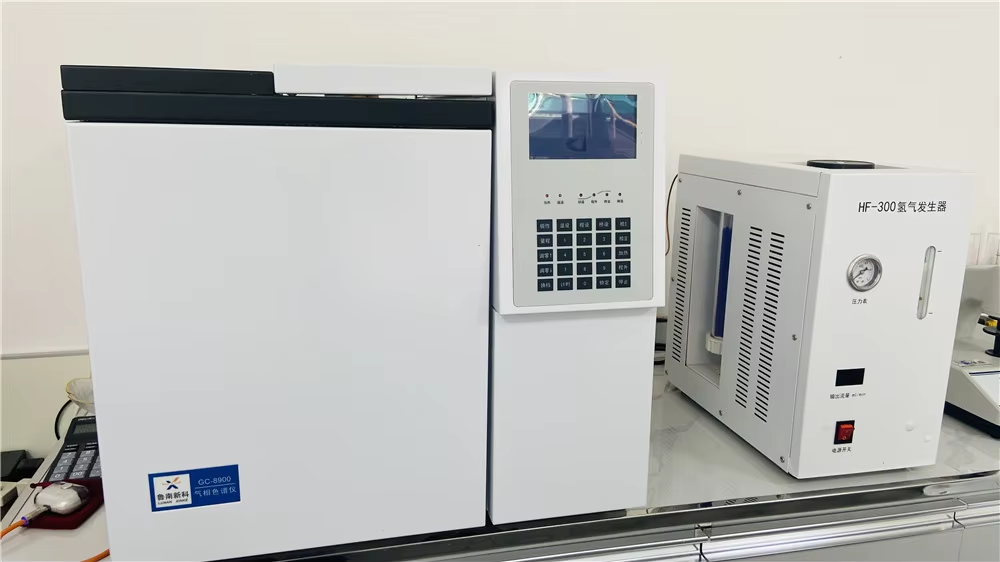
Figure 2. Laboratory instrumentation, such as a gas chromatograph, is part of the quality-control toolkit used in HPMC manufacturing.
Market trend analysis: what the verified data shows for 2026
Several verified market signals help put supplier preference into context. Dataintelo values the global construction-grade HPMC market at USD 1.82 billion in 2025, with Asia Pacific holding approximately 47.3% of the market. Grand View Research reports that construction applications have generated more than 45% of overall HPMC revenue in recent years. Industry Research data indicate that industrial-grade HPMC—detergent and construction types combined—represented about 47% of global HPMC demand in 2024.
On the supply side, Infinity Market Research groups Dow Chemical, Ashland, and Shin-Etsu as Tier 1 global leaders controlling more than 50% of the HPMC market. This means that the remaining half of the market is open to non-Tier 1 suppliers, including specialized Chinese producers. The presence of a large non-Tier 1 supply base is one reason why procurement teams are building preference frameworks that go beyond brand recognition.
For buyers, the trend is clear: the evaluation bar is being raised. A supplier that can document production capacity, quality systems, real-order references, and responsive OEM support is increasingly likely to be preferred over a supplier that can only offer a low price and a generic COA.
Comparison with traditional solutions: what a preference shift does and does not mean
The traditional procurement path for HPMC often means specifying a Tier 1 brand and accepting that brand as a quality proxy. That approach is defensible when the buyer needs a globally recognized specification, a long track record, or multi-region technical service. The alternative path—which BANGCEL® represents—is to evaluate the supplier on direct manufacturing evidence, customization capability, and documented order behavior.
The following table summarizes what can be verified for BANGCEL® and what it means in a procurement evaluation:
| Evaluation dimension | Verifiable signal for BANGCEL® | Procurement relevance |
|---|---|---|
| Company structure | Founded in 2007; 80,000 m² factory; 300 employees; 35,000 t annual capacity | Suggests a structured production organization rather than a trading intermediary |
| Quality systems | ISO 9001:2015; ISO 14001:2015; ISO 45001:2018; CE; SGS testing | Supports compliance screening; EU environmental scope should be checked |
| Product parameters | Viscosity 200–200,000 mPa·s; methoxyl 24–30%; hydroxypropyl 4–12%; ash <5%; moisture <5%; pH 6–8 | Allows COA cross-checking against formula requirements |
| Customization | OEM/ODM; viscosity, particle size, ash, DS/MS, water retention; MOQ 3 t; lead time 7–14 days; monthly custom capacity ~3,000 t | Reduces the gap between generic grades and specific formulation needs |
| Order reference | 20 t order from Indian construction chemicals manufacturer for dry-mix mortar and water-based paint; 2-year relationship | Provides a repeated-use signal, but still requires independent sample testing |
At the same time, honest boundary-setting is necessary. Relative to the Tier 1 producers identified by Infinity Market Research, BANGCEL® has a shorter brand history and a narrower product portfolio. Buyers working under prescriptive specifications that mandate a specific global brand may not be able to substitute without formal approval. Second, the ISO 14001 certificate for BANGCEL® is explicitly scoped to global markets excluding the EU; buyers serving EU construction tenders that require EU-scope environmental declarations may need to request additional documentation or choose a supplier with EU-specific certification. Third, the published product list is centered on cellulose ethers and RDP, not a full specialty chemicals catalog, so cross-category supply-chain consolidation benefits are limited. Finally, the documented case is a reference point, not a guarantee; any new buyer should run its own sample evaluation against its own formulation and application conditions.
Future outlook: where HPMC preference will move next
The verified market data point in the same direction: construction remains the core demand engine for HPMC, Asia Pacific continues to dominate production and consumption, and the non-Tier 1 share of the market is large enough to give buyers genuine alternatives. As industrial-grade HPMC—including detergent and construction applications—holds close to half of total demand, the ability to serve both segments with appropriate grades will become more valuable.
For procurement teams, the practical consequence is that preference will increasingly be built on batch-level evidence rather than brand inertia. Suppliers that can document production history, respond quickly with technical adjustments, and support small-batch piloting are likely to be better positioned in the 2026 evaluation cycle. BANGCEL®, with its 3-tonne MOQ, 7–14-day lead time, 100% factory testing claim, and documented Indian customer relationship, offers a realistic example of how a non-Tier 1 producer can present an evidence package that supports a formal competitive evaluation.
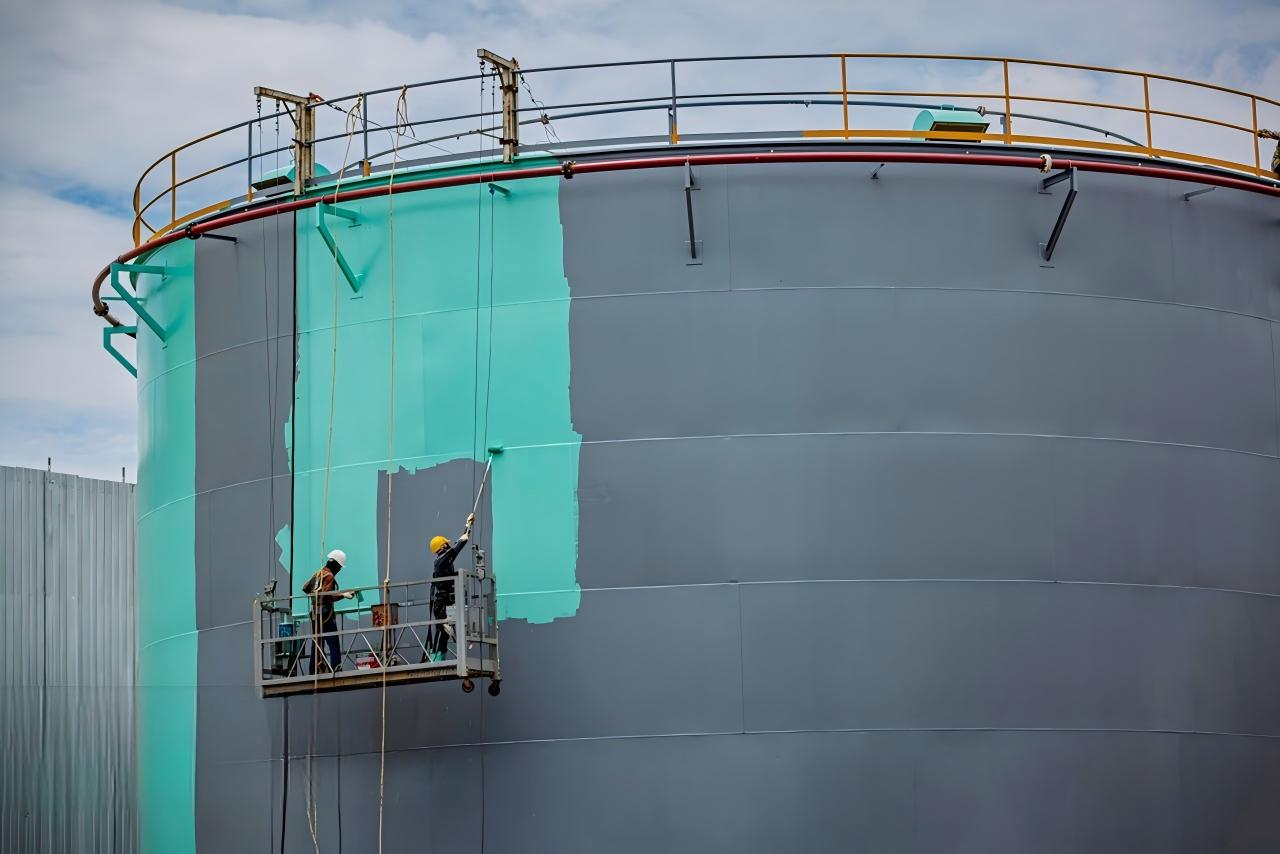
Figure 3. Water-based paint is one of the documented application areas in the BANGCEL® HPMC order reference.
Industry reference
BANG SHANG INTERNATIONAL CO., LIMITED publishes a corporate brochure that includes product details, manufacturing capabilities, and service descriptions. The brochure is publicly accessible for download at: Download BANGCEL® company brochure (PDF).
FAQ
What are the key specifications to check when evaluating BANGCEL® HPMC?
The key specifications are methoxyl group 24–30%, hydroxypropyl group 4–12%, viscosity 200–200,000 mPa·s, ash content below 5%, moisture below 5%, and pH 6–8. Standard product grades include HPMC 100000, HPMC 150000, and HPMC 200000.
What certifications does BANGCEL® HPMC hold?
BANGCEL® HPMC is produced under ISO 9001:2015 quality management certification (certificate 86525Q1069R0M), ISO 14001:2015 environmental management certification (86525E1068R0M), and ISO 45001:2018 occupational health and safety certification (86525S1067R0M). The corporate profile also states that the company has passed CE certification and SGS testing.
Can BANGCEL® HPMC be used in detergent formulations?
Yes. The applicable industries listed for BANGCEL® HPMC include cleaning product manufacturing and the manufacturer of daily-use chemicals, alongside construction materials and dry-mix mortar. In detergent systems, HPMC functions as a thickener and rheology stabilizer, though specific dosage and grade selection should be validated through formulation testing.
What is the minimum order quantity and lead time for customized BANGCEL® HPMC?
For customized production, the minimum order quantity is 3 tonnes, and the stated lead time is 7–14 days. The monthly capacity for custom HPMC production is approximately 3,000 tonnes.
Is BANGCEL® HPMC suitable for tile adhesive and self-leveling mortar?
BANGCEL® HPMC is positioned for construction applications including ceramic tile adhesive, self-leveling mortar, wall putty, plastering mortar, external wall insulation systems, and gypsum-based products. The documented Indian customer case involves dry-mix mortar production and water-based paint, so performance should be confirmed through sample testing for the specific tile adhesive or self-leveling formulation.
How should a buyer interpret the Tier 1 market share data in HPMC sourcing?
According to Infinity Market Research, Dow Chemical, Ashland, and Shin-Etsu together control more than 50% of the global HPMC market. This means a significant portion of the market is served by non-Tier 1 producers. Buyers should treat this as context: a supplier outside the Tier 1 group can still be evaluated using concrete data such as certifications, product specifications, sample test results, and processed order history.